Best Anti-Hair Loss Shampoo for Men: What to Look For
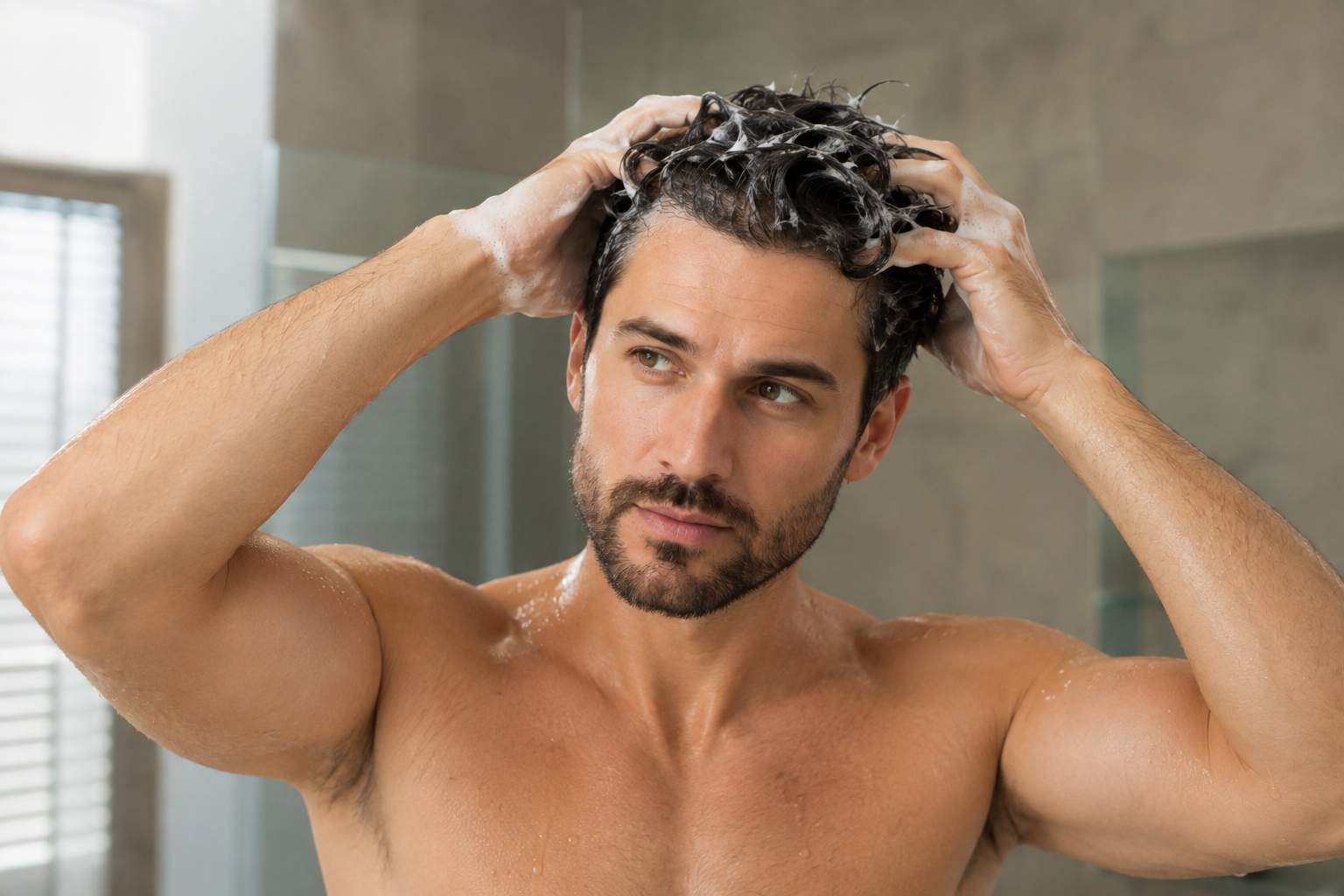
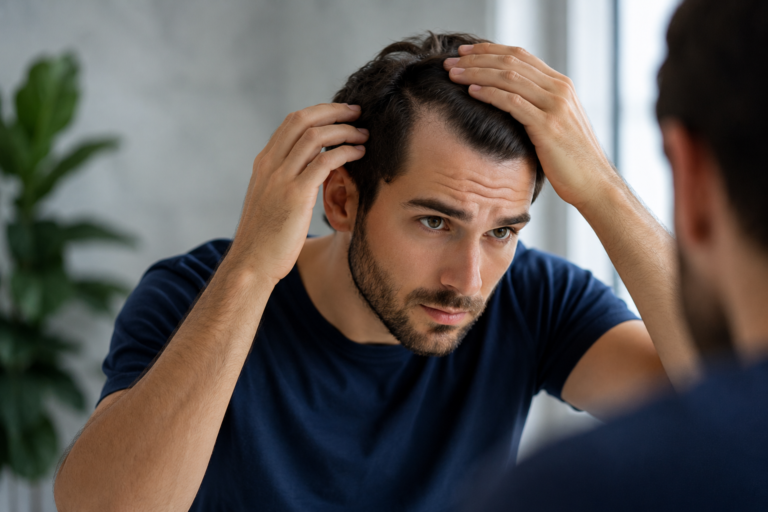
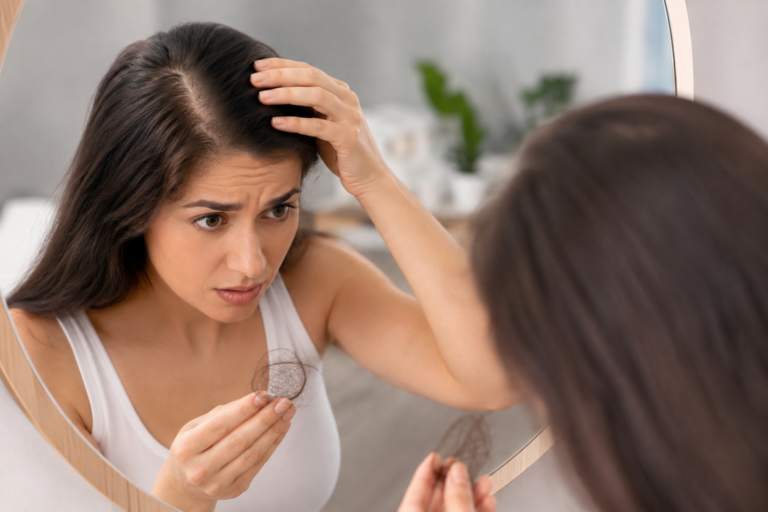
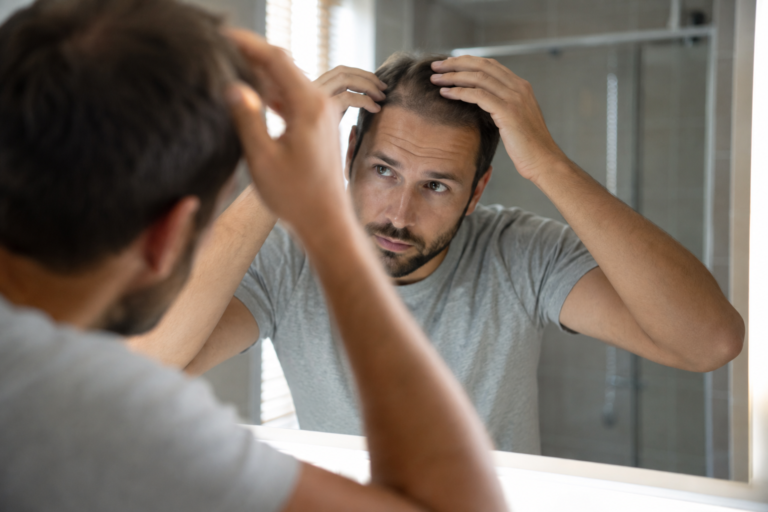
Finding more hair on your pillow or noticing more scalp through your hair can make you start looking for better hair-care options.
For many men, shampoo is one of the first products they consider when their hair starts looking thinner.
But choosing an anti-hair loss shampoo is not simply about finding a bottle with the biggest promise on the label.
The formula, ingredients, scalp compatibility, and your expectations all matter.
Hair loss can also have many different causes, including hereditary hair loss, illness, stress, medications, nutritional problems, and scalp conditions. That’s why understanding what a shampoo can realistically do is important.
In this guide, we’ll explain what to look for in an anti-hair loss shampoo for men and take a closer look at Folicerin as one option designed specifically for men’s hair care.
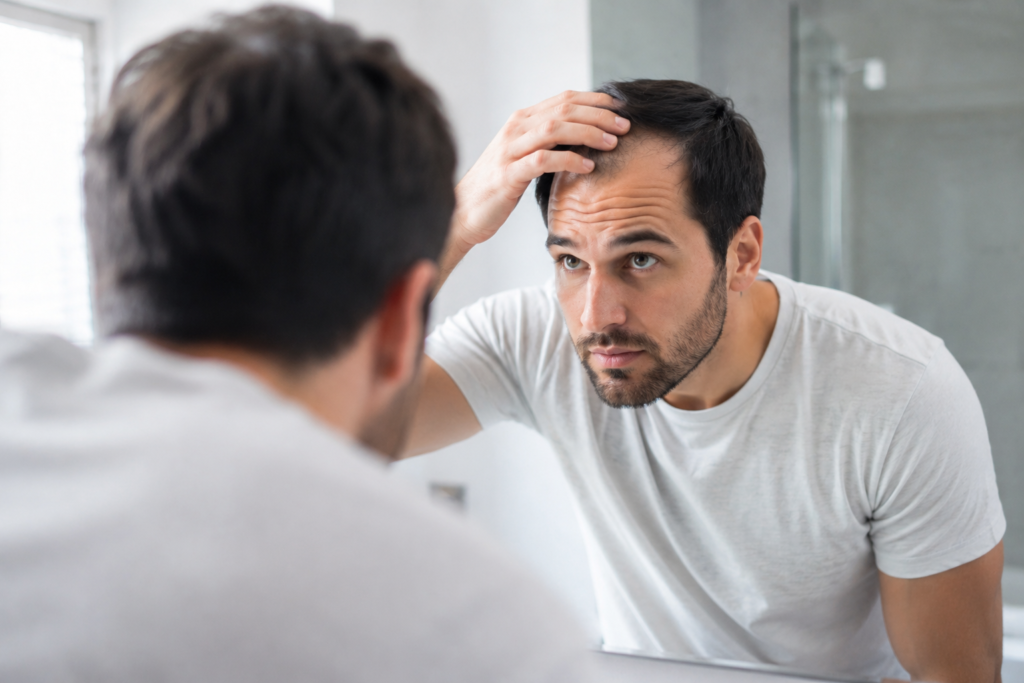
What Should an Anti-Hair Loss Shampoo Do?
A good hair-care shampoo should first and foremost clean the scalp without unnecessarily damaging the hair.
When hair is thinning or falling out, the strands can be more fragile and easier to damage. The American Academy of Dermatology recommends gentle hair care and notes that conditioner can help reduce breakage and split ends.
Some shampoos marketed for thinning hair are designed to help hair retain moisture, look fuller, or reduce breakage.
However, it’s important to understand the difference between improving the appearance and condition of existing hair and actually treating the underlying cause of hair loss.
A shampoo should therefore be viewed as part of a hair-care routine rather than a guaranteed solution for every type of hair loss.
What to Look for in a Hair Loss Shampoo for Men
Before choosing a product, consider several factors.
1. A Formula Designed for the Scalp
The scalp is where your hair follicles are located, so the way a shampoo interacts with the scalp matters.
A suitable shampoo should cleanse away excess oil, dirt, and product buildup without leaving the scalp unnecessarily dry or irritated.
The AAD recommends applying shampoo primarily to the scalp rather than aggressively rubbing the entire length of the hair.
2. Ingredients With a Clear Purpose
Don’t choose a shampoo simply because it says “anti-hair loss” on the bottle.
Look at the ingredient list and understand what the formula contains.
Different products can use ingredients such as caffeine, botanical extracts, proteins, conditioning agents, and other compounds intended to support hair and scalp care.
However, the presence of an ingredient doesn’t automatically prove that a product can regrow hair.
What matters is the complete formula and what the product is actually intended to do.
3. Gentle Hair Care
Thinning hair can be fragile.
Using excessive heat, aggressive brushing, or harsh styling techniques can contribute to additional damage and breakage.
Dermatologists recommend treating thinning hair gently and avoiding practices that unnecessarily stress the hair.
4. Realistic Expectations
This is probably the most important factor.
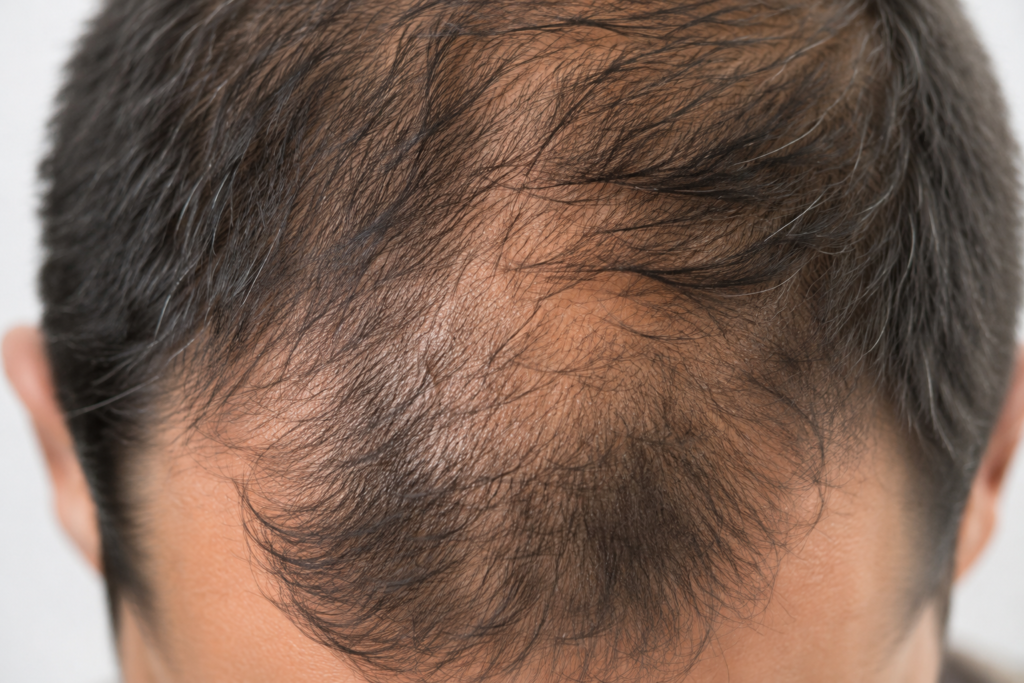
An anti-hair loss shampoo shouldn’t be viewed as a guaranteed cure for baldness.
The AAD explains that hair-loss shampoos may help hair look fuller or reduce breakage, but they cannot regrow hair or prevent hair loss from worsening.
If you’re experiencing progressive thinning, a dermatologist can help determine whether you’re dealing with hereditary hair loss or another condition.
Folicerin: An Anti-Hair Loss Shampoo Designed for Men
One product that may interest men looking for a specialized hair-care shampoo is Folicerin.
Folicerin is marketed as an anti-hair loss shampoo specifically formulated for men.
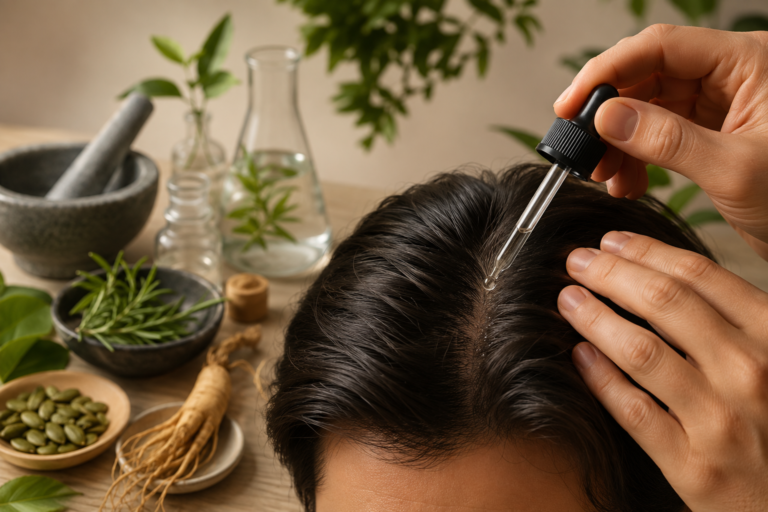
According to the product’s official information, its formula includes ingredients such as caffeine, aloe vera, licorice root extract, black pepper seed extract, ginseng, zinc gluconate, niacinamide, and biotin.
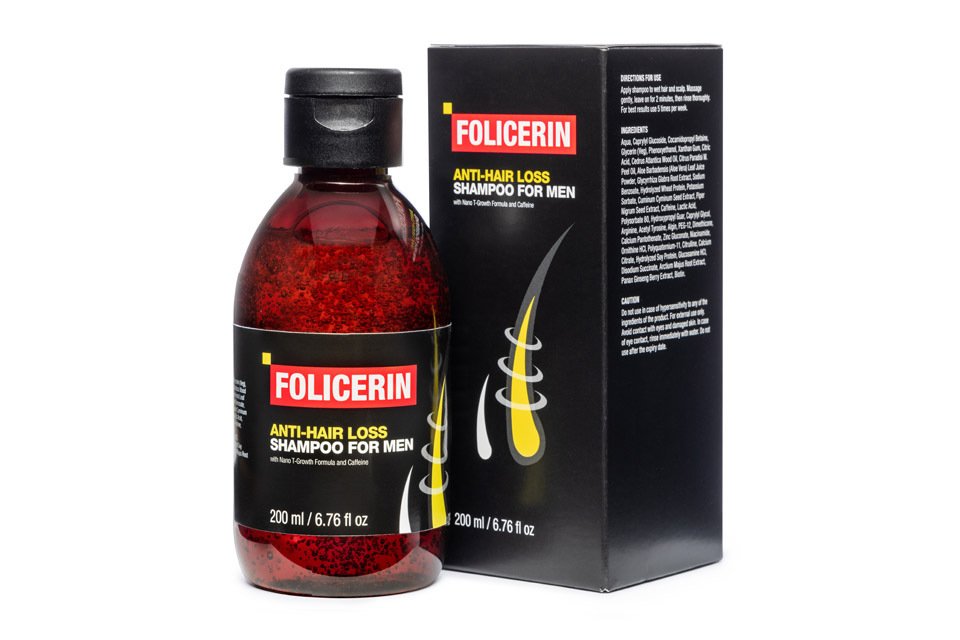
The manufacturer describes Folicerin as a shampoo intended to cleanse and condition the hair while supporting the scalp and hair roots.
If you want to check the product details, ingredients, directions, and current availability:
[Learn more about Folicerin for men here]
What Ingredients Are in Folicerin?
According to the product’s official ingredient list, Folicerin contains a combination of cleansing agents, conditioning ingredients, botanical extracts, caffeine, proteins, amino-acid-related ingredients, zinc gluconate, niacinamide, and biotin.
Some of the notable ingredients listed include:
- Caffeine
- Aloe vera
- Licorice root extract
- Black pepper seed extract
- Ginseng berry extract
- Zinc gluconate
- Niacinamide
- Biotin
- Hydrolyzed wheat protein
- Hydrolyzed soy protein
The important point is that an ingredient list tells you what is in the formula; it doesn’t by itself prove that the finished product will produce the same result for every person.
How Is Folicerin Used?
The manufacturer’s instructions say to apply Folicerin to wet hair and scalp, massage gently, leave it for around two minutes, and rinse thoroughly.
The official product information recommends using it five times per week for best results.
Always follow the instructions provided with the product you actually receive.
If you experience irritation or have known sensitivity to an ingredient, stop using the product and seek appropriate professional advice.
Who Might Consider Folicerin?
Folicerin may be worth considering for men who are looking for a shampoo specifically marketed toward thinning hair and want to add a specialized product to their regular hair-care routine.
It may be particularly relevant if you prefer a shampoo that combines cleansing and conditioning ingredients with several botanical and cosmetic ingredients.
However, it is important to keep your expectations realistic.
If your hair loss is progressing rapidly, appearing in patches, or accompanied by scalp symptoms, a shampoo shouldn’t replace professional evaluation.
Can Shampoo Stop Hair Loss?
This depends on what is causing the hair loss.
Hair loss has many possible causes, and shampoo cannot address every underlying condition.
The AAD recommends finding the cause of hair loss because treatment depends on the diagnosis.
For example, hereditary hair loss may require treatments specifically designed for that condition.
On the other hand, improving hair care can help reduce unnecessary damage and breakage.
That’s why an anti-hair loss shampoo is best considered as one part of a broader hair-care routine.
Can Folicerin Regrow Lost Hair?
It’s important to distinguish between a product’s marketing claims and established medical evidence.
Folicerin’s manufacturer markets the product as helping reduce hair loss and stimulate new hair growth.
However, shampoo should not be presented as a guaranteed way to regrow lost hair.
The AAD states that hair-loss shampoos can make hair look fuller or lessen breakage, but they cannot regrow hair or prevent hair loss from worsening.
If you’re experiencing significant or progressive hair loss, finding the underlying cause remains important.
How to Build a Better Hair-Care Routine
Using a specialized shampoo is only one part of taking care of thinning hair.
You can also:
- Wash your scalp according to how oily or dirty it becomes
- Avoid aggressive brushing
- Reduce excessive heat styling
- Use conditioner after washing
- Avoid very tight hairstyles
- Handle wet hair gently
- Avoid unnecessary chemical treatments
- Pay attention to changes in hair density
These simple habits can help reduce avoidable damage.
(دير الصورة هنا — premium lifestyle photograph of a man following a simple hair-care routine in a modern bathroom, gently massaging shampoo into his scalp, natural daylight, realistic hair texture, no visible product branding, no text)
When Should You See a Dermatologist?
An anti-hair loss shampoo may be useful as part of your routine, but there are situations where professional evaluation is more important.
Consider seeing a dermatologist if you notice:
- Rapidly increasing hair loss
- A receding hairline that is progressing
- A growing bald spot
- Sudden patches of hair loss
- Scalp pain or inflammation
- Severe itching or scaling
- Hair loss affecting your eyebrows or beard
- Persistent shedding that concerns you
The sooner the underlying cause is identified, the better your chances of choosing an appropriate treatment approach.
Frequently Asked Questions
What is the best anti-hair loss shampoo for men?
There isn’t one shampoo that is best for every man.
The right choice depends on your hair type, scalp condition, the ingredients you prefer, and the underlying cause of your hair loss.
Is Folicerin made for men?
Yes. Folicerin is marketed specifically as an anti-hair loss shampoo for men.
How often should Folicerin be used?
The manufacturer’s instructions recommend using it five times per week, applying it to wet hair and scalp, gently massaging, leaving it for around two minutes, and then rinsing.
Does Folicerin contain caffeine?
Yes. Caffeine is included in the ingredient list published by the manufacturer.
Can shampoo completely stop male pattern hair loss?
You should not expect shampoo alone to completely stop genetic hair loss.
Male pattern hair loss can have an underlying genetic cause and may require a treatment approach beyond ordinary hair care.
Is Folicerin suitable for daily use?
The manufacturer describes the formula as suitable for regular use and recommends using it five times per week.
Final Thoughts
Choosing an anti-hair loss shampoo for men should be based on more than an attractive label or a big promise.
Look at the formula, understand what the product is designed to do, and keep your expectations realistic.
Folicerin is one option marketed specifically for men and contains a combination of cleansing, conditioning, botanical, and cosmetic ingredients.
If you’re interested in trying a specialized shampoo for thinning hair, you can [learn more about Folicerin for men here].
Remember that persistent or progressive hair loss can have many causes. If you’re concerned about significant thinning or sudden hair loss, getting the cause evaluated is more important than relying on shampoo alone.