Hair Loss Treatment: 7 Powerful Ways to Fight Thinning Hair
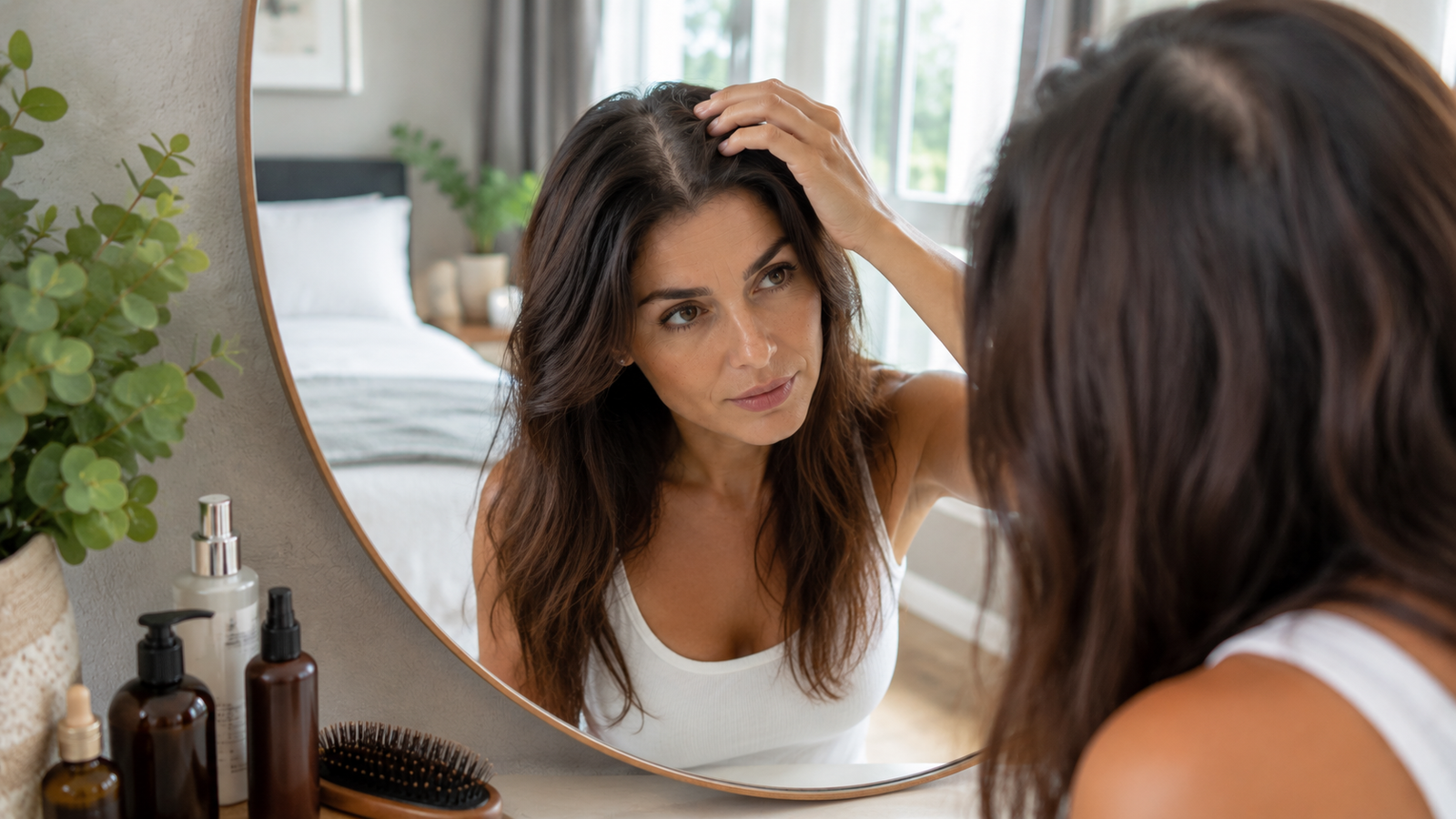
You notice it first under the bright halogen lights of your bathroom mirror. A subtle widen in your part, or a crown that looks slightly more sparse than it did last year. Then comes the morning routine ritual: checking the shower drain, inspecting your comb, and carefully arranging your hair in photos to hide the scalp showing through.
Losing hair is rarely just about aesthetics. For most men, it feels like losing a piece of youth, vital energy, and personal confidence.
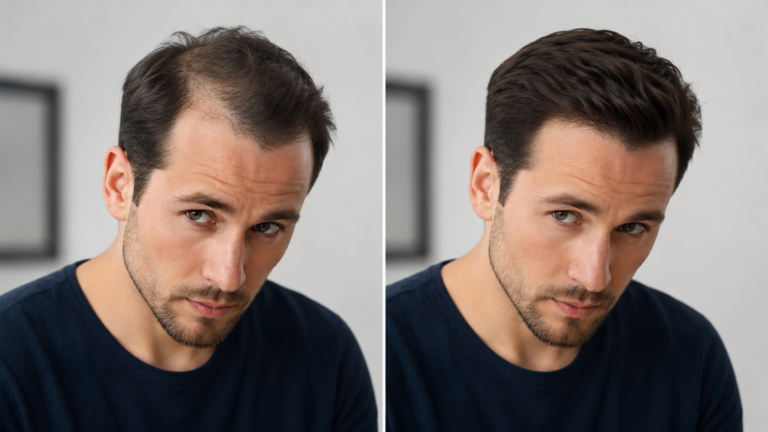
Consider Mark, a 34-year-old software engineer. Mark began avoiding harsh overhead lighting at work presentations. He started wearing hats to family gatherings and found himself constantly worrying whether friends were looking at his face or his receding hairline. He tried random supermarket shampoos that promised instant miracles, only to watch more hair rinse down the drain each morning.
Mark’s story is common. The uncertainty, frustration, and quiet anxiety of hair loss affect millions. But hair thinning does not have to be an inevitable destination. Modern dermatological science provides proven, practical pathways to protect the hair you have and support stronger regrowth.
Below is a breakdown of the 7 most reliable hair thinning treatment options available today, along with guidance on how to build a routine that works.
Table of Contents
- Understanding Hair Thinning: The Science Behind the Drain
- Option 1: Topical Minoxidil (Serum or Foam)
- Option 2: Oral DHT Blockers (Prescription Solutions)
- Option 3: Advanced Daily Anti-Hair Loss Shampoos
- Option 4: Low-Level Laser Therapy (LLLT)
- Option 5: Microneedling and Scalp Stimulation
- Option 6: Targeted Nutritional and Dietary Support
- Option 7: Platelet-Rich Plasma (PRP) Therapy
- What Happens If You Ignore Hair Thinning?
- Building Your Daily Hair Defense Strategy
- Frequently Asked Questions
- Medical Disclaimer
Understanding Hair Thinning: The Science Behind the Drain
Hair thinning in men is primarily driven by androgenetic alopecia, commonly known as male pattern baldness. This condition is caused by a sensitivity to Dihydrotestosterone (DHT), a byproduct of testosterone.
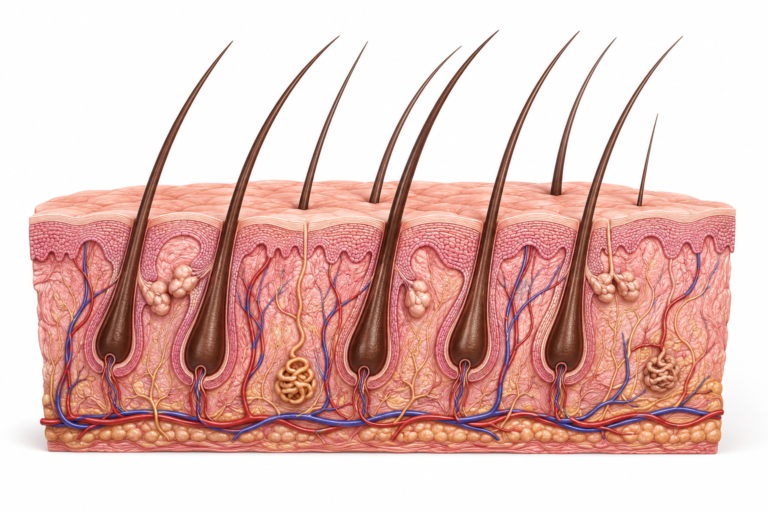
When DHT binds to receptors in susceptible hair follicles, it triggers a process called miniaturization.
Testosterone ---> (5-alpha reductase enzyme) ---> DHT
                                                  |
                                                  v
                                    Binds to Hair Follicles
                                                  |
                                                  v
                                  Miniaturization of Follicle
                                                  |
                                                  v
                                thin, Short, Fragile Strands
Over time, DHT shrinks the hair follicle, shortening the active growth phase (anagen phase) and lengthening the resting phase (telogen phase). The hair grows back progressively thinner, shorter, and weaker until the follicle eventually stops producing visible hair altogether.
| Stage | What Happens to the Follicle | Visible Result |
| Healthy | Deep root, robust microcirculation, long growth cycle | Thick, strong hair strands |
| Early Miniaturization | DHT constriction begins, reduced nutrient flow | Increased shedding, finer texture |
| Advanced Miniaturization | Follicle shrinks by over 50% | Scalp becomes visible under light |
| Dormancy | Follicle loses functional capacity | Smooth scalp, no visible growth |
Understanding this process highlights a critical truth: it is much easier to preserve an active follicle than to revive a dormant one.
(Understanding your personal pattern of shedding is the first step toward building an effective regimen; learn more about evaluating your hair density here.)
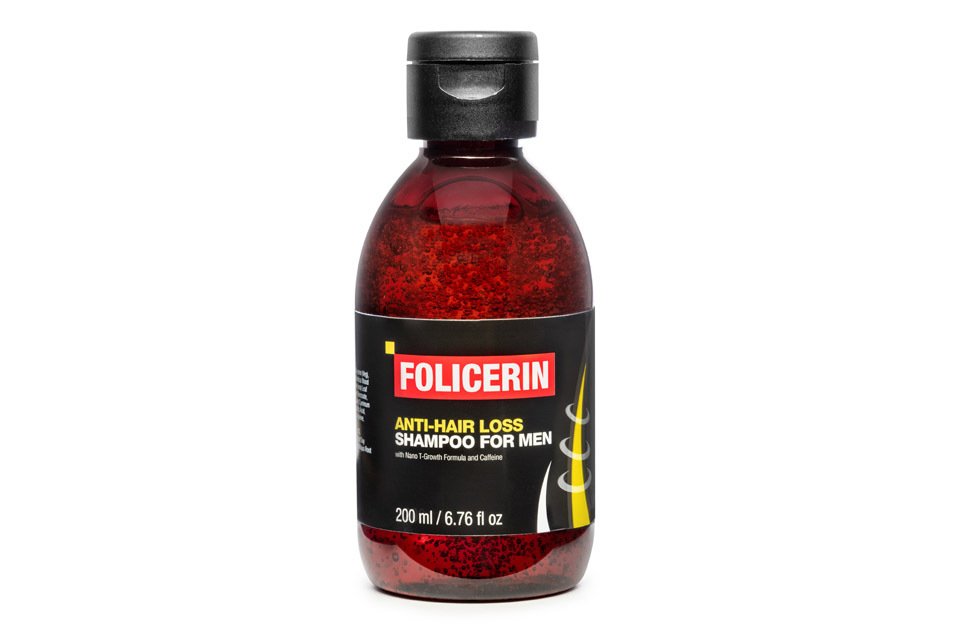
Option 1: Topical Minoxidil (Serum or Foam)
Topical Minoxidil remains a foundational over-the-counter option for male pattern baldness. Originally developed as an oral blood pressure medication, researchers noticed an unexpected side effect: hypertrichosis, or excess hair growth.
Minoxidil acts as a potater-channel opener and vasodilator. When applied directly to the scalp, it widens blood vessels, increasing the flow of oxygen, blood, and vital nutrients directly to struggling hair follicles.
- Primary Benefit: Lengthens the anagen (growth) phase and enlarges miniaturized follicles.
- Best Used For: Thinning at the crown (vertex) and mid-scalp.
- Key Limitation: Requires indefinite daily application. Discontinuing treatment will cause newly gained hair to shed within 3 to 4 months.
Instead of waiting for hair loss to progress, incorporating targeted scalp care early helps establish an optimal environment for growth.
Option 2: Oral DHT Blockers (Prescription Solutions)
While Minoxidil stimulates growth from the outside, oral prescription treatments like Finasteride address hair loss from within. Finasteride inhibits the type II 5-alpha reductase enzyme, the primary enzyme responsible for converting testosterone into destructive DHT.
Clinical studies show that daily use of Finasteride can reduce serum DHT levels by up to 70%. By lowering internal DHT levels, follicles are protected from progressive miniaturization.
- Primary Benefit: Addresses the root hormonal cause of male pattern hair loss.
- Best Used For: Men experiencing active, progressive thinning who want to stop further loss.
- Key Limitation: Available by prescription only; potential side effects require medical supervision and discussion with a physician.
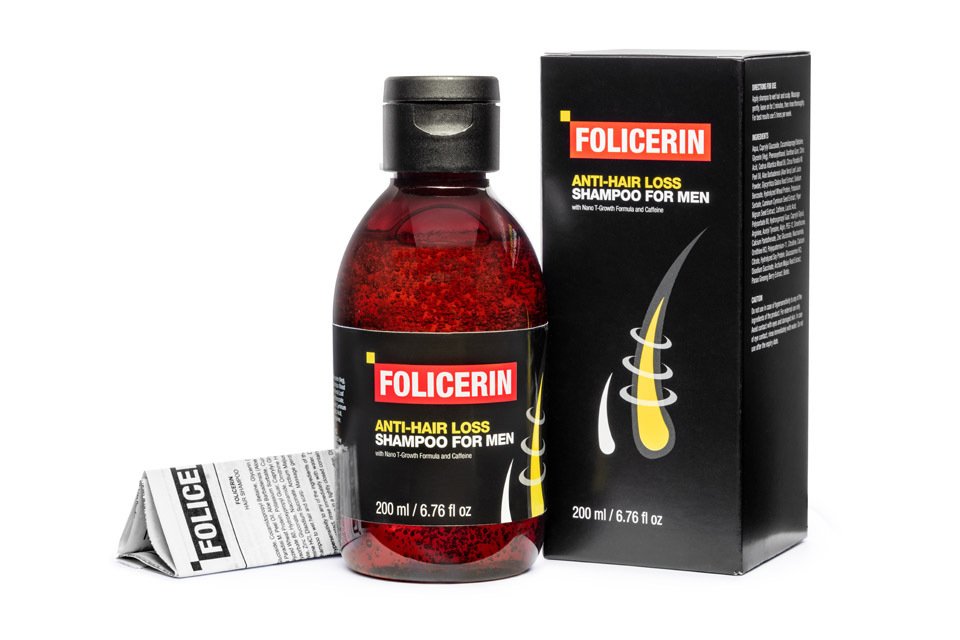
Option 3: Advanced Daily Anti-Hair Loss Shampoos
Many traditional shampoos contain harsh sulfates and parabens that strip the scalp of natural oils, leading to inflammation and scalp strain. When hair is already thinning, a harsh cleansing product can weaken the delicate structural integrity of existing strands.
Modern anti-hair loss shampoos approach scalp care differently. They combine gentle cleansing agents with active compounds designed to improve microcirculation, remove excess sebum (which traps DHT on the scalp), and fortify the hair shaft directly during washing.
Instead of using basic supermarket soap that strips your hair, choose specialized formulations engineered to support scalp health.
The Role of Delivery Systems in Scalp Care
A common limitation of standard topical shampoos is that active ingredients are washed down the drain before they can deeply penetrate the scalp. Advanced formulations now utilize innovative delivery systems, such as biopolymer particles.
These microscopic particles (often exceeding 200 nanometers in diameter) encapsulate sensitive active substances. This encapsulation stabilizes the ingredients and prolongs their contact time with the scalp, ensuring that nourishing nutrients remain active even after rinsing.
- Microcirculation Support: Enhances localized blood flow to deliver nutrients to hair roots.
- Strengthening Action: Conditions existing strands to reduce breakage and enhance perceived density.
- Daily Usability: Gentle formulas nourish the scalp environment without causing irritation or dryness.
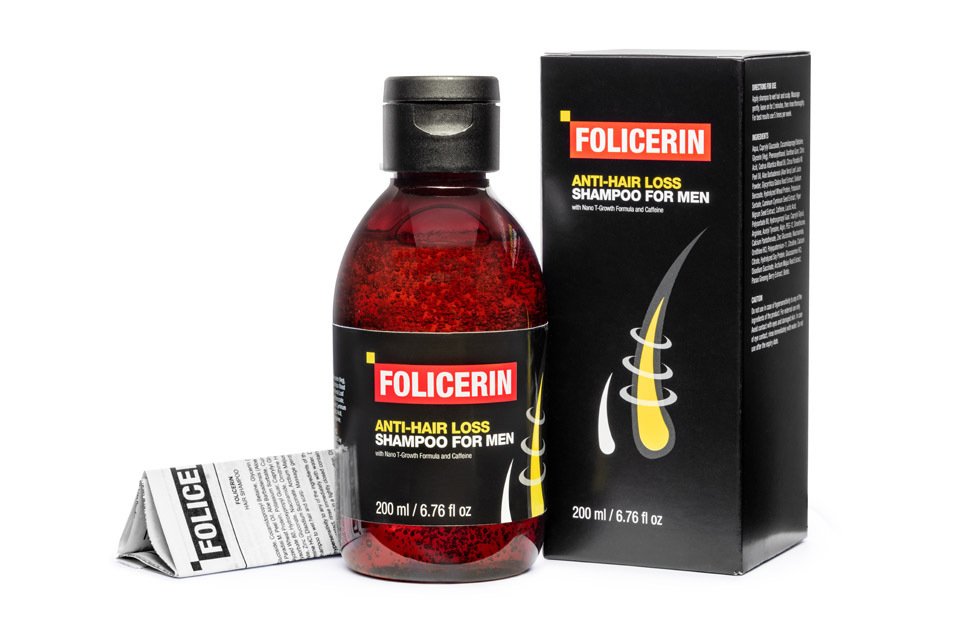
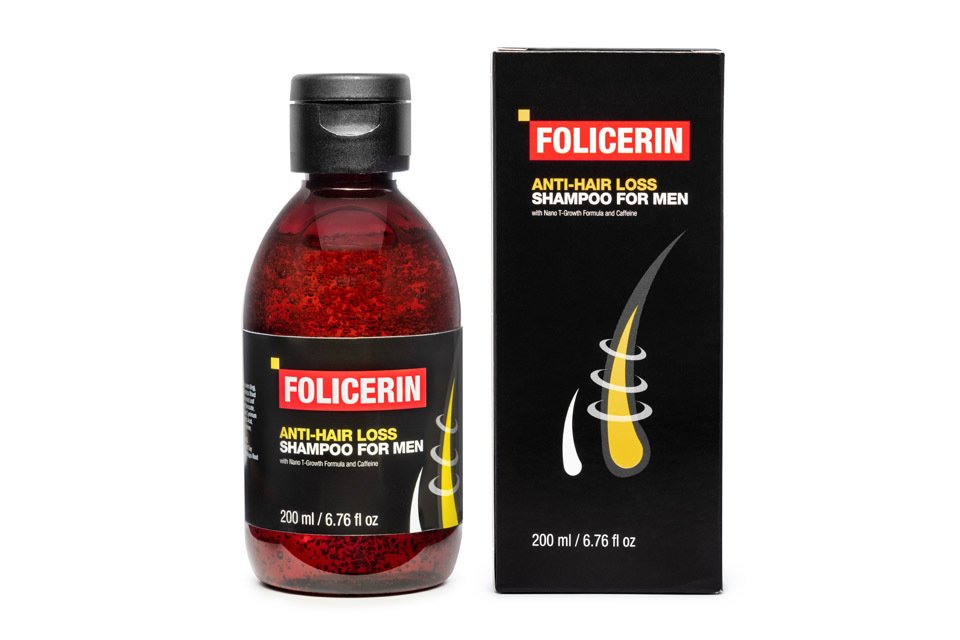
(If you want a simple daily routine designed to clean, strengthen, and support thinner-looking hair, Folicerin is one option worth exploring.)
Option 4: Low-Level Laser Therapy (LLLT)
Low-Level Laser Therapy uses red light devices (caps, helmets, or combs) emitting coherent light at wavelengths between 630–670 nanometers.
This specialized light penetrates the epidermis to reach the mitochondria within hair follicle cells. Through a process called photobiomodulation, the light energy stimulates cellular respiration and increases Adenosine Triphosphate (ATP) production. Higher cellular energy levels allow struggling follicles to repair themselves and resume active hair production.
Red Light Wavelength (630–670 nm)
           │
           ▼
Penetrates Scalp Epidermis
           │
           ▼
Absorbed by Mitochondria in Follicle Cells
           │
           ▼
Increases ATP (Cellular Energy) Production
           │
           ▼
Stimulates Inactive Follicles into Anagen Phase
- Primary Benefit: Non-invasive, drug-free treatment with no chemical side effects.
- Best Used For: Men looking for an adjunctive home treatment to complement topical serums or specialized shampoos.
- Key Limitation: Quality medical-grade devices require a higher initial investment and consistent use 3–4 times per week.
Option 5: Microneedling and Scalp Stimulation
Microneedling involves using a handheld roller or automated pen equipped with fine medical-grade needles (typically 1.0mm to 1.5mm in length) to create controlled micro-injuries on the scalp surface.
This process activates two distinct mechanisms:
- Wound Healing Response: The body releases growth factors (such as PDGF and VEGF) that promote tissue regeneration and new blood vessel formation (angiogenesis) around hair roots.
- Enhanced Product Absorption: Micro-channels temporarily created in the stratum corneum allow topical treatments, serums, and active shampoo ingredients to penetrate deeper into the scalp.
Combining physical scalp stimulation with topical care maximizes the overall benefit to your hair density.
(Explore our detailed guide on safe microneedling protocols for hair density at home.)
Option 6: Targeted Nutritional and Dietary Support
Hair follicles are among the most metabolically active structures in the human body. However, because hair is non-essential for survival, your body prioritizes nutrient delivery to vital organs first. If your diet lacks critical micronutrients, your hair follicles are the first to suffer.
Key nutrients essential for structural hair integrity include:
- Biotin (Vitamin B7): Essential for keratin production, the primary protein forming hair strands.
- Zinc: Regulates hormone levels, supports protein synthesis, and maintains oil gland function around follicles.
- Saw Palmetto: A botanical extract shown in preliminary studies to naturally inhibit 5-alpha reductase activity on the scalp.
- Iron and Ferritin: Required for oxygen transport to cellular tissue; low levels correlate directly with telogen effluvium (rapid shedding).
Instead of relying solely on general multivitamins, choose targeted dietary strategies that supply the specific building blocks your hair needs.
Complementing internal nutrition with external scalp conditioning creates a complete dual-action defense against thinning.
(Starting a consistent daily hair care routine early helps maintain healthier-looking hair; many readers begin with Folicerin to support their daily wash routine.)
Option 7: Platelet-Rich Plasma (PRP) Therapy
For those seeking clinical interventions beyond topical and oral home remedies, Platelet-Rich Plasma (PRP) therapy offers a medical-procedural approach.
During a PRP session, a clinician draws a small sample of your blood and spins it in a centrifuge to isolate the plasma enriched with concentrated platelets. This platelet-rich layer is then injected directly into regions of the scalp experiencing thinning.
- Primary Benefit: Delivers high concentrations of autologous growth factors directly to dormant follicles.
- Best Used For: Early-to-moderate pattern baldness responsive to biological stimulation.
- Key Limitation: Requires multiple in-clinic treatments per year and can be costly.
What Happens If You Ignore Hair Thinning?
Hair loss is a progressive condition. When hair follicles undergo miniaturization caused by DHT exposure and poor scalp microcirculation, they do not remain static.
Early Thinning (Active Follicle)
           │
           ▼  (Delaying action over 12–24 months)
Advanced Miniaturization (Weakened Follicle)
           │
           ▼  (Prolonged inactivity)
Fibrosis / Dormancy (Permanent Hair Loss)
- Year 1: Hair strand diameter shrinks. Hair density decreases, though follicles remain active and recoverable.
- Years 2–3: The active growth phase shortens significantly. Hair shedding accelerates, and the scalp becomes visible under direct light.
- Years 4+: Unaddressed miniaturization leads to follicle fibrosis—a state where the follicle closes up and loses its capacity to sprout new growth.
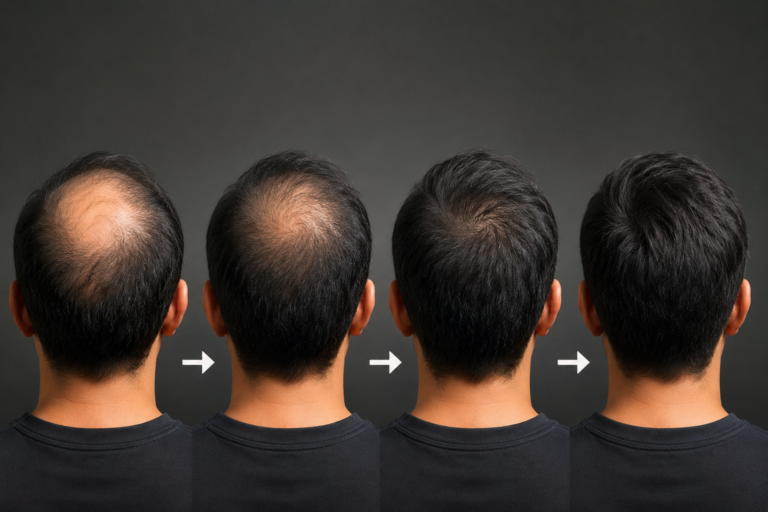
Delaying action narrows your treatment choices. Taking proactive steps today allows you to preserve existing density using straightforward daily habits rather than relying on invasive clinical procedures later.
(Many men choose Folicerin because it combines daily cleansing with ingredients designed to support stronger-looking hair without adding complex steps to their morning routine.)
Building Your Daily Hair Defense Strategy
Overcoming hair thinning does not require an overwhelming 10-step daily regimen. The most successful approach combines consistency, proper nutrition, and targeted external scalp support.
Step 1: Cleanse and Prep the Scalp Daily
Replace harsh commercial soaps with a specialized formula engineered for men’s hair thinning. A proper shampoo cleanses excess sebum and DHT buildup while delivering stabilizing active nutrients directly to the roots.
Modern choices like Folicerin incorporate biopolymer particle delivery technology to protect key active ingredients during application, ensuring gentle everyday cleansing that supports thicker-looking hair.
Step 2: Stimulate Microcirculation
Dedicate 2 minutes during your daily shower to gently massage your scalp using your fingertips. This simple habit encourages localized blood flow, aiding nutrient delivery to active roots.
Step 3: Fuel Growth From Within
Maintain a balanced diet rich in clean proteins, zinc, and essential micronutrients to support structural keratin synthesis.
Step 4: Consistency Over Intensity
Hair growth cycles operate on 90-to-180-day timeframes. Commit to your routine for at least 3 to 6 months before evaluating structural improvements in hair appearance and reduction in daily shedding.
Instead of waiting for thinning to become more noticeable, taking charge of your scalp health today puts you back in control of your appearance and confidence.
Frequently Asked Questions
1. Can hair loss from thinning actually regrow?
Yes, hair loss caused by early-stage miniaturization can often be managed and reversed if the hair follicle remains active. Treatments that increase microcirculation and block DHT help restore hair strand thickness and density over time.
2. How long does it take to see results from hair thinning treatments?
Because the hair growth cycle spans several months, most treatments require 3 to 6 months of consistent daily use before visible improvements in density, reduced shedding, or regrowth become noticeable.
3. Is daily washing harmful for thinning hair?
Washing daily is not harmful if you use a gentle, sulfate-free anti-hair loss shampoo designed for regular use. Removing daily sebum, sweat, and surface DHT build-up is essential for maintaining a clean, healthy scalp environment.
4. What is the difference between Minoxidil and anti-hair loss shampoos?
Minoxidil is an over-the-counter topical vasodilation drug applied to treat specific bald spots. Anti-hair loss shampoos focus on overall scalp hygiene, conditioning, reducing excess breakage, and delivering nourishing ingredients across the entire scalp during daily washing.
5. Why are biopolymer particles used in modern hair shampoos?
Biopolymer particles encapsulate and protect active ingredients, stabilizing sensitive compounds so they maintain higher efficacy upon contact with the scalp rather than washing away immediately.
6. Does stress contribute directly to male hair thinning?
Yes. Acute or prolonged physiological stress can trigger telogen effluvium, forcing a higher percentage of active hair follicles prematurely into the shedding phase.