How to Reduce Hair Shedding: 8 Simple Tips That Work

You look down at the shower drain, and there it is again—a clump of hair that should still be on your head. You sweep your fingers through your hair while styling, only to pull away several loose strands. You check the bathroom mirror, leaning closer to inspect your hairline or crown, wondering if it looks sparser than it did six months ago.
That quiet pang of anxiety is instantly recognizable. Hair loss is rarely just about aesthetics; it touches your confidence, your self-image, and how you present yourself to the world. Seeing excessive shedding can make you feel older than your years, cause hesitation in family photos, and leave you feeling frustrated after spending time and money on treatments that failed to deliver visible results.
The truth is that shedding between 50 to 100 strands a day is completely normal as part of the natural hair growth cycle. However, when shedding accelerates beyond that baseline, your hair follicles are signaling an imbalance. Environmental stress, nutritional gaps, scalp microcirculation bottlenecks, and harsh topical routines often push healthy follicles into the telogen (shedding) phase prematurely.
The encouraging news is that excess shedding is often manageable when addressed early. By shifting from reactive panic to a structured daily care strategy, you can help support your scalp, nourish your follicles, and maintain stronger, fuller-looking hair.
Table of Contents
- Understanding the Causes of Hair Shedding
- What Happens If You Ignore Early Hair Thinning?
- 8 Practical Tips to Reduce Hair Shedding
- Optimize Your Nutritional Intake
- Optimize Scalp Microcirculation
- Upgrade to an Advanced Active Shampoo
- Minimize Heat and Chemical Stress
- Manage Cortisol and Systemic Stress
- Switch to Gentle Scalp Cleansing Techniques
- Maintain Consistent Sleep Hygiene
- Protect Your Scalp from Environmental Factors
- Comparing Approaches: Basic Care vs. Targeted Hair Routines
- Taking Action: Protecting Your Hair Density Today
- Frequently Asked Questions (FAQ)
- Recommended External Resources
- Medical Disclaimer
Understanding the Causes of Hair Shedding
Before implementing solutions, it helps to identify why hair shedding accelerates. Hair grows in three distinct phases: Anagen (growth phase), Catagen (transition phase), and Telogen (resting/shedding phase). Under normal conditions, about 85% to 90% of your hair remains in the active growth phase at any given time.
When systemic stressors or external factors interrupt this cycle, a larger percentage of hair follicles enter the resting phase prematurely. This condition, known as telogen effluvium, usually causes diffuse shedding across the entire scalp rather than isolated patches.
+-----------------------------------------------------------------------+
|                       HAIR GROWTH CYCLE STAGES                        |
+-----------------------------------------------------------------------+
|  ANAGEN (Growth)     -->  CATAGEN (Transition) -->  TELOGEN (Shedding) |
|  85-90% Active Hair       1-2% Regression Phase     10-15% Normal Loss|
+-----------------------------------------------------------------------+
                                  |
                                  v
              [ Triggered by Stress, Deficiency, or Scalp Strain ]
                                  |
                                  v
              EXCESS SHEDDING (Telogen Effluvium Shift)
Common drivers of accelerated shedding include:
- Nutritional Shortages: Low levels of essential micronutrients, particularly iron, zinc, vitamin D, and protein, deprive the hair matrix of fundamental building blocks.
- Hormonal Shifts: Fluctuations in dihydrotestosterone (DHT) bind to sensitive hair follicles, causing them to miniaturize over time.
- Poor Scalp Microcirculation: Restricted blood flow in the scalp tissue reduces oxygen and nutrient delivery to the hair bulb.
- Topical Micro-Inflammation: Accumulation of excess sebum, buildup, and harsh sulfated cleansers can irritate scalp tissue, destabilizing hair roots.
Recognizing these factors allows you to target the root cause rather than relying on superficial cover-ups.
What Happens If You Ignore Early Hair Thinning?
It is tempting to push off hair care concerns, assuming the shedding will stop on its own. However, hair follicle miniaturization is a progressive process. When follicles are continually exposed to stress, systemic inflammation, or hormonal friction without support, they shrink gradually over successive growth cycles.
In the early stages, a miniaturized follicle produces thinner, weaker strands. Over time, if left unaddressed, the follicle’s operational lifespan shortens significantly, making visible restoration much more difficult.
- Early Stage: Increased daily shedding, slight loss of overall hair volume, and a wider-looking part or hairline.
- Intermediate Stage: Noticeable scalp visibility under bright light, finer hair texture, and slower growth rates.
- Advanced Stage: Prolonged dormancy of hair follicles, where strands become extremely fine or stop growing altogether.
Taking action when you first notice unusual shedding gives you access to a broader range of practical, non-invasive maintenance strategies. Protecting the hair density you currently have is always easier than attempting to restore lost coverage later.
8 Practical Tips to Reduce Hair Shedding
Implementing structured daily habits helps create an optimal environment for healthy hair retention. Here are eight research-backed strategies designed to support stronger-looking hair.
1. Optimize Your Nutritional Intake
Your hair follicles are among the most metabolically active structures in your body, yet hair tissue is non-essential for survival. When dietary intake falls short, your body prioritizes vital organs, redirecting nutrients away from your hair.
To build stronger strands from within:
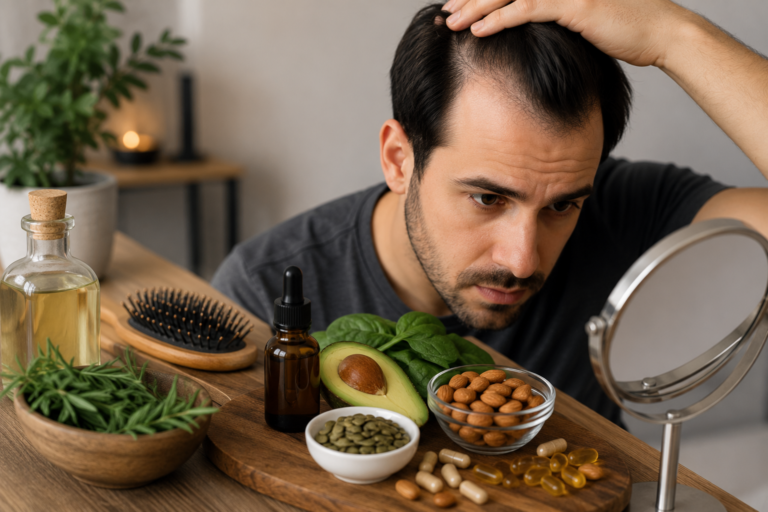
- Protein: Ensure adequate daily protein intake. Hair structure consists primarily of keratin, a fibrous protein. Focus on lean meats, eggs, legumes, and fish.
- Iron & Ferritin: Low iron stores limit oxygen delivery to cellular structures in the hair bulb.
- Zinc & Selenium: These trace minerals support cellular repair mechanisms and regulate scalp oil production.
2. Optimize Scalp Microcirculation
Hair follicles rely entirely on tiny capillaries running through the dermal layer of the scalp for nutrients and oxygen. Reduced circulation starves the hair root, accelerating the transition into the shedding phase.
- Practice regular scalp massage using light, circular pressure for 3 to 5 minutes daily.
- Use active topical formulations designed to stimulate microcirculation directly at the skin surface.
Enhancing microcirculation helps transport key nutrients directly to active follicles while sweeping away metabolic waste products.
(Many men incorporate specialized scalp shampoos like Folicerin to support microcirculation while thoroughly cleansing the hair.)
3. Upgrade to an Advanced Active Shampoo
Standard commercial shampoos rely heavily on aggressive detergents that strip away necessary lipid barriers, leaving the scalp irritated and dried out. Upgrading to a targeted, multi-action shampoo helps clean the scalp while delivering active ingredients to the hair roots.
Instead of basic washing, choose formulas that offer:
- Gentle Cleansing Action: Removes excess sebum and DHT-laden buildup without stripping moisture.
- Targeted Active Delivery: Modern formulas utilize biopolymer particles (structures over 200 nm in diameter) that stabilize delicate active compounds, helping them adhere to and nourish the scalp effectively.
- Scalp Conditioning: Balances the scalp microenvironment to reduce localized inflammation.
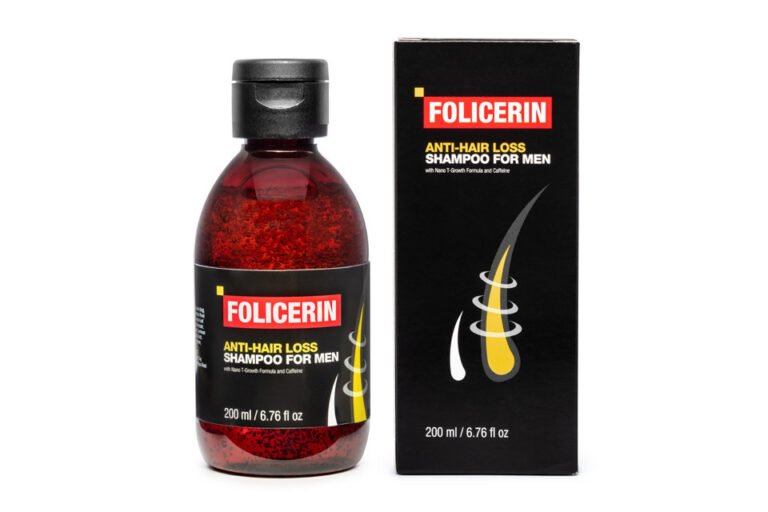
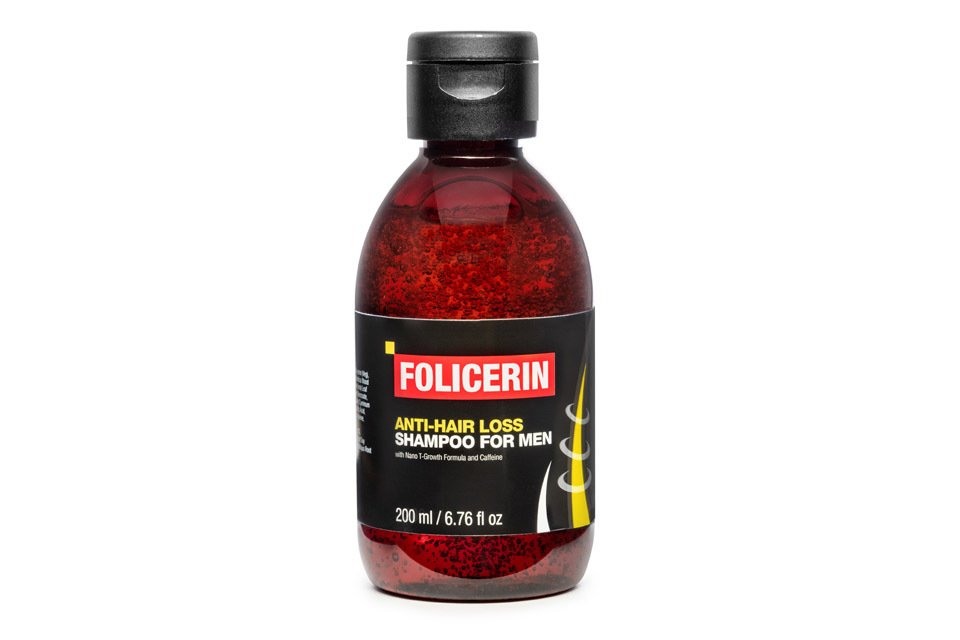
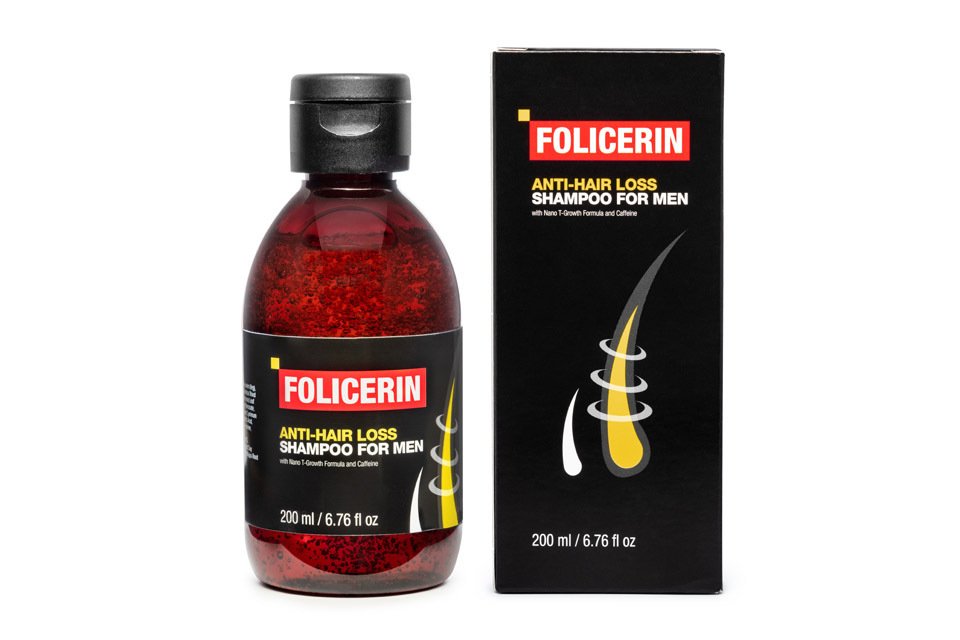
For men seeking an innovative solution, Folicerin offers a modern anti-hair loss shampoo designed specifically for daily use. Its formula strengthens existing strands, helps reduce shedding, improves scalp microcirculation, and thoroughly conditions without harsh irritation.
+-----------------------------------------------------------------------+
|                    TRADITIONAL VS. MODERN SHAMPOO                      |
+-----------------------------------------------------------------------+
|  TRADITIONAL SHAMPOO            |  ADVANCED ACTIVE FORMULA (Folicerin)  |
+---------------------------------+-------------------------------------+
|  Harsh sulfates strip lipid layers| Gentle, biopolymer delivery (200nm) |
|  Cleans surfaces only           | Supports scalp microcirculation     |
|  Dries out scalp skin           | Cleanses while conditioning strands |
|  Cosmetic volume illusion       | Strengthens existing hair structure |
+---------------------------------+-------------------------------------+
(If you want a simple daily routine tailored for thinning hair, Folicerin is one option worth exploring.)
4. Minimize Heat and Chemical Stress
Excessive thermal styling and aggressive chemical processing break down the disulfide bonds inside the hair shaft, leading to breakage that compounds visible thinning.
- Keep hair dryer heat settings on warm or cool rather than hot.
- Avoid tight hairstyles that exert constant traction force on the hair root (traction alopecia).
- Towel-dry hair gently by patting rather than rubbing vigorously with rough fabrics.
Reducing physical strain protects fragile hair shafts from snapping prematurely.
5. Manage Cortisol and Systemic Stress
High physical or emotional stress triggers the release of cortisol, a hormone that can destabilize hair growth cycles and prematurely push active follicles into the telogen resting phase.
Chronological Stress Loop:
High Cortisol Levels --> Scalp Vessel Constriction --> Premature Telogen Entry --> Increased Shedding
To counter stress-induced shedding:
- Integrate short daily breathing practices or light exercise.
- Maintain consistent sleep schedules to support systemic cellular recovery.
- Pair stress reduction with direct scalp care to protect vulnerable follicles.
6. Switch to Gentle Scalp Cleansing Techniques
How you wash your hair matters as much as what you wash it with. Rough scrub movements can dislodge weak strands that might otherwise remain anchored through their full cycle.
- Apply shampoo directly to the scalp area using the pads of your fingers, not your nails.
- Work the product in using gentle circular motions to encourage circulation.
- Allow active shampoo formulations to sit on the scalp for 2 to 3 minutes before rinsing thoroughly with tepid water.
7. Maintain Consistent Sleep Hygiene
Cellular repair, protein synthesis, and hormone balancing peak during deep sleep cycles. Depriving your body of rest increases systemic inflammation, which directly affects follicle health.
- Target 7 to 8 hours of uninterrupted sleep every night.
- Keep bedroom environments cool, dark, and quiet to extend deep sleep duration.
- Avoid bright screens for at least 30 minutes before bed to allow natural melatonin production.
Consistent rest ensures your body has the restorative bandwidth needed to support healthy hair production.
(Pairing sound sleep habits with dedicated hair care products creates an optimal environment for hair retention.)
8. Protect Your Scalp from Environmental Factors
Ultraviolet radiation and severe air pollution cause oxidative stress on scalp skin, weakening the structural lipid matrix surrounding hair roots.
- Wear lightweight, breathable hats during extended exposure to direct sunlight.
- Wash your scalp regularly after exposure to heavy urban environments or sweat-inducing activities.
- Use scalp-friendly formulations that reinforce the skin barrier against daily environmental stressors.
(For men exposed to daily environmental stressors, Folicerin provides an easy way to clean and condition the scalp daily.)
Comparing Approaches: Basic Care vs. Targeted Hair Routines
To make informed choices about your hair health, it helps to weigh common options against one another:
| Approach | Primary Focus | Best Suited For | Key Limitation |
| Dietary Changes Alone | Internal nutrition & biological building blocks | Mild deficiencies or systemic nutritional gaps | Does not address localized topical buildup or scalp microcirculation |
| Standard Hair Care | Basic surface cleansing | General hygiene | Often contains harsh sulfates; lacks targeted ingredients |
| Targeted Anti-Shedding Routine | Scalp microcirculation, gentle cleansing & strand reinforcement | Men experiencing early-to-moderate hair thinning or excess shedding | Requires consistent daily application to maintain benefits |
Instead of relying on a single method, combining healthy lifestyle habits with a modern, target-driven shampoo like Folicerin provides a complete approach to everyday hair support.
(Many men choose Folicerin because it combines daily cleansing with modern ingredient technology designed to support stronger-looking hair.)
Taking Action: Protecting Your Hair Density Today
Consider Mark, a 34-year-old professional who noticed his hair looking sparser every morning while combing. Feeling frustrated, he initially tried random commercial products that left his scalp dry and irritated.
Once he switched to a deliberate approach—combining daily nutritional tweaks, light scalp massage, and replacing harsh shampoos with a dedicated active formula—he began to see a difference. Over time, his scalp felt healthier, shedding normalized, and his hair retained a thicker, fuller appearance.
       MARK'S TRANSFORMATION ROADMAP

[ Unfocused Phase ]              [ Structured Routine ]
- Random harsh shampoos          - Targeted nutritional support
- Aggressive towel drying   -->  - Gentle washing techniques
- High daily stress              - Daily microcirculation care
                                 - Active daily shampoo (Folicerin)
                                          |
                                          v
                              [ Visible Consistency ]
                              - Normalized shedding rates
                              - Stronger-feeling strands
                              - Restored everyday confidence
Hair maintenance is a continuous commitment, not an overnight fix. Delaying action allows ongoing miniaturization to continue unhindered. By taking control of your daily routine today, you give your hair the best opportunity to remain resilient, thick, and healthy-looking over the long term.
(Taking the first step today helps protect your hair density for tomorrow. Explore how Folicerin fits into your daily care routine.)
Frequently Asked Questions (FAQ)
How much hair shedding is considered normal each day?
Losing between 50 and 100 strands per day is generally considered normal as old hair falls out to make room for new growth. If you observe significantly higher loss over several consecutive weeks, your hair may be experiencing accelerated shedding.
Can changing my shampoo help with hair shedding?
Yes. Switching from harsh, sulfate-laden shampoos to active formulas designed for scalp microcirculation and strand support helps clear follicle-clogging buildup without causing dryness or scalp irritation.
How long does it take to see improvements in hair shedding?
Because the hair growth cycle operates over multi-month phases, visible improvements in strand appearance and shedding normalization typically require 60 to 90 days of consistent care.
Is daily hair washing harmful for thinning hair?
Washing daily is not harmful as long as you use a gentle, sulfate-free active shampoo designed for frequent use. Keeping the scalp clean removes excess DHT and environmental buildup that can stress hair roots.
What ingredients should I look for in an anti-hair loss shampoo?
Look for products containing gentle cleansers, scalp conditioning agents, microcirculation supporters, and modern delivery systems (like biopolymer stabilization) that allow active ingredients to remain effective on the scalp.
Can stress cause permanent hair loss?
Stress-induced shedding (telogen effluvium) is typically temporary. However, prolonged chronic stress can accelerate underlying genetic hair thinning if left unaddressed alongside poor scalp care.
Recommended External Resources
- American Academy of Dermatology (AAD): For evidence-based clinical guidance on hair shedding versus hair loss.
- National Institutes of Health (NIH): Research data regarding hair follicle biology and nutrient roles in hair growth.
- Mayo Clinic: Patient resources on managing stress, diet, and scalp care practices.