Why Is My Hair Losing So Much? Causes, Symptoms & Science-Backed Solutions
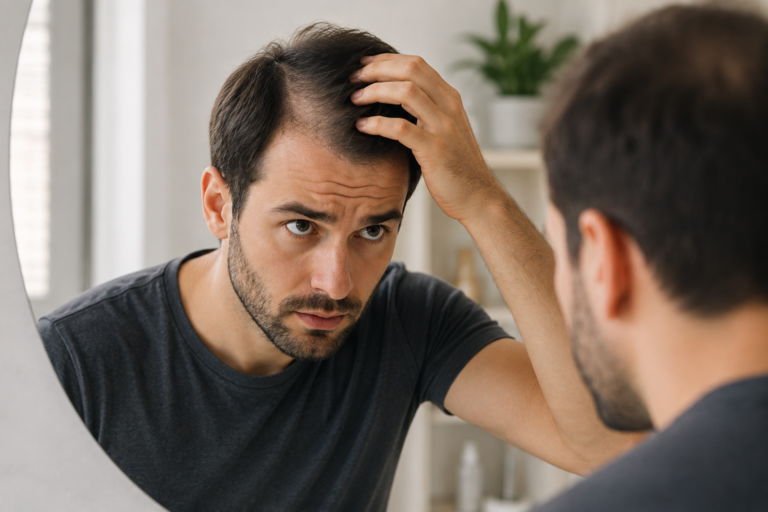
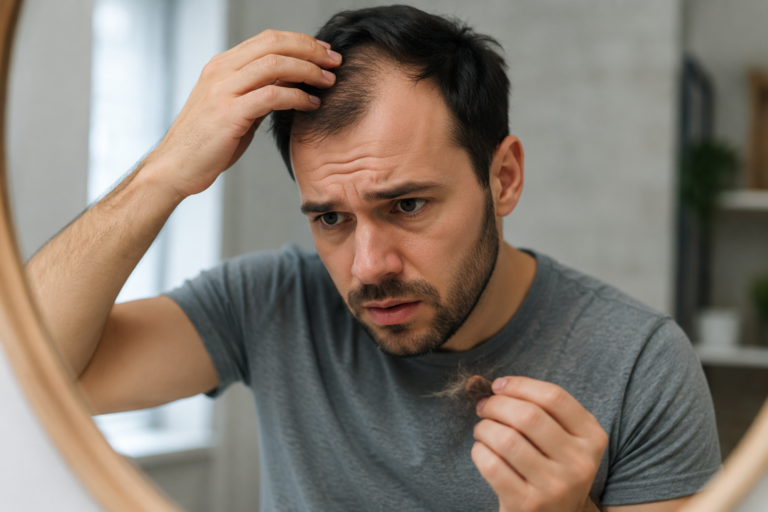
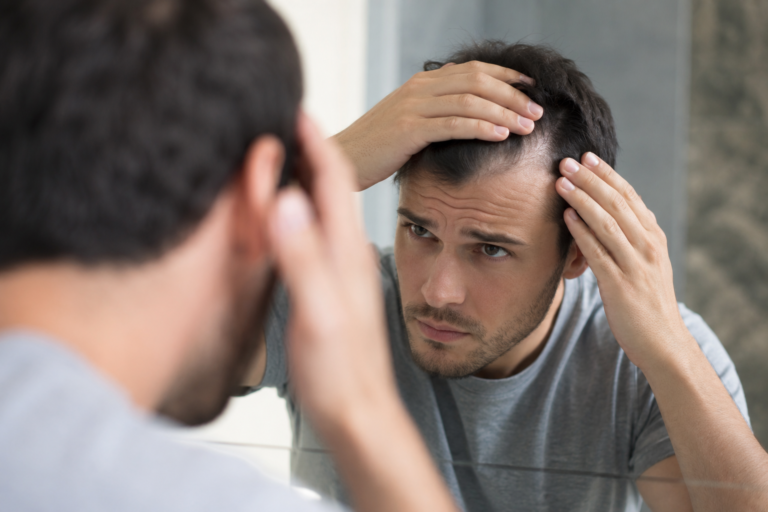
Finding a clump of hair in the shower drain causes immediate panic. You look in the bathroom mirror and wonder: why is my hair losing so much volume so fast?
Excessive hair shedding takes an emotional toll. It changes how you view your appearance, dampens self-esteem, and adds stress to daily dating or professional interactions. However, noticing extra strands in your brush does not mean you are going bald overnight. Most forms of hair thinning stem from treatable internal or external triggers.
Understanding the root cause allows you to take control, restore scalp microcirculation, and reactivate dormant follicles.
AI Overview: Quick Summary
Hair shedding often stems from genetics, hormonal shifts, nutritional deficiencies, severe physical stress, or poor scalp hygiene. Humans naturally shed 50 to 100 hairs per day. Shedding significantly more signals telogen effluvium, androgenetic alopecia, or an underlying systemic trigger. Most cases improve once you target the root cause using scientifically formulated topical treatments, key dietary adjustments, and proven medical remedies.
What is Hair Loss?
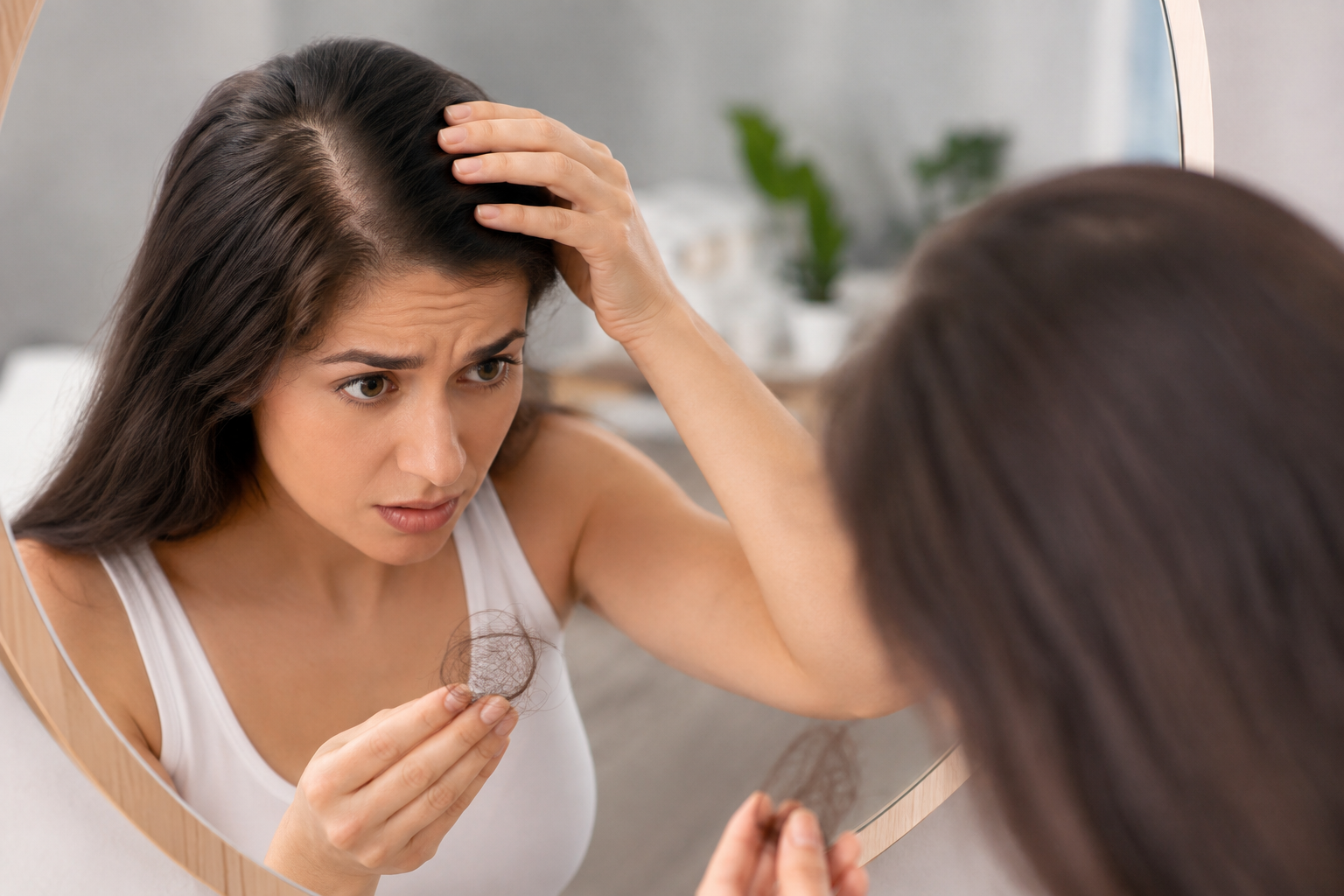
Hair loss, medically classified under various forms of alopecia, occurs when the normal biological cycle of hair growth gets disrupted. Hair grows from micro-structures inside the dermis called hair follicles.
Each strand undergoes a multi-phase life cycle:
- Anagen (Growth Phase): Active growth lasting 2 to 7 years.
- Catagen (Transition Phase): Regression lasting 2 to 3 weeks.
- Telogen (Resting Phase): Inactive phase lasting 2 to 4 months before shedding.
When systemic stress or genetic factors shorten the growth phase, follicles enter the resting state prematurely, causing noticeable hair shedding across the scalp.
How Much Hair Loss is Normal?
The human scalp holds roughly 100,000 hair follicles. Losing between 50 and 100 hairs daily represents normal follicular turnover.
Normal Daily Shedding:  [ 50 to 100 Strands ]  --> Healthy Cycle
Excessive Shedding:    [ 100+ Strands Daily ]  --> Telogen Effluvium / Alopecia
When daily shedding exceeds 100 to 150 strands consistently, your hair cycle has shifted into excess shedding, requiring direct intervention.
Signs You Should Be Concerned
You should pay close attention to your scalp if you notice:
- A widening part line or noticeable scalp exposure under bright light.
- Receding hairline contours around the temples.
- Handfuls of hair pulling away during light washing.
- Distinct round, smooth patches of bare skin.
- Scalp redness, itching, burning, or flaking alongside shedding.
Main Causes of Hair Loss
Understanding why hair loss occurs requires analyzing genetic, environmental, and biological triggers.
| Primary Cause | Underlying Mechanism | Typical Reversibility |
| Genetics (Androgenetic Alopecia) | DHT sensitivity miniaturizes follicles | Manageable / Treatable |
| Severe Physical Stress | Forces anagen hairs prematurely into telogen phase | Fully Reversible |
| Nutritional Deficiencies | Deprives hair Matrix of iron, protein, and vitamins | Fully Reversible |
| Hormonal Imbalances | Thyroid dysfunction or androgen fluctuations | Highly Reversible |
| Scalp Inflammation | Malassezia yeast or sebum buildup blocks growth | Fully Reversible |
Genetics & Hormones
Genetic predisposition remains the leading cause of hair loss in men and women. In male pattern baldness, dihydrotestosterone (DHT)—a byproduct of testosterone—binds to androgen receptors in susceptible follicles. Over time, DHT causes follicular miniaturization, yielding shorter, thinner strands until growth stops.
Stress (Telogen Effluvium)
Physical trauma, major surgery, intense emotional strain, or severe illness can shock the body. This shock forces up to 70% of active anagen hairs directly into the telogen resting state. Excess hair shedding typically appears 2 to 3 months after the initial stressful event.
Poor Nutrition & Vitamin Deficiencies
Hair cells rank among the fastest-multiplying structures in the human body, requiring consistent nutrient supply:
- Iron Deficiency: Low serum ferritin stops hemoglobin production, cutting off vital oxygen delivery to the hair matrix.
- Vitamin D Deficiency: Vitamin D receptors play a critical role in creating new hair follicles.
- Biotin & B-Complex Deficiencies: B-vitamins aid cellular energy production and keratin structural integrity.
- Protein Deficits: Hair shafts consist primarily of keratin protein. Insufficient dietary protein causes weak, brittle strands.
Low Ferritin / Iron  --> Reduced Oxygen to Matrix  --> Accelerated Hair Loss
Low Vitamin D Level  --> Impaired Follicle Genesis  --> Reduced Hair Density
Insufficient Protein --> Weakened Keratin Structure --> Brittle, Snapping Strands
Medical Conditions & Autoimmune Disorders
- Thyroid Dysfunctions: Both hypothyroidism and hyperthyroidism trigger diffuse hair thinning.
- COVID-19 & Severe Infections: High fevers and systemic inflammation trigger temporary telogen effluvium.
- Autoimmune Alopecia (Alopecia Areata): The immune system mistakenly attacks hair follicles, producing patchy hair loss.
Scalp Disorders & Lifestyle Factors
Chronic scalp issues create an environment unfit for strong growth:
- Seborrheic Dermatitis: Excess sebum production combined with Malassezia yeast overgrowth causes micro-inflammation, destabilizing the hair root.
- Smoking: Cigarette toxins damage microcapillaries supplying nutrients to the papilla.
- Poor Sleep & Weight Loss: Rapid caloric reduction and circadian disruption elevate cortisol, disrupting growth signals.
Types of Hair Loss
Identifying your precise type of hair loss guides effective treatment choices:
- Androgenetic Alopecia: Pattern baldness driven by genetics and DHT sensitivity.
- Telogen Effluvium: Rapid, temporary diffuse shedding triggered by systemic stressors.
- Alopecia Areata: Autoimmune-mediated patchy baldness.
- Anagen Effluvium: Rapid hair loss caused by chemical agents like chemotherapy.
- Traction Alopecia: Physical damage caused by tight hairstyles pulling constantly on the root.
Psychological and Social Impact
Hair loss affects more than just physical appearance. According to clinical studies published in PubMed, hair loss directly correlates with elevated social anxiety, diminished self-esteem, and mood distress. Recognizing that hair loss is a medical condition rather than a cosmetic flaw empowers individuals to seek proactive care without shame.
How Doctors Diagnose Hair Loss
Dermatologists employ precise clinical evaluations to identify the root cause of shedding:
- Blood Tests: Evaluating full blood count, serum ferritin, thyroid hormones, and vitamin levels.
- Scalp Examination (Dermoscopy): Magnifying the scalp surface to evaluate follicle density and scalp inflammation.
- Hair Pull Test: Gently tugging small bundles of hair to calculate the active percentage of shedding strands.
- Scalp Biopsy: Sampling a tiny piece of scalp tissue to differentiate between scarring and non-scarring alopecia.
Best Lifestyle Changes and Natural Remedies
Reversing hair loss begins with optimizing your daily routines and target environments.
Diet and Vitamin Optimization
Focus on whole foods rich in iron, zinc, omega-3 fatty acids, and essential proteins. Supplementation can bridge gaps when dietary intake falls short.
- Look for a recommended biotin supplement to support structural protein integrity.
- Pair iron-rich foods with vitamin C to increase systemic absorption.
Scalp Massages & Botanical Oils
- Scalp Massage: Manual stimulation increases blood flow to the scalp, enhancing nutrient transport directly to the papilla. Using a best scalp massager twice daily improves local circulation.
- Rosemary Oil: Clinical trials suggest topically applied rosemary oil rivals 2% minoxidil in encouraging long-term hair density by reducing local micro-inflammation. Applying a top-rated rosemary oil carrier blend supports healthy scalp environments.
- Pumpkin Seed Oil: Oral supplementation helps block 5-alpha reductase, reducing DHT impact naturally.
Expert Tip: Scalp Micro-Circulation
Micro-inflammation around the follicle collar limits nutrient uptake and accelerates hair loss. Massaging the scalp for 5 minutes daily improves microcirculation, clearing cellular waste and optimizing growth condition for active follicles.
Targeted Topicals: The Role of Advanced Daily Shampoos
While dietary adjustments and lifestyle shifts build internal support, external care directly impacts your scalp’s physical barrier. Standard commercial shampoos contain harsh sulfates that strip essential lipophilic barriers, worsening inflammation and follicle instability.
For targeted daily maintenance—especially for men facing early hair thinning—utilizing specialized formulations makes a measurable difference.
Modern Hair Care: The Folicerin Advantage
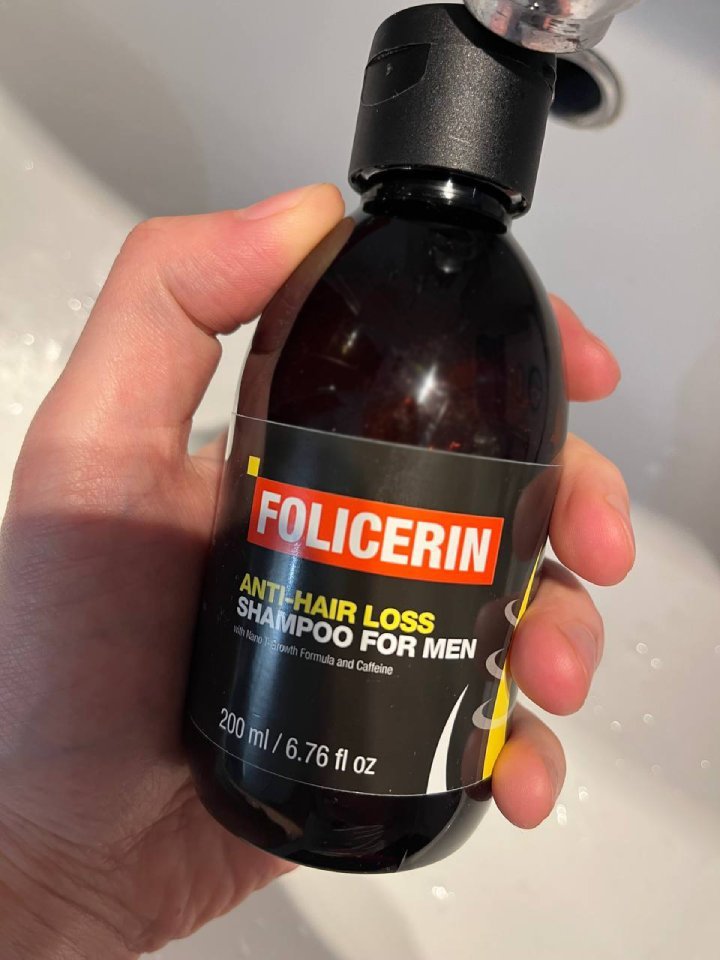
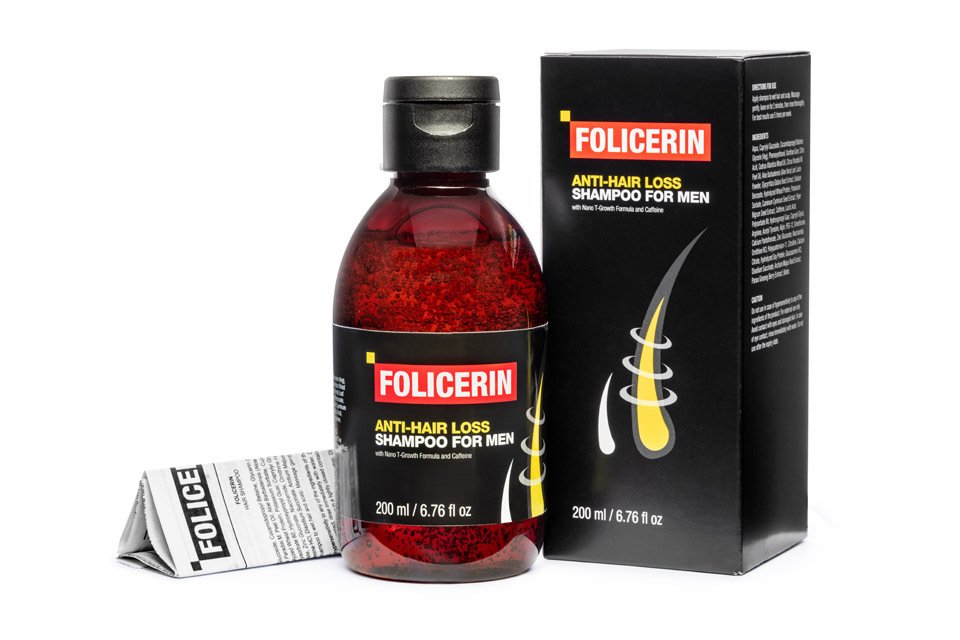
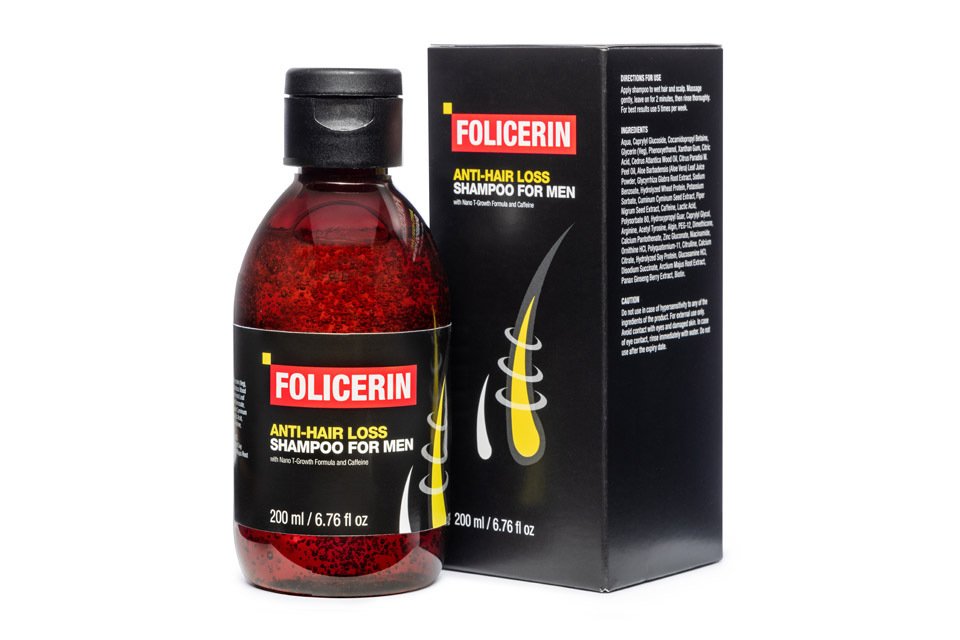
Folicerin offers a modern anti-hair loss shampoo designed specifically for men dealing with unwanted shedding and miniaturization.
+--------------------------------------------------------------------------+
|                          FOLICERIN FORMULATION                           |
|                                                                          |
|  [ Micro-Encapsulated Active Matrix ]  --> Biopolymer Particles (>200nm) |
|                                                    |                     |
|                                                    v                     |
|  [ Deep Scalp Penetration ]           --> Enhances Local Circulation    |
|                                                    |                     |
|                                                    v                     |
|  [ Restored Follicle Strength ]       --> Reduces Daily Shedding         |
+--------------------------------------------------------------------------+
- Advanced Biopolymer Encapsulation: Folicerin surrounds its active botanical ingredients in biopolymer particles larger than 200 nm. This preserves sensitive compound stability, maximizing active delivery directly to the scalp during daily washing.
- Microcirculation Support: The specialized formula improves local scalp microcirculation, ensuring oxygen and vital nutrient delivery directly to dormant hair roots.
- Strengthens & Thickens: Regular use conditions the hair shaft, reducing breakage while thickening emerging strands.
- Gentle Daily Cleansing: Formulated without harsh chemical deterrents, Folicerin cleanses thoroughly while respecting the scalp’s skin barrier, making it safe for daily use.
Using a dedicated product like a best hair growth shampoo ensures your external routine actively supports your internal hair retention strategies.
Medical Treatments for Hair Loss
When botanical and cosmetic approaches require clinical reinforcement, evidence-based medical therapies offer reliable options.
| Medical Treatment | Target Mechanism | Ideal Candidate | Common Side Effects |
| Topical Minoxidil | Vasodilator; prolongs the anagen growth phase | Men & Women with diffuse thinning | Local irritation, hypertrichosis |
| Oral Finasteride | Inhibits 5-alpha reductase type II, blocking DHT | Men with androgenetic alopecia | Reduced libido, temporary dysfunction |
| Platelet-Rich Plasma (PRP) | Autologous growth factors stimulate dormant roots | Early-stage pattern hair shedding | Mild scalp tenderness, bruising |
| Hair Transplantation | Relocates DHT-resistant follicles to bald areas | Advanced androgenetic alopecia | Surgical recovery, localized scarring |
Low-Level Laser Therapy (LLLT)
Low-Level Laser Therapy uses red light spectrum wavelengths (650–670 nm) to stimulate cellular respiration within the hair matrix. Using an FDA-cleared laser cap consistently helps reactivate sluggish follicles.
Emerging Research & Future Treatments
Hair restoration research continues to advance quickly:
- JAK Inhibitors: Oral and topical Janus kinase inhibitors (e.g., ruxolitinib) show promise in reversing severe alopecia areata by suppressing localized autoimmune attacks.
- Hair Follicle Cloning: Researchers are refining cellular multiplication processes to clone healthy hair cells in vitro before replanting them into thinning scalp zones.
- Wnt/β-catenin Pathway Activators: Emerging topical molecules target cellular signals responsible for initiating brand-new hair follicle creation.
When to See a Doctor
While temporary shedding often resolves independently, consult a board-certified dermatologist if you experience:
- Sudden, rapid hair shedding across the entire scalp over a few weeks.
- Painful, red, or scaling scalp lesions accompanied by hair loss.
- Complete loss of body hair, including eyebrows or eyelashes.
- Irregular menstrual cycles, severe acne, or unexpected facial hair growth alongside thinning hair.
Frequently Asked Questions
Why is my hair losing so much volume all of a sudden?
Sudden hair loss usually stems from telogen effluvium, triggered by acute stress, major surgery, severe illness, rapid weight loss, or abrupt hormonal shifts. This condition forces growth-phase hairs into resting phases simultaneously, causing widespread shedding two to three months after the initial stressor.
How do I stop hair loss from stress?
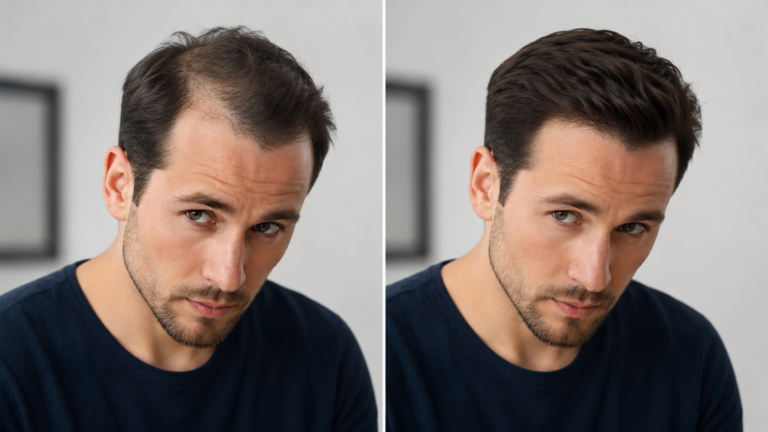
To stop stress-related hair shedding, manage the underlying physiological or emotional trigger. Focus on stress-reduction techniques, prioritize 7 to 9 hours of restorative sleep, eat a nutrient-dense diet, and practice gentle scalp care using specialized products like Folicerin.
Can vitamin D deficiency cause hair shedding?
Yes. Vitamin D plays a vital role in stimulating new and existing hair follicles. Low vitamin D levels disrupt natural growth cycles, triggering diffuse hair thinning. Restoring optimal blood levels through safe sun exposure and physician-directed supplementation encourages healthy follicular recovery.
Is daily hair loss reversible?
Most forms of temporary hair loss, such as telogen effluvium or nutritional shedding, are completely reversible once you address the underlying cause. While genetic pattern baldness requires continuous maintenance, early intervention with minoxidil, DHT blockers, and targeted anti-hair loss shampoos can restore density.
How does DHT cause pattern baldness?
Dihydrotestosterone (DHT) binds to receptors in genetically sensitive hair follicles, primarily across the crown and hairline. This binding causes progressive follicular miniaturization, shortening the growth cycle and producing progressively thinner strands until the follicle stops producing hair.
What naturally blocks DHT on the scalp?
Natural compounds like saw palmetto, pumpkin seed oil, green tea extract, and rosemary oil help lower DHT activity on the scalp. Combining these botanicals with gentle daily cleansers maintains a healthy follicular environment.
Can washing hair daily cause excess hair loss?
No. Washing your hair daily with a gentle, sulfate-free formula does not cause hair loss. The strands that fall out during washing were already detached from the root inside the follicle collar days earlier and were simply waiting for manual release.
How long does it take to see hair regrowth results?
Hair grows roughly half an inch per month. Consequently, most clinical, topical, and lifestyle treatments require 3 to 6 months of consistent use before visible changes in hair density and coverage appear.
Does scalp microcirculation affect hair growth?
Yes. Microcapillaries supply hair follicles with oxygen, amino acids, and essential micronutrients. Reduced microcirculation limits follicular nourishers, while therapies that enhance blood flow encourage thicker, healthier hair development.
When should I consult a dermatologist about hair loss?
Schedule an evaluation if you experience rapid hair loss, patchy bald spots, burning scalp sensations, visible scarring, or hair loss that fails to improve after six months of basic diet and lifestyle adjustments.
Conclusion
Asking why is my hair losing so much density is the first step toward reclaiming your scalp health. Whether your shedding stems from seasonal changes, acute stress, nutritional gaps, or early genetic factors, most causes respond well to consistent care. Focus on identifying your primary triggers, nourish your body with essential nutrients, and maintain your scalp environment using specialized daily formulas like Folicerin. With patience and target-focused care, you can protect your existing hair and foster robust growth for years to come.