Why Is My Hair Breaking? 7 Common Causes to Know
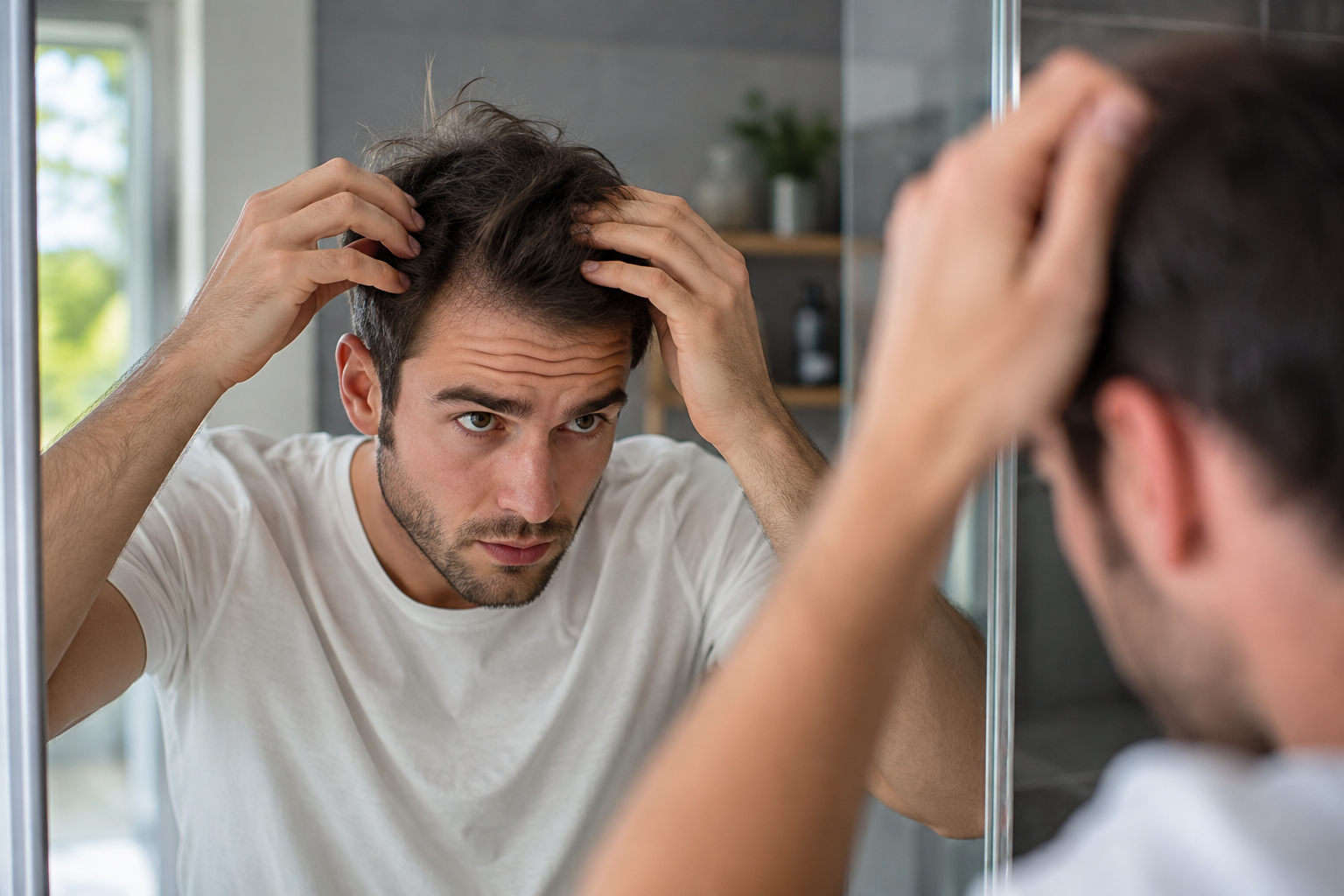
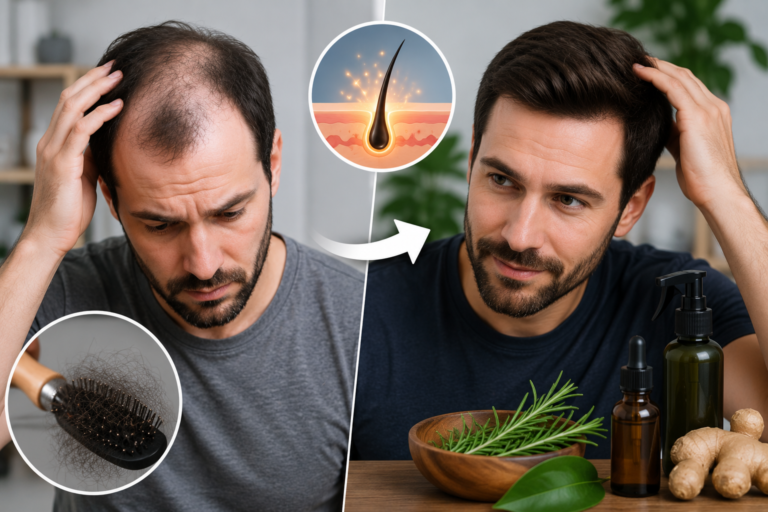
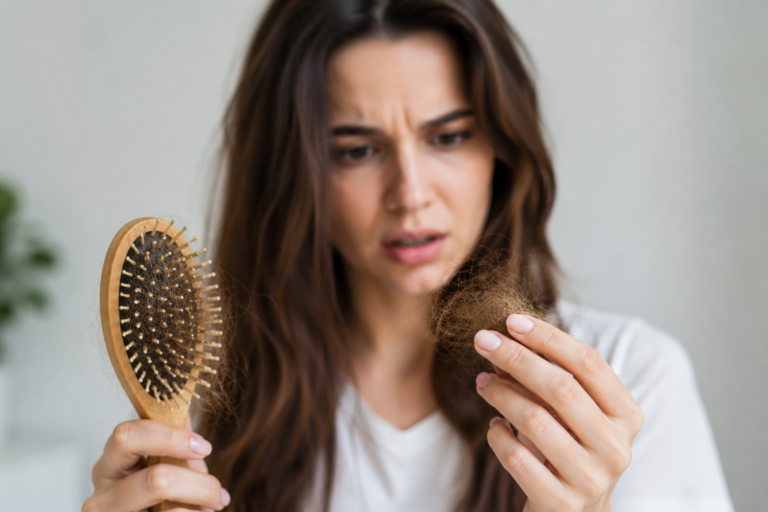
Finding hair on your pillow, clothes, or brush can be concerning.
But not every hair that falls out from your head has been shed from the root.
Sometimes, what looks like hair loss is actually hair breakage.
Hair breakage happens when the hair shaft becomes damaged and breaks before reaching the end of its natural growth cycle. This can make your hair look thinner, shorter, rougher, or less full even when the follicles themselves are still producing hair.
Understanding the difference between breakage and hair loss can help you choose a more appropriate hair-care routine.
What Is Hair Breakage?
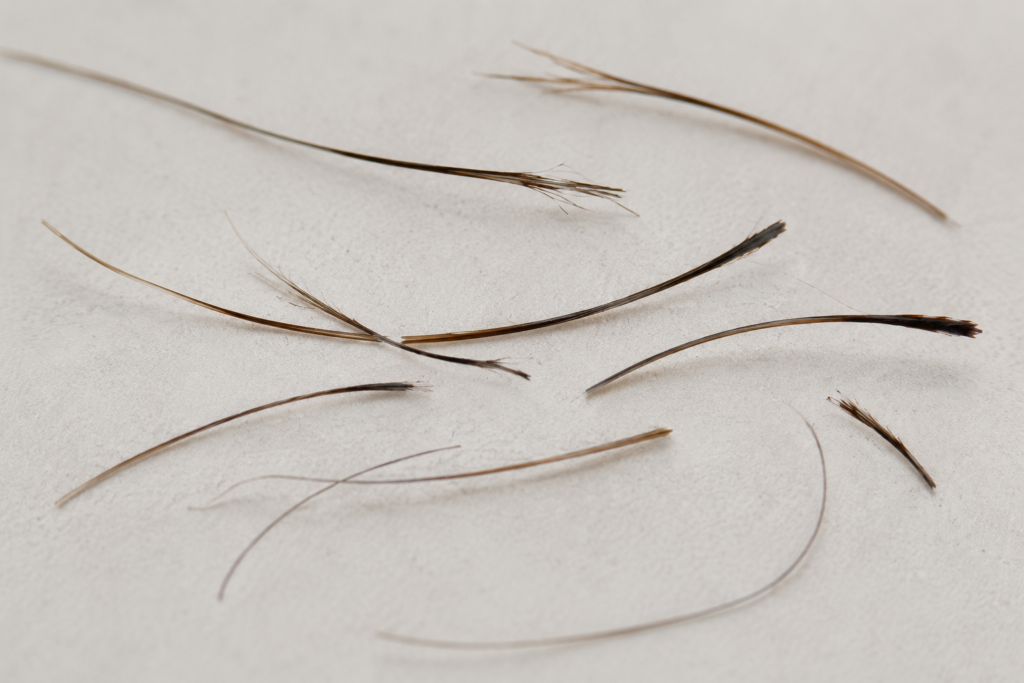
Hair breakage occurs when individual strands become weak and snap.
Unlike shedding, where a complete hair naturally leaves the scalp, breakage happens along the length of the hair shaft.
You may notice:
- Short broken hairs
- Uneven hair lengths
- Split ends
- Rough or dry texture
- Frizz
- Small pieces of hair on your clothing or pillow
- Hair that looks thinner at the ends
Breakage can affect anyone, but damaged hair is generally more vulnerable to snapping.
Hair Breakage vs. Hair Loss
These two problems can look similar, but they are not exactly the same.
With normal shedding, the hair has completed its growth cycle and separates from the follicle.
With breakage, the strand snaps somewhere along its length.
One simple clue is the appearance of the hairs you find.
If many of the hairs are very short and appear to be different lengths, breakage may be contributing to the problem.
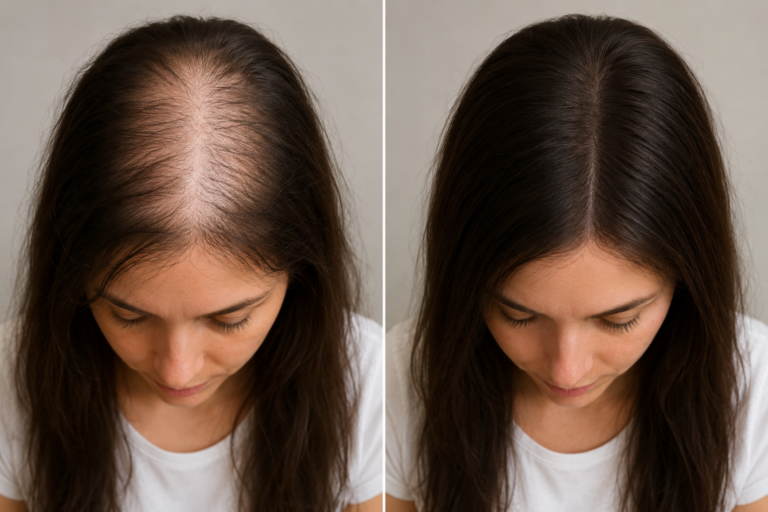
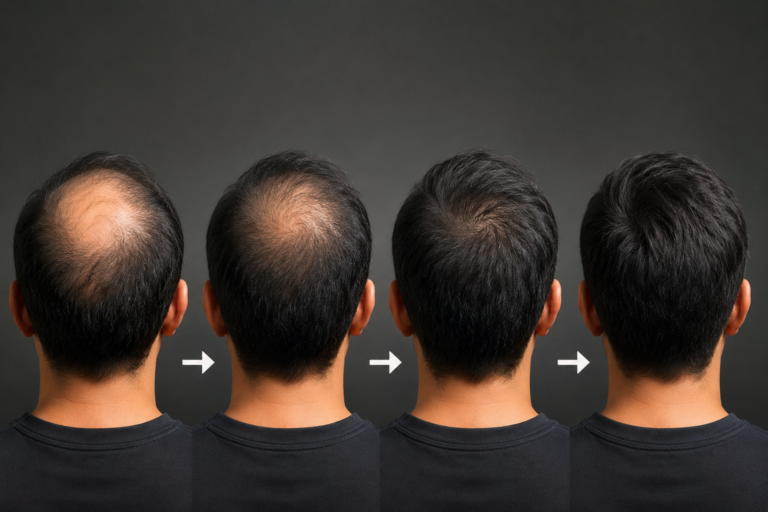
If you are seeing progressive thinning at the hairline, crown, or other areas of the scalp, however, the issue may involve actual hair loss rather than simple breakage.
1. Excessive Heat
Frequent exposure to high heat can damage the hair shaft.
Hair dryers, straighteners, curling tools, and other heated styling equipment can make hair more fragile, particularly when used at high temperatures or very frequently.
Over time, damaged strands may become more likely to snap.
If you regularly use heat on your hair, consider reducing the temperature and frequency when possible.
Allowing your hair to dry naturally when practical can also reduce repeated heat exposure.
2. Chemical Treatments
Certain chemical processes can weaken hair.
Bleaching, relaxing, perming, and repeated coloring can alter the structure of the hair shaft.
If several chemical treatments are performed close together, the hair may become increasingly fragile.
Damaged hair may feel dry, rough, or difficult to manage.
If you notice increasing breakage after a chemical treatment, giving your hair time to recover and reducing additional processing may help prevent further damage.
3. Aggressive Brushing
Brushing your hair too aggressively can contribute to mechanical damage.
Pulling through tangles forcefully can put stress on individual strands and cause them to snap.
This can be especially noticeable when the hair is wet.
Instead of pulling aggressively through knots, work through tangles gently and gradually.
A gentle approach can reduce unnecessary tension on fragile strands.
4. Tight Hairstyles
Repeated tension can also contribute to hair damage.
Styles that pull the hair tightly can place stress on the roots and strands.
The American Academy of Dermatology warns that hairstyles that continuously pull on the hair can contribute to a type of hair loss called traction alopecia.
Early signs can include broken hairs around areas that experience the most tension.
If the pulling continues for a long time, the damage can become more serious.
5. Dry or Damaged Hair
Hair that has become excessively dry may be more difficult to manage and more vulnerable to breakage.
Several factors can contribute to dryness, including frequent washing, heat exposure, chemical processing, and environmental conditions.
Conditioning after shampooing can help improve the feel and manageability of the hair.
The AAD recommends using conditioner after washing because it can reduce breakage, split ends, and frizz.
6. Rough Towel Drying
The way you dry your hair can also matter.
Rubbing wet hair aggressively with a towel creates friction and can contribute to damage.
Instead, gently squeeze excess water from your hair and handle it carefully.
Wet hair can be particularly vulnerable to mechanical stress, so being gentle while drying can help reduce unnecessary breakage.
7. Frequent Styling
Repeated styling can gradually increase mechanical stress on the hair.
Constant brushing, pulling, heat styling, and other manipulation may make already fragile hair more likely to break.
You don’t necessarily need to stop styling your hair completely.
The goal is to reduce unnecessary damage and give your hair periods of less manipulation.
How Can You Tell If Your Hair Is Breaking?
Look closely at the hairs you are finding.
Signs that may suggest breakage include:
- Many short hairs
- Different hair lengths
- Split ends
- Rough texture
- Increased frizz
- Hair breaking around areas exposed to styling
- No clear pattern of scalp thinning
On the other hand, a receding hairline or increasingly visible scalp may suggest a different type of problem.
The American Academy of Dermatology notes that hair loss can have many different causes, so identifying the specific pattern is important.
Can Hair Breakage Make Your Hair Look Thinner?
Yes.
Even though breakage does not necessarily mean that you are losing follicles, losing portions of the hair shaft can make your hair appear less dense.
The ends may look noticeably thinner than the roots.
You may also notice that your hair has less volume or that certain areas look uneven.
This is one reason why hair breakage can sometimes be confused with hair loss.
Can Broken Hair Grow Back?
The broken portion of a hair strand cannot repair itself and reconnect.
However, the hair follicle underneath the scalp may continue producing new hair.
The goal is therefore to reduce additional damage while allowing healthy new growth to continue.
That means protecting existing strands can be just as important as thinking about new growth.
How to Prevent Hair Breakage
A few simple changes can help reduce unnecessary damage.
Be Gentle When Brushing
Avoid pulling aggressively through knots.
Work through tangles gradually instead of forcing the brush through them.
Reduce Excessive Heat
Use heated styling tools less frequently when possible.
If you need to use them, avoid unnecessarily high temperatures.
Condition Your Hair
Conditioner can improve manageability and reduce friction during brushing.
The AAD recommends conditioning after shampooing as part of a healthy hair-care routine.
Avoid Constant Pulling
If a hairstyle causes discomfort or pulls tightly on the scalp, consider loosening it.
Repeated tension can contribute to traction-related hair loss.
Handle Wet Hair Carefully
Avoid aggressive towel rubbing or forceful brushing immediately after washing.
Gentler handling can reduce mechanical stress.

Does Cutting Your Hair Stop Breakage?
Cutting damaged ends can make the hair look healthier and remove visibly damaged portions.
However, cutting the hair does not change what is happening inside the hair follicle.
If breakage is caused by excessive heat, chemical treatments, or mechanical damage, those factors still need to be addressed.
A haircut can improve the appearance of damaged ends, but preventing new damage is what matters for maintaining healthier-looking hair over time.
Can Nutrition Cause Weak Hair?
Nutrition can play a role in overall hair health.
The body needs adequate nutrients to support normal hair growth.
However, weak or breaking hair does not automatically mean that you have a vitamin deficiency.
Taking large amounts of supplements without knowing whether you actually need them is not always helpful.
If you have significant hair changes alongside other symptoms or concerns about your diet, discussing them with a healthcare professional may be appropriate.
When Is Hair Breakage Actually Hair Loss?
This is an important distinction.
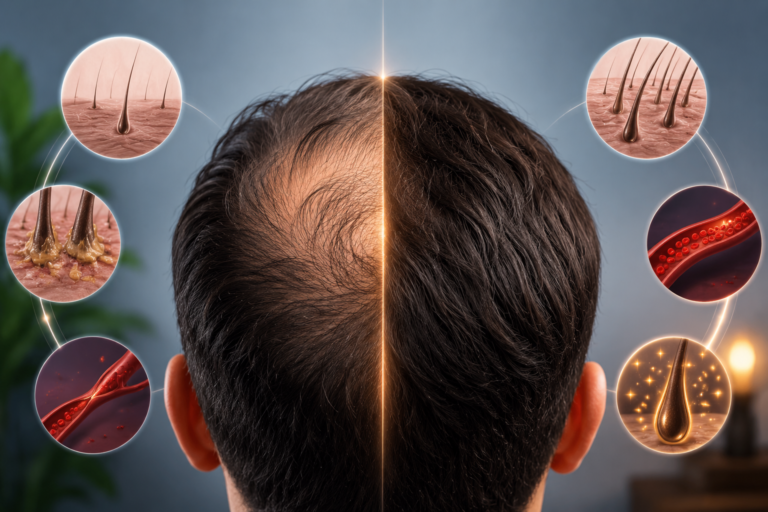
If you notice that your hair is becoming progressively thinner at the crown, temples, or hairline, the issue may involve hair loss rather than simple breakage.
Likewise, sudden bald patches should not automatically be attributed to damaged hair.
Hair loss can have many causes, including hereditary factors, illness, stress, nutritional problems, medications, and scalp conditions.
If you’re unsure what you’re experiencing, professional evaluation can help distinguish breakage from actual hair loss.
When Should You See a Dermatologist?
Consider seeking professional advice if you notice:
- Rapid thinning
- A receding hairline
- A noticeably thinning crown
- Sudden bald patches
- Hair loss from the eyebrows or beard
- Significant scalp itching
- Pain or burning
- Redness or inflammation
- Persistent hair loss despite changing your hair-care routine
A dermatologist can examine your scalp and hair and determine whether you’re dealing with breakage, shedding, or another form of hair loss.
Frequently Asked Questions
What is the difference between hair breakage and hair loss?
Hair breakage happens when the hair shaft snaps, while hair shedding involves a complete hair leaving the follicle.
Why is my hair breaking so easily?
Common contributors include excessive heat, chemical treatments, aggressive brushing, tight hairstyles, and repeated mechanical stress.
Can shampoo cause hair breakage?
Some hair-care practices can contribute to dryness or damage, particularly when combined with excessive washing or harsh handling. Using conditioner and handling hair gently can help reduce breakage.
Does hair breakage mean I’m going bald?
No. Hair breakage does not automatically mean you’re going bald. However, progressive scalp thinning or a receding hairline can indicate a separate hair-loss problem.
Can broken hair grow back?
The broken part of the strand cannot reconnect, but the follicle can continue producing new hair.
How can I stop my hair from breaking?
Reduce excessive heat and chemical treatments, avoid aggressive brushing, condition your hair, and minimize hairstyles that create constant tension.
Should I take vitamins for hair breakage?
Not automatically. Supplements are most useful when there is a genuine nutritional deficiency. It is better to determine whether a deficiency exists rather than taking large doses unnecessarily.
Final Thoughts
Hair breakage can make your hair look thinner and less healthy, but it is not the same thing as losing hair from the follicle.
Heat, chemical treatments, aggressive brushing, tight hairstyles, dryness, and repeated styling can all contribute to damaged strands.
The good news is that many sources of mechanical damage can be reduced by changing your hair-care habits.
If your concern is not simply broken strands but progressive thinning, a receding hairline, a thinning crown, or sudden bald patches, don’t assume that breakage is the explanation.
Understanding what is actually happening to your hair is the first step toward choosing the right approach.