How Do I Stop My Hair From Falling? 10 Proven Solutions
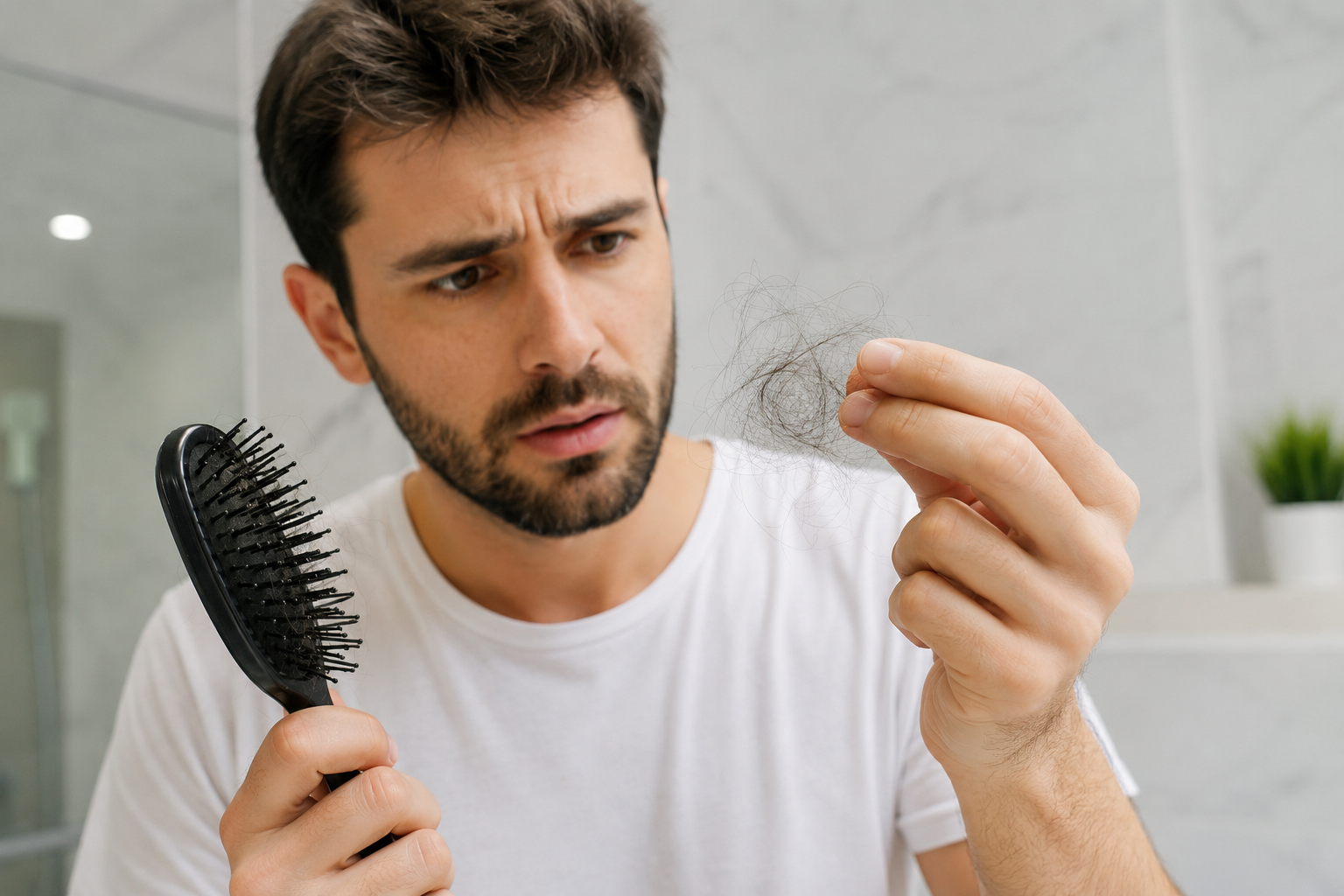
If you’re asking, “How do I stop my hair from falling?”, the first step is understanding the cause. Hair loss can result from genetics, stress, poor nutrition, hormonal changes, or unhealthy hair care habits.
Fortunately, many cases of hair shedding can be reduced by improving your diet, reducing stress, treating underlying conditions, and using supportive hair care products. While there is no instant cure, consistent habits can make a noticeable difference over time.
Table of Contents
- Why Is My Hair Falling Out?
- Can Hair Loss Be Stopped?
- Best Ways to Reduce Hair Fall
- Foods That Support Healthy Hair
- Daily Hair Care Tips
- When Should You See a Doctor?
- Key Takeaways
- FAQ
- Conclusion
Why Is My Hair Falling Out?
Quick Answer
Hair falls out when the normal growth cycle is disrupted. Genetics, stress, illness, nutrient deficiencies, and hormones are among the most common causes.
Hair naturally sheds every day. However, excessive shedding may indicate an underlying issue that should be addressed.
Common Causes
- Genetics
- Stress
- Poor diet
- Iron deficiency
- Thyroid disorders
- Hormonal imbalance
- Rapid weight loss
- Certain medications
Can Hair Loss Be Stopped?
Quick Answer
Many types of hair loss can be slowed or reduced by treating the underlying cause and adopting healthier daily habits.
The earlier you address excessive shedding, the better your chances of maintaining healthy hair density.
10 Proven Ways to Stop Hair From Falling
Quick Answer
Healthy nutrition, stress management, scalp care, and consistency are the foundation of stronger hair.
1. Eat More Protein
Hair is mostly made of protein.
Lean meat, eggs, fish, beans, and dairy products help support healthy hair production.
2. Increase Iron Intake
Iron deficiency is a common cause of hair shedding.
Include spinach, red meat, lentils, and fortified cereals in your diet.
3. Reduce Stress
Chronic stress can trigger temporary hair shedding.
Meditation, walking, and quality sleep may help lower stress hormones.
4. Avoid Tight Hairstyles
Constant pulling damages hair follicles and increases breakage.
5. Be Gentle When Washing Hair
Avoid excessive rubbing and very hot water.
Use a mild shampoo and massage the scalp gently.
Daily Hair Care Routine for Healthier Hair
Quick Answer
Small daily habits can protect hair from unnecessary damage.
Try to:
- Wash hair with lukewarm water
- Avoid excessive heat styling
- Dry hair gently
- Sleep well
- Stay hydrated
- Avoid smoking
- Exercise regularly
Support Your Hair From the Inside
Quick Answer
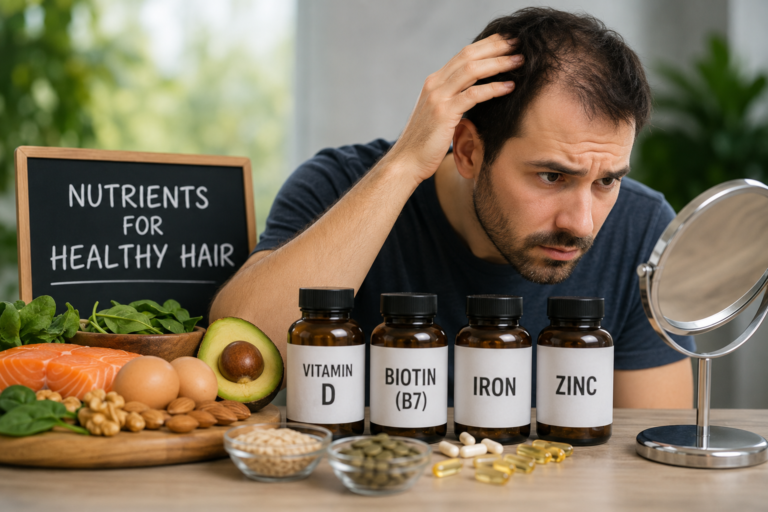
Nutrition plays an important role in healthy hair growth.
Foods rich in:
- Protein
- Zinc
- Iron
- Vitamin D
- Omega-3 fatty acids
- Biotin
may help support stronger hair over time.
Can Shampoo Help Reduce Hair Fall?
Quick Answer
A shampoo cannot cure medical hair loss, but it may improve scalp health and reduce breakage as part of a complete hair care routine.
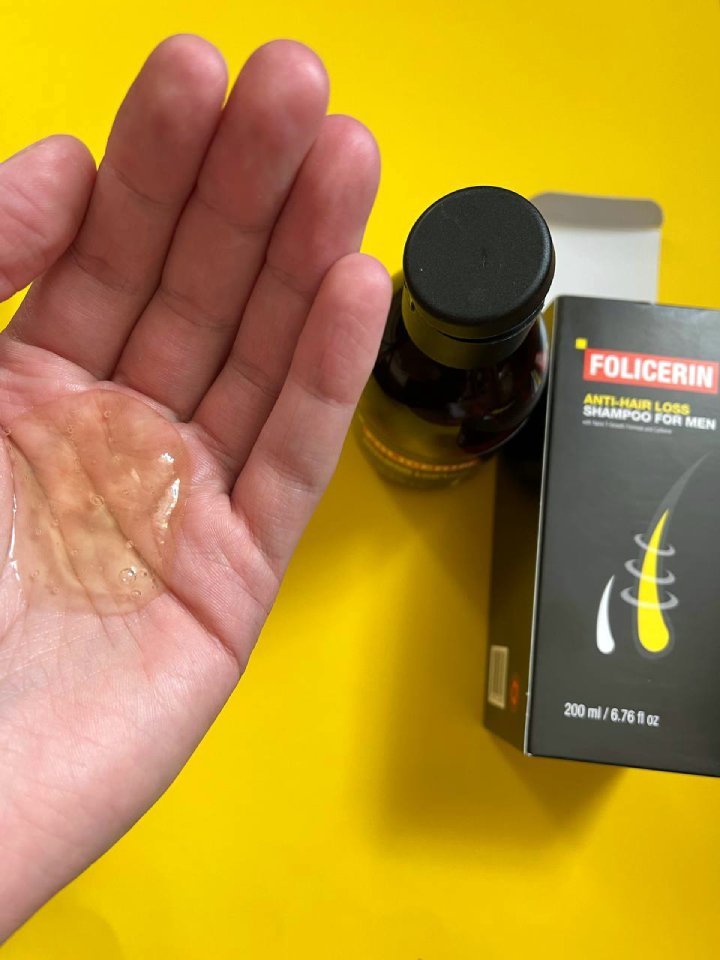
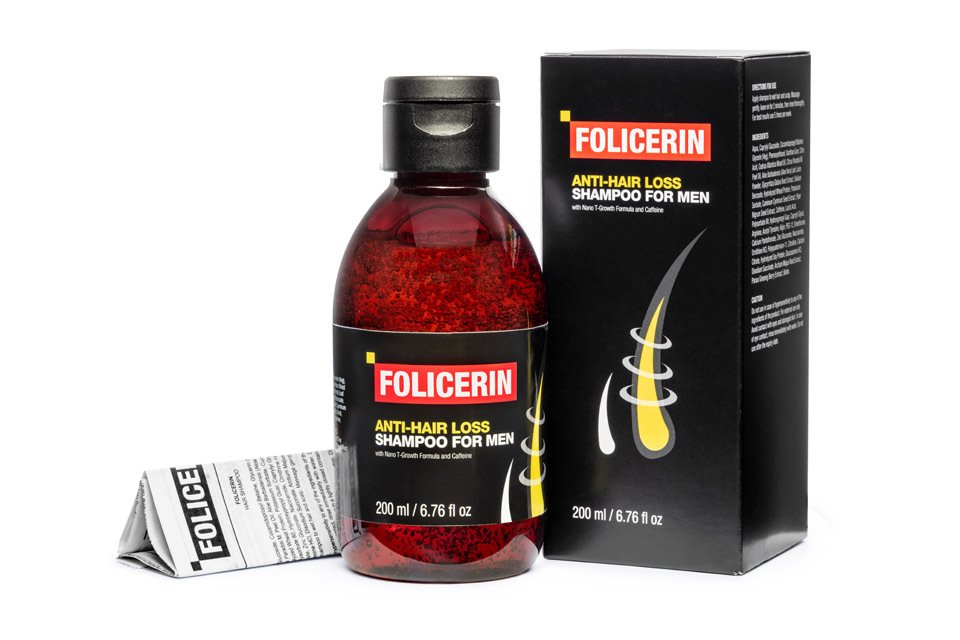
Products such as Folicerin Hair Loss Shampoo are designed for men who want to support stronger-looking hair through daily cleansing and scalp care. Its formula aims to cleanse the scalp while helping hair appear thicker and healthier with consistent use.
When Should You See a Doctor?
Quick Answer
Consult a healthcare professional if hair loss is sudden, severe, patchy, or accompanied by other symptoms.
Medical evaluation can help identify nutritional deficiencies, hormonal disorders, or other health conditions affecting hair growth.
Key Takeaways
- Hair loss has many possible causes.
- A balanced diet supports healthy hair.
- Stress management is important.
- Gentle hair care reduces breakage.
- Medical conditions should be treated early.
- Daily scalp care may improve hair appearance.
Frequently Asked Questions
How do I stop my hair from falling naturally?
Eat a balanced diet, reduce stress, sleep well, and follow a gentle hair care routine.
Can hair grow back after falling out?
Many types of temporary hair loss improve once the underlying cause is corrected.
Which vitamin deficiency causes hair loss?
Iron deficiency, vitamin D deficiency, and low biotin levels may contribute to hair shedding.
Does stress cause hair loss?
Yes. Chronic stress can trigger temporary shedding known as telogen effluvium.
Is losing hair every day normal?
Yes. Losing 50–100 hairs daily is generally considered normal.
Can shampoo stop hair loss?
Shampoo cannot cure hair loss but may support scalp health and reduce breakage.
How long does it take to see improvement?
Most people need three to six months of consistent care before noticing significant changes.
Should I see a dermatologist?
Yes, especially if hair loss is sudden, severe, or associated with scalp irritation.
Conclusion
Stopping hair loss starts with identifying the cause and building healthier daily habits. Good nutrition, stress management, gentle scalp care, and appropriate hair care products can all contribute to healthier-looking hair over time.
Consistency is key, and early action often produces the best results.
Concerned about excessive hair fall? Start improving your hair care routine today and consult a healthcare professional if shedding continues or worsens.