What Does Thyroid Hair Loss Look Like? Proven Signs to Know
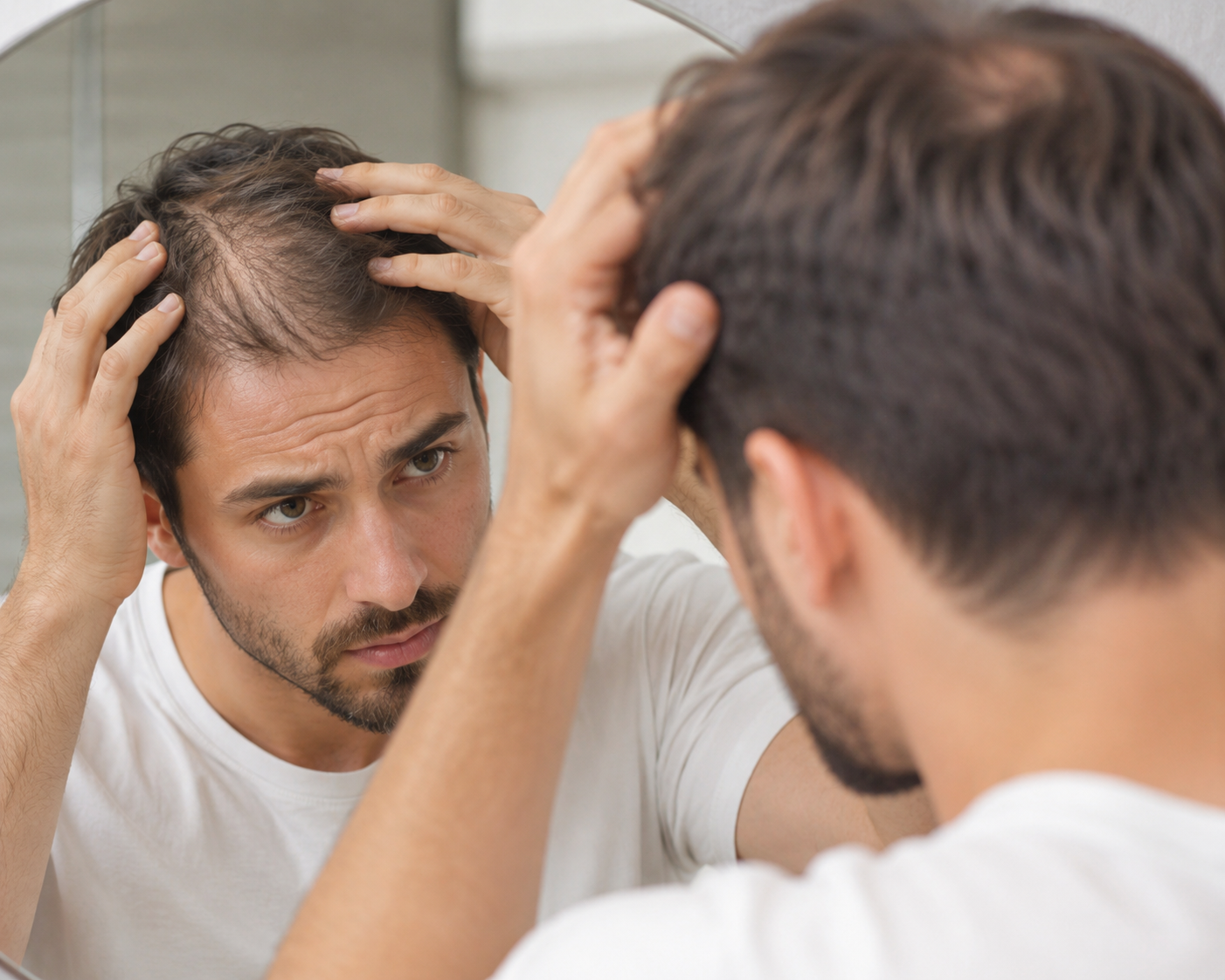
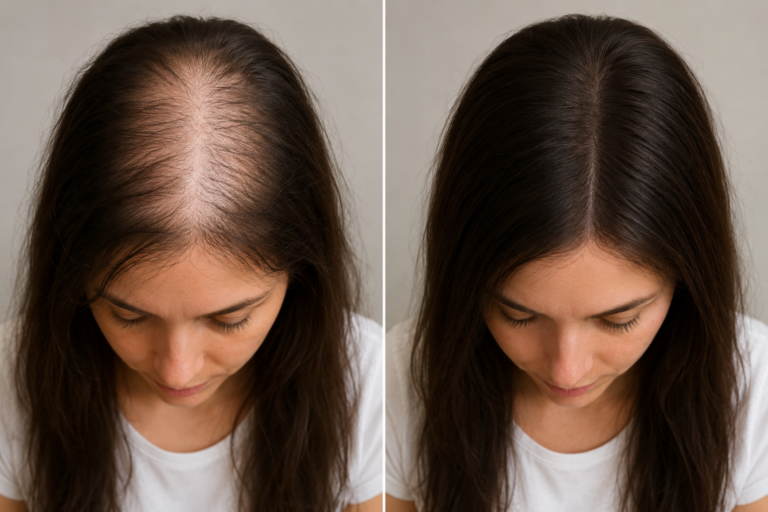
What does thyroid hair loss look like? In most cases, thyroid-related hair loss appears as diffuse thinning across the entire scalp instead of isolated bald patches. Hair often becomes dry, brittle, and easier to shed while brushing or washing.
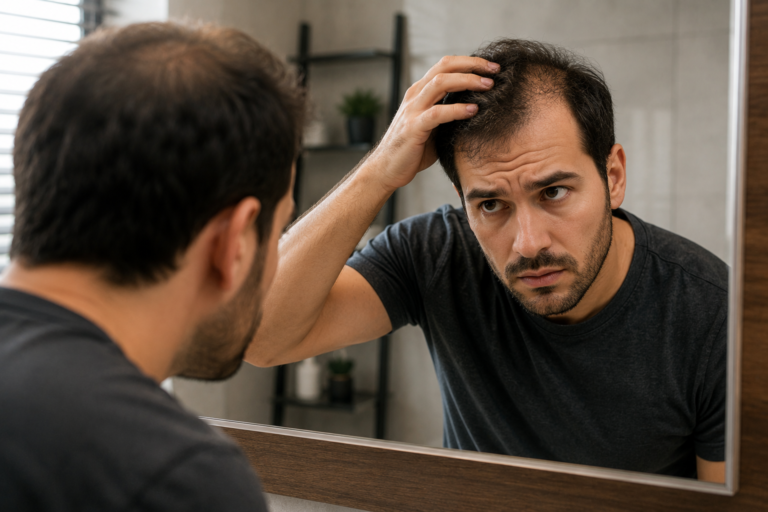
Because thyroid hormones regulate the hair growth cycle, both an underactive and overactive thyroid can disrupt normal hair production. As a result, many men notice gradual thinning that becomes more visible over time.
Understanding the signs early may help you seek appropriate medical evaluation while supporting your hair with a healthy daily routine.
Table of Contents
- What Is Thyroid Hair Loss?
- What Does Thyroid Hair Loss Look Like?
- Common Symptoms
- Why Thyroid Disorders Cause Hair Loss
- How Is It Different From Male Pattern Baldness?
- Can Hair Grow Back?
- Tips to Support Healthy Hair
- Key Takeaways
- FAQ
- Conclusion
What Is Thyroid Hair Loss?
Quick Answer
Thyroid hair loss is diffuse hair shedding caused by abnormal thyroid hormone levels. Instead of forming isolated bald spots, it usually affects the entire scalp evenly.
The thyroid gland controls metabolism and influences the growth cycle of every hair follicle. When hormone levels become abnormal, follicles may enter the resting phase too early.
Consequently, more hairs fall out than usual.
Definition Box
Thyroid hair loss refers to widespread thinning that occurs when thyroid hormone imbalance interrupts the normal hair growth cycle.
What Does Thyroid Hair Loss Look Like?
Quick Answer
Most people experience overall thinning instead of patches. Hair appears less dense, flatter, and weaker than before.

Unlike male pattern baldness, thyroid-related hair loss usually spreads evenly across the scalp.
Many men notice:
- Hair becoming noticeably thinner
- Increased shedding in the shower
- More hair on pillows
- Hairbrushes filling faster
- Loss of hair volume
- Dry and coarse strands
Over time, eyebrows may also become thinner, especially near the outer edges.
Common Symptoms of Thyroid Hair Loss
Quick Answer
Hair loss rarely appears alone. Most people develop additional thyroid-related symptoms.
Common symptoms include:
- Fatigue
- Weight changes
- Dry skin
- Sensitivity to cold or heat
- Slow hair growth
- Brittle nails
- Muscle weakness
- Mood changes
Because these symptoms develop gradually, many people ignore them until hair thinning becomes obvious.
Why Thyroid Disorders Cause Hair Loss
Quick Answer
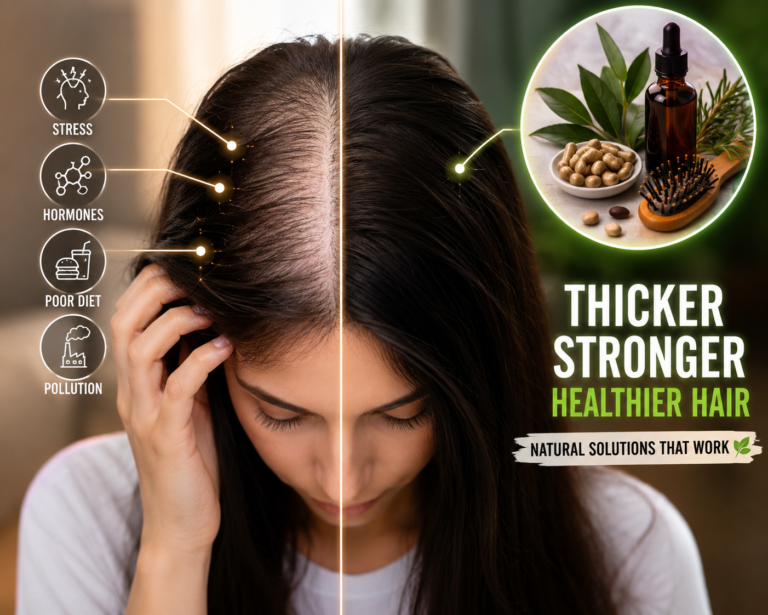
Thyroid hormones regulate the hair growth cycle. When hormone levels change, follicles stop producing healthy hair efficiently.
Hair normally cycles through growth, transition, and resting phases.
However, thyroid disease pushes many follicles into the resting phase simultaneously.
As a result, shedding increases several months later.
This explains why hair loss may appear long after thyroid problems first begin.
How Is It Different From Male Pattern Baldness?
Quick Answer
Male pattern baldness usually starts at the temples and crown, while thyroid hair loss affects the whole scalp.
| Thyroid Hair Loss | Male Pattern Baldness |
| Diffuse thinning | Receding hairline |
| Even shedding | Crown thinning |
| Hormone imbalance | Genetic cause |
| May reverse with treatment | Usually progressive |
This difference helps doctors identify the underlying cause.
Can Thyroid Hair Loss Grow Back?
Quick Answer
Yes. In many cases, hair regrows after thyroid hormone levels return to normal.
Hair recovery often takes several months.
Patience is important because follicles need time to restart their normal growth cycle.
Meanwhile, gentle hair care may reduce additional breakage.
Tips to Support Healthy Hair During Recovery
Quick Answer
Healthy habits can support stronger hair while the underlying thyroid condition is managed.
Consider these practical tips:
- Eat enough protein
- Get sufficient iron and zinc
- Reduce stress
- Sleep 7–9 hours
- Avoid harsh chemical treatments
- Limit excessive heat styling
- Wash hair gently
- Stay hydrated
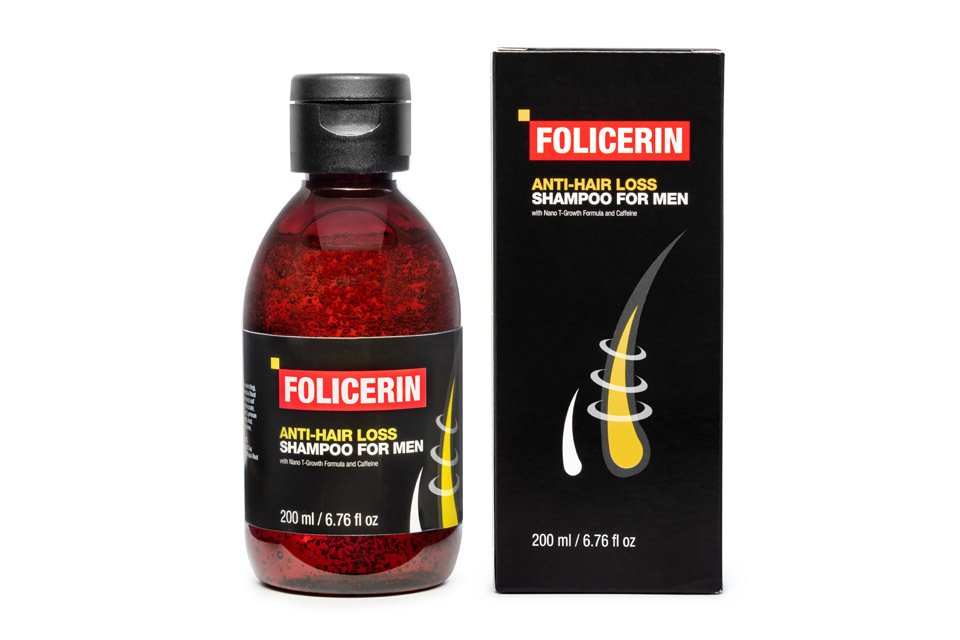
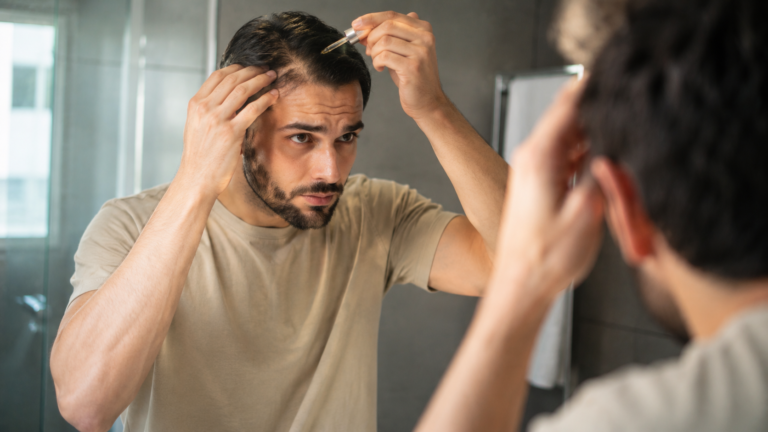
Products like Folicerin Hair Loss Shampoo are marketed for men who want daily scalp care and stronger-looking hair. Its formula is designed to cleanse the scalp while supporting the appearance of fuller and healthier hair as part of an overall hair care routine.
Practical Example
Imagine noticing more hair in your shower drain every morning while also feeling unusually tired and gaining weight.
Instead of assuming normal aging, checking thyroid function may help identify the real cause.
Early diagnosis often leads to better long-term hair recovery.
Key Takeaways
- Thyroid hair loss usually causes diffuse thinning.
- Hair often becomes dry and brittle.
- Eyebrow thinning may also occur.
- Hormone imbalance disrupts the hair cycle.
- Treating thyroid disease often improves hair growth.
- Healthy hair care habits can support recovery.
Frequently Asked Questions
What does thyroid hair loss look like?
It usually appears as thinning across the entire scalp instead of isolated bald spots. Hair becomes finer and less dense over time.
Is thyroid hair loss permanent?
In many cases, it is temporary once thyroid hormone levels return to normal and the underlying condition is managed.
Does hypothyroidism cause hair loss?
Yes. Low thyroid hormone levels can slow hair production and increase shedding.
Can hyperthyroidism cause hair loss?
Yes. Excess thyroid hormones may also disrupt the hair growth cycle.
Does eyebrow loss indicate thyroid disease?
Loss of the outer third of the eyebrows may occur with hypothyroidism, although other causes are possible.
How long does recovery take?
Hair often starts improving within several months after thyroid levels stabilize.
Can shampoo cure thyroid hair loss?
No. Shampoo cannot correct thyroid hormone imbalance but may support healthier-looking hair and scalp care.
Should I see a doctor?
Yes. Persistent diffuse hair loss should be evaluated to identify potential hormonal or nutritional causes.
Conclusion
Thyroid hair loss usually develops as widespread thinning rather than classic bald patches. Fortunately, many people experience improvement once thyroid hormone levels are properly managed.
Supporting your scalp with good nutrition, gentle hair care, and appropriate daily products may help maintain stronger-looking hair during recovery.
If you’re experiencing unexplained hair thinning, don’t ignore the signs. Speak with a healthcare professional to evaluate possible thyroid issues and build a complete hair care routine that supports healthier hair over time.