Why Is My Hair Losing So Much? Hair Loss Treatment for Men: Complete Guide
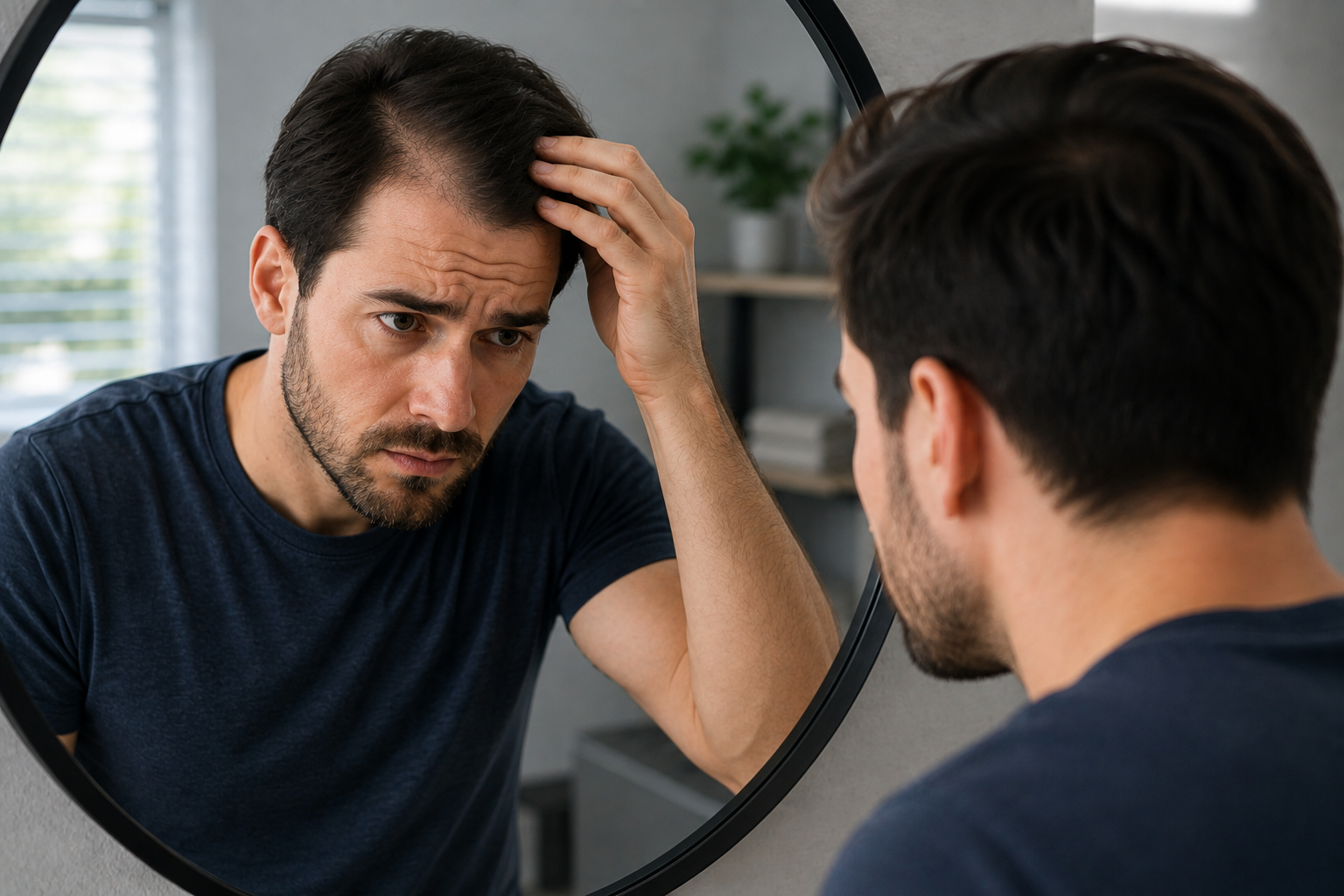
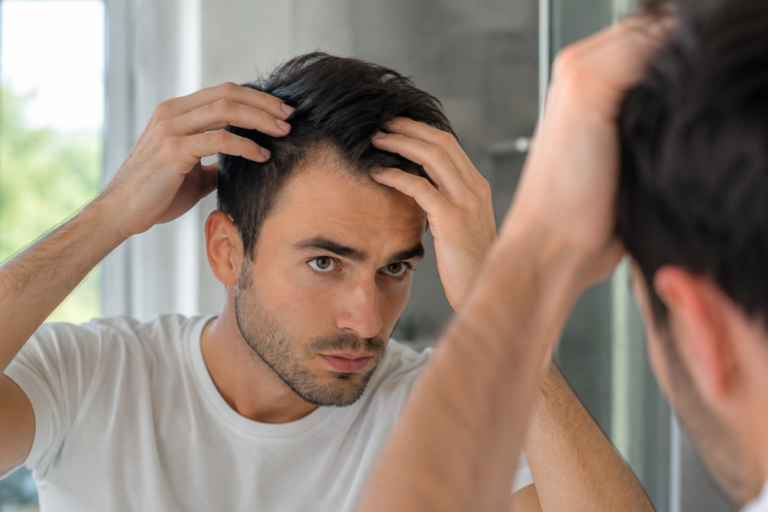
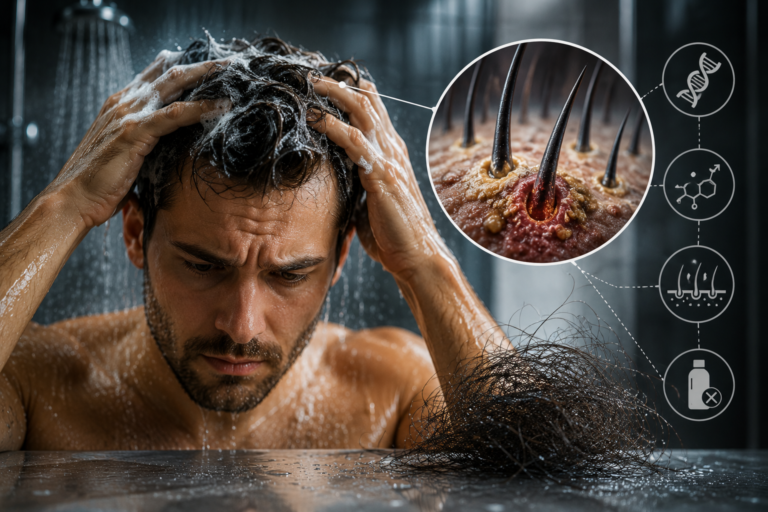
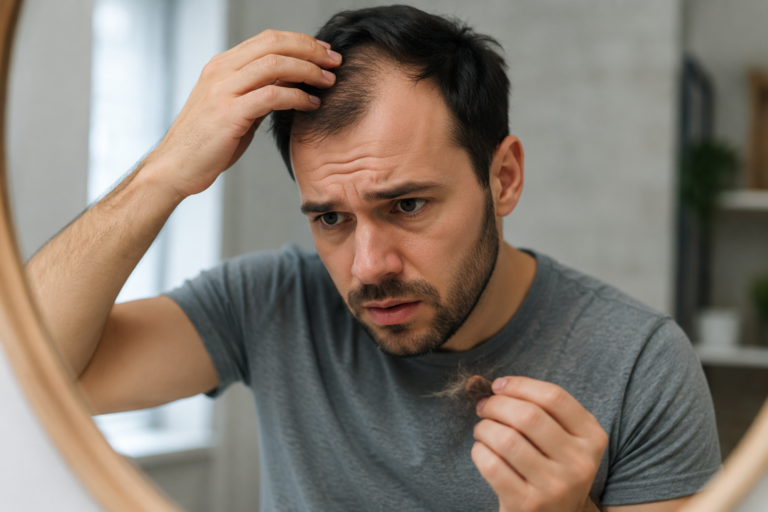
Seeing clumps of strand in your morning shower drain triggers immediate panic. You stare closely into the bathroom mirror, tracking whether your forehead looks slightly larger than last month. Hair thinning silently chips away at your personal confidence, overall self-esteem, and daily peace of mind.
This visual shift impacts your dating life, social presence, and professional interactions. Modern society links full hair with youth, health, and vitality. Consequently, watching your hair shed rapidly generates intense emotional stress that feels utterly overwhelming.
You are not alone in this frustrating experience. Millions of men face sudden shedding every year. Crucially, most underlying causes of male follicle loss respond well to targeted therapies. Understanding the exact source of your thinning allows you to take control and rebuild healthy hair growth.
       +-------------------------------------------------------+
       |             IDENTIFY YOUR HAIR LOSS TYPE              |
       +-------------------------------------------------------+
                                   |
         +-------------------------+-------------------------+
         |                                                   |
         v                                                   v
[ Diffuse Shedding ]                              [ Pattern Thinning ]
  (Telogen Effluvium)                               (Androgenic Alopecia)
         |                                                   |
  +------+------+                                     +------+------+
  |             |                                     |             |
  v             v                                     v             v
Nutrition     Stress/Illness                        Crown/Temples  Genetics/DHT
 (Iron, D)   (Cortisol Spike)                       (Receding Line)  (Hormonal)
What is Hair Loss?
Hair loss, medically classified under the umbrella term alopecia, occurs when the normal cycle of strand production gets disrupted. Hair follicles continuously transition through distinct growing, resting, and shedding phases. When systemic stressors or hormonal changes interfere with this delicate system, production slows down or stops entirely.
+-----------------------------------------------------------------+
|                    THE THREE HAIR GROWTH PHASES                 |
+-----------------------------------------------------------------+
| 1. ANAGEN (Growth)   --> Active growth lasting 2 to 7 years.    |
| 2. CATAGEN (Transition)--> Follicle shrinks over 2 to 3 weeks.  |
| 3. TELOGEN (Resting) --> Strand sheds; cycle resets (3 months). |
+-----------------------------------------------------------------+
Expert Tip: Keep a digital log of your shedding patterns over 30 days. Note sudden lifestyle shifts, new medications, or elevated stress levels. Detailed logs help your dermatologist pinpoint whether your loss stems from genetics or temporary systemic triggers.
How Much Hair Loss is Normal?
The average human scalp contains roughly 100,000 hair follicles. Losing between 50 to 100 individual strands every day is completely healthy. These discarded hairs make room for fresh shafts entering the active growth phase.
Shedding becomes abnormal when daily loss consistently exceeds 100 to 150 strands. If you notice visible patches, significant scalp exposure, or a rapidly receding hairline, your follicles are prematurely shifting into the resting state.
Signs You Should Be Concerned
Recognizing early warning signs gives you a major advantage in stopping permanent follicle damage. Watch out for these indicators:
- Excessive hair strands coating your pillowcase upon waking.
- Visible scalp exposure under normal indoor lights.
- A dramatic reduction in ponytail thickness or hair density.
- A widening part or noticeable temple recession.
- Persistent scalp itching, redness, or painful inflammation.
Main Causes of Hair Loss
Why is my hair losing so much volume all of a sudden? Identifying the underlying root trigger remains the most vital step toward successful hair restoration.
+-----------------------------------------------------------------------+
|                       PRIMARY ROOT CAUSES OF SHEDDING                 |
+-----------------------------------------------------------------------+
|  Genetics & Hormones  --> Dihydrotestosterone (DHT) shrinks follicles. |
|  Physical Stress      --> Cortisol forces hairs into Telogen phase.   |
|  Nutritional Deficit  --> Ferritin & Vitamin D depletion starves roots.|
|  Scalp Disorders      --> Inflammation blocks optimal strand growth.   |
+-----------------------------------------------------------------------+
Genetics and Hormones
Hereditary male pattern baldness accounts for over 95% of male follicle thinning. Your DNA dictates how sensitive your hair roots are to dihydrotestosterone (DHT). This potent hormone binds to sensitive scalp receptors, progressively shrinking follicles until they stop producing healthy strands.
Stress and Cortisol
Elevated cortisol levels disrupt active hair cycles. Major psychological events or severe physical strain trigger a condition called telogen effluvium. This rapid phase shift forces thousands of growing strands directly into the shedding phase simultaneously.
Poor Nutrition and Vitamin Deficiencies
Your hair roots require continuous nourishment to sustain high cell turnover. Deficiencies in crucial micronutrients weaken structural keratin production:
- Iron Deficiency: Low ferritin depletes blood oxygen delivery to the dermal papilla.
- Vitamin D: Insufficient levels stall the activation of new hair stem cells.
- Biotin (B7): Inadequate biotin weakens the structural keratin matrix.
- Protein Intake: Low protein intake forces the body to prioritize vital organs over hair growth.
Medical Conditions and Autoimmune Diseases
Systemic illnesses tax your immune system and divert vital nutrients away from non-essential tissues like hair follicles. Autoimmune disorders, such as alopecia areata, cause defense cells to mistakenly attack healthy roots, resulting in round bald patches.
+-------------------------------------------------------------------------+
|                    ADDITIONAL SYSTEMIC CONTRIBUTORS                     |
+-------------------------------------------------------------------------+
|  Prescription Drugs --> Antidepressants, blood thinners, high BP meds.  |
|  Scalp Disorders    --> Seborrheic dermatitis & fungal infections.      |
|  Lifestyle Factors  --> Chronic sleep deprivation, smoking, heavy UV.   |
+-------------------------------------------------------------------------+
Causes Comparison Matrix
| Hair Loss Cause | Common Symptoms | Effective Primary Treatment |
| Androgenetic Alopecia | Receding hairline, thinning crown | Finasteride, Minoxidil, DHT blockers |
| Telogen Effluvium | Diffuse shedding across whole scalp | Stress management, root recovery time |
| Nutritional Deficiency | Brittle strands, slow overall growth | Iron, Vitamin D, Biotin supplementation |
| Seborrheic Dermatitis | Flaking, intense scalp itching | Ketoconazole shampoo, daily hygiene |
Risk Factors
Several underlying factors increase your susceptibility to excessive hair thinning:
- Family history of early androgenic alopecia.
- High-stress occupations paired with chronic sleep debt.
- Rapid weight loss diets that restrict essential macronutrients.
- Heavy tobacco consumption, which restricts microcirculation to the scalp.
- Frequent exposure to harsh chemical hair treatments and high heat.
Psychological and Social Impact
Hair loss reaches far deeper than physical appearance. Men struggling with sudden shedding frequently experience social anxiety, self-consciousness, and reduced confidence in dating or workplace environments.
Recognizing these psychological impacts allows you to treat hair restoration as a holistic process. Supporting your emotional health alongside your physical scalp care reduces stress-induced shedding significantly.
How Doctors Diagnose Hair Loss
Visiting a board-certified dermatologist ensures an accurate, targeted diagnosis. Medical professionals utilize precise diagnostics to evaluate root health:
- Blood Tests: Measures ferritin, Vitamin D, thyroid panel, and hormone levels.
- Scalp Examination: Evaluates follicle density and scalp health using high-magnification trichoscopy.
- Hair Pull Test: Quantifies current shedding intensity by applying light traction to small strand clusters.
- Scalp Biopsy: Analyzes deeper tissue structures to identify scarring or inflammatory conditions.
Best Lifestyle Changes and Daily Care
Reversing diffuse shedding requires a dual approach: fixing inner nutrient levels while using high-performance topical care.
+------------------------------------------------------------------------+
|                     HOLISTIC RECOVERY STRATEGY                         |
+------------------------------------------------------------------------+
|  INTERNAL: Balanced Diet + Targeted Supplements (Biotin/Vitamin D)     |
|  EXTERNAL: Scalp Microcirculation + Gentle Daily Cleansing Shampoo     |
+------------------------------------------------------------------------+
Incorporate nutrient-dense foods like eggs, fatty salmon, spinach, pumpkin seeds, and lean beef into your weekly meal planning. Paired with regular scalp massages, these dietary upgrades improve microcirculation directly around weakened hair roots.
Targeted Scalp Care and Daily Shampooing
Topical care serves as your first line of defense against daily hair accumulation in the shower. Using an ordinary, harsh shampoo can strip away essential lipids and irritate an already sensitive scalp. Men require specialized formulas engineered to clean deeply while delivering bioactive compounds directly to micro-capillaries.
For daily scalp hygiene, consider integrating a modern specialized formula like Folicerin Hair Loss Shampoo. Designed specifically for male scalp biology, this innovative cosmetic cleanser thoroughly cleanses without causing irritation.
+-----------------------------------------------------------------------+
|                    FOLICERIN BIOPOLYMER ADVANTAGE                     |
+-----------------------------------------------------------------------+
|  Standard Active Ingredients  --> Disperse rapidly; low absorption.   |
|  Folicerin Biopolymer Particles (>200 nm) --> Encapulates active      |
|  ingredients to stabilize ingredients & maximize scalp delivery.      |
+-----------------------------------------------------------------------+
Folicerin uses advanced biopolymer particles (larger than 200 nm) to encapsulate sensitive active ingredients. This structural encapsulation stabilizes the active compounds, enhancing their delivery into the skin.
Regular use helps improve scalp microcirculation, fortifies delicate roots, and thickens growing strands. Incorporating a high-grade hair growth shampoo into your routine supports a clean, healthy foundation for optimal hair density.
Expert Tip: Avoid washing your hair with hot water. High temperatures strip natural protective oils and induce localized scalp inflammation. Use lukewarm or cool water to preserve scalp skin barrier integrity.
Natural Remedies vs Scientific Evidence
| Natural Treatment | Scientific Evidence | Clinical Effectiveness |
| Scalp Massage | Moderate (Increases localized blood flow) | Low to Moderate (Complements topical care) |
| Rosemary Oil | Moderate (Comparable to 2% Minoxidil in studies) | Moderate (Requires consistent usage) |
| Pumpkin Seed Oil | Moderate (Inhibits 5-alpha reductase activity) | Moderate (Supports internal hormone balance) |
| Low-Level Laser Therapy | High (FDA-cleared for follicle stimulation) | High (Increases cellular ATP production) |
Medical Treatments for Male Hair Loss
When natural adjustments need extra support, clinical medical therapies offer proven results.
+-------------------------------------------------------------------------+
|                       CLINICAL TREATMENT OPTIONS                        |
+-------------------------------------------------------------------------+
|  TOPICAL MINOXIDIL   --> Vasodilator that widens roots & extends Anagen.|
|  ORAL FINASTERIDE    --> 5-alpha reductase inhibitor; lowers DHT level. |
|  PRP THERAPY         --> Concentrated blood platelets boost stem cells. |
|  HAIR TRANSPLANT     --> Surgical relocation of permanent donor roots.  |
+-------------------------------------------------------------------------+
Topical Minoxidil
Minoxidil opens ATP-sensitive potassium channels in scalp vascular smooth muscle. This vasodilation increases oxygen, blood flow, and vital nutrients directly to dormant roots, pushing them back into the active growth phase.
Oral Finasteride
Finasteride works by selectively inhibiting the type II 5-alpha reductase enzyme. This reaction reduces serum DHT levels by up to 70%, preventing hormone-driven follicle miniaturization.
Platelet-Rich Plasma (PRP) Therapy
PRP involves drawing a patient’s blood, spinning it in a centrifuge to isolate growth-factor-dense platelets, and injecting the serum into thinning scalp regions. These concentrated growth factors stimulate inactive stem cells around shrinking follicles.
Medical Options Comparison Matrix
| Medical Treatment | Works For | Common Potential Side Effects |
| Topical Minoxidil | Diffuse crown thinning, early hairline recession | Scalp irritation, temporary initial shedding |
| Oral Finasteride | Genetic male pattern baldness (androgenic) | Rare sexual dysfunction, mild breast tenderness |
| PRP Therapy | Early-stage thinning, post-transplant support | Localized swelling, temporary scalp soreness |
| Hair Transplant | Advanced hair loss, permanent hairline restoration | Surgical recovery time, temporary scalp numbness |
New Research and Future Treatments
Hair loss research continues to advance rapidly. Clinical trials are currently evaluating cutting-edge approaches:
- Clascoterone (Topical Anti-Androgen): Competes directly with DHT at scalp receptor sites without systemic hormonal side effects.
- Wnt/β-catenin Pathway Activators: Small molecules designed to reactivate dormant hair stem cells at the cellular level.
- Hair Follicle Cloning: Multiplying healthy donor follicles in specialized laboratories to provide an unlimited supply of donor grafts.
When to See a Doctor
While changing your daily grooming routine works wonders, certain symptoms warrant professional medical attention. Consult a physician if you experience:
- Sudden, patchy hair loss that leaves completely smooth skin spots.
- Scalp burning, severe redness, pain, or pus formation.
- Unexplained fatigue, rapid weight fluctuations, or body-wide hair thinning.
- Total lack of response after six months of dedicated home care and topical treatments.
Frequently Asked Questions
Why is my hair losing so much volume all of a sudden?
Sudden, intense hair loss often stems from telogen effluvium, a temporary condition triggered by physical illness, severe emotional stress, rapid weight loss, or severe nutrient deficiencies. These physical stressors force growing hair roots into a premature resting phase, leading to noticeable, diffuse shedding approximately two to three months after the initial event.
Can stress cause my hair to lose so much density?
Yes, high psychological or physical stress elevates blood cortisol levels. Elevated cortisol disrupts the surrounding extracellular matrix of your scalp and pushes active growing follicles into the telogen resting phase. This results in heavy daily shedding weeks after the stressful event occurs.
How do I know if my hair loss is genetic or stress-related?
Genetic hair loss typically follows a distinct, slow pattern: a receding hairline at the temples or thinning at the crown. Stress-related shedding appears rapidly and uniformly across the entire scalp. A dermatologist uses trichoscopy to examine miniaturized follicle patterns and give you an exact diagnosis.
Will my hair grow back after a sudden loss?
In many cases, yes. If your shedding stems from temporary factors like acute stress, minor vitamin deficiencies, or illness, your hair follicles usually recover once you fix the underlying cause. Genetic hair loss, however, requires ongoing medical management to maintain strand density.
Which dietary supplements help stop hair shedding?
Biotin, Vitamin D3, Iron (ferritin), Zinc, and Collagen Peptides play vital roles in strand construction. Before taking supplements, get a routine blood test to check for true micronutrient deficiencies. Restoring normal nutrient levels helps restore strong hair production.
How long does it take to see results from hair loss treatments?
Hair grows slowly—roughly half an inch per month. Most medical treatments (like Minoxidil or Finasteride) and high-performance topical care require 3 to 6 months of consistent daily use before visible improvements in density and strand thickness appear.
Does washing hair daily increase shedding?
No. Daily washing removes hairs that have already detached from their roots inside the follicle shaft. Washing your scalp with a gentle, nourishing formula keeps the skin clean, removes excess sebum and DHT, and supports healthy follicle growth.
What is the role of DHT in male hair loss?
Dihydrotestosterone (DHT) is an androgenic hormone derived from testosterone. In genetically predisposed men, DHT binds to scalp receptors, causing follicles to shrink over time. This shortens the active growth phase until the root stops producing healthy hair.
Can natural oils help stop male pattern baldness?
Natural oils like rosemary oil and pumpkin seed oil support scalp health and improve localized circulation. However, advanced androgenic alopecia usually responds best when you pair natural oils with evidence-based topical treatments, targeted cleansers, and medical care.
When should I consult a dermatologist about my hair loss?
You should see a dermatologist if you experience sudden patchy loss, persistent scalp itching, burning, pain, or continuous thinning that does not respond to lifestyle adjustments after 3 to 4 months. Early diagnosis prevents irreversible follicle damage.