What Is the Best Protein for Weight Loss? Smart Expert Guide
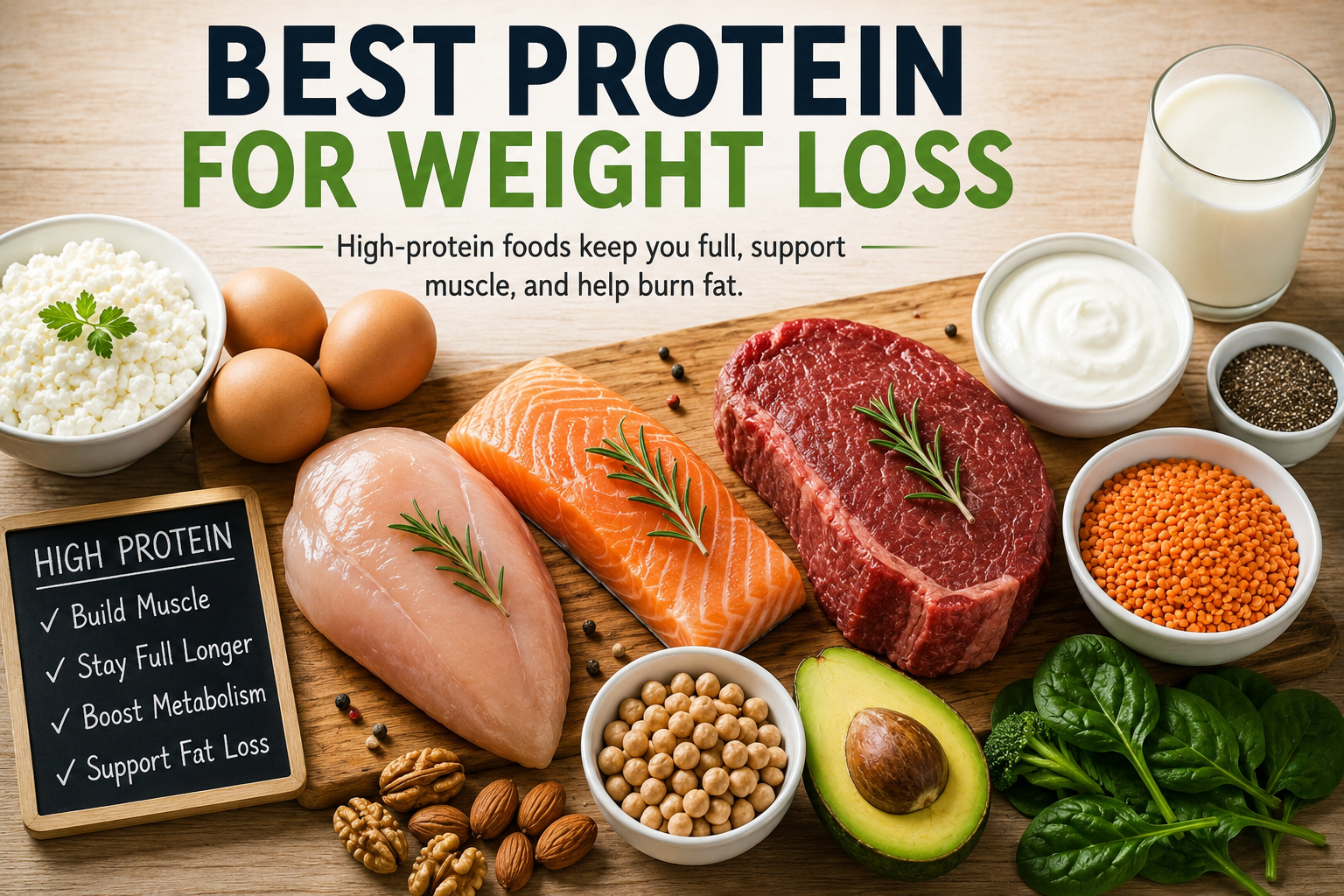
What is the best protein for weight loss? The best protein is one that helps you stay full, supports muscle maintenance, and fits into a balanced calorie-controlled diet. Lean animal proteins and high-quality plant proteins can both support healthy weight management.
Protein has become one of the most important nutrients for people trying to lose fat because it increases satiety and helps preserve lean muscle during calorie restriction. Combined with exercise and healthy eating habits, higher protein intake may improve long-term weight loss success.
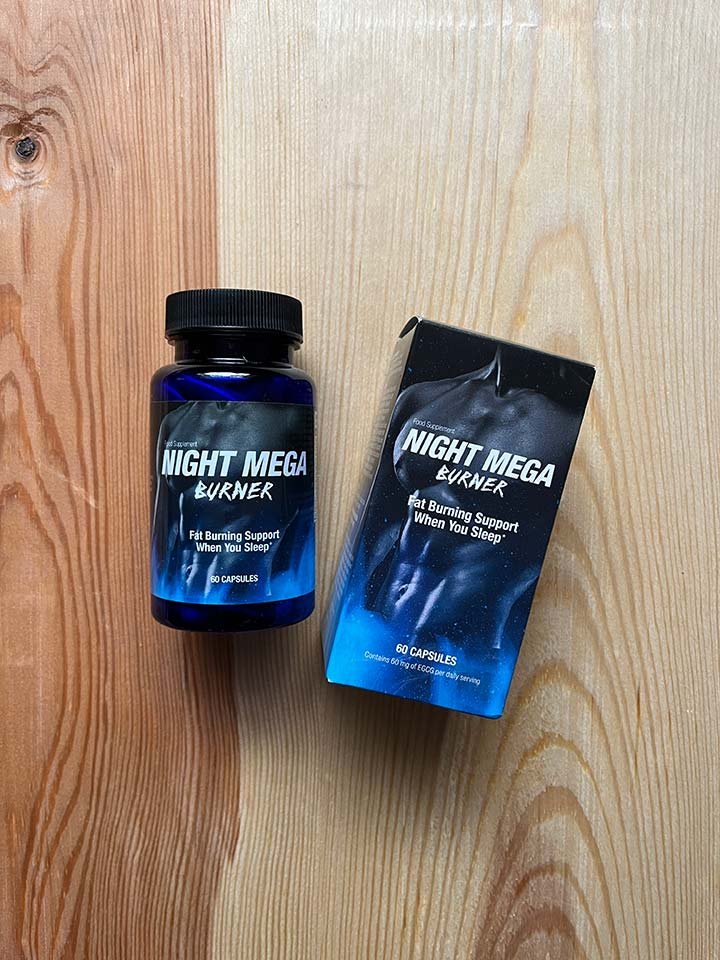
Table of Contents
- Why Protein Matters
- Best Protein Sources
- Animal vs Plant Protein
- How Much Protein Do You Need?
- Can Supplements Support Weight Loss?
- Practical Tips
- Key Takeaways
- FAQ
- Conclusion
Why Is Protein Important for Weight Loss?
Quick Answer
Protein helps reduce hunger, supports muscle retention, and increases fullness, making it easier to maintain a calorie deficit.
Studies referenced by organizations such as NIH and Harvard Health suggest that higher protein intake may help reduce appetite while preserving muscle mass during weight loss.
Moreover, digesting protein requires more energy than digesting carbohydrates or fat, slightly increasing calorie expenditure.
Best Protein Sources for Weight Loss
Quick Answer
Lean protein sources that are low in saturated fat and rich in nutrients are often the best choices.
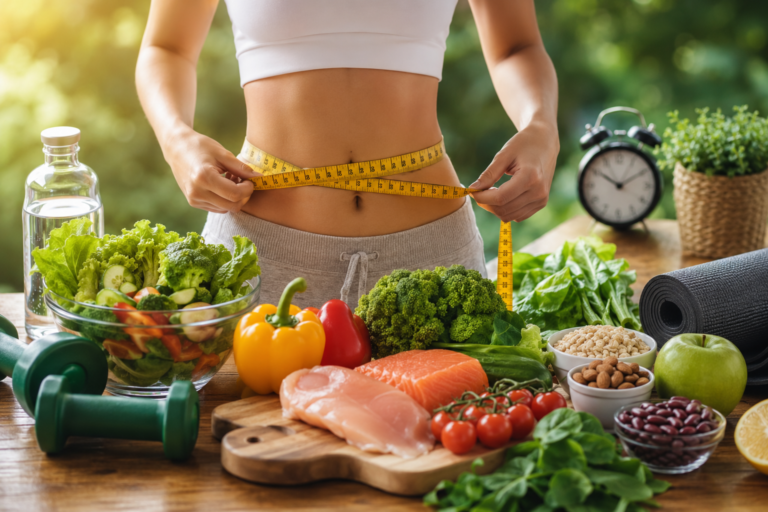
Excellent options include:
- Chicken breast
- Turkey
- Fish
- Eggs
- Greek yogurt
- Cottage cheese
- Tofu
- Lentils
- Beans
- Whey protein
These foods provide essential amino acids while helping control hunger throughout the day.
Animal Protein vs Plant Protein
Quick Answer
Both animal and plant proteins can support weight loss when included in a balanced diet.
Animal protein generally contains all essential amino acids and is highly digestible.
Plant protein provides fiber and beneficial nutrients that may improve fullness and digestive health.
Many experts recommend combining both sources for better nutritional balance.
How Much Protein Should You Eat?
Quick Answer
Many active adults aiming for weight loss benefit from consuming around 1.2–1.6 grams of protein per kilogram of body weight each day.
Protein needs vary depending on age, body composition, activity level, and health status.
Distributing protein across meals may improve muscle maintenance and appetite control.
Can Supplements Support a Healthy Weight Loss Plan?
Quick Answer
Dietary supplements are often marketed to complement healthy eating and exercise habits. However, they should not replace balanced nutrition or physical activity.
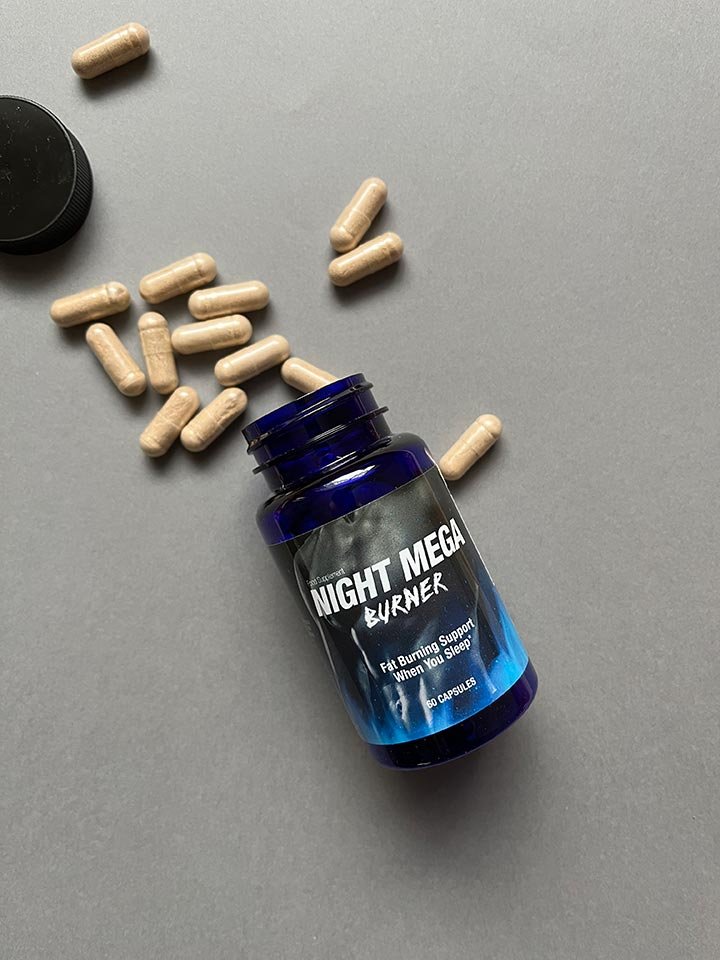
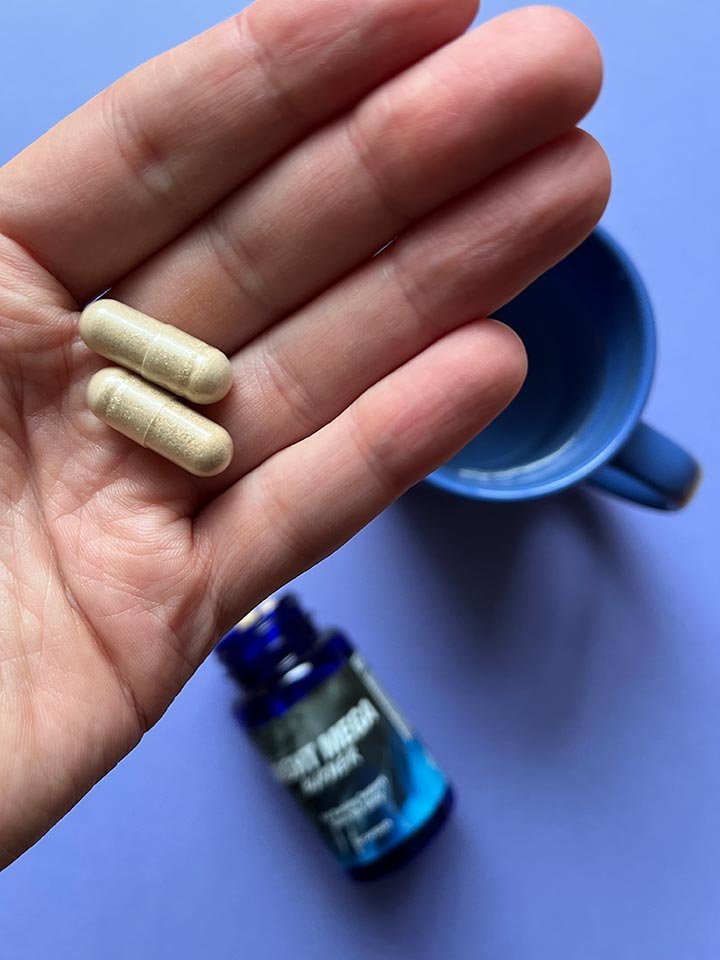
Night Mega Burner is promoted as a nighttime food supplement containing botanical extracts, vitamins, and minerals intended to support normal metabolism and relaxation as part of an overall wellness routine. Individual results may differ.
High-Protein Foods That Keep You Full Longer
Protein-rich foods often reduce hunger better than highly processed snacks.
Healthy choices include:
- Eggs
- Tuna
- Salmon
- Skinless chicken
- Greek yogurt
- Cottage cheese
- Edamame
- Chickpeas
Eating protein together with vegetables and fiber-rich foods may further improve satiety.
Practical Tips for Better Weight Loss
Simple habits often make the biggest difference.
- Eat protein with every meal.
- Drink enough water.
- Walk daily.
- Strength train twice weekly.
- Sleep seven to eight hours.
- Avoid sugary drinks.
Key Takeaways
| Topic | Summary |
| Protein | Helps control hunger |
| Weight Loss | Supports calorie deficit |
| Muscle | Helps preserve lean mass |
| Best Sources | Lean meats, fish, dairy, legumes |
| Supplements | May complement healthy habits |
Frequently Asked Questions
What is the best protein for losing belly fat?
No protein specifically targets belly fat. However, adequate protein intake may support overall fat loss while preserving muscle.
Is whey protein good for weight loss?
Whey protein can be useful when it helps increase daily protein intake without adding excessive calories.
Can plant protein help with weight loss?
Yes. Beans, lentils, soy foods, and peas provide protein and fiber that may increase fullness.
How much protein should I eat daily?
Many adults trying to lose weight aim for 1.2–1.6 grams per kilogram of body weight, depending on activity level.
Is too much protein harmful?
Excessive protein intake may not be appropriate for everyone, especially people with kidney disease. Professional guidance may be appropriate in some situations.
Can protein replace exercise?
No. Protein supports muscle maintenance, but exercise remains essential for overall health and body composition.
Are protein shakes necessary?
No. Whole foods can provide enough protein for many people, although shakes may offer convenience.
Does eating more protein burn more fat?
Protein may support fat loss indirectly by improving fullness and helping preserve muscle during calorie restriction.
Conclusion
Protein is one of the most valuable nutrients for healthy weight loss because it supports fullness, preserves muscle, and helps maintain a calorie deficit. The best protein sources include lean meats, fish, dairy products, legumes, and soy foods as part of a balanced eating pattern.
Although some people choose dietary supplements to complement their routine, sustainable weight loss still depends on nutritious eating, physical activity, quality sleep, and consistent healthy habits.
Start adding high-quality protein to every meal, stay active, and build sustainable habits that support long-term weight management and overall health.