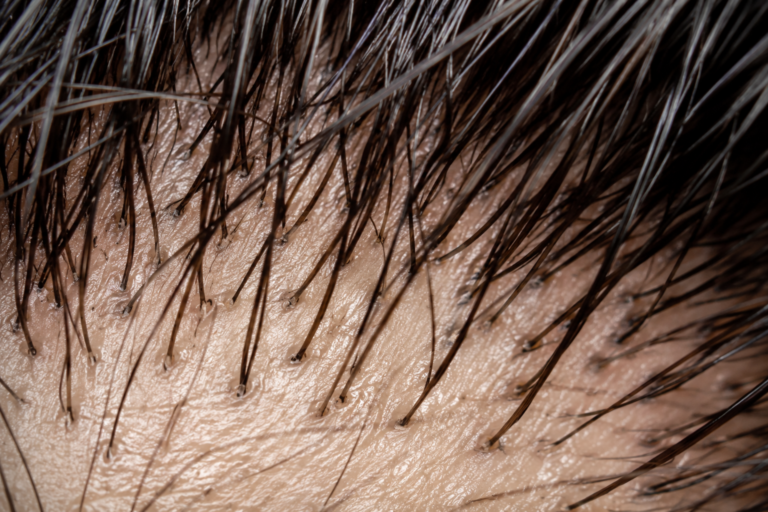
Hair Regrowth Timeline: The Painful Truth You Cannot Ignore
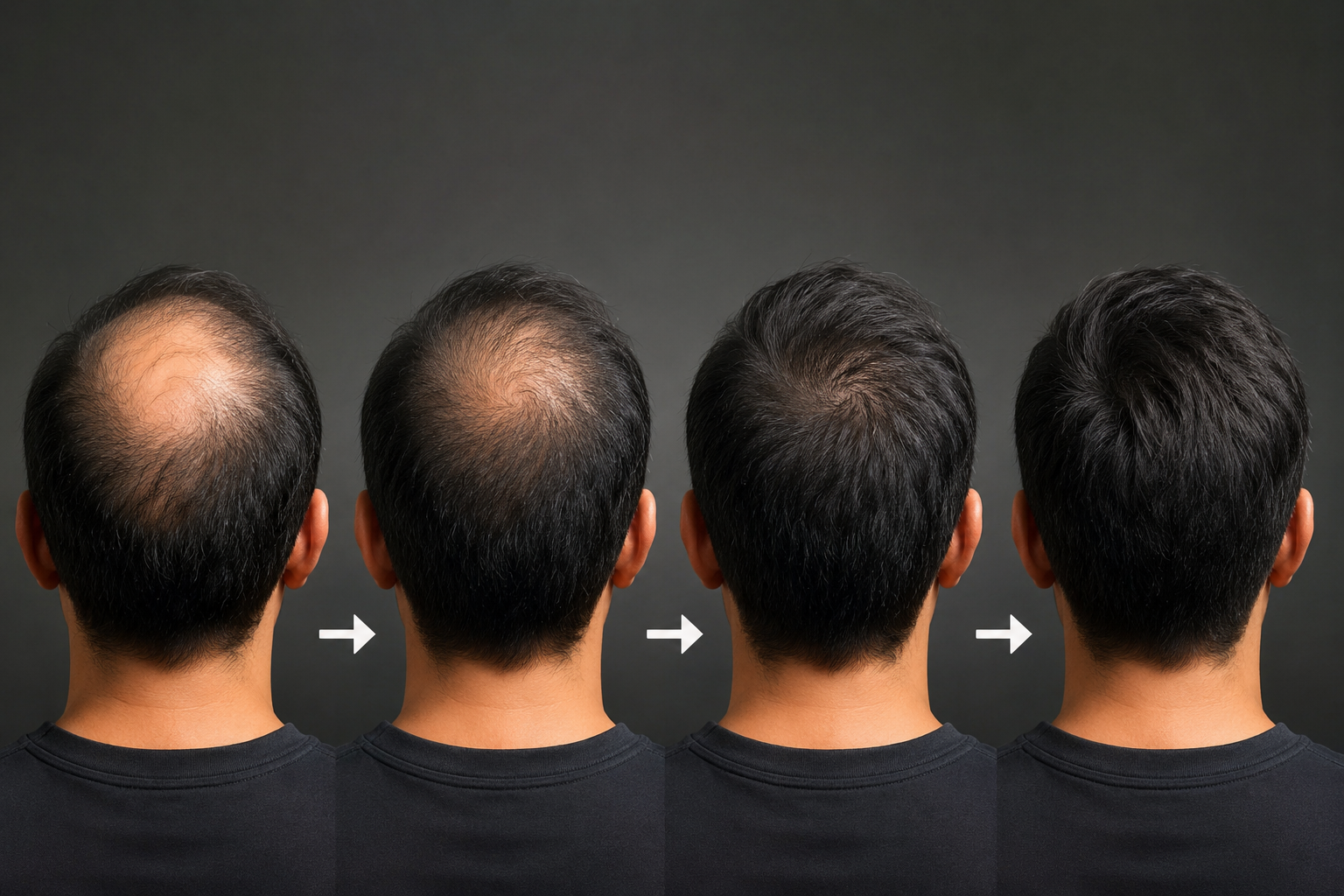
Losing your hair feels like watching your confidence slip away in real-time. You look in the mirror every morning, desperately hoping to see new sprouts of growth. Instead, you face the same stubborn patches.
The agonizing wait makes you wonder if your follicles are permanently dead or just resting. Understanding the biological timeline of hair growth is the only way to stop wasting time on solutions that fail.
Table of Contents
- The Biological Reality of the Hair Growth Cycle
- How Long Does Hair Take to Grow Back After Different Types of Shedding?
- The Shocking Rate of Normal Hair Growth Per Month
- Crucial Factors That Delay and Stunt Hair Regrowth
- The Devastating Impact of Male Pattern Baldness on Follicles
- How to Revitalize Dormant Follicles and Accelerate Growth
- Frequently Asked Questions (FAQ)
- Conclusion
The Biological Reality of the Hair Growth Cycle
Your hair does not grow continuously. Every single strand on your head operates on an independent, highly regulated biological clock. This cellular clock contains four specific phases.
The Anagen Phase
The anagen phase represents the active growth period. Your hair follicles divide rapidly, creating new cells that form the hair shaft. Approximately 85% to 90% of your healthy scalp hairs remain in this state at any given moment. This phase lasts between two and six years, determining your maximum potential hair length.
The Catagen Phase
Next comes the catagen phase, which is a brief transitional state. This phase lasts for roughly two to three weeks. During this period, the hair follicle shrinks, and the hair shaft detaches from the underlying dermal papilla blood supply.
The Telogen and Exogen Phases
Finally, your hair enters the telogen phase, also known as the resting period. For three to four months, the old hair sits dormant while a new hair begins to form beneath it. The cycle concludes with the exogen phase, where the old strand finally sheds from the scalp.
How Long Does Hair Take to Grow Back After Different Types of Shedding?
The precise timeline for hair recovery depends entirely on the root cause of your hair loss. If you do not address the specific trigger, your hair cannot recover.
Telogen Effluvium Recovery Timeline
Telogen effluvium occurs after severe physical stress, high fever, surgery, or intense emotional trauma. This shock forces up to 70% of your active anagen hairs into the resting phase simultaneously.
You will notice massive shedding roughly two to three months after the triggering event. Fortunately, this condition is temporary. Once the primary trigger subsides, your hair typically takes three to six months to start growing back. However, achieving your previous volume can take a full year.
Alopecia Areata Regrowth Expectations
Alopecia areata is a complex autoimmune condition. Your immune system mistakenly attacks your hair follicles, causing distinct, round bald patches.
Predicting regrowth for this condition is challenging. For many individuals, hair grows back naturally within one year without medical intervention. Yet, the new hair often returns white or fine before regaining its natural color and thickness.
Traumatic Shedding and Stress Impacts
Severe nutritional deficiencies or aggressive styling habits can cause physical trauma to the scalp. If you constantly pull your hair or use harsh chemical treatments, you damage the surrounding skin structure.
Once you eliminate these destructive habits, your scalp requires two to three months to repair its internal cellular matrix. Only then can healthy hair strands begin to emerge from the surface.

The Shocking Rate of Normal Hair Growth Per Month
Many commercial products promise instantaneous overnight miracles. However, human biology dictates a very strict speed limit on hair production.
According to established dermatological data, human scalp hair grows at an average rate of 0.5 inches per month. This means your hair grows approximately 6 inches per year.
This baseline rate remains virtually identical across genders, though genetic variations can cause minor differences. If you are waiting for hair to grow from your crown to your shoulders, you must prepare for a multi-year journey.
Crucial Factors That Delay and Stunt Hair Regrowth
You might feel like your hair has completely stopped growing. In many cases, specific internal and external factors actively stunt your cellular recovery.
Nutritional Deficiencies
Your hair follicles require a massive amount of metabolic energy to produce new cells. A lack of essential micronutrients halts this production instantly.
- Iron: Low iron levels compromise oxygen delivery to your hair roots.
- Zinc: A deficiency disrupts cellular repair and protein synthesis.
- Biotin and Vitamin D: Insufficient levels stall the signaling pathways required to initiate the anagen phase.
Scalp Health and Microcirculation
A healthy scalp provides the literal foundation for hair growth. Chronic inflammation, excessive sebum buildup, and poor blood flow starve your hair follicles.
When your microcirculation drops, your blood cannot deliver vital oxygen to the dermal papilla. This lack of circulation causes the hair shaft to weaken, thin out, and fall out prematurely.
The Devastating Impact of Male Pattern Baldness on Follicles
Androgenetic alopecia, commonly known as male pattern baldness, is the most frequent cause of permanent hair thinning in men. This condition does not happen overnight.
The Role of DHT
The process is driven by dihydrotestosterone (DHT), a potent derivative of testosterone. If you possess a genetic sensitivity to DHT, this hormone binds to receptors in your scalp follicles.
Follicular Miniaturization Explained
Once DHT binds to the receptors, it initiates a destructive process called follicular miniaturization. During this process, each progressive hair cycle produces a shorter, thinner, and weaker strand.
[Healthy Follicle] -> [DHT Binding] -> [Miniaturized Follicle] -> [Fibrosis / Baldness]
Eventually, the follicle shrinks to a microscopic size. It loses the ability to penetrate the scalp surface, leaving behind a smooth, bald area. If left untreated, these miniaturized follicles undergo fibrosis and lose their ability to grow hair forever.
How to Revitalize Dormant Follicles and Accelerate Growth
You cannot simply wait around and hope your hair fixes itself. You must proactively intervene to block destructive hormones, cleanse the scalp, and stimulate blood flow.
Optimizing Your Cleansing Routine
Standard commercial shampoos often contain harsh sulfates and parabens that irritate inflamed scalps. To fix this, men need a targeted solution that cleanses deeply while delivering active hair-strengthening ingredients.
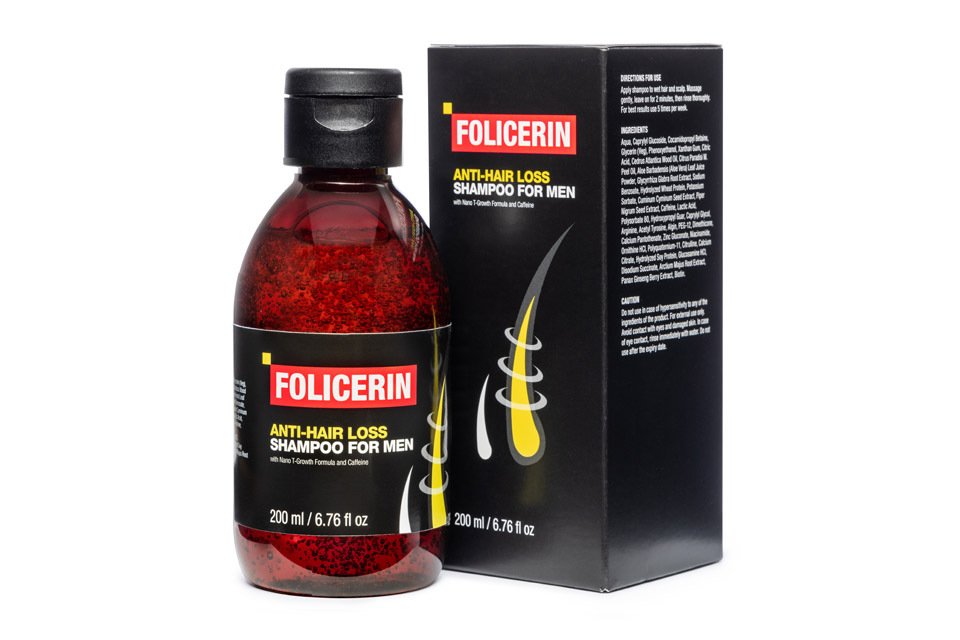
Using Folicerin anti-hair loss shampoo eliminates hair shedding while thickening new strands rapidly. This specific formula uses advanced biopolymer particles to stabilize its active ingredients, ensuring they penetrate deep into your follicles. By removing excess sebum and reducing scalp irritation, it creates the perfect environment for accelerated regrowth.
Improving Scalp Microcirculation
To speed up the transition from the resting phase to the active growth phase, you must boost local blood flow. This powerful modern shampoo enhances scalp microcirculation to feed hungry hair roots instantly.
Pairing a stimulating wash with regular scalp massages increases vascular delivery to the dermal papilla. This double-action approach ensures your follicles receive the nutrients required to build strong, resilient hair shafts.
Natural DHT Blockers and Nutrients
Consuming a diet rich in pumpkin seed oil, green tea extract, and saw palmetto can help modulate internal hormone levels. When combined with a premium topical treatment, you create a powerful defense system.
Frequently Asked Questions (FAQ)
Can dead hair follicles grow back?
No, truly dead follicles that have undergone fibrosis cannot grow new hair. However, follicles that are simply dormant or miniaturized by DHT can be revived with the right therapeutic treatments.
Does cutting hair make it grow faster?
No. Trimming the ends of your hair does not affect the follicles inside your scalp. It merely removes split ends, making the hair look healthier and preventing breakage.
How can I tell if my hair is growing back?
Look closely for short, fine, flyaway hairs along your hairline or parting space. These new sprouts often look like peach fuzz initially before turning into thick terminal hairs.
Does stress permanently stop hair growth?
Temporary stress causes telogen effluvium, which resolves once the stress leaves. However, chronic unmanaged stress can prolong shedding and delay the normal return of the growth cycle.
What is the fastest way to stimulate hair growth?
The fastest method involves a multi-pronged approach: blocking DHT locally, improving scalp blood flow, and maintaining optimal nutrition. (Incorporating Folicerin into your daily routine offers the ultimate shortcut to thicker, stronger hair.)
Conclusion
Hair regrowth is a slow biological process that requires patience, discipline, and the right tools. While normal hair only grows half an inch per month, you can prevent delays by taking control of your scalp health today. Stop waiting for a miracle and start using a validated routine to protect your hair before it is too late.