Hair Thinning: The Hidden Truth Healthy Men Need
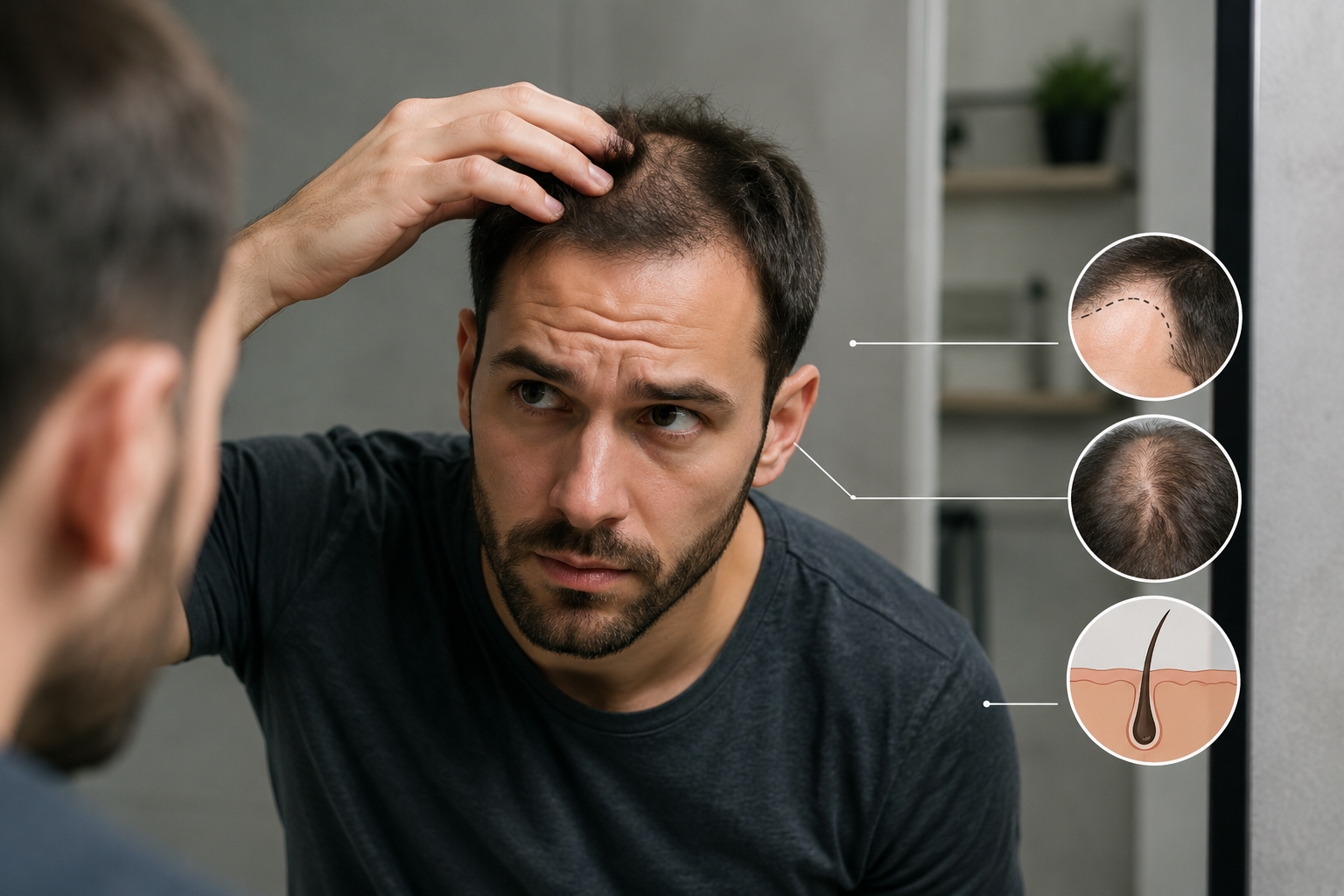
You eat well, exercise regularly, and manage your health carefully. Yet, every morning brings the same frustrating realization in the mirror. Your hair looks thinner, your crown seems more visible, and your hairline is steadily retreating. It feels unfair. Why is your hair thinning when your body feels completely healthy?
This confusion often leads to deep frustration. Many men begin avoiding bright lighting, constantly adjusting their caps, or hesitating before joining group photos. Seeing more hair in the shower drain can silently erode your daily confidence.
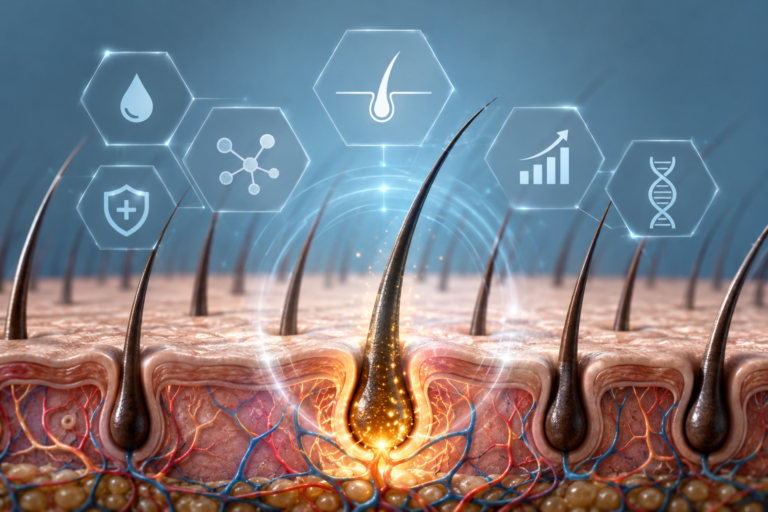
Here is the truth: systemic body health does not always guarantee follicular health. Hair follicles respond to micro-level hormonal signals, local scalp microcirculation, and specific nutrient pathways that general health habits might miss.
Understanding this distinction is the first step toward regaining control. Let us explore the hidden triggers behind healthy hair thinning and look at practical steps to support a fuller, healthier mane.
Quick Navigation Guide
- The Hidden Paradox: Internal Health vs. Hair Health
- Hormones and Genetics: The Unseen Trigger
- Micro-Nutrient Deficiencies in Active Lifestyles
- Subtle Stress and Scalp Microcirculation
- What Happens If You Ignore Hair Thinning?
- Comparing Hair Care Strategies
- Building an Effective Daily Hair Routine
- Frequently Asked Questions
- Conclusion and Actionable Steps
The Hidden Paradox: Internal Health vs. Hair Health
It is easy to assume that a clean diet and strong cardiovascular health mean perfect hair growth. However, hair follicles are among the most metabolically active structures in your body. They are often the first to reflect microscopic shifts inside your system.
Your body prioritizes vital organs like your heart, liver, and brain over non-essential tissues like hair. Even minor physiological stresses can cause your body to divert nutrients away from your scalp.
Consider Mark, a 34-year-old fitness coach. Mark trained daily, maintained low body fat, and slept eight hours a night. Despite his peak condition, he noticed his hair thinning at the temples. His routine was excellent, but localized follicle sensitivities were quietly working against him.
Key Takeaway: General physical fitness does not automatically protect your hair follicles from targeted hormonal and genetic factors.
Understanding this paradox helps shift your mindset from confusion to targeted action.
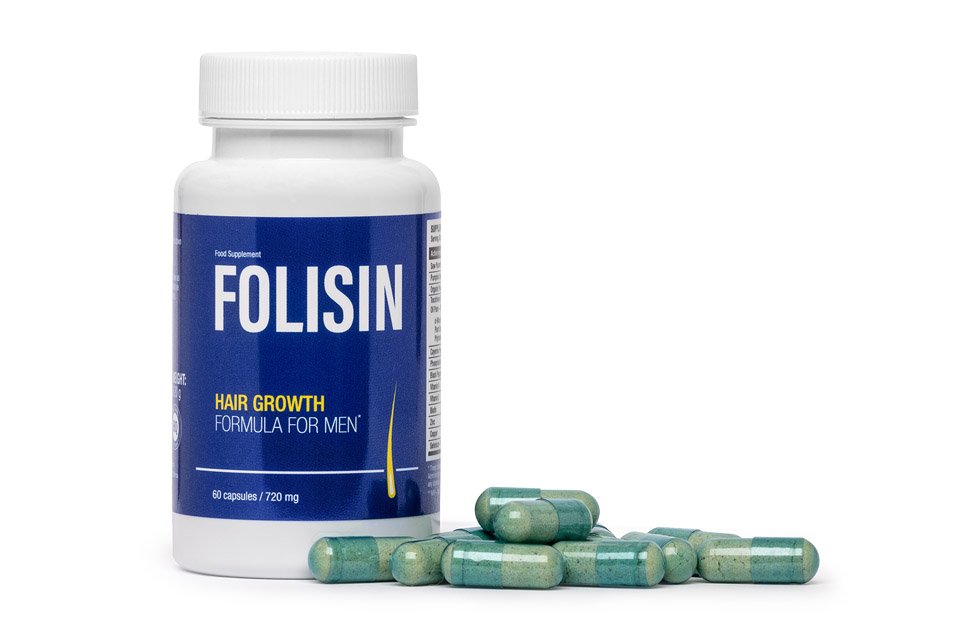
(If you are looking for a practical way to support your daily hair care routine, exploring specialized supplements like Folisin can be a helpful step.)
Hormones and Genetics: The Unseen Trigger
The primary culprit behind healthy hair thinning in men is androgenetic alopecia, commonly known as male pattern hair loss. This condition is driven primarily by dihydrotestosterone (DHT), a byproduct of testosterone.
Testosterone ---> [5-Alpha Reductase Enzyme] ---> DHT ---> Hair Follicle Shrinkage
Having healthy testosterone levels is essential for energy, muscle mass, and vitality. However, the enzyme 5-alpha reductase converts a portion of that testosterone into DHT. If your hair follicles are genetically sensitive to DHT, this hormone causes them to shrink over time.
How DHT Affects Healthy Follicles
- Miniaturization: Follicles produce progressively shorter, thinner hair strands.
- Shortened Anagen Phase: The active growth phase of the hair cycle reduces significantly.
- Reduced Scalp Coverage: Fine vellus hair replaces thick terminal hair, leading to visible thinning.
Because this sensitivity operates at a cellular level, traditional health habits alone may not block DHT’s interaction with your hair roots.
(Many men complement their lifestyle habits with targeted formulations like Folisin to support balanced testosterone levels and nourish hair roots.)

Micro-Nutrient Deficiencies in Active Lifestyles
Active individuals and fitness enthusiasts often follow clean diets that unknowingly lack specific micro-nutrients vital for hair keratin production.
| Nutrient | Role in Hair Health | Signs of Deficiency in Hair |
| Zinc | Protein synthesis and tissue repair | Increased shedding, brittle strands |
| Biotin (B7) | Keratin infrastructure support | Weakened hair structure, slow growth |
| Selenium | Antioxidant protection against stress | Dull appearance, scalp imbalance |
| Iron/Ferritin | Oxygen transport to hair roots | Diffuse thinning across the scalp |
High-protein diets or intense training routines can increase your body’s demand for these specific micronutrients. When supply drops below optimal levels, hair growth slows down.
Ensuring your diet includes balanced trace minerals helps maintain the ideal environment for active follicle growth.
(Checking your daily intake of key hair nutrients or considering a targeted nutrient blend like Folisin can help bridge these subtle dietary gaps.)
Subtle Stress and Scalp Microcirculation
You may not feel overwhelmed by mental stress, but physical stressors like intense exercise, strict caloric restriction, or insufficient recovery can elevate cortisol levels.
Elevated cortisol can affect microcirculation—the tiny network of blood vessels supplying oxygen and nutrients to the scalp.
The Impact of Reduced Scalp Circulation
- Nutrient Restriction: Follicles receive fewer building blocks for hair synthesis.
- Waste Accumulation: Metabolic byproducts near the follicle root are cleared less efficiently.
- Telogen Shift: Follicles enter the resting phase prematurely, leading to increased daily shedding.
Improving local microcirculation through scalp massage and balanced daily care ensures your follicles receive the blood flow necessary to remain strong.
(Building a consistent regimen that combines physical scalp care with supportive nutrients like Folisin offers a well-rounded strategy for maintaining hair density.)

What Happens If You Ignore Hair Thinning?
Hair thinning rarely resolves on its own when underlying genetic or hormonal factors are involved. Ignoring early signs often leads to progressive follicle miniaturization.
When a follicle remains miniaturized for too long, it may eventually lose its ability to produce visible hair entirely.
Early Thinning ---> Progressive Shrinkage ---> Inactive Follicle ---> Permanent Loss
Addressing hair thinning early gives you the widest range of practical options. Taking proactive steps today helps preserve existing hair density and supports long-term hair health.
(Taking action early with a supportive routine like Folisin can help you preserve healthy-looking hair before thinning becomes more advanced.)
Comparing Hair Care Strategies
Choosing the right approach depends on your personal goals, budget, and preference for daily routines.
                   ┌─────────────────────────────────────────┐
                   │        Hair Care Strategies            │
                   └────────────────────┬────────────────────┘
                                        │
         ┌──────────────────────────────┼──────────────────────────────┐
         ▼                              ▼                              ▼
┌──────────────────┐          ┌──────────────────┐          ┌──────────────────┐
│ Clinical Options │          │  Nutritional Care │          │ Topical Products │
│ (Targeted Care)  │          │ (Systemic Blend) │          │ (External Care)  │
└──────────────────┘          └──────────────────┘          └──────────────────┘
Option A: Clinical Interventions
- Pros: Direct targeted action on biological pathways.
- Cons: May require ongoing maintenance, variable costs, potential side effects.
Option B: Targeted Nutritional Support
- Pros: Easy to maintain, nourishes from within, supports overall scalp environment.
- Cons: Requires consistency over several months to observe optimal results.
Option C: External Topical Serums
- Pros: Direct local application to areas of concern.
- Cons: Can leave residue; benefits stop if routine is discontinued.
A comprehensive approach that combines internal nutritional support with healthy lifestyle choices typically offers the most sustainable pathway.
(If you prefer a practical, natural food supplement designed specifically for men’s hair needs, Folisin provides a multi-ingredient approach to support your hair health.)
Building an Effective Daily Hair Routine
To maintain stronger, fuller-looking hair while leading an active life, implement this straightforward step-by-step strategy:
- Optimize Scalp Hygiene: Wash your hair regularly with a mild, nutrient-rich shampoo to keep hair follicles clean and free of sebum buildup.
- Perform Daily Scalp Massages: Spend 3–5 minutes daily massaging your scalp with your fingertips to stimulate natural blood flow.
- Maintain Mineral Balance: Ensure your meals include zinc, selenium, and essential amino acids.
- Integrate Targeted Support: Combine clean nutrition with a dedicated daily supplement created specifically for male hair patterns.
- Monitor Stress Levels: Prioritize adequate sleep and active recovery after strenuous workouts.
Cleanse Scalp ---> Stimulate Circulation ---> Nourish Internally ---> Protect Daily
Consistency is essential. Hair grows in slow cycles, so sticking to your chosen routine over time yields the best results.
(Ready to take charge of your hair care routine? Learn more about how Folisin can complement your daily habit.)
Frequently Asked Questions
Why is my hair thinning if my blood tests come back normal?
Standard blood tests check for severe clinical deficiencies or disease, not subtle shifts in DHT sensitivity or scalp microcirculation. Your hair follicles can still experience localized stress even when general health markers look fine.
Can wearing hats or caps cause hair thinning?
Hats do not cause pattern hair loss. Unless a cap is tight enough to cause physical traction on the hair roots, it will not trigger genetic or hormonal thinning.
How long does it usually take to see improvements in hair appearance?
Hair grows roughly half an inch per month. Because of the natural hair growth cycle, continuous support over 3 to 6 months is typically needed to notice improvements in hair texture and thickness.
Does working out increase DHT and cause hair loss?
Heavy weightlifting can temporarily boost circulating testosterone, but regular exercise is overall beneficial for health and blood circulation. Physical exercise alone will not cause hair loss unless you have an underlying genetic sensitivity to DHT.
Can stress-related hair shedding be reversed?
Yes. Hair shedding caused by temporary stress (telogen effluvium) usually resolves once stress levels normalize and proper nutrient balance is restored to the hair follicles.
Conclusion and Actionable Steps
Experiencing hair thinning while living a healthy lifestyle can be disorienting, but it is a common challenge with clear biological causes. Genetic predispositions, micro-nutrient gaps, and localized DHT effects can influence your hair regardless of your fitness level.
Instead of waiting for hair loss to progress, taking proactive steps today gives you the best opportunity to support thicker, healthier-looking hair.
Evaluate your current routine, optimize your daily nutrient intake, and consider adding specialized support tailored for men’s hair health.