Hair Loss: Causes, Symptoms, and Effective Solutions
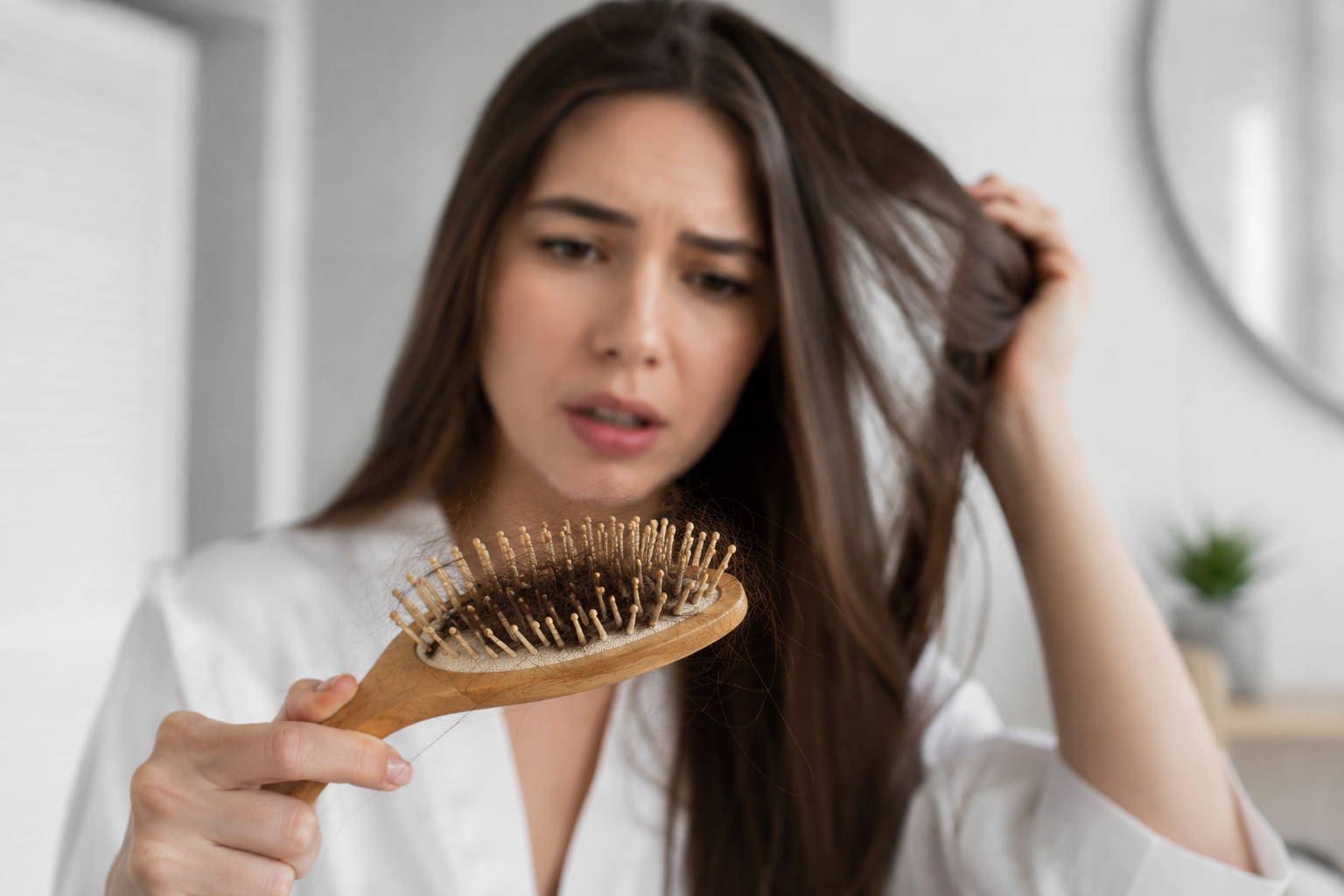
Hair loss is one of the most common problems affecting both men and women worldwide. While losing a few strands of hair every day is normal, excessive hair shedding can be a sign of an underlying issue. Understanding the causes of hair loss and the available treatment options can help you maintain healthy and strong hair.
What Is Hair Loss?
Hair loss, also known as alopecia, occurs when hair falls out faster than it grows back. It can affect the scalp or the entire body and may be temporary or permanent. The condition can develop gradually over time or appear suddenly.
Common Causes of Hair Loss
Several factors can contribute to hair loss, including:
1. Genetics
Hereditary hair loss is the most common cause of baldness. It often develops with age and affects both men and women.
2. Hormonal Changes
Hormonal imbalances caused by pregnancy, menopause, thyroid disorders, or other medical conditions can trigger hair shedding.
3. Stress
Physical or emotional stress can push hair follicles into a resting phase, leading to noticeable hair loss a few months later.
4. Nutritional Deficiencies
A lack of essential nutrients such as iron, zinc, vitamin D, and protein may weaken hair follicles and slow hair growth.
5. Medical Conditions
Certain illnesses, including autoimmune diseases and scalp infections, can lead to temporary or permanent hair loss.
Symptoms of Hair Loss
Common signs of hair loss include:
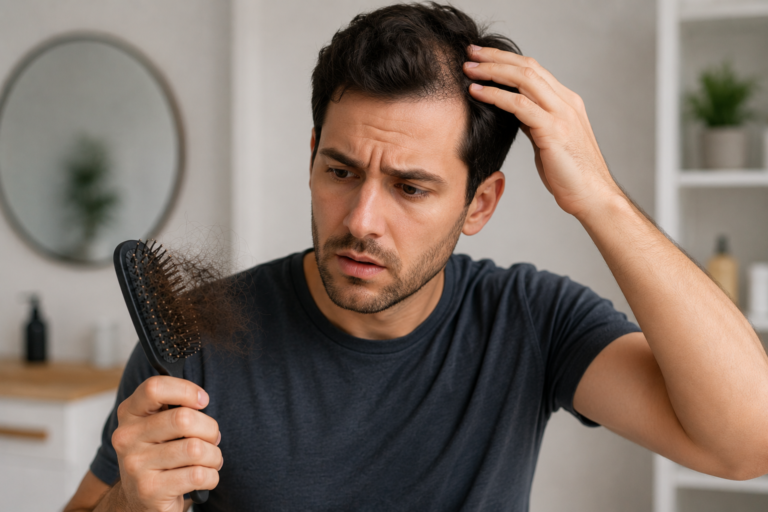
- Increased hair shedding during brushing or washing.
- A widening part line.
- Receding hairline.
- Thinning hair on the crown.
- Bald patches on the scalp.
How to Prevent Hair Loss
Although not all types of hair loss can be prevented, these habits may help maintain healthy hair:
- Eat a balanced diet rich in vitamins and minerals.
- Avoid excessive heat styling and harsh chemical treatments.
- Manage stress through exercise and relaxation techniques.
- Use gentle hair care products suitable for your hair type.
- Get regular health checkups to identify underlying medical conditions.
Effective Treatments for Hair Loss
Treatment depends on the underlying cause. Common options include:
Medications
Some medications can help slow hair loss and stimulate new hair growth when used consistently.
Lifestyle Changes
Improving nutrition, reducing stress, and adopting healthy hair care practices can significantly improve hair health.
Hair Transplant Surgery
For advanced hair loss, hair transplantation may provide a long-term solution by relocating healthy hair follicles to thinning areas.
Professional Consultation
A dermatologist or hair specialist can diagnose the cause of hair loss and recommend the most appropriate treatment plan.
Frequently Asked Questions
Is it normal to lose hair every day?
Yes. Most people lose between 50 and 100 hairs per day as part of the natural hair growth cycle.
Can hair loss be reversed?
In many cases, hair loss can be slowed, treated, or reversed depending on its cause and how early treatment begins.
Which vitamin deficiency causes hair loss?
Deficiencies in vitamin D, iron, zinc, biotin, and protein are commonly associated with hair thinning and shedding.
When should I see a doctor?
You should consult a healthcare professional if you experience sudden hair loss, patchy bald spots, or significant thinning over a short period.
Conclusion
Hair loss can result from genetics, hormonal changes, stress, nutritional deficiencies, or medical conditions. Identifying the root cause is the first step toward effective treatment. By maintaining a healthy lifestyle and seeking professional advice when necessary, you can improve hair health and reduce excessive hair loss.