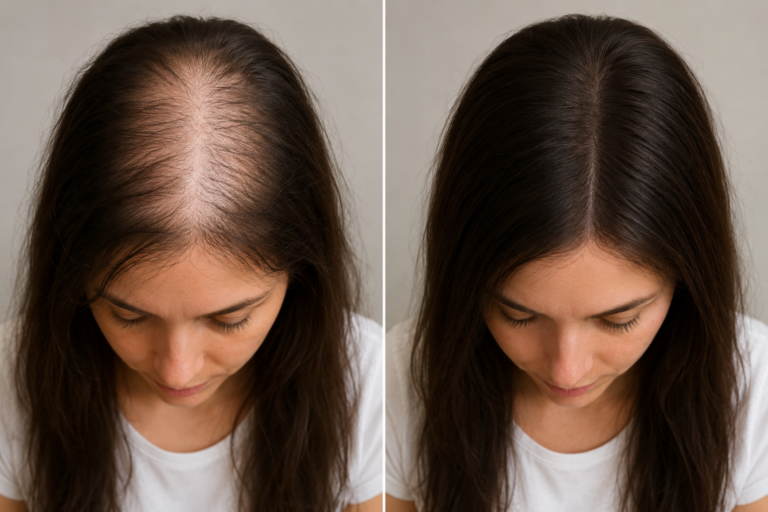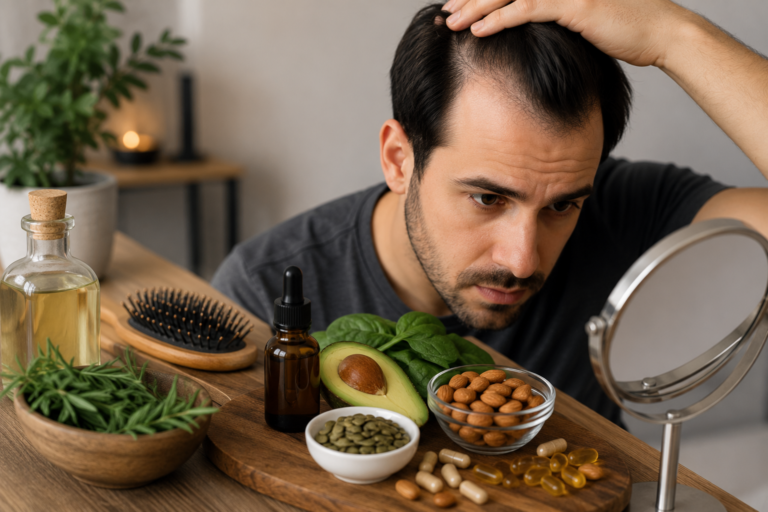
Why Is My Hair Losing So Much After Weight Loss? 9 Proven Fixes
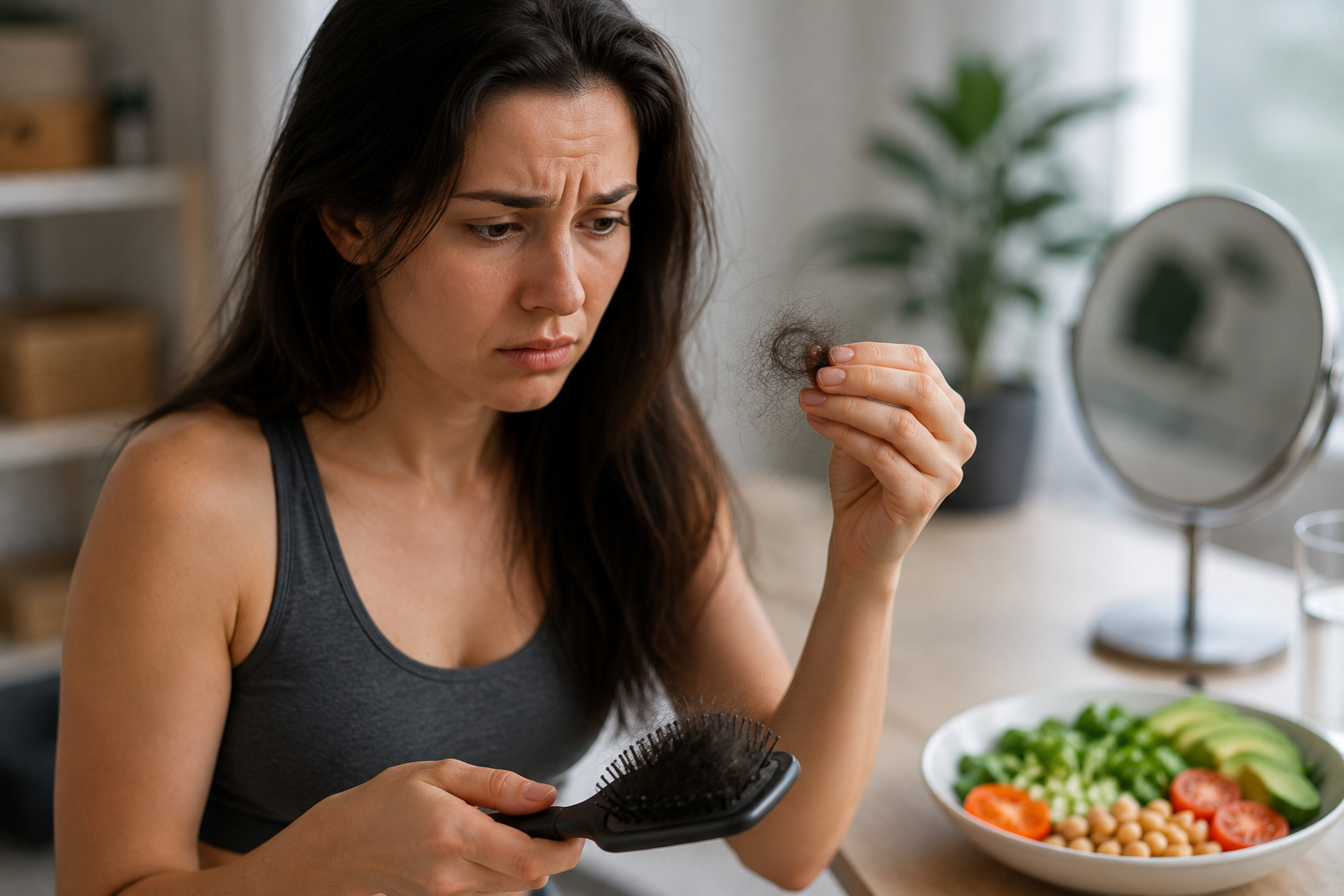
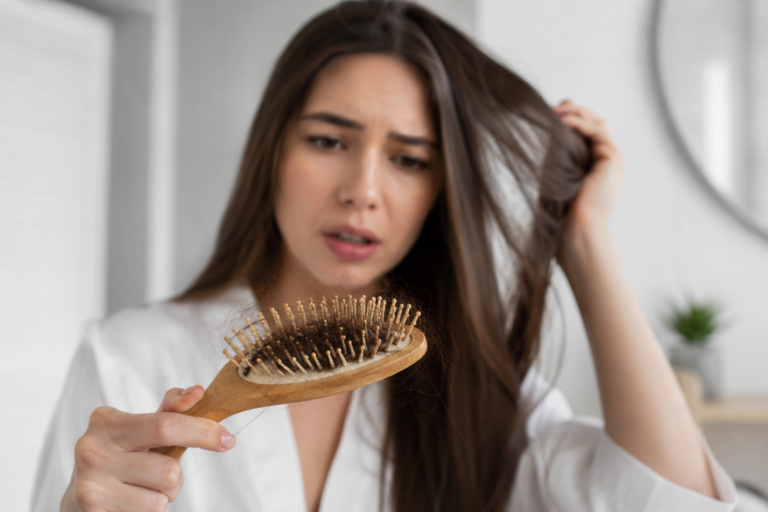
You step on the scale and celebrate hitting your fitness goals. Then, you step into the shower, glance down, and feel a pit form in your stomach. Strands of hair coat the drain, far more than you have ever seen before. Panic sets in instantly. You wonder: Why is my hair losing so much density when I am finally getting healthy?
Hair loss hits deeply because your hair directly connects to your identity, self-esteem, and personal style. Watching your hair thin can undermine the very confidence you built while losing weight. It affects how you show up in photos, how you feel on dates, and how comfortable you feel in your professional life. The daily stress of seeing loose hair on your pillow, clothes, and brush turns every morning routine into an anxious ordeal.
Fortunately, post-weight-loss hair shedding is rarely permanent. Your body is simply reacting to metabolic stress. By understanding the underlying biology, you can take control, restore your nutritional balance, and reactivate dormant hair follicles.
What Is Hair Loss?
Hair loss, medically referred to as alopecia, occurs when the normal cycle of hair shedding and growth gets disrupted. Under typical conditions, individual hair strands continuously transition through distinct phases of growth, regression, and rest. When physiological stress interrupts this cycle, follicles enter the resting phase prematurely, leading to noticeable hair thinning across the scalp.
How Much Hair Loss Is Normal?
The average human scalp contains roughly 100,000 hair follicles. Shedding between 50 to 100 hairs per day is completely normal and healthy. These shed hairs make way for new growth from the same follicle.
Hair Cycle Phases:
[ Anagen (Growth Phase) ] ---> [ Catagen (Transition Phase) ] ---> [ Telogen (Resting Phase) ] ---> [ Exogen (Shedding Phase) ]
  85-90% of scalp hair           1-2% of scalp hair                 10-15% of scalp hair               50-100 hairs/day
Signs You Should Be Concerned
While daily shedding is natural, specific warning signs indicate excessive hair loss that requires proactive care:
- Clumps of hair coming out while shampooing or gently combing.
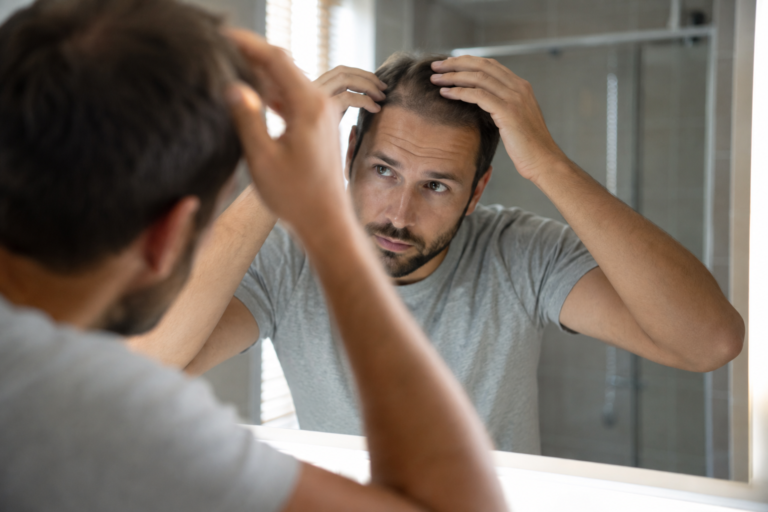
- A visibly widening part line or receding hair line.
- Overall diffuse thinning that makes your scalp visible under bright lighting.
- Sudden patches of baldness appearing across the scalp.
- Scalp irritation, redness, scaling, or burning sensations accompanying the hair loss.
The Primary Causes of Hair Loss
To solve hair shedding, you must identify what is triggering your hair follicles to shut down. Hair loss stems from several overlapping physiological factors.
1. Weight Loss and Rapid Caloric Restriction
Rapid weight loss acts as a systemic shock to your metabolism. When you drop weight quickly—whether through aggressive calorie cutting, keto diets, or bariatric surgery—your body prioritizes vital organs over non-essential functions like hair production.
This triggers a temporary metabolic condition known as Telogen Effluvium. The physiological stress shifts up to 30% or more of your growing hair follicles into the resting phase simultaneously. Two to three months later, those hairs fall out altogether.
2. Vitamin Deficiencies and Poor Nutrition
Strict diets often cut out nutrient-dense food groups, leaving your hair follicles starving for key building blocks.
- Iron Deficiency: Low serum ferritin levels restrict oxygen transport to hair root cells, stalling cellular division.
- Vitamin D: Essential for creating new hair follicles and maintaining existing root structure.
- Biotin (Vitamin B7): Critical for keratin production, the structural protein that makes up every hair strand.
- Protein Intake: Hair is composed almost entirely of keratin. Depriving your body of dietary protein forces it to halt hair synthesis to conserve amino acids for internal organs.
3. Genetics and Hormones
- Genetic Hair Loss: Androgenetic alopecia (pattern baldness) sensitizes hair follicles to dihydrotestosterone (DHT), a derivative of testosterone that shrinks hair roots over time.
- Hormonal Hair Loss: Fluctuations in thyroid hormones, sudden drops in estrogen post-pregnancy, or androgen surges during menopause trigger widespread hair thinning in both men and women.
4. Stress, Illness, and Lifestyle Factors
- Stress Hair Loss: Chronic psychological stress raises cortisol levels, damaging extracellular matrix components in the scalp.
- Illness & COVID Hair Loss: High fevers, systemic viral infections, and autoimmune flare-ups trigger reactive shedding months after recovery.
- Smoking & Poor Sleep: Vascular constriction from nicotine limits nutrient delivery to hair roots, while inadequate sleep disrupts nocturnal cellular repair.
Expert Tip: If your hair shedding started roughly 8 to 12 weeks after launching a new weight loss regimen, you are almost certainly experiencing Telogen Effluvium. Restoring adequate protein and essential micronutrients is your single fastest path to recovery.
Types of Hair Loss Compared
Understanding the specific type of hair loss you are dealing with allows you to select the right medical and top-level treatments.
| Hair Loss Type | Primary Trigger | Key Symptoms | Reversibility |
| Telogen Effluvium | Rapid weight loss, stress, surgery, high fever | Sudden diffuse shedding all over the scalp | High (Self-correcting once root cause is fixed) |
| Androgenetic Alopecia | Genetics, sensitivity to DHT hormone | Receding hairline in men, thinning part line in women | Progressive (Requires long-term maintenance) |
| Alopecia Areata | Autoimmune response targeting follicles | Circular, smooth patchy bald spots | Variable (Spontaneous recovery possible) |
| Traction Alopecia | Physical strain from tight hairstyles | Receding margins along the forehead and temples | Fully reversible if caught early |
The Psychological and Social Impact of Hair Shedding
Hair loss is never just a cosmetic issue. It directly affects your psychological well-being. Studies published by the American Academy of Dermatology (AAD) confirm that sudden hair thinning triggers high levels of anxiety, lower self-esteem, and symptoms of depression.
- Dating and Relationships: Loss of hair density can make individuals feel less attractive or self-conscious around new partners.
- Professional Life: Confidence in meetings, presentations, and public interactions can take a sharp hit.
- Daily Stress: Checking the mirror repeatedly or counting shed strands creates an ongoing cycle of distress that elevates cortisol—ironically worsening the hair loss itself.
How Medical Professionals Diagnose Hair Loss
If you notice persistent shedding, consult a board-certified dermatologist. Medical professionals use several diagnostic methods to determine the exact cause:
- Scalp Examination: Dermatologists use dermoscopy (magnification) to examine the hair shafts and scalp surface for inflammation or follicle miniaturization.
- Hair Pull Test: The doctor gently pulls small bundles of hair (~40 strands) to count how many easily detach. Losing more than 6 strands indicates active Telogen Effluvium.
- Comprehensive Blood Tests: Panels check complete blood counts, serum ferritin (iron stores), Vitamin D, thyroid function (TSH), and hormone profiles.
- Scalp Biopsy: In rare or complex cases, a tiny skin sample is analyzed under a microscope to rule out scarring or autoimmune conditions.
Evidence-Based Solutions to Stop Hair Loss and Rebuild Density
Stopping hair shedding requires a two-pronged strategy: internal metabolic support and targeted external scalp interventions.
1. Optimize Your Nutrition for Hair Growth
To halt diet-induced hair shedding, rebuild your daily nutrition around high-value micronutrients and sufficient building blocks:
- Prioritize Protein: Consume at least 1.2 to 1.6 grams of protein per kilogram of body weight daily from lean meats, eggs, fish, legumes, or a high-quality collagen peptide supplement.
- Boost Ferritin: Eat iron-rich foods like spinach, lentils, and grass-fed beef paired with Vitamin C for optimal absorption.
- Replenish Micro-Nutrients: Ensure adequate daily intake of zinc, selenium, and Vitamin D3 through balanced diet choices or a clean hair loss supplement.
| Nutrient | Benefit for Hair Follicles | Best Food Sources |
| Protein (Keratin) | Structural core of hair shafts | Chicken breast, wild salmon, eggs, tofu |
| Iron (Ferritin) | Delivers oxygen to hair root cells | Red meat, spinach, lentils, pumpkin seeds |
| Vitamin D3 | Stimulates stem cells to form new follicles | Fatty fish, fortified milk, egg yolks, sunshine |
| Biotin (B7) | Supports amino acids involved in hair structure | Almonds, sweet potatoes, egg yolks, walnuts |
| Zinc | Essential for tissue repair and oil gland function | Oysters, beef, pumpkin seeds, lentils |
2. Botanical and Natural Scalp Therapies
- Scalp Massage: 5 minutes of daily manual scalp massage increases local blood flow, delivering vital nutrients directly to hypoxic hair roots. Try using a soft scalp massager tool to boost circulation effortlessly.
- Topical Rosemary Oil: Research shows that 2% rosemary oil performs comparably to 2% minoxidil over 6 months in improving hair counts without scalp itchiness. Apply a top-rated rosemary oil diluted in a carrier oil twice weekly.
- Pumpkin Seed Oil: Clinical trials suggest pumpkin seed oil helps inhibit the 5-alpha reductase enzyme, reducing local DHT impact on vulnerable follicles.
Topical Innovation: Supporting Hair Follicles Externally
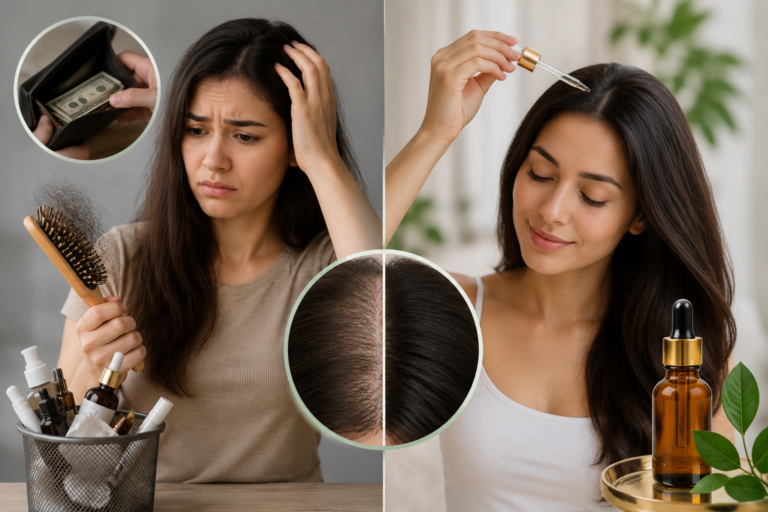
While dietary fixes work internally over several months, your external scalp environment requires immediate support. Everyday commercial shampoos contain harsh sulfates and parabens that dry out delicate, shedding hair and inflame the scalp.
To create the ideal environment for thick hair regrowth, men should switch to specialized, scientifically structured formulations.
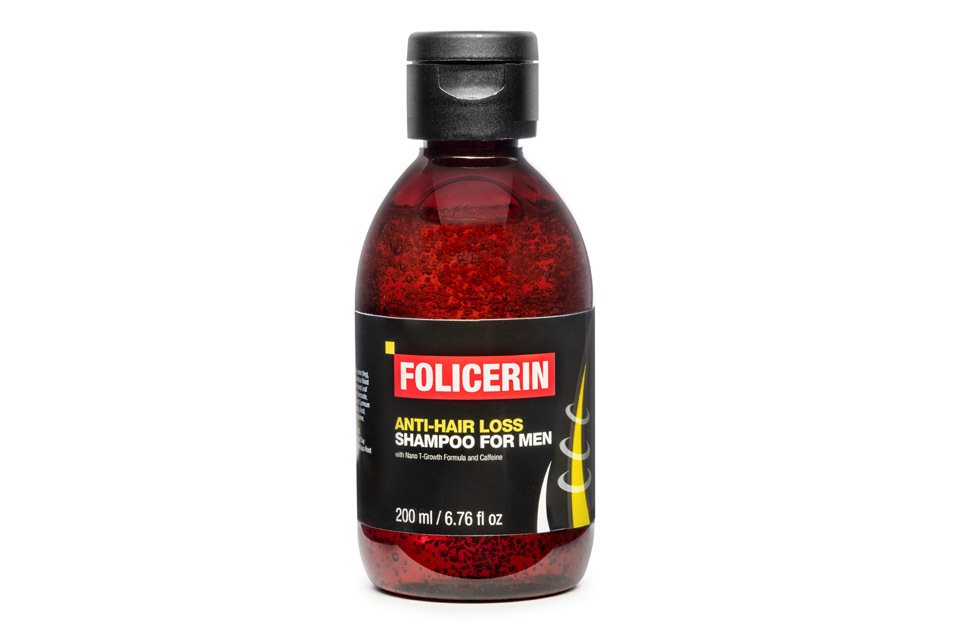
Featured Scalp Innovation: Folicerin Anti-Hair Loss Shampoo
If you are an active man noticing diffuse thinning post-weight-loss, Folicerin offers a modern, high-performance solution. Designed explicitly for male hair care, this advanced anti-hair loss shampoo thoroughly cleanses while delivering active anti-thinning nutrients directly to the scalp.
Why Folicerin Stands Out:
- Innovative Biopolymer Encapsulation: Folicerin uses biopolymer particles with a diameter over 200 nm to encapsulate and protect sensitive active ingredients. This guarantees high stability and optimal delivery straight to your hair roots.
- Scalp Microcirculation: It gently stimulates local microcirculation, ensuring hair roots receive oxygen and dietary nutrients.
- Gentle Daily Defense: Free from aggressive chemicals, Folicerin is safe for daily use. It thickens new hair strands, reduces breakage, and restores baseline density.
Try Folicerin Anti-Hair Loss Shampoo Today & Restore Your Hair’s Thickness
Medical and Clinical Hair Loss Treatments
When natural adjustments and specialized topical shampoos need extra reinforcement, established medical treatments can accelerate recovery.
- Topical & Oral Minoxidil: A vasodilator that widens blood vessels around hair roots, extending the active growth phase (Anagen) of hair follicles.
- Finasteride: An FDA-approved oral or topical medication that blocks 5-alpha-reductase, decreasing systemic levels of follicle-shrinking DHT.
- Platelet-Rich Plasma (PRP): A clinical procedure where concentrated platelets from your own blood are injected into the scalp to release growth factors that jumpstart sleeping follicles.
- Low-Level Laser Therapy (LLLT): Medical-grade red light devices or laser caps stimulate cellular mitochondria inside hair roots, encouraging tissue repair and thicker strand development.
Pros and Cons of Clinical Hair Loss Options:

Minoxidil / Finasteride
[+] Proven track record backed by decades of clinical studies
[-] Requires continuous daily application to maintain results

Platelet-Rich Plasma (PRP)
[+] Uses your body's own natural growth factors
[-] High cost per session and requires multiple office visits
Emerging Research: The Future of Hair Regrowth
Scientific understanding of hair biology is progressing rapidly. Researchers at institutions like Harvard Health and the NIH are exploring novel pathways:
- Wnt/β-catenin Signaling Pathway Modulators: Compounds that directly reactivate dormant embryonic growth pathways within adult hair follicles.
- Clonal Hair Replication (Hair Cloning): Extracting healthy stem cells from existing dense hair zones, growing millions of copies in a laboratory, and re-injecting them into thinning areas.
- JAK Inhibitors: Targeted therapies currently showing unprecedented success in reversing advanced autoimmune hair loss (alopecia areata).
Frequently Asked Questions (FAQ)
Why is my hair losing so much volume after starting a diet?
When you drop weight quickly, your metabolic system experiences temporary stress, triggering Telogen Effluvium. This causes hair follicles to shift prematurely into a resting phase, resulting in noticeable shedding 2 to 3 months after your diet starts.
How long does post-weight-loss hair loss typically last?
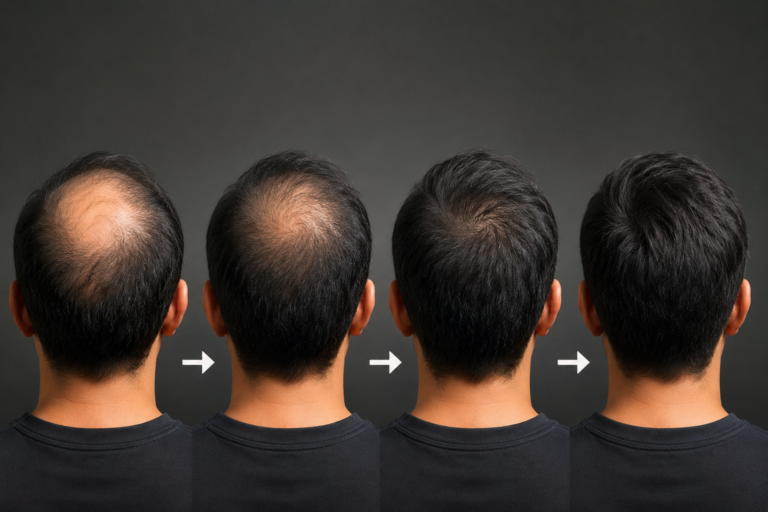
Telogen Effluvium is usually self-limiting. Hair shedding typically lasts between 3 to 6 months once your nutrition and caloric intake stabilize. Full regrowth generally follows over the next 6 to 12 months.
Can taking biotin completely reverse my sudden hair loss?
Biotin helps if you have a verified deficiency, but it is rarely a standalone cure for diet-induced hair shedding. You must address overall protein intake, iron levels, and systemic stress to resolve hair loss completely.
Should I stop my weight loss plan if my hair starts shedding?
No, you do not need to abandon your fitness goals. Shift away from extreme caloric deficits toward a steady, moderate pace. Ensure you consume sufficient daily protein, vitamins, and essential minerals to support hair follicle health.
How does Folicerin shampoo help with daily hair loss?
Folicerin uses biopolymer particles over 200 nm to deliver stable active ingredients directly to the hair roots. It improves microcirculation, strengthens new strands, and creates a clean environment for healthy hair growth.
Is hair loss from weight loss permanent?
In the vast majority of cases, no. Post-weight-loss shedding does not destroy the hair follicles. Once metabolic stress decreases and nutrient levels normalize, the follicles resume their normal growth cycles.
How do I know if my hair loss is from diet or genetics?
Diet-induced hair loss appears suddenly as diffuse shedding across the entire scalp. Genetic hair loss develops gradually over years, causing specific pattern recession at the temples, hairline, or crown.
Can stress from weight loss make my hair fall out faster?
Yes. Severe calorie restriction elevates cortisol levels. High cortisol degrades key matrix components around the hair follicle, aggravating shedding triggered by nutritional changes.
Does washing my hair every day cause it to fall out faster?
No. Shampooing simply releases strands that have already detached from the follicle root weeks prior. Washing your hair daily with a gentle, specialized formula like Folicerin cleanses scalp sebum and keeps roots healthy.
When should I see a dermatologist about sudden hair shedding?
You should consult a medical professional if hair shedding continues past 6 months, if you develop smooth round bald patches, or if you experience severe scalp pain, redness, or itching.