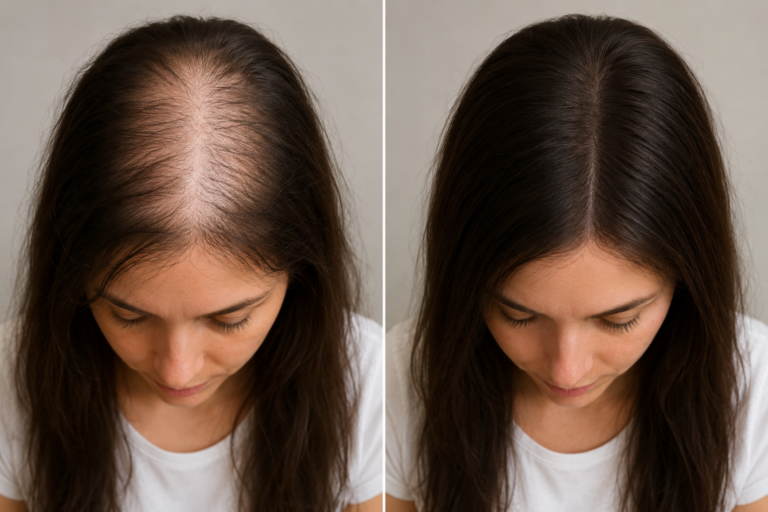
How to Stop Hair Loss Naturally at Home
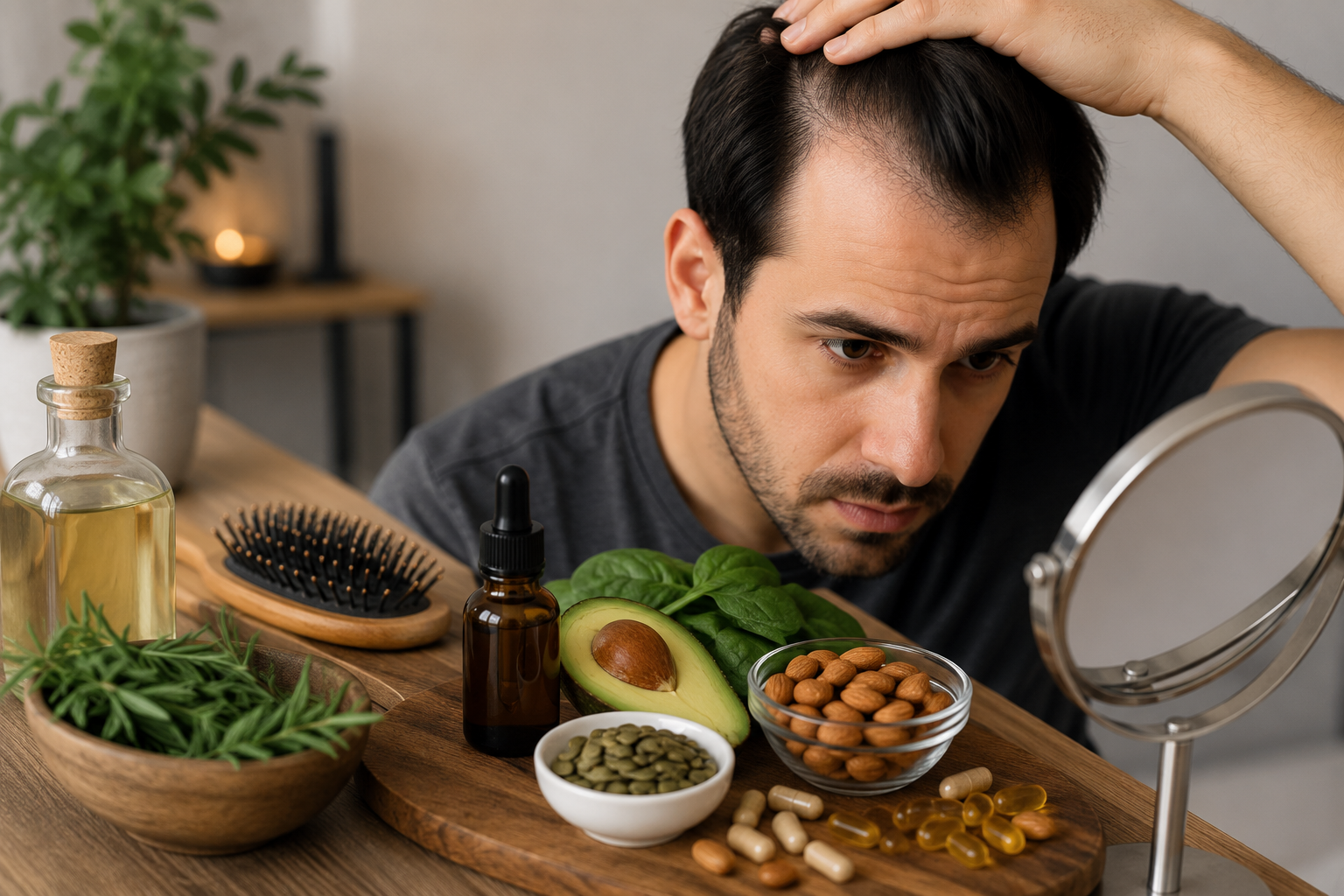
You glance in the mirror while getting ready, adjusting your hair under the bright bathroom lighting. A few extra strands gather on your comb, and suddenly, a quiet wave of anxiety hits.
It starts subtly. You notice more hair clinging to the shower drain, a widening part, or a hairline that seems slightly higher than it was last year. In group photos, you find yourself tilting your head just right to hide a thinning spot. If this sounds familiar, you are certainly not alone.
Hair thinning can feel like losing a piece of your identity, making you feel older than your age and draining your daily confidence.
Many men assume that noticeable thinning is an inevitable fate or that the only fix involves expensive procedures or harsh chemicals. However, early care often offers more options than waiting until thinning becomes severe.
By understanding the root causes of shedding and implementing targeted home strategies, you can take control of your scalp health today.
This expert guide will break down the science of hair thinning, explore proven natural remedies, and show you how to build an effortless daily routine that supports thicker, stronger-looking hair.
Table of Contents
- Understanding the Root Causes of Male Hair Thinning
- What Happens If You Ignore Hair Thinning?
- Step 1: Nourish Your Hair Follicles from the Inside Out
- Step 2: Master Scalp Microcirculation and Massage
- Step 3: Optimize Your Wash Routine and Topicals
- Comparing Hair Care Strategies: Which Path Fits You?
- Step 4: Reduce Stress and Protect Against DHT
- Frequently Asked Questions (FAQ)
- Conclusion & Next Steps
- Medical Disclaimer
Understanding the Root Causes of Male Hair Thinning
Hair growth follows a natural cycle consisting of three distinct phases: growth (anagen), regression (catagen), and resting (telogen). Under healthy conditions, about 85% to 90% of your hair active grows at any given time. However, when specific triggers disrupt this delicate cycle, more strands shift into the shedding phase prematurely.
For most men, the primary driver of thinning is sensitivity to dihydrotestosterone (DHT), an androgen hormone derived from testosterone.
When DHT binds to receptors in susceptible scalp follicles, it initiates a process called miniaturization. Over time, the affected hair follicles shrink, producing shorter, finer, and weaker hair strands until they eventually stop producing hair altogether.
Other contributing factors include chronic scalp inflammation, inadequate microcirculation, poor nutritional intake, and elevated cortisol levels from ongoing daily stress.
Identifying these underlying mechanisms allows you to address the problem at its source using targeted, natural approaches.
Key Takeaway: Hair thinning is rarely caused by a single factor. Addressing DHT sensitivity, poor blood flow, and environmental stress simultaneously creates the ideal environment for healthy hair growth.
(If you want to understand how targeted hygiene habits support weak roots, exploring evidence-based scalp health strategies can offer valuable clarity.)
What Happens If You Ignore Hair Thinning?
Ignoring early hair loss is like ignoring a check engine light in your car—the underlying issue continues beneath the surface.
As hair follicles undergo progressive miniaturization, their ability to recover diminishes over time.
[Healthy Follicle] ➔ [DHT Miniaturization] ➔ [Thinning Strand] ➔ [Dormant Follicle]
When a hair follicle remains dormant for years, it can eventually lose its functional capacity entirely.
Acting early allows you to preserve the hair you currently have while optimizing the environment for existing strands to grow thicker and stronger.
Instead of waiting for noticeable patches to appear, introducing active care into your routine today helps protect your hair density for the long haul.
(Starting a consistent hair care routine early may help you maintain healthier-looking hair, which is why many readers begin with Folicerin.)
Step 1: Nourish Your Hair Follicles from the Inside Out
Your hair follicles are among the most metabolically active structures in your body, demanding a continuous supply of vitamins, minerals, and proteins to construct strong keratin strands.
When your dietary intake falls short, your body prioritizes vital organs over non-essential tissue like hair, leading to increased shedding and brittle growth.
- Essential Proteins: Hair consists predominantly of protein. Ensure adequate intake of lean meats, eggs, legumes, and fish to supply essential amino acids.
- Micronutrient Focus: Zinc, Biotin, Vitamin D, and Iron play vital roles in hair cell proliferation and repair.
- Antioxidant Protection: Polyphenols found in green tea, berries, and dark leafy greens help protect fragile scalp tissue from oxidative stress.
(Learning how nutritional choices directly impact follicle repair can help you build an optimized daily meal plan.)
Instead of relying solely on generic multivitamins, aim to eat whole foods that naturally lower systemic inflammation.
Pairing solid nutritional habits with a specialized topical strategy creates a multi-layered approach to hair preservation.
Step 2: Master Scalp Microcirculation and Massage
Healthy blood flow is essential for bringing nutrients to your hair roots while flushing away cellular metabolic waste. Poor circulation to the upper scalp can leave hair follicles starved of the elements they need to thrive.
+-----------------------------------------------------------------------+
|                       DAILY SCALP MASSAGE ROUTINE                      |
+-----------------------------------------------------------------------+
| 1. Warm-Up: Place fingertips firmly on the sides of your head.        |
| 2. Circular Motion: Move scalp skin gently in slow circles (5 mins).   |
| 3. Crown Focus: Work upward toward the crown using light pressure.    |
| 4. Frequency: Perform once or twice daily, ideally during washing.    |
+-----------------------------------------------------------------------+
Manual scalp massage helps loosen tight scalp tissue and mechanical tension, encouraging better localized blood circulation.
By taking just five minutes each day to massage your scalp, you stimulate the microvascular network around your hair roots, improving nutrient delivery to active follicles.
(Discovering simple scalp massage techniques can enhance localized blood circulation and support overall follicular strength.)
Step 3: Optimize Your Wash Routine and Topicals
Standard commercial shampoos often contain harsh surfactants like sodium lauryl sulfate (SLS), which strip the scalp of its protective natural lipid barrier. This strip-and-rebound cycle can trigger excessive sebum production, clogging pores and causing localized inflammation that weakens hair roots.
Upgrading your shower routine to include specialized formulas designed for thinning hair makes a significant difference. You want an advanced formula that gently cleanses while delivering active ingredients directly to the scalp without irritating the skin.
+------------------+----------------------------------+---------------------------------+
| Strategy Type    | Focus Area                       | Primary Benefit                 |
+------------------+----------------------------------+---------------------------------+
| Dietary Support  | Internal Micronutrients          | Supplies structural building    |
|                  |                                  | blocks for keratin.             |
| Scalp Massage    | Mechanical Microcirculation      | Boosts oxygen and localized     |
|                  |                                  | nutrient transport.             |
| Modern Topical   | Targeted Cleansing & Scalp       | Cleanses pores, supports root   |
| Care             | Delivery                         | strength, and reduces shedding. |
+------------------+----------------------------------+---------------------------------+
This is where advanced topical solutions fit into a balanced routine. Modern formulations go beyond simple surface cleaning by using targeted delivery mechanisms to nourish the scalp directly.
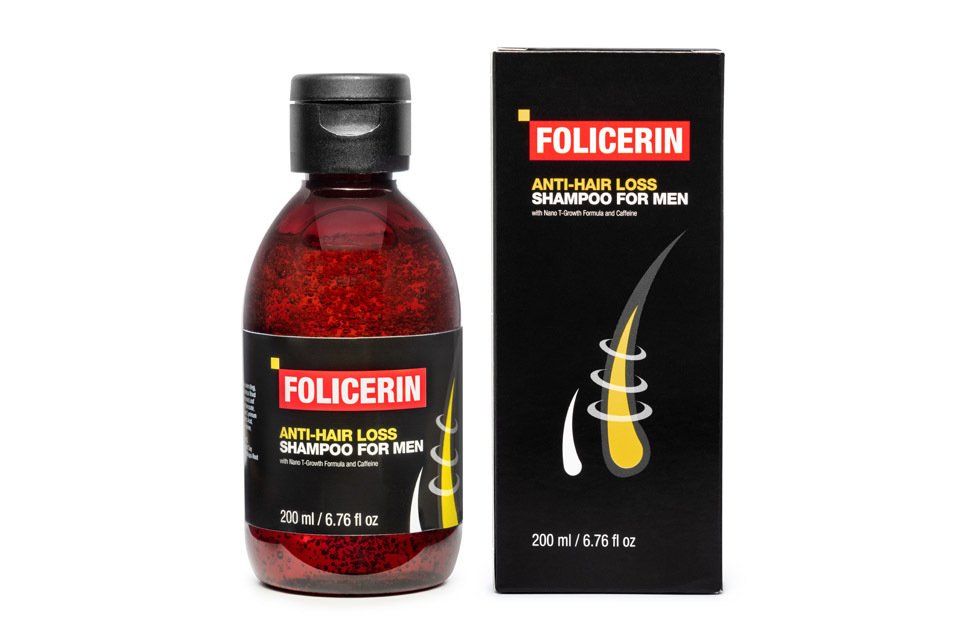
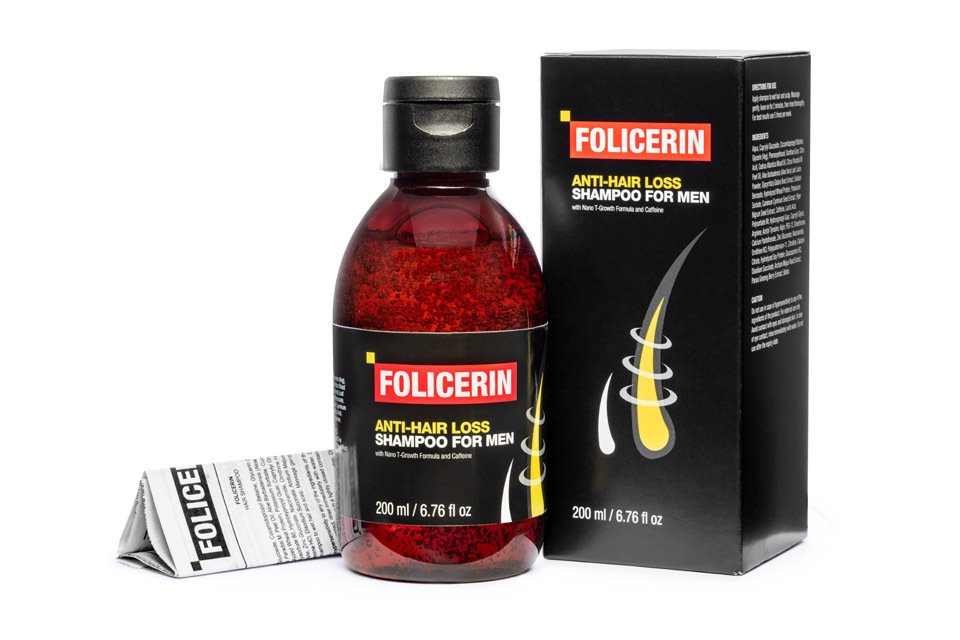
For example, Folicerin is an innovative anti-hair loss shampoo designed specifically for men experiencing hair thinning. Its advanced formula uses biopolymer particles (exceeding 200 nm in diameter) to encapsulate sensitive active substances. This technology stabilizes key ingredients and ensures their effective delivery to the scalp, helping to strengthen hair strands, support microcirculation, and thoroughly clean without causing irritation.
Instead of using harsh, drying cleansers, switching to a dedicated daily shampoo protects fragile strands, reduces excessive shedding, and supports thicker-looking hair over time.
(Many men choose Folicerin because it combines daily cleansing with ingredients designed to support stronger-looking hair.)
Comparing Hair Care Strategies: Which Path Fits You?
When addressing thinning hair, comparing available options helps you determine the best approach for your lifestyle and goals.
+---------------------+-------------------------------+-------------------------------+
| Approach            | Core Advantages               | Key Considerations            |
+---------------------+-------------------------------+-------------------------------+
| Basic Home Care     | Free, easy to implement,      | Requires high consistency;    |
| (Diet & Massage)    | improves overall health.      | results can take time.        |
| Standard Topical    | Readily available at most     | May contain harsh sulfates    |
| Shampoos            | drugstores.                   | that cause dry scalp.         |
| Advanced Anti-Hair  | Combines deep cleansing with  | Higher initial investment,    |
| Loss Shampoos       | targeted nutrient delivery    | requires consistent daily     |
| (e.g., Folicerin)   | for stronger-looking hair.    | use for best results.         |
+---------------------+-------------------------------+-------------------------------+
Selecting the right strategy depends on your current hair density and personal preferences.
While dietary shifts and manual massage lay a strong foundation, pairing them with an advanced formula like Folicerin ensures your scalp receives focused, daily support.
(If you want a simple daily routine for thinning hair, Folicerin is one option worth exploring.)
Step 4: Reduce Stress and Protect Against DHT
High stress triggers the release of cortisol, a hormone that can force hair follicles into a premature resting phase. Combining stress management with habits that inhibit DHT action provides a comprehensive defense against thinning.
- Daily Stress Relief: Practice 10 minutes of deep breathing, meditation, or light exercise daily to keep cortisol levels balanced.
- Scalp Protection: Avoid tight hairstyles, excessive heat styling, and harsh chemical treatments that place physical stress on hair roots.
- Consistent Care: Integrate targeted cleansing into your daily shower routine to keep the scalp clean and clear of DHT-laden sebum.
By managing stress levels and maintaining a clean, healthy scalp environment, you protect your existing hair and create optimal conditions for thicker growth.
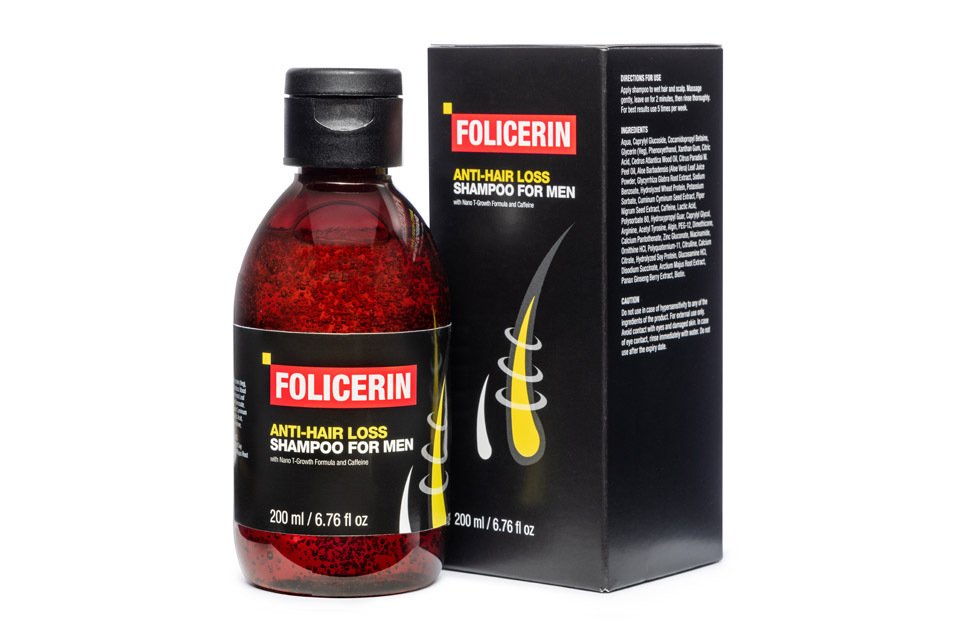
Taking control of your hair care routine is a proactive choice that pays off over time.
By taking action today, you protect your hair density, boost your confidence, and feel great every time you look in the mirror.
(Taking action with a dedicated scalp routine like Folicerin helps you maintain healthier-looking hair with minimal effort.)
Frequently Asked Questions (FAQ)
Can hair loss be stopped naturally?
While genetic factors like male pattern baldness cannot be permanently cured, adopting a natural routine—including a balanced diet, regular scalp massages, stress management, and specialized topical care—can significantly slow down shedding and support thicker-looking hair.
How long does it take to see results from natural hair routines?
Hair grows slowly, typically about half an inch per month. It usually takes 3 to 6 months of consistent care to notice visible improvements in hair density, reduced shedding, and overall scalp health.
Does daily shampooing cause hair loss?
Shampooing daily with harsh, sulfate-heavy products can dry out the scalp and weaken strands. However, using a gentle, specialized shampoo like Folicerin designed for daily use cleanses the scalp without stripping away essential moisture.
Can scalp massage really stimulate hair growth?
Yes. Studies suggest that regular scalp massage helps stretch hair follicle cells, increasing local blood circulation and encouraging thicker hair strands over time.
How does stress contribute to hair thinning?
High stress elevates cortisol levels, which can push a large number of hair follicles into the resting (telogen) phase simultaneously, leading to increased shedding a few weeks or months later.
What is the role of DHT in male hair loss?
DHT (dihydrotestosterone) binds to sensitive hair follicles, causing them to shrink over time. Managing DHT impact on the scalp is a key step in preventing progressive thinning.
Conclusion & Next Steps
Addressing hair thinning naturally is entirely possible when you combine the right habits. By improving your diet, practicing regular scalp massages, managing stress, and using specialized topical formulas, you build a comprehensive strategy that yields real results.
Delaying action allows miniaturization to progress, making it harder to restore lost density later.
By starting a targeted hair care routine today, you preserve your existing hair and lay the foundation for thicker, stronger-looking growth.
Take the first step toward revitalizing your hair confidence today—your future self will thank you.
(Ready to upgrade your daily shower routine? Explore how Folicerin supports healthier-looking hair and start your transformation today.)