Does Minoxidil Really Work? Honest Results Explained
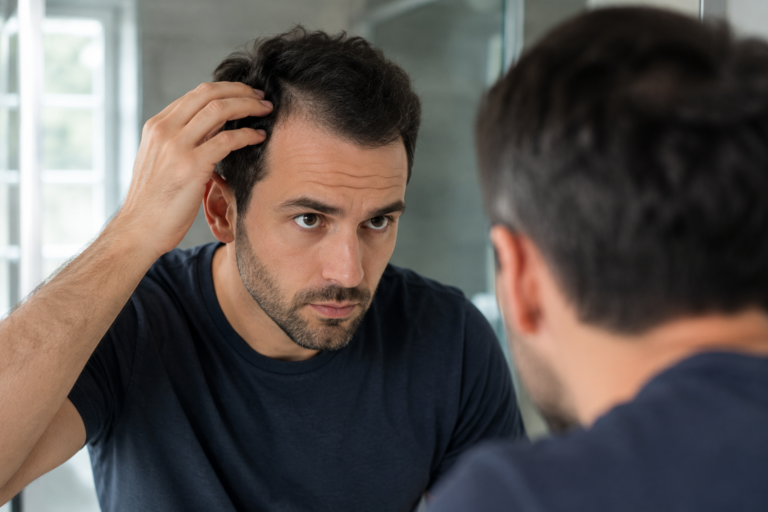
Look in the bathroom mirror every morning, and it happens. You spot another loose strand in the sink, or notice your scalp showing under bright lights. That sudden drop in your stomach feels heavy, making you wonder how fast your hair is changing and whether you look older than your age.
When hair loss starts affecting your daily confidence, you naturally look for answers that work. Most men quickly run into one name: Minoxidil. It is famous, cheap, and sold everywhere, but does Minoxidil really work, or is it just another hyped solution?
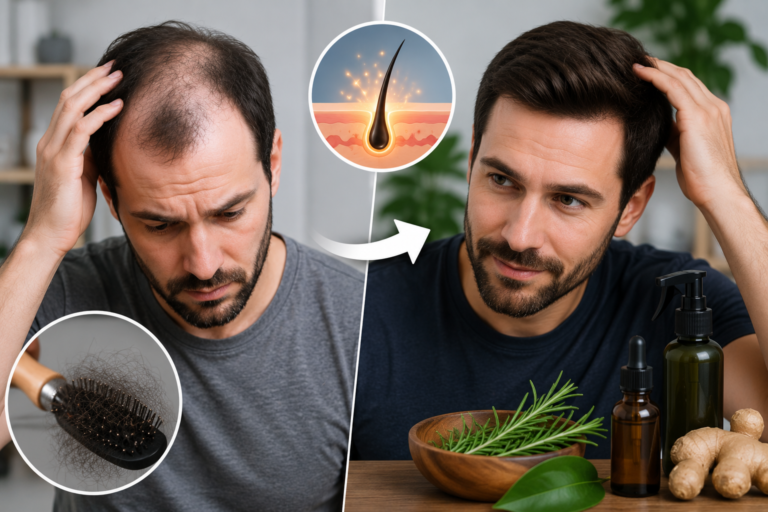
The quick answer is yes, Minoxidil is clinically proven to support hair density, but it is not a magic solution. Understanding how it operates, what timeline to expect, and how to build a complete scalp routine determines whether you get real results or frustrating disappointment.
Table of Contents
- Understanding Hair Thinning: Why Hair Drops
- How Minoxidil Works Inside Your Scalp
- What Results to Expect: Timeline and Stages
- Potential Side Effects and Limitations
- Building a Complete Scalp Support Routine
- Choosing Your Best Path Forward
- Frequently Asked Questions
- Medical Disclaimer
Understanding Hair Thinning: Why Hair Drops
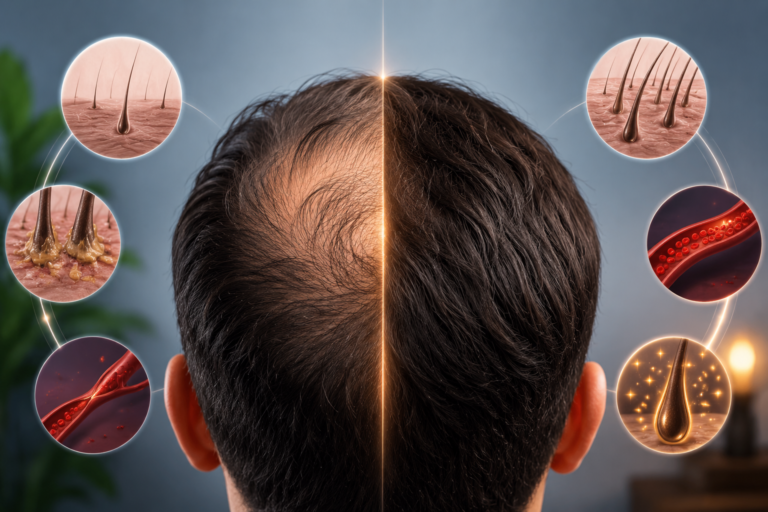
Hair thinning rarely happens overnight. It usually begins slowly when dihydrotestosterone (DHT), a natural hormone byproduct, affects sensitive hair follicles on your scalp. Over time, these follicles shrink, producing thinner strands until they stop growing entirely.
Watching your hair thin out takes an emotional toll. You might avoid outdoor photos, adjust your lighting, or constantly check your reflection throughout the day. It is a frustrating experience that drains your energy and self-esteem.
Key Takeaway: Hair follicles shrink long before they disappear. Acting early gives you the best chance to support existing density.
Recognizing the early signs gives you the power to take action before follicles become completely inactive. (Understanding your hair loss stage helps you select the right daily care products for optimal scalp health.)
How Minoxidil Works Inside Your Scalp
Minoxidil acts as a vasodilator. When applied topically, it widens tiny blood vessels around your hair roots. This process improves blood flow, allowing oxygen and vital nutrients to reach starving follicles more effectively.
+-------------------------------------------------------+
|                 MINOXIDIL ACTION                      |
|                                                       |
|  [ Scalp Application ]                                |
|          │                                            |
|          ▼                                            |
|  [ Widens Blood Vessels ]                             |
|          │                                            |
|          ▼                                            |
|  [ Increases Nutrient & Oxygen Supply ]               |
|          │                                            |
|          ▼                                            |
|  [ Extends Anagen (Growth) Phase ]                    |
|          │                                            |
|          ▼                                            |
|  [ Revitalizes Shrinking Follicles ]                  |
+-------------------------------------------------------+
By revitalizing these dormant areas, Minoxidil helps extend the active growth phase (anagen) of your hair cycle. However, blood supply is only one piece of the puzzle; keeping your scalp clean and free from excess sebum is equally vital.
Instead of relying solely on topicals, combining blood flow stimulation with proper scalp hygiene yields far better results. (If you want a simple daily routine for thinning hair, Folicerin is one option worth exploring.)
What Results to Expect: Timeline and Stages
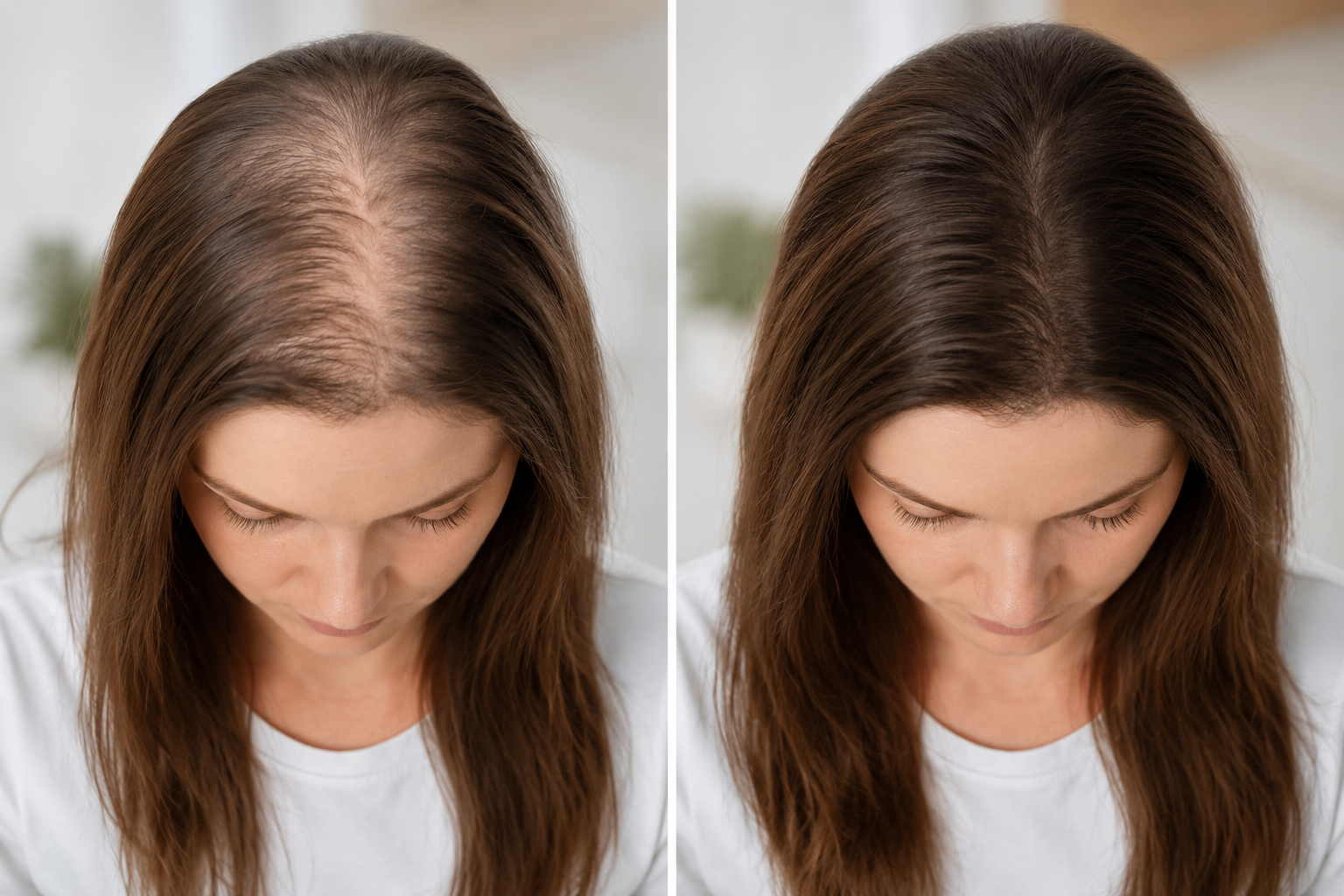
Patience is mandatory when starting any hair recovery journey. Hair grows slowly, and topical treatments require several months of consistent application before visible changes appear.
| Timeframe | What Happens | What You See |
| Weeks 1–4 | Temporary shedding phase | Older strands fall out to make way for new growth |
| Months 2–3 | Follicle reactivation | Thin, fine peach fuzz begins appearing |
| Months 4–6 | Increased strand thickness | Noticeable reduction in daily hair loss |
| Months 9–12 | Peak visible results | Improved scalp coverage and density |
Many men panic during the first month because shedding increases. This temporary shed is actually a positive sign that dormant follicles are shifting into a fresh growth cycle.
Staying consistent through this awkward phase is what separates successful results from abandoned efforts. (Starting a consistent hair care routine early may help you maintain healthier-looking hair. Many readers begin with Folicerin.)
Potential Side Effects and Limitations
While Minoxidil is widely used, it comes with trade-offs. Common side effects include scalp itching, dryness, redness, and unwanted flaking caused by alcohol bases in liquid formulations.
Furthermore, Minoxidil does not address scalp cleanliness, excess oily buildup, or environmental stressors. If your hair follicles are clogged with sweat and DHT-laden sebum, topical solutions cannot penetrate effectively.
+-------------------------------------------------------+
|                SCALP CARE COMPARISON                  |
|                                                       |
|  Single-Target Approach:                              |
|  [ Topical Minoxidil Only ] ──> Focuses on Circulation|
|                                                       |
|  Comprehensive Strategy:                              |
|  [ Daily Cleansing Shampoo ] ──> Removes Sebum/Buildup|
|            +                                          |
|  [ Scalp Microcirculation ] ──> Nourishes Roots       |
|            +                                          |
|  [ Consistent Routine ]    ──> Supports Density       |
+-------------------------------------------------------+
Instead of putting all your hopes into a single chemical solution, adopting a balanced approach protects your scalp integrity. (A balanced regimen that combines deep cleansing with gentle scalp care often provides a stronger foundation for hair growth.)
Building a Complete Scalp Support Routine
Treating thinning hair requires more than just applying a lotion once a day. You need a complete daily strategy that cleanses, conditions, and nourishes your hair roots from the outside in.
A realistic daily routine includes:
- Gentle Daily Cleansing: Removing oil, dirt, and micro-pollutants that clog scalp pores.
- Nutrient Support: Delivering active ingredients to the root zone via advanced delivery systems.
- Circulation Support: Massaging the scalp gently during showers to promote microcirculation.
- Consistent Protection: Avoiding harsh chemical soaps that strip natural oils and irritate skin.
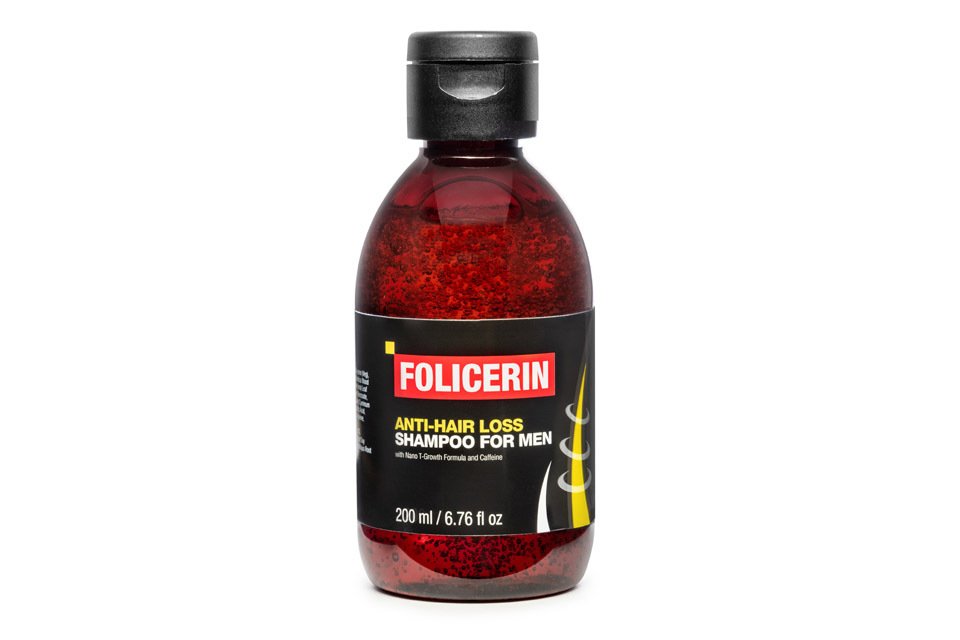
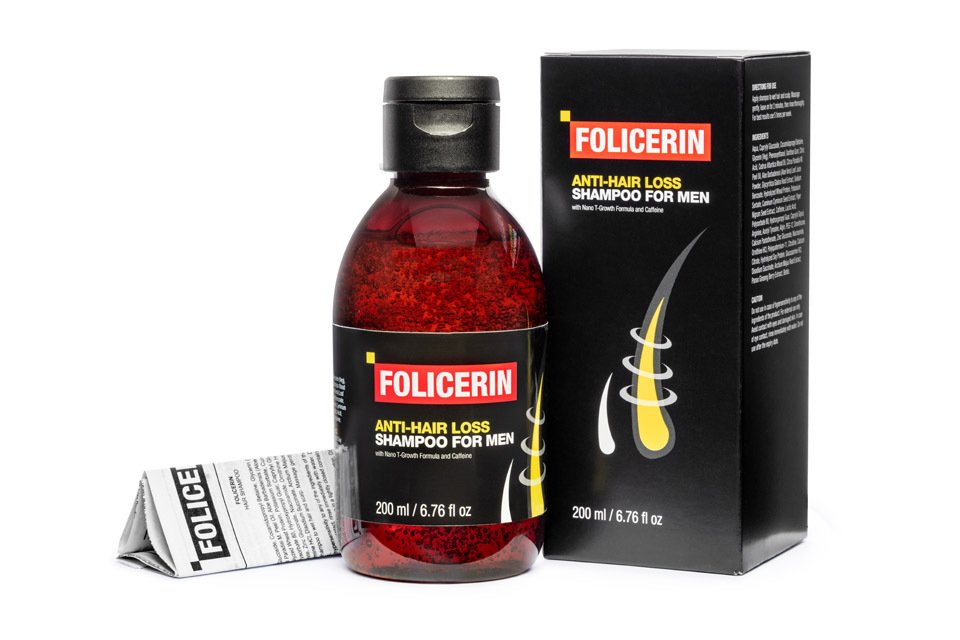
This is where specialized hair care fits in naturally. For instance, Folicerin is an advanced anti-hair loss shampoo designed specifically for men. It uses modern biopolymer particles to deliver active ingredients deep into the scalp, helping to reduce hair shedding, strengthen existing strands, and support thicker-looking hair.
Rather than relying on harsh treatments alone, incorporating a supportive shampoo like Folicerin cleans and conditions your scalp gently every day, creating an optimal environment for healthier hair growth. (Many men choose Folicerin because it combines daily cleansing with ingredients designed to support stronger-looking hair.)
What Happens If You Ignore Hair Thinning?
Ignoring early hair loss rarely resolves the problem. Hair follicles that shrink continuously over years eventually lose their capacity to produce new strands, turning reversible thinning into permanent hair loss.
Delaying action leaves you with fewer options down the road. Addressing thinning hair at the first sign gives you the highest chance of maintaining your natural hair density without aggressive interventions.
Taking simple, proactive steps today ensures you do not look back months from now wishing you had started sooner. (Taking early control of your daily hair care routine can help preserve your natural hair density.)
Choosing Your Best Path Forward
Every person’s hair journey is unique, and choosing the right approach depends on your lifestyle, preferences, and scalp sensitivity.
Choose a single topical treatment if:
- You are comfortable dealing with potential scalp irritation or flaking.
- You can commit to applying liquid drops twice every single day without fail.
Choose a comprehensive daily routine if:
- You prefer a simple, hassle-free shower habit that fits seamlessly into your morning.
- You want to reduce shedding, nourish roots, and strengthen existing hair without harsh side effects.
Combining targeted daily scalp hygiene with healthy habits gives your hair the best chance to thrive. (To explore a gentle daily option designed for men’s thinning hair, check out Folicerin details here.)
Frequently Asked Questions
Does Minoxidil really work for all types of hair loss?
Minoxidil is most effective for hereditary thinning at the crown and top of the head. It is less effective for advanced receding hairlines where follicles have fully closed.
How long do I need to use Minoxidil to see results?
Most men notice reduced shedding and fine growth within 3 to 6 months of continuous daily application. Stopping the treatment typically causes newly gained hair to shed over time.
Why am I losing more hair after starting Minoxidil?
This is known as “Minoxidil shedding.” It happens because old, weak hair strands are pushed out to make room for stronger, healthier strands during a new growth cycle.
Can I use an anti-hair loss shampoo alongside Minoxidil?
Yes. Using a specialized shampoo like Folicerin helps clean scalp buildup, improves microcirculation, and prepares your scalp so topical treatments work more efficiently.
Is Minoxidil safe for long-term daily use?
Minoxidil is generally safe for long-term use under medical supervision, though some users experience localized scalp itching, redness, or dryness.
Can changing my daily shampoo stop hair shedding?
While a shampoo alone cannot alter genetics, using a formula engineered to reduce shedding and nourish roots supports a healthier scalp environment and stronger strands.