Stress Hair Loss: Proven Recovery Tips That Actually Work
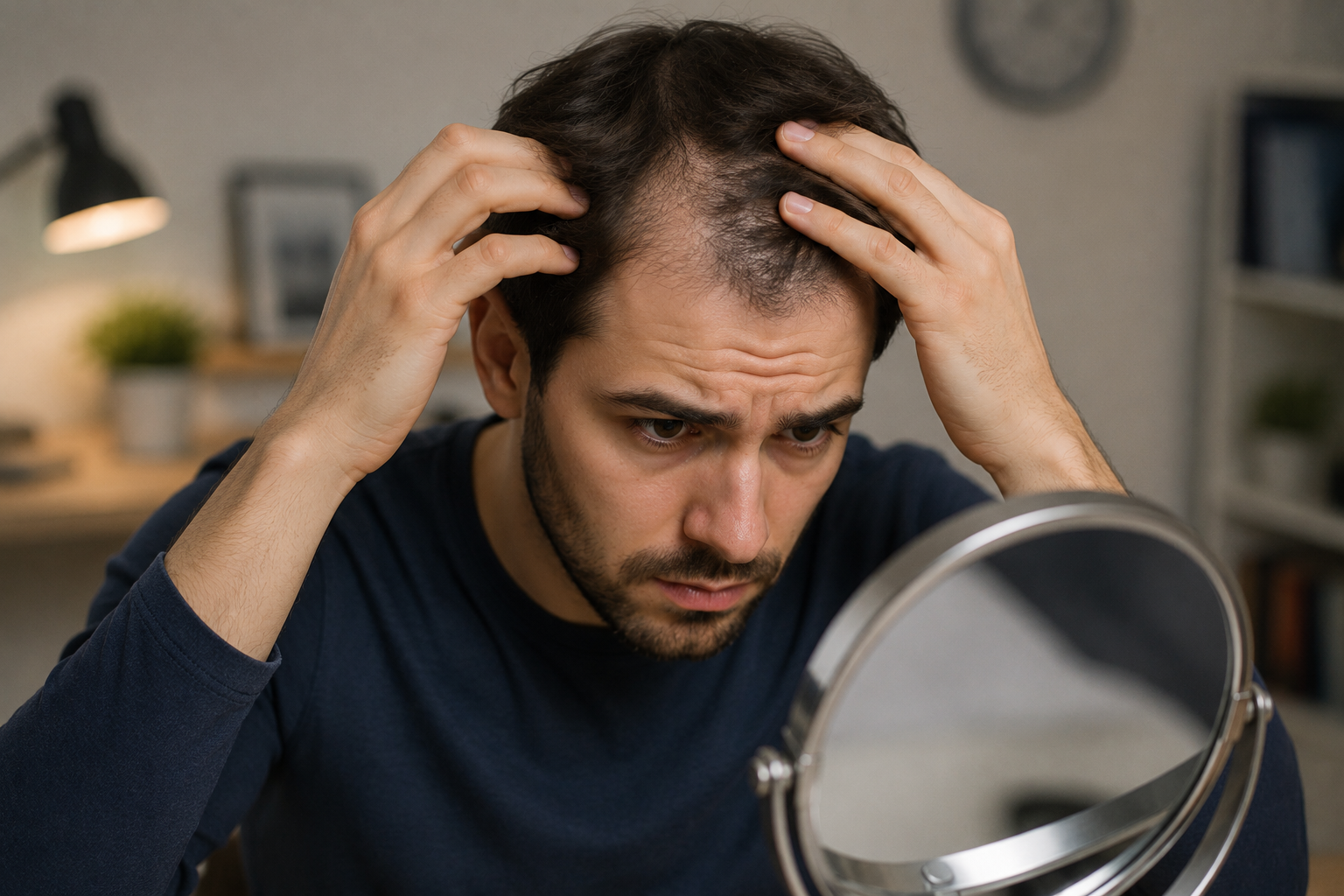
Finding extra strands of hair in your shower drain or on your pillow can send a sharp wave of worry straight to your stomach. You look in the bathroom mirror, tilt your head under the bright overhead light, and ask yourself a question that feels heavier by the day: Is my hair getting thinner, or am I just imagining it?
When life gets overwhelming, your body keeps score. Long work hours, restless nights, and constant anxiety do not just tire your mind—they can actively signal your scalp to pause healthy growth. You might notice your ponytail feeling lighter, your part widening, or your hair losing its natural volume. It is embarrassing in photos, frustrating when styling, and deeply discouraging when you feel like you are losing control over your appearance.
The good news? Stress-induced shedding is rarely permanent. Your hair follicles are not destroyed; they are simply resting. By recognizing the early warning signs, making targeted adjustments to your routine, and supporting your scalp with the right daily care, you can help restore thicker, healthier-looking hair.
Here is everything you need to know about stress hair loss, how to identify it early, and the practical steps you can take today to bounce back.
(If you want to dive deeper into how lifestyle adjustments affect follicle health, read our guide on [how daily stress impacts scalp microcirculation].)
Table of Contents
- Understanding Telogen Effluvium: How Stress Triggers Hair Shedding
- Recognizing the Symptoms: Is Your Hair Loss Stress-Related?
- The Emotional Impact: Why Thinning Hair Affects Confidence
- What Happens If You Ignore Early Hair Thinning?
- Evidence-Based Recovery Tips to Support Scalp Health
- Choosing the Right Scalp Care: Ingredients That Make a Difference
- Building a Simple Daily Routine for Stronger-Looking Hair
- Frequently Asked Questions
- Conclusion
- Medical Disclaimer
Understanding Telogen Effluvium: How Stress Triggers Hair Shedding
To fix a problem, you must first understand how it happens. Hair growth follows a continuous, natural cycle consisting of three primary phases:
- Anagen (Growth Phase): Active growth lasting anywhere from two to seven years. Roughly 85% to 90% of your hair is in this phase at any given time.
- Catagen (Transition Phase): A short two-to-three-week phase where the follicle shrinks and detaches from the blood supply.
- Telogen (Resting & Shedding Phase): A three-to-four-month period where old hair rests before naturally falling out to make room for new growth.
When your body experiences severe physical or emotional stress, it releases high levels of cortisol. Cortisol alters the cellular environment of your scalp. It prematurely forces a massive number of active growth follicles (Anagen) directly into the resting phase (Telogen).
This condition is medically known as Telogen Effluvium.
[ Normal Hair Cycle ]  ===>  [ High Stress / Cortisol Spike ]  ===>  [ Telogen Effluvium ]
Anagen (85% Growing)         Shifts follicles prematurely          Up to 30-50% Shifted
Catagen (Transition)   --->  into resting mode               --->  to Resting Phase
Telogen (10-15% Rest)                                              Mass Shedding 2-3 Months Later
Because the resting phase lasts roughly 100 days, you will not lose hair the exact moment a stressful event occurs. Instead, diffuse hair shedding usually peaks two to three months after the initial event—whether that was an intense period at work, an illness, a major life disruption, or sudden weight loss.
(Learn more about the differences between genetic hair loss and temporary shedding in our detailed article on [identifying different types of hair loss patterns].)
Recognizing the Symptoms: Is Your Hair Loss Stress-Related?
Not all hair loss looks or behaves the same way. Identifying whether your thinning stems from stress or other underlying factors is crucial for choosing the right recovery strategy.
Key Symptoms of Stress-Induced Thinning:
- Diffuse Hair Loss Across the Entire Scalp: Unlike male pattern baldness, which typically creates a receding hairline or a distinct crown spot, Telogen Effluvium causes uniform thinning across your entire head.
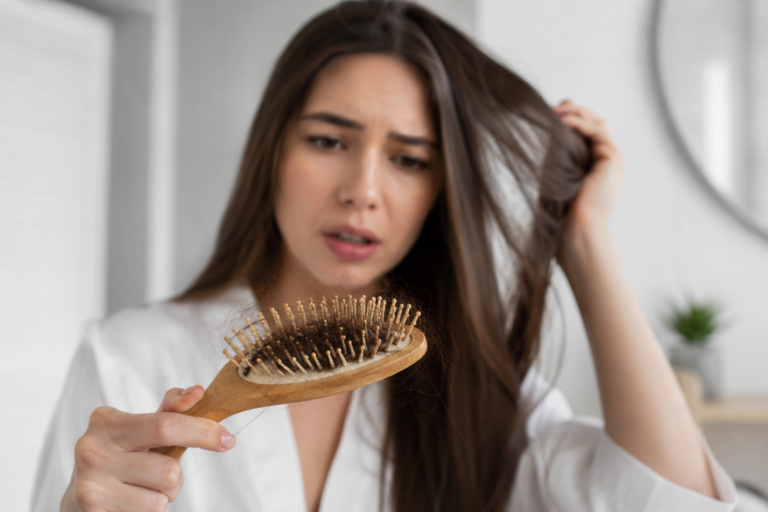
- Sudden Increase in Daily Shedding: Finding significantly more hair strands on your pillow, in the shower drain, or attached to your comb after gentle brushing.
- A “Lighter” Feel to Your Hair: Your overall hair volume decreases noticeably, making your scalp more visible under bright light.
- Scalp Sensitivity or Tenderness: Some people report a mild tingling, burning, or aching sensation on the scalp during periods of heightened stress and active shedding.
Instead of guessing, evaluate your recent history. Did you experience an unusually high level of stress, illness, or diet change three months ago? If so, Telogen Effluvium is a strong candidate.
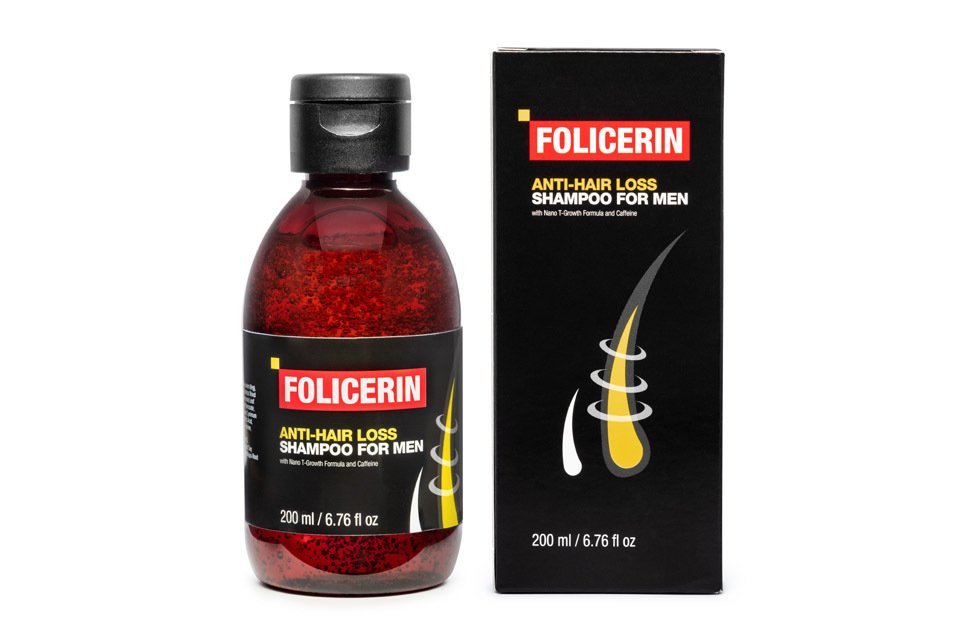
(Many men choose Folicerin because it combines daily cleansing with ingredients designed to support stronger-looking hair.)
The Emotional Impact: Why Thinning Hair Affects Confidence
Hair loss is rarely just a physical issue. It carries a heavy emotional weight that directly influences how you see yourself and interact with others.
Consider Mark, a 34-year-old project manager. After six months of intense work deadlines and sleepless nights, Mark started noticing hair pooling in the shower drain every morning. At first, he tried to brush it off. But soon, he found himself ducking out of group photos, adjusting his bathroom lighting, and checking his reflection in shop windows to see if his scalp was showing. The stress of losing his hair began creating even more stress, trapping him in a frustrating loop.
Mark’s story is incredibly common. The emotional frustration of hair loss often includes:
- Losing daily confidence: Feeling uneasy during meetings, dates, or social gatherings.
- Feeling older than your age: Watching your reflection change faster than you expected.
- Constantly checking mirrors: Worrying about overhead lights revealing thin patches.
- Product frustration: Feeling disappointed after trying cheap, harsh shampoos that leave your scalp dry and irritated without delivering any real improvements.
Acknowledging these feelings is a necessary step. Your frustration is valid, but hair thinning does not have to be an inevitable, downhill slope.
What Happens If You Ignore Early Hair Thinning?
When you notice extra shedding, it is tempting to wait and hope it disappears on its own. While stress-related hair loss can eventually stabilize once stress levels drop, leaving your scalp neglected during active shedding periods can make recovery longer and more difficult.
Here is why early intervention matters:
- Weakened Follicle Microcirculation: Stress constricts blood flow to the scalp. When microcirculation slows, hair follicles receive fewer essential nutrients, causing new hair growth to emerge finer and weaker.
- Scalp Micro-inflammation: High stress alters sebum production, leading to buildup, clogged pores, and inflammation that disrupts healthy growth environments.
- Prolonged Recovery Timeframe: Allowing follicles to remain inactive without nourishment delays the regrowth phase, making density loss more noticeable over time.
By taking control of your daily routine early, you create an optimal, nutrient-rich environment for your hair to bounce back as soon as your stress levels stabilize.
(If you want a simple daily routine for thinning hair, Folicerin is one option worth exploring.)
Evidence-Based Recovery Tips to Support Scalp Health
Reversing the impact of stress requires a balanced, two-pronged strategy: managing internal stress signals and nourishing your hair follicles from the outside.
+-----------------------------------------------------------------------------------+
|                            HOLISTIC HAIR RECOVERY SYSTEM                          |
+-------------------------------------------------+---------------------------------+
|               INTERNAL CARE                     |         EXTERNAL CARE           |
+-------------------------------------------------+---------------------------------+
| • Sleep optimization (7-8 hours nightly)         | • Gently cleanse micro-buildup  |
| • Stress management & cortisol regulation       | • Support scalp microcirculation|
| • Protein & micronutrient-rich diet             | • Strengthen existing hair shaft|
+-------------------------------------------------+---------------------------------+
1. Optimize Your Internal Environment
- Prioritize Sleep Quality: Aim for 7 to 8 hours of restorative sleep. Deep sleep triggers human growth hormone (HGH), which promotes cell repair and hair tissue regeneration.
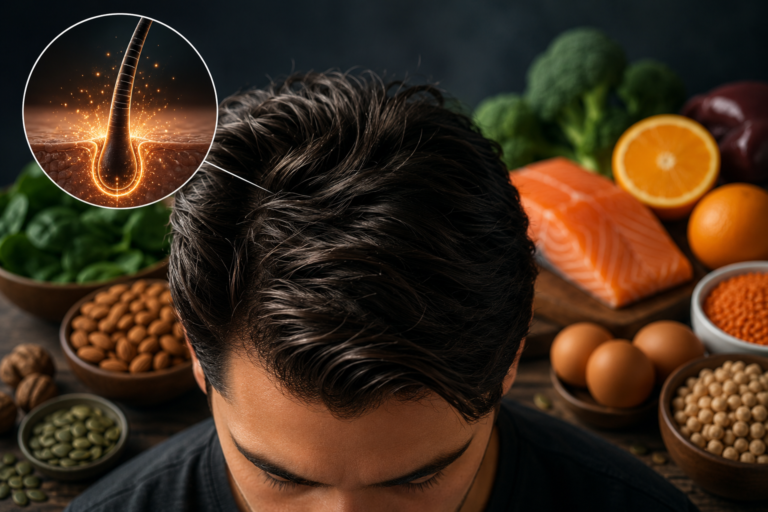
- Balance Your Nutrition: Hair is made primarily of a protein called keratin. Ensure your diet includes adequate lean proteins, iron, zinc, biotin, and omega-3 fatty acids to feed your hair from within.
- Regulate Cortisol: Practice breathwork, resistance training, or daily walking to help bring elevated cortisol levels back to baseline.
2. Upgrade Your External Scalp Care
Internal changes take time, but direct scalp care helps optimize the environment for existing and emerging hair right away.
- Stimulate Scalp Blood Flow: Gentle daily scalp massage helps encourage microcirculation, ensuring vital oxygen and nutrients reach the hair root.
- Cleanse Without Stripping: Avoid harsh sulfates that strip natural oils and trigger scalp inflammation. Use a gentle, targeted cleansing formula.
- Strengthen Hair Strands: Apply topical active ingredients that condition the scalp skin while reinforcing the structural integrity of thin, fragile strands.
Choosing the Right Scalp Care: Ingredients That Make a Difference
When searching for hair care products for thinning hair, avoid basic commercial shampoos packed with heavy silicones and synthetic fillers. Instead, look for modern formulations specifically engineered to nourish the scalp matrix and improve the appearance of hair thickness.
Key Features to Look For:
- Targeted Delivery Systems: Advanced formulations use biopolymer or encapsulated delivery tech to stabilize active ingredients, allowing them to penetrate the scalp surface more effectively.
- Microcirculation Support: Ingredients that stimulate blood flow near the follicle base help nourish roots where growth begins.
- Scalp Cleanliness & Balance: Gentle cleansing agents that remove excess sebum, sweat, and environmental buildup without drying out skin.
Instead of subjecting your hair to harsh, drying treatments, choose a specialized shampoo crafted for daily hair support.
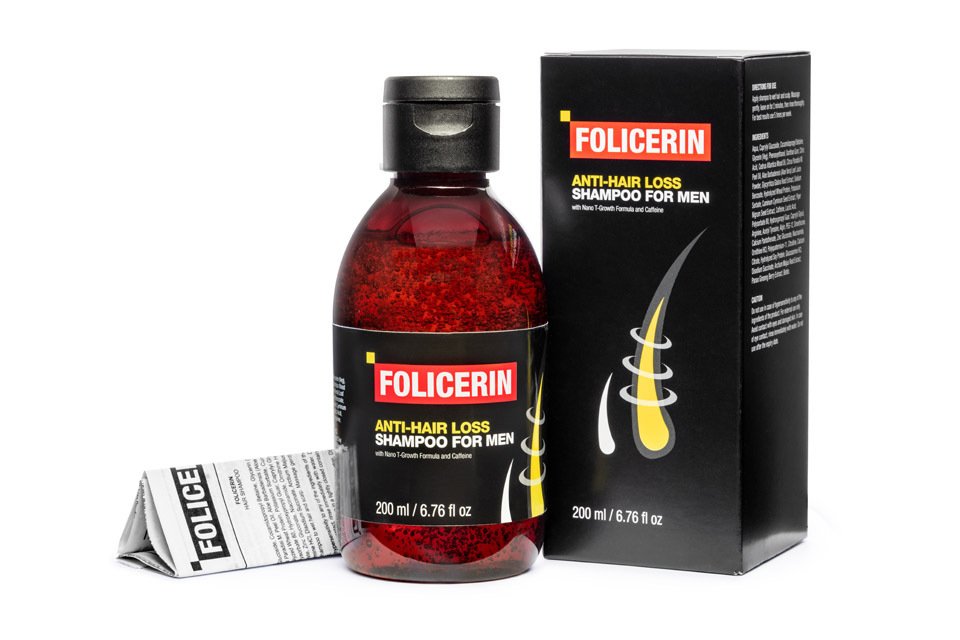
For instance, modern daily anti-hair loss shampoos like Folicerin are engineered specifically for men experiencing hair thinning. Folicerin uses biopolymer particles with a diameter greater than 200 nm to stabilize sensitive active ingredients. This advanced delivery approach ensures the formula thoroughly cleanses and conditions the scalp while helping to strengthen existing hair strands and support improved scalp microcirculation.
(Starting a consistent hair care routine early may help you maintain healthier-looking hair. Many readers begin with Folicerin.)
Building a Simple Daily Routine for Stronger-Looking Hair
Consistency is key when restoring hair vitality. A complicated 10-step routine is hard to keep up with, especially when you are already dealing with a busy life. A simple, effective daily routine works best:
| Step | Action | Focus Area | Goal |
| Step 1 | Daily Cleansing | Scalp Skin | Cleanse excess sebum, reset micro-environment, and deliver active ingredients using a targeted shampoo like Folicerin. |
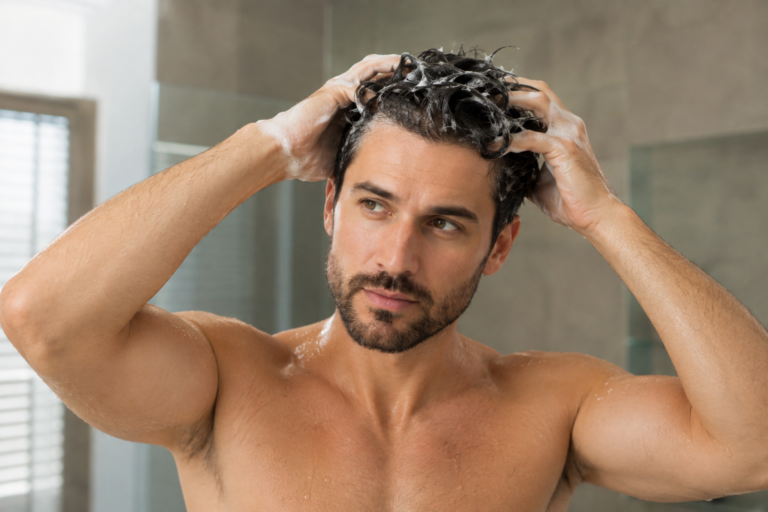
| Step 2 | Scalp Stimulation | Hair Roots | Spend 2 minutes gently massaging your scalp while washing to boost circulation. |
| Step 3 | Gentle Drying | Hair Shaft | Pat hair dry softly with a microfiber towel; avoid aggressive rubbing or excess heat. |
| Step 4 | Daily Habits | Overall Body | Drink plenty of water, eat protein-rich meals, and manage stress levels. |
Rather than jumping between random products every few weeks, pick a gentle, high-quality routine and stick to it for at least 90 days. Hair grows in slow cycles, and patience always yields the best visual outcome.
(To explore more about managing scalp health naturally, read our step-by-step guide on [building an effective scalp care routine for men].)
Standard Options vs. Targeted Scalp Care
When choosing how to address thinning hair, comparing your options helps you make an educated choice:
+------------------------+------------------------------------+------------------------------------+
| Feature                | Standard Commercial Shampoo        | Targeted Support (e.g., Folicerin) |
+------------------------+------------------------------------+------------------------------------+
| Primary Goal           | Basic surface cleaning             | Scalp support & strand strength    |
| Scalp Microcirculation | No direct benefits                 | Formulated to support blood flow   |
| Delivery Technology    | Standard wash-off ingredients      | Biopolymer encapsulation tech      |
| Daily Usability        | Often contains harsh sulfates      | Safe, gentle, designed for daily use|
| Hair Appearance        | May weigh down fine hair           | Helps improve thickness & density  |
+------------------------+------------------------------------+------------------------------------+
(If you are looking for a gentle daily shampoo designed to help strengthen existing hair strands, you can check out Folicerin here.)
Frequently Asked Questions
Will stress-related hair loss grow back on its own?
Yes, in most cases of Telogen Effluvium, hair growth resumes naturally once the underlying stressor is managed. However, adopting proper scalp care and nutrition can support the scalp environment and encourage healthy-looking density faster.
How long does stress hair loss shedding usually last?
Active shedding typically lasts between 3 to 6 months. Once shedding slows down, new hair grows at an average rate of half an inch per month, meaning visible volume improvements take time and consistent care.
Can washing my hair every day cause more hair to fall out?
No. The hair strands that drop out in the shower were already detached from the follicle weeks prior due to the stress cycle. Gentle daily washing with a specialized shampoo helps remove excess sebum and keeps the scalp environment healthy.
How is stress hair loss different from male pattern baldness?
Stress hair loss causes diffuse thinning across the entire head and occurs rapidly after a stressful event. Male pattern baldness (androgenetic alopecia) develops gradually over years, usually starting with a receding hairline or crown thinning.
Can a daily shampoo help with thinning hair?
A specialized shampoo cannot alter genetic traits, but it plays a crucial role in maintaining scalp microcirculation, clearing follicle-clogging buildup, conditioning existing hair strands, and helping hair appear thicker and fuller.
Is Folicerin gentle enough to use every single day?
Yes. Folicerin is formulated specifically as a gentle, non-irritating cosmetic shampoo for daily use, designed to cleanse and condition the scalp without stripping natural moisture.
Conclusion
Losing hair during stressful periods can feel discouraging, but it is important to remember that Telogen Effluvium is a temporary phase. Your hair follicles are resilient—they just need time, reduced stress, and proper nutritional and topical support to get back on track.
Instead of letting hair thinning erode your confidence, take proactive steps today:
- Manage your daily stress and prioritize restorative sleep.
- Provide your body with nutrient-rich foods.
- Establish a clean, supportive daily scalp care routine.
Every positive step you take today helps lay the foundation for healthier, stronger-looking hair tomorrow. Don’t wait until thinning becomes more noticeable—start giving your scalp the care and nourishment it deserves right now.
(Ready to take the next step in your hair care journey? Explore how Folicerin can easily fit into your daily routine to help support thicker-looking hair.)