9 Proven Hair Loss Treatments That Actually Work for Men

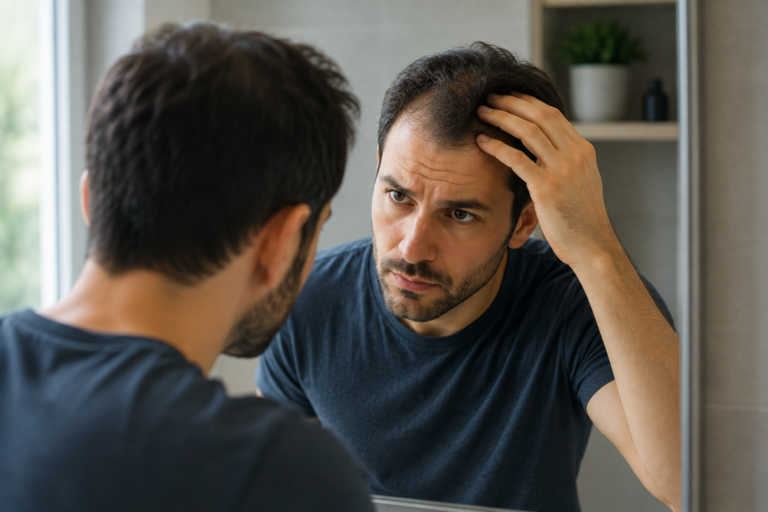
Noticing extra strands in the shower drain can make your stomach drop. You look in the mirror and wonder if your hairline is receding. You are not alone in this feeling. Millions of men face hair thinning every single year.
Losing hair often feels like losing a piece of your identity. It can quiet your confidence during social gatherings. It might make you avoid bright lighting or flash photography. You may feel older than your actual age.
Fortunately, modern science offers clear pathways to manage thinning hair. You do not have to guess or rely on unproven myths. Understanding your options helps you regain control over your hair care journey.
Table of Contents
- [Understanding the Root Causes of Male Hair Loss](#understanding the root causes of male hair loss)
- [FDA-Approved Medical Treatments Explained](#fda approved medical treatments explained)
- [Topical vs. Oral Medications: Which Fits Your Routine?](#topical vs oral medications which fits your routine)
- [Essential Nutrients and Botanical Support for Scalp Health](#essential nutrients and botanical support for scalp health)
- [What Happens If You Ignore Hair Thinning?](#what happens if you ignore hair thinning)
- [Choosing the Right Hair Support Strategy for Men](#choosing the right hair support strategy for men)
- [Frequently Asked Questions](#frequently asked questions)
- Conclusion
- [Medical Disclaimer](#medical disclaimer)
Understanding the Root Causes of Male Hair Loss
Hair thinning usually does not happen overnight. It is typically a gradual process driven by biology and genetics.
The primary cause of male pattern hair loss is androgenetic alopecia. This condition relates directly to hormones and hereditary sensitivity.
The Role of Dihydrotestosterone (DHT)
Testosterone naturally converts into a byproduct called dihydrotestosterone (DHT).
DHT binds to sensitive hair follicles on your scalp. Over time, DHT causes these follicles to shrink.
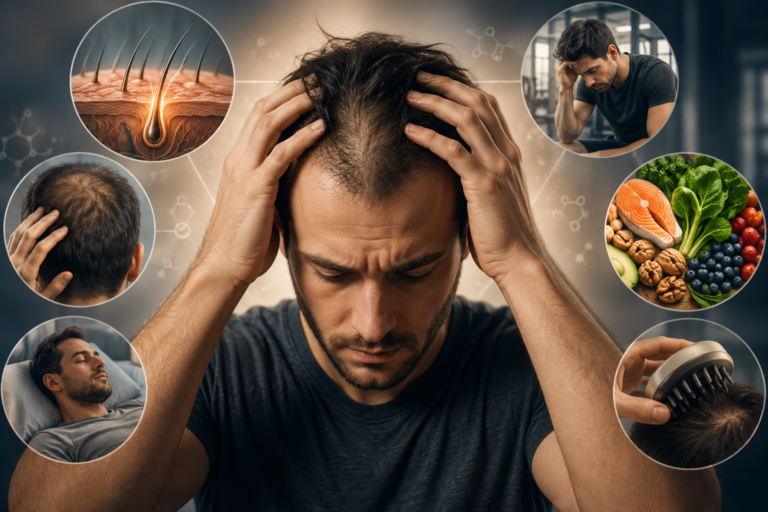
This process is known as miniaturization. As follicles shrink, individual hair strands grow back thinner and shorter. Eventually, the follicle stops producing visible hair altogether.
Other Contributing Factors
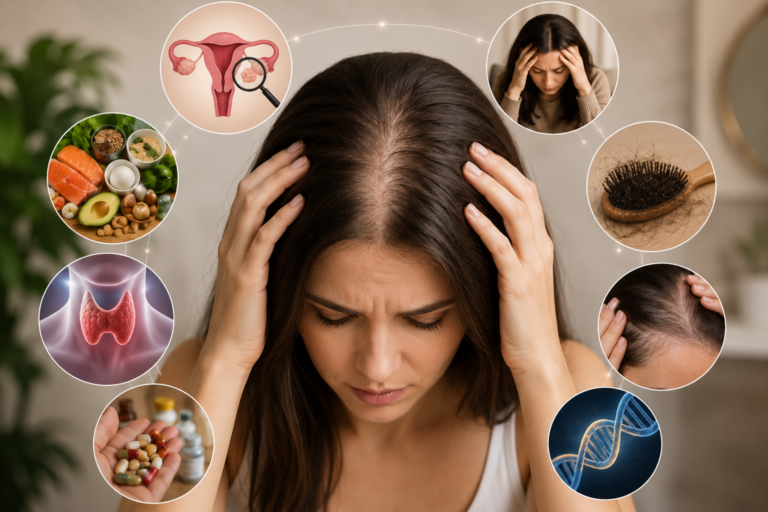
Genetics play a major role in how your scalp reacts to DHT. However, other daily factors can accelerate hair shedding.
High stress levels trigger hormonal spikes that disturb the hair growth cycle. Poor nutrition deprives follicles of crucial building blocks.
Inadequate scalp blood circulation limits the delivery of oxygen and key nutrients. Learning how stress and diet impact scalp health can help you protect existing hair.
FDA-Approved Medical Treatments Explained
When men ask which medicine is best for hair loss, doctor conversations start with FDA-approved options. These treatments have extensive clinical research backing their use.
Minoxidil (Topical)
Minoxidil is an over-the-counter topical treatment available as a liquid or foam.
It acts as a vasodilator. This means it widens blood vessels near the scalp surface.
Improved blood flow delivers extra oxygen and vital nutrients directly to dormant follicles. Minoxidil helps prolong the active growth phase of the hair cycle.
It requires consistent application twice daily to maintain results. If you stop using minoxidil, newly supported hair will eventually shed.
Finasteride (Oral)
Finasteride is a prescription oral medication designed specifically for male pattern baldness.
Unlike minoxidil, finasteride targets the root hormonal trigger. It inhibits the enzyme responsible for converting testosterone into DHT.
By lowering scalp DHT levels, finasteride protects sensitive follicles from miniaturization. Consulting a board-certified dermatologist helps clarify if prescription options match your health profile.
It requires consistent daily use under medical supervision to maintain beneficial effects.

Topical vs. Oral Medications: Which Fits Your Routine?
Choosing between topical solutions and oral treatments depends heavily on your lifestyle preferences and comfort level.
Ease of Daily Use
Topical liquids require direct scalp application every morning and night. Some men find this routine sticky or time-consuming.
Oral options are taken as a simple daily pill. This appeals to men who prefer a fast, mess-free routine.
Target Mechanism
Topical treatments focus primarily on local blood flow and follicle stimulation.
Oral hormonal treatments address systemic enzyme activity inside the body.
Many hair care specialists recommend a dual approach. Combining topical application with oral nutritional support often delivers the most balanced coverage.
Essential Nutrients and Botanical Support for Scalp Health
Pharmaceutical treatments are not the only way to support hair health. Internal nutrition plays a vital role in follicle strength.
A follicle requires specific vitamins, minerals, and amino acids to produce robust hair strands.
Key Vitamins and Minerals
- Biotin (Vitamin B7): Supports keratin production, the primary protein forming hair structure.
- Zinc: Helps maintain healthy hair follicle cell structure and scalp oil gland function.
- Selenium: Protects hair cells against oxidative stress and environmental damage.
Maintaining Balanced Testosterone Levels
Hormonal harmony is vital for male vitality and hair quality. Nutrient deficiencies can disrupt healthy hormone metabolism.
Targeted dietary supplements supply concentrated plant extracts and minerals that support normal testosterone levels. Maintaining optimal blood testosterone levels supports overall male wellness and hair vigor.
This nutritional foundation helps create an ideal internal environment for sustained hair growth.

What Happens If You Ignore Hair Thinning?
Ignoring early signs of hair loss is a common reaction. Many men hope the shedding is just temporary seasonal loss.
However, androgenetic alopecia is progressive. It does not stop on its own without deliberate care.
The Miniaturization Timeline
When DHT miniaturizes hair follicles for several years, those follicles eventually close entirely.
Once a follicle becomes dormant and scarred, natural regrowth becomes extremely difficult.
Early care offers far more options than late intervention. Preserving existing hair is always easier than attempting to reactivate dormant follicles.
Taking early action helps protect your current coverage and scalp density. Starting a consistent hair care routine early may help you maintain healthier-looking hair. Many readers begin with Folisin.
Choosing the Right Hair Support Strategy for Men
Developing a successful strategy requires consistency, patience, and high-quality solutions.
A comprehensive approach targets hair health from multiple angles simultaneously.
Step 1: Cleanse and Condition the Scalp
A clean scalp is necessary for healthy hair growth. Excess sebum and product build-up can clog pores and inflame follicles.
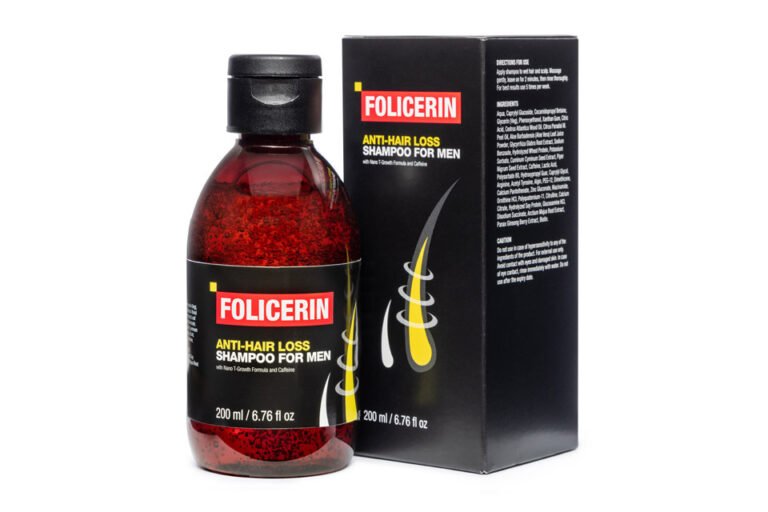
Use gentle, nourishing shampoos designed specifically to promote scalp microcirculation.
Step 2: Feed Your Follicles from Within
Topical products cover the surface, but internal nutrition feeds the root.
Incorporating a specialized dietary supplement provides essential micronutrients directly to the bloodstream.
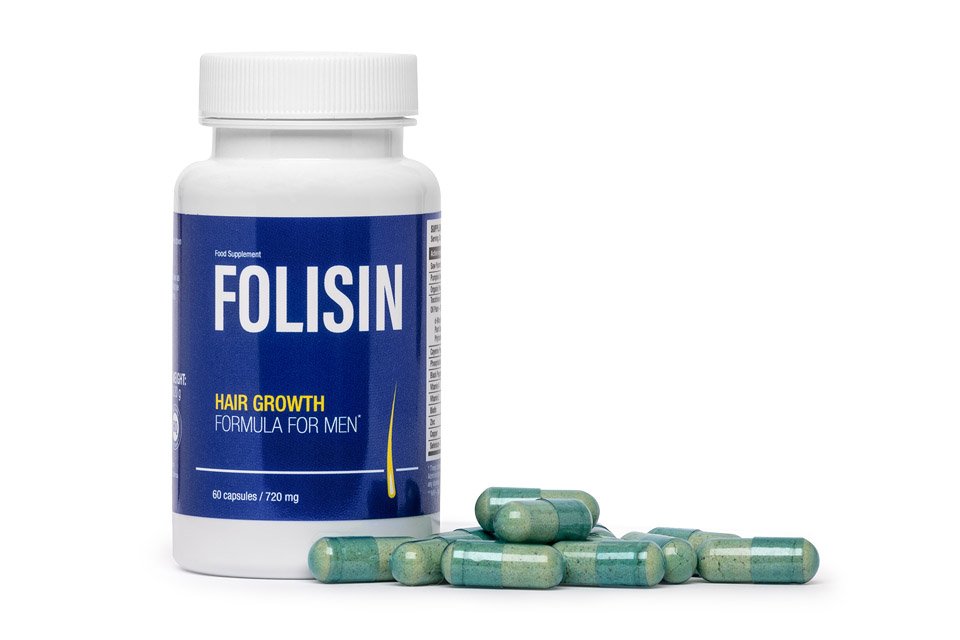
This is where advanced food supplements like Folisin fit naturally into a daily regimen. Folisin is a food supplement designed specifically for men facing hair thinning.
It combines 13 targeted ingredients that work together to inhibit baldness triggers and support natural hair growth. (If you want a complete internal formula for thinning hair, Folisin is one option worth exploring.)
Folisin supplies key nutrients that counteract nutritional deficiencies linked to hair loss. It supports hair regrowth in common trouble areas, such as the crown and receding temples.
Additionally, Folisin helps maintain optimal blood testosterone levels and supports natural hair pigmentation. Many men choose Folisin because it combines comprehensive nutrient support with ingredients designed for male hair density.
Step 3: Maintain Consistency
Hair grows slowly, averaging about half an inch per month.
Any strategy you choose requires at least three to six months of steady use before visible improvements appear. Consistency is the real key to success.
Frequently Asked Questions
Which medicine is best for hair loss in men?
The best choice depends on the specific cause of your hair loss. FDA-approved medications like topical minoxidil and oral finasteride are widely recognized for androgenetic alopecia. Combining medical treatments with targeted nutritional supplements like Folisin often produces optimal daily support.
Can natural supplements really help with hair loss?
Yes, high-quality supplements support hair health by addressing internal nutrient deficiencies. Ingredients that support scalp microcirculation, maintain healthy testosterone levels, and provide essential minerals help strengthen existing hair strands from within.
How long does it take to see results from hair loss treatments?
Hair grows slowly in natural cycles. Most treatments and dietary supplements require 3 to 6 months of continuous daily use before noticeable changes in hair thickness or reduced shedding occur.
Are hair loss supplements safe for regular daily use?
Formulations made with tested vitamins, minerals, and safe botanical extracts are designed for daily consumption. Always follow recommended dosage guidelines and check the ingredient list for personal sensitivities.
Does stress cause permanent hair loss?
Stress-induced hair loss, known as telogen effluvium, is usually temporary. Reducing stress levels and providing your body with optimal hair nutrients helps restore normal growth cycles over time.
Can you stop hair loss without prescription drugs?
Early-stage thinning can often be managed with proper scalp hygiene, lifestyle changes, and rich nutritional supplements. However, advanced hereditary hair loss may benefit from combining natural support with medical guidance.
Conclusion
Finding the right solution for hair loss begins with understanding your unique scalp needs. Whether you choose FDA-approved medications, daily topical care, or rich dietary supplementation, taking early action is crucial.
Protecting your hair density helps restore confidence and peace of mind. By pairing proven science with consistent daily nutrition, you give your hair the best environment to thrive.