What Works Best for Hair Loss? 9 Proven Ways to Get Thicker Hair
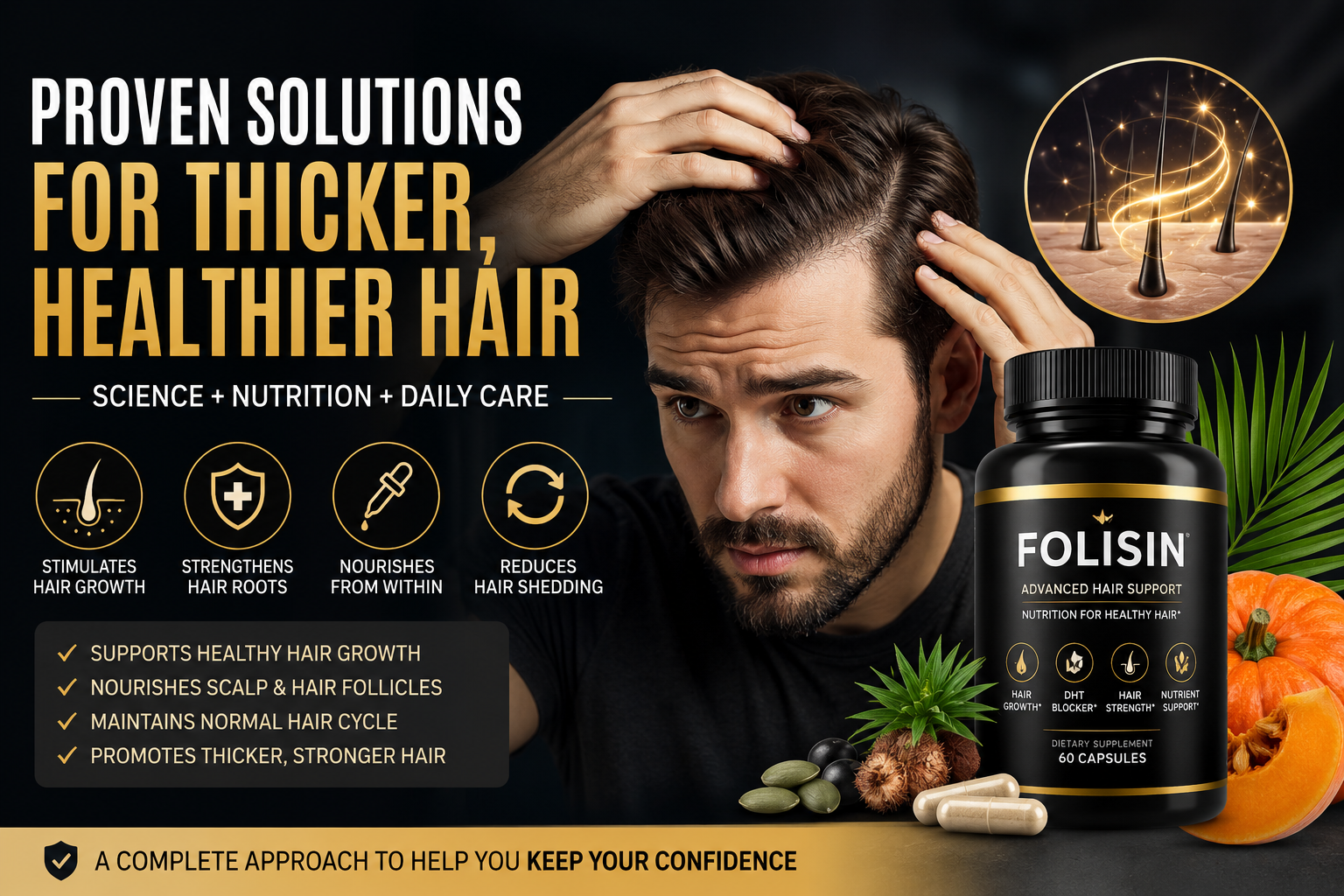
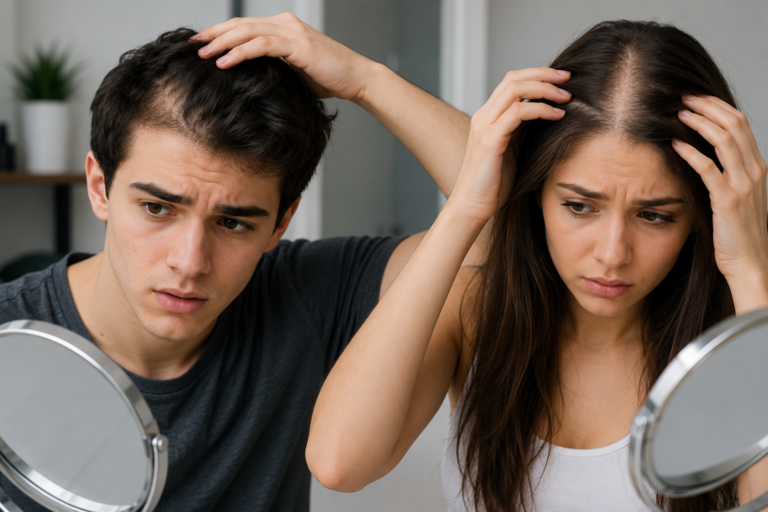
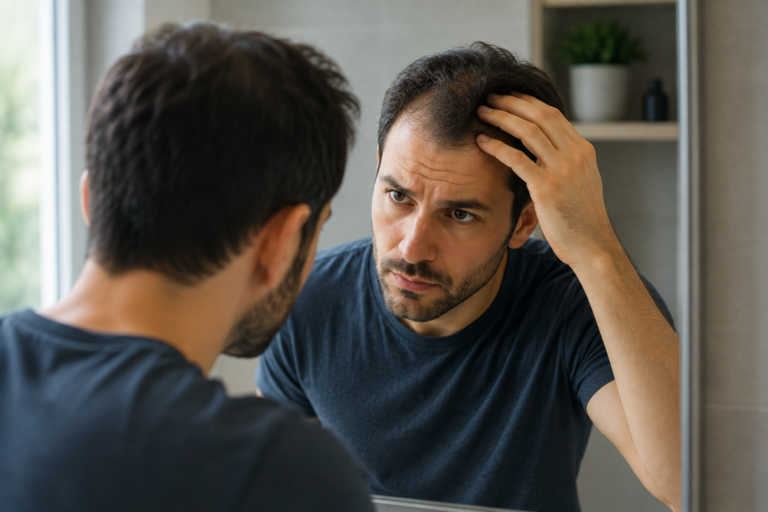
Noticing extra strands in the shower drain can bring an immediate wave of worry. You might find yourself checking the mirror under bright lights, constantly adjusting your style, or feeling self-conscious in family photos. It is completely normal to feel frustrated when your hair begins to thin. Millions of men face this exact challenge every year.
Hair loss often feels like a steep uphill battle, but you do not have to navigate it blindly. Understanding why your hair thins is the first step toward regaining control. Modern research offers clear pathways to manage shedding and support your scalp health effectively.
This comprehensive guide covers evidence-based strategies, lifestyle habits, and targeted solutions to help you maintain fuller, healthier-looking hair.
Table of Contents
- [Understanding the Root Causes of Hair Loss](#understanding the root causes of hair loss)
- [What Works Best for Hair Loss? Comparing Your Main Options](#what works best for hair loss comparing your main options)
- [The Role of Nutrition and Scalp Microcirculation](#the role of nutrition and scalp microcirculation)
- [What Happens If You Ignore Hair Thinning?](#what happens if you ignore hair thinning)
- [Targeted Nutritional Support for Men’s Hair Health](#targeted nutritional support for mens hair health)
- [Daily Habits to Strengthen and Protect Your Hair](#daily habits to strengthen and protect your hair)
- [Choosing the Right Pathway for Your Goals](#choosing the right pathway for your goals)
Understanding the Root Causes of Hair Loss
Hair thinning rarely happens overnight. For most men, it is a gradual process driven by biology and genetics.
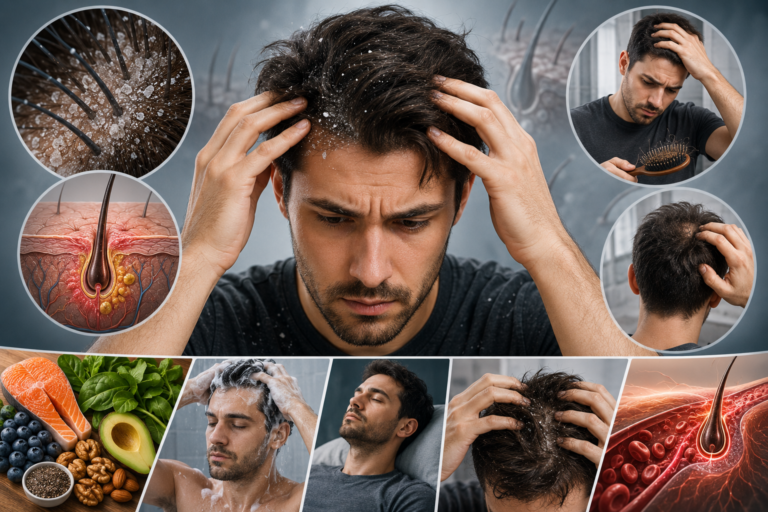
The most common culprit is male pattern baldness, medically known as androgenetic alopecia. This condition centers around dihydrotestosterone, or DHT. DHT is a byproduct of testosterone that binds to hair follicles. Over time, DHT causes sensitive follicles to shrink, producing thinner and shorter strands until growth stops entirely.
Other contributing factors include:
- Hormonal Changes: Variations in androgen levels affect growth cycles.
- Nutritional Deficiencies: A lack of essential vitamins starves hair roots.
- Poor Microcirculation: Restricted blood flow limits oxygen delivery to the scalp.
- Chronic Stress: High cortisol levels push active hair follicles into a resting phase.
Identifying these underlying drivers makes finding an effective strategy much easier.
(Learning how to identify early signs of pattern baldness can help you choose the right care routine sooner.)
What Works Best for Hair Loss? Comparing Your Main Options
When addressing hair loss, there is no one-size-fits-all magic cure. The most successful approaches combine targeted care with consistent daily habits.
| Solution Type | Primary Focus | Best Suited For | Key Benefit |
| Topical Care | Scalp stimulation | Localized thinning | Supports blood flow to roots |
| Nutritional Supplements | Internal nourishment | Overall thinning & maintenance | Provides core vitamins and minerals |
| Prescription Therapies | DHT inhibition | Advanced pattern baldness | Directly targets hormonal causes |
| Lifestyle Adjustments | Stress & diet management | Preventive care | Creates a healthy internal environment |
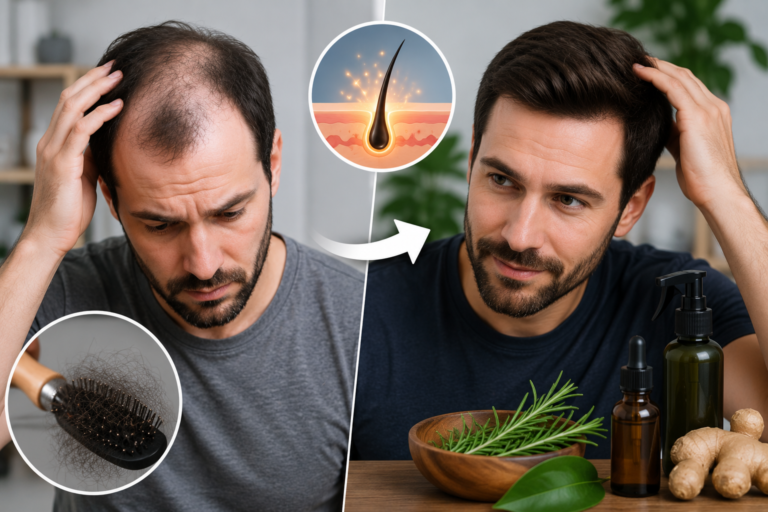
Topical solutions work externally to cleanse and stimulate the scalp area. Meanwhile, internal supplements focus on supplying vital nutrients directly through the bloodstream. Many men find that combining internal and external support yields the most balanced results.
(Understanding the difference between topical treatments and daily supplements helps you build a well-rounded regimen.)
The Role of Nutrition and Scalp Microcirculation
Your hair follicles require a steady supply of oxygen and nutrients to maintain healthy growth cycles. When microcirculation in the scalp slows down, follicles receive fewer nutrients, leading to weaker, thinner strands.
Key nutrients for hair strength include:
- Biotin and B-Complex Vitamins: Support keratin structure and overall shaft strength.
- Zinc and Minerals: Help maintain healthy hormone levels and follicle function.
- Plant Extracts: Certain botanical compounds assist in maintaining balanced scalp conditions.
Proper nutrition acts as the foundation for strong hair growth. Supplying these nutrients internally helps optimize the environment for your hair follicles.

What Happens If You Ignore Hair Thinning?
It is tempting to hope hair thinning stops on its own, but waiting usually leads to further progress.
When hair follicles shrink under the influence of DHT, they undergo a process called miniaturization. Each growth cycle produces weaker hair. Eventually, dormant follicles lose their ability to generate new strands altogether.
Addressing hair loss early preserves the hair density you currently have. Taking proactive steps now keeps more options open for maintaining a fuller appearance over time.
Targeted Nutritional Support for Men’s Hair Health
In addition to external care, providing your body with targeted nutrients helps support healthier hair growth from within.
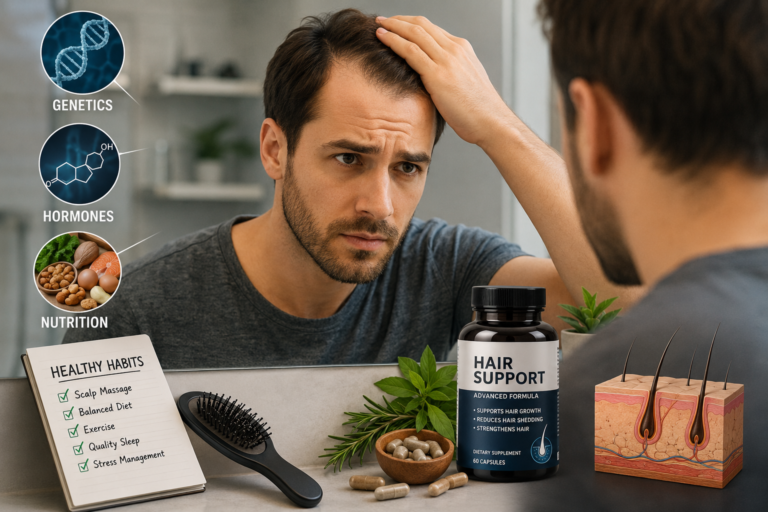
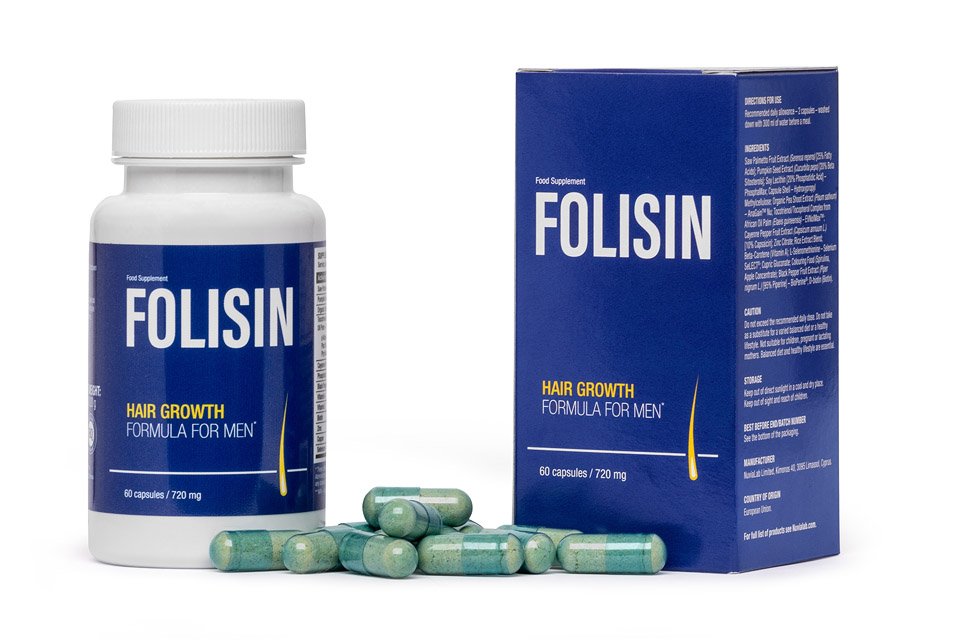
A well-formulated daily supplement can bridge nutritional gaps and help manage internal triggers like DHT sensitivity. Advanced natural formulas combine key vitamins, minerals, and plant extracts to support normal testosterone levels and maintain natural hair pigmentation.
Using a specialized supplement supports your scalp from the inside out. Ingredients like saw palmetto, pumpkin seed extract, and specialized nutrient complexes help maintain optimal conditions for follicle strength.
By targeting internal nourishment, you give your body the core building blocks needed for stronger-looking hair.
Daily Habits to Strengthen and Protect Your Hair
Supplements and treatments work best alongside healthy lifestyle habits. Simple daily adjustments can significantly protect existing hair.
Gentle Washing and Handling
Avoid aggressive scrubbing when washing your hair. Wet hair is far more vulnerable to breakage. Use warm rather than hot water, as high temperatures strip protective oils from your scalp.
Stress Management
Chronic stress raises cortisol, which disrupts normal hair growth phases. Regular exercise, adequate sleep, and meditation help lower stress markers, protecting your hair cycles.
Balanced Diet
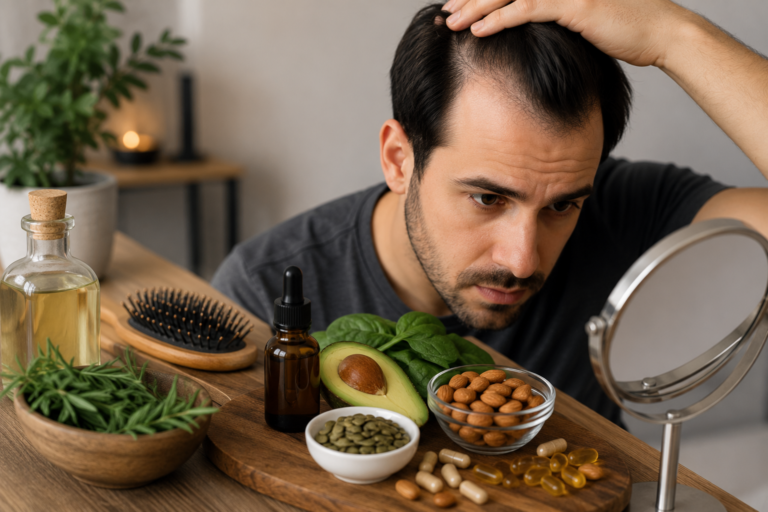
Incorporate lean proteins, leafy greens, nuts, and seeds into your diet. These whole foods provide essential amino acids and antioxidants that protect hair cells from oxidative stress.
Choosing the Right Pathway for Your Goals
Managing hair loss requires consistency and patience. Hair grows in slow cycles, so visible improvements take time regardless of the approach you select.
Evaluate your current routine and decide where to start:
- Assess your current shedding levels and scalp condition.
- Establish a simple, manageable daily routine.
- Feed your hair internally with targeted nutrient support.
- Protect your hair externally with gentle care techniques.
By combining scientific understanding with daily discipline, you can maintain your confidence and support stronger, fuller-looking hair over time.

Frequently Asked Questions
What works best for hair loss in men?
The best approach combines internal nutritional support, healthy scalp habits, and targeted care designed to manage DHT sensitivity and boost circulation.
How long does it take to see results from hair loss routines?
Hair growth cycles are slow. Most routines require consistent use for at least 3 to 6 months before visible changes in density or shedding become noticeable.
Can nutritional supplements stop hair shedding?
Supplements supply vital nutrients that strengthen follicles and support healthy growth cycles, which can reduce shedding linked to nutritional deficiencies.
Does stress cause permanent hair loss?
Stress-related shedding is usually temporary. Managing stress and maintaining proper nutrition can help hair return to its normal growth phase over time.
How does DHT affect male hair loss?
DHT binds to sensitive hair follicles, causing them to shrink over time. This leads to progressively thinner hair strands and eventual follicle dormancy.
Should I use topical products, supplements, or both?
Combining topical scalp care with internal nutritional supplements often yields the best results by addressing hair health from both directions.