
Top 10 Hidden Causes of Stress in Women and How to Manage Them

Stress shapes the modern female experience in profound, often invisible ways. Everyday pressure forces women to balance careers, family care, and complex hormonal changes constantly. (Understanding how chronic tension alters female physiology can help you regain control over your health.)
Medical research proves that female bodies process stress differently than male bodies. This comprehensive guide reveals the exact psychological, biological, and societal factors driving the female stress epidemic.
Table of Contents
- The Biological Architecture of Female Stress
- Societal Roles and the Invisible Mental Load
- The Modern Workplace Double Standard
- Interpersonal Relationships and Emotional Labor
- Body Image Pressures and Societal Expectations
- The Lifelong Impact of Childhood and Past Trauma
- How Chronic Stress Harms the Female Body
- Natural Solutions for Restoring Emotional Balance
- Frequently Asked Questions
- Conclusion
The Biological Architecture of Female Stress
Biology plays a foundational role in how women experience daily tension. Hormonal fluctuations act as primary causes of stress in women across different life stages.
The Estrogen and Progesterone Rollercoaster
Estrogen and progesterone do more than regulate reproduction. These powerful chemicals directly interact with neurotransmitters like serotonin and dopamine in the brain.
During the menstrual cycle, sharp drops in estrogen can trigger intense feelings of anxiety. Tracking your monthly cycle helps identify regular patterns of emotional distress.
Pregnancy, Postpartum, and Perimenopause
Major hormonal transitions amplify vulnerability to psychological pressure. The postpartum period brings a massive, sudden drop in hormone levels alongside sleep deprivation.
Later in life, perimenopause introduces unpredictable hormonal surges. These changes alter how the hypothalamic-pituitary-adrenal axis responds to everyday challenges.
Brain Chemistry Differences
Neuroscience reveals that the female brain possesses a highly sensitive alarm system. Women produce lower levels of an enzyme that breaks down stress hormones compared to men. Consequently, cortisol and adrenaline remain elevated in the female bloodstream for longer periods.
Societal Roles and the Invisible Mental Load
Societal expectations place unique, heavy burdens on women every single day. The mental load refers to the continuous cognitive effort required to manage a household.
The Endless To-Do List
Women typically manage the logistics of family life. They schedule medical visits, plan meals, and organize school calendars simultaneously.
This unpaid, invisible labor keeps the female nervous system in a state of constant alertness. It leaves very little room for genuine mental rest.
The Sandwich Generation Dilemma
Millions of middle-aged women currently belong to the sandwich generation. They face the dual responsibility of raising young children while caring for aging parents. This intense role conflict drains emotional reserves and causes severe, long-term exhaustion.
Perfectionism and Cultural Ideals
Media messages demand that modern women excel effortlessly in every domain. The cultural myth of the woman who “has it all” creates unrealistic benchmarks. (Striving for perfection in every role frequently leads to profound burnout.)
The Modern Workplace Double Standard
The professional world presents distinct obstacles that fuel female anxiety. Despite corporate progress, women face systematic challenges that increase their daily stress load.
The Wage Gap and Financial Insecurity
Financial strain remains a dominant driver of mental distress globally. Women still earn less on average than men for identical work. This systemic income disparity limits economic freedom and increases anxiety regarding future financial security.
Microaggressions and Lack of Representation
Many women must navigate subtle biases in professional settings daily. Having their authority questioned or being interrupted in meetings creates a hostile atmosphere. A lack of female leadership further isolates women in competitive corporate structures.
The Second Shift
After finishing a traditional workday, many women return home to begin a second shift. They perform the majority of domestic chores and childcare duties. This structural inequality eliminates the crucial recovery time needed to reduce cortisol levels naturally.
Interpersonal Relationships and Emotional Labor
Relationships provide deep joy, but they can also generate significant mental pressure. Women are often conditioned to prioritize the emotional well-being of others above their own needs.
Managing Family Harmony
Women frequently serve as the emotional anchors of their families. They absorb the anger, sadness, and frustrations of partners and children. Processing these complex collective emotions without support leads to severe emotional depletion.
The Danger of People-Pleasing
Saying no can feel deeply uncomfortable for women raised to be agreeable. Learning to set firm personal boundaries protects your psychological well-being.
Constant people-pleasing forces women to neglect their own physical and mental health needs. This self-neglect eventually manifests as chronic physical tension.
Body Image Pressures and Societal Expectations
The cultural obsession with female appearance acts as a constant source of anxiety. From a young age, women face intense scrutiny regarding their physical bodies.
Digital Distortions and Social Media
Social media platforms present highly curated, unrealistic standards of beauty. Constant exposure to altered images fosters toxic comparison behaviors. This digital environment increases body dissatisfaction and fuels low self-esteem in women of all ages.
The Aging Penalty
Society values youth, especially when evaluating women. Aging often brings unfair professional and social marginalization for females. The pressure to resist natural aging processes creates internal panic and financial stress.
The Lifelong Impact of Childhood and Past Trauma
Past experiences significantly alter how a woman handles pressure later in life. Trauma rewires the brain, making it hyper-reactive to perceived threats.
Adverse Childhood Experiences
Early childhood adversity changes the physical structure of the developing brain. Women who experienced unstable childhoods often exhibit heightened stress responses as adults. Their bodies naturally produce more cortisol during minor daily challenges.
Relational Trauma
Surviving emotionally abusive relationships leaves deep psychological scars. This trauma damages self-worth and breeds constant hypervigilance. Healing from past emotional trauma requires targeted, compassionate psychological support.
How Chronic Stress Harms the Female Body
Prolonged exposure to stress hormones causes severe physical damage. Women experience specific medical complications when tension goes unmanaged for years.
| System Affected | Common Symptoms & Conditions |
| Reproductive | Irregular periods, painful cramps, fertility challenges |
| Digestive | Irritable Bowel Syndrome (IBS), bloating, acid reflux |
| Cardiovascular | High blood pressure, elevated heart rate, heart disease |
| Metabolic | Weight gain around the abdomen, intense sugar cravings |
Immune System Suppression
Chronic cortisol elevation actively suppresses natural immune function. This suppression leaves women more vulnerable to frequent viral infections. It also accelerates the development of complex autoimmune disorders, which affect women disproportionately.
Sleep Disruption and Fatigue
Tension interferes with the deep, restorative phases of sleep. Women suffering from chronic pressure often experience racing thoughts at night. This lack of quality rest prevents brain recovery, worsening daytime anxiety and cognitive fog.
Natural Solutions for Restoring Emotional Balance
Overcoming chronic pressure requires a holistic approach to daily wellness. Combining lifestyle adjustments with targeted nutritional support can effectively restore inner calm.
Mindfulness and Cognitive Reframing
Mindfulness practices help ground a hyperactive nervous system. Techniques like deep diaphragmatic breathing and meditation lower your heart rate instantly. Daily meditation sessions effectively rewrite negative, anxious thought patterns over time.
Nutrient Synergy for Mental Wellness
When daily pressures feel overwhelming, natural adaptogens can provide vital support. High-quality nutritional supplements help the body adapt to external demands safely.
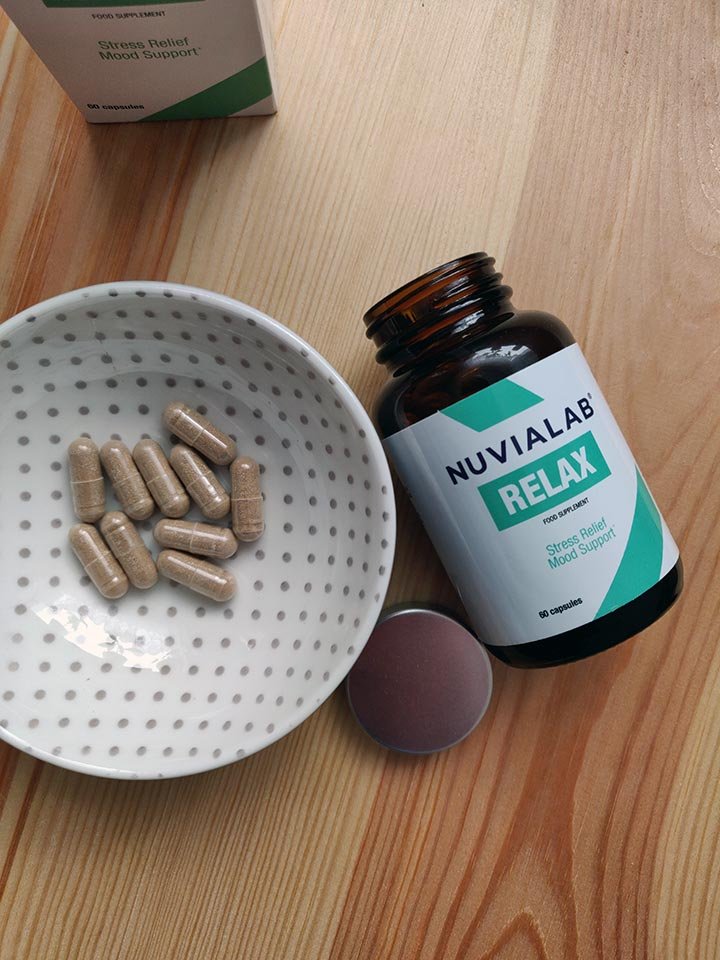
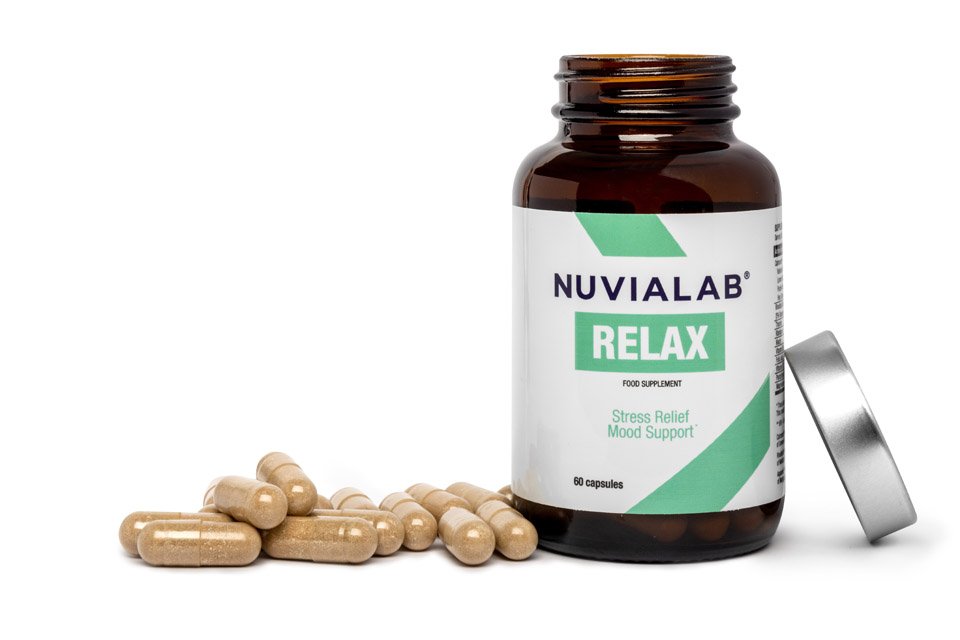
If you seek reliable emotional balance, consider integrating NuviaLab Relax into your wellness routine. This premium formula contains a synergistic blend of ten natural ingredients designed to support a healthy mood.
- Calmomix®: A standardized blend of traditional herbal extracts that induces natural calmness and improves sleep quality.
- Rhodiolife®: An exceptional golden root extract that acts as a powerful adaptogen to combat mental fatigue.
- Magnesium & B-Vitamins: Crucial micronutrients that support optimal cognitive abilities and protect the nervous system.
This scientifically backed combination helps you maintain emotional stability without causing drowsiness. It offers a gentle, natural way to reclaim your mental clarity.
Take Action For Your Peace of Mind
Prioritizing your mental health is a necessity, not a luxury. Explore how professional botanical support can transform your daily resilience. Learn more about how the natural ingredients in NuviaLab Relax can help you restore lasting emotional balance today.
Frequently Asked Questions
What are the main causes of stress in women?
The primary causes include sudden hormonal fluctuations, managing the invisible mental load at home, workplace inequality, and relationship emotional labor. These factors often combine to create chronic psychological pressure.
How does stress affect a woman’s body physically?
It can cause irregular menstrual cycles, severe digestive issues like IBS, chronic migraines, and unexplained weight gain. Prolonged tension also increases the risk of developing autoimmune conditions and heart problems.
Why do women experience stress differently than men?
Women possess a highly sensitive hormone response system and lower levels of enzymes that clear cortisol. Societal roles also place a heavier multitasking burden on women, increasing daily cognitive fatigue.
Can lifestyle changes cure chronic anxiety?
Lifestyle changes like mindfulness, boundaries, and nutrition can greatly reduce stress levels. However, they are not cures for diagnosed medical conditions like clinical anxiety or depression.
What natural ingredients help support a healthy mood?
Adaptogens like Rhodiola Rosea help the body resist external pressures. Magnesium, B-complex vitamins, and calming herbal extracts like lemon balm also support nervous system health and enhance sleep quality.

Conclusion
The unique causes of stress in women demand targeted, compassionate solutions. By understanding your biological triggers and setting firm boundaries, you can actively protect your peace. Remember to nurture your body with proper rest, mindfulness, and the right nutritional support to stay resilient.