
Hard Prostate Cancer Choices: What Are the Best Treatment Options?

Facing a prostate cancer diagnosis feels like walking into a storm. Shock, fear, and confusion hit you all at once. Your mind spins with questions about survival, side effects, and daily life. You want clear answers, and you want them immediately.
Understanding your diagnosis helps you make informed choices about your prostate health. Choosing the right path requires accurate information. This comprehensive guide breaks down the best treatment options for prostate cancer to help you take control.
Table of Contents
- #1-active-surveillance
- #2-radical-prostatectomy-surgery
- #3-radiation-therapy-options
- #4-hormone-therapy
- #5-chemotherapy-and-advanced-treatments
- #6-immunotherapy-and-targeted-care
- #7-integrative-prostate-support
- #faq-section
1. Active Surveillance: Watching the Cancer Safely
Not every prostate cancer requires immediate, aggressive treatment. Many prostate tumors grow very slowly. Therefore, doctors often recommend active surveillance for low-risk cancer.
This approach avoids the immediate side effects of surgery or radiation. Doctors monitor the cancer closely with regular PSA blood tests. They also perform digital rectal exams and periodic prostate biopsies.
Active surveillance keeps your quality of life intact for as long as possible. If tests show the cancer is changing, your medical team will pivot to active treatment. This strategy ensures you only undergo invasive procedures when absolutely necessary.
2. Radical Prostatectomy: Surgical Removal Options
When cancer is confined to the prostate, surgery is a highly effective choice. A radical prostatectomy involves the complete removal of the prostate gland. Surgeons also remove some surrounding tissue and nearby lymph nodes.
Modern medicine offers several surgical methods. Robot-assisted laparoscopic surgery is now the most common approach. This technique utilizes tiny incisions and robotic precision, which reduces blood loss and speeds up recovery.
| Surgery Type | Approach | Recovery Time |
| Open Surgery | Single large incision | 4 to 6 weeks |
| Robotic Surgery | Keyhole incisions with robotic arms | 2 to 3 weeks |
Potential side effects include urinary incontinence and erectile dysfunction. However, experienced surgeons utilize nerve-sparing techniques to preserve normal male sexual function whenever possible.
3. Radiation Therapy: Destroying Cancer Cells With Precision
Radiation therapy uses high-energy rays to kill cancer cells. It serves as an excellent primary treatment for localized prostate cancer. Doctors also use it if cancer returns after surgery.
External beam radiation therapy delivers radiation from outside the body. Advanced techniques target the prostate precisely, which minimizes damage to healthy bladder and bowel tissues.
Brachytherapy is another powerful option. Learning about advanced radiation methods helps men choose the right prostate therapy. This method places radioactive seeds directly inside the prostate gland. It delivers a high dose of radiation locally while protecting surrounding organs.
4. Hormone Therapy: Blocking the Fuel Supply
Prostate cancer cells rely on testosterone to grow and multiply. Hormone therapy, also known as androgen deprivation therapy, lowers testosterone levels in the body. This treatment starves the cancer cells, causing the tumor to shrink.
Doctors frequently combine hormone therapy with radiation for aggressive cancers. It is also a primary treatment for cancer that has spread beyond the prostate.
While effective, lowering testosterone causes side effects. Men may experience hot flashes, weight gain, and fatigue. Managing the side effects of hormone therapy requires a proactive lifestyle approach. Long-term use can also affect bone density and muscle mass.
5. Chemotherapy and Advanced Care Options
If prostate cancer spreads and stops responding to hormone therapy, doctors turn to chemotherapy. Chemotherapy uses powerful drugs to destroy rapidly growing cancer cells throughout the entire body.
This treatment does not cure advanced prostate cancer. However, it slows tumor growth, extends survival, and significantly reduces bone pain.
Patients usually receive chemotherapy intravenously in cycles. Side effects include hair loss, fatigue, nausea, and an increased risk of infection. Your medical team will provide supportive therapies to manage these symptoms effectively.
6. Immunotherapy and Targeted Treatments
Immunotherapy represents the cutting edge of cancer care. It stimulates your body’s own immune system to recognize and fight prostate cancer cells.
Sipuleucel-T is a customized immunotherapy vaccine. Doctors create it using your own immune cells to treat advanced, hormone-resistant prostate cancer.
Targeted therapies look for specific genetic mutations within the cancer cells. Drugs like PARP inhibitors attack these specific weaknesses. This precise approach spares healthy cells and offers hope when traditional treatments fail.
7. Integrative Prostate Support: Nutrition and Beyond
Defending your body against prostate issues requires a comprehensive, multi-layered approach. Modern men must focus on overall cellular health, urinary comfort, and robust vitality. Alongside medical interventions, targeted nutritional support plays a massive role in maintaining a healthy lifestyle.
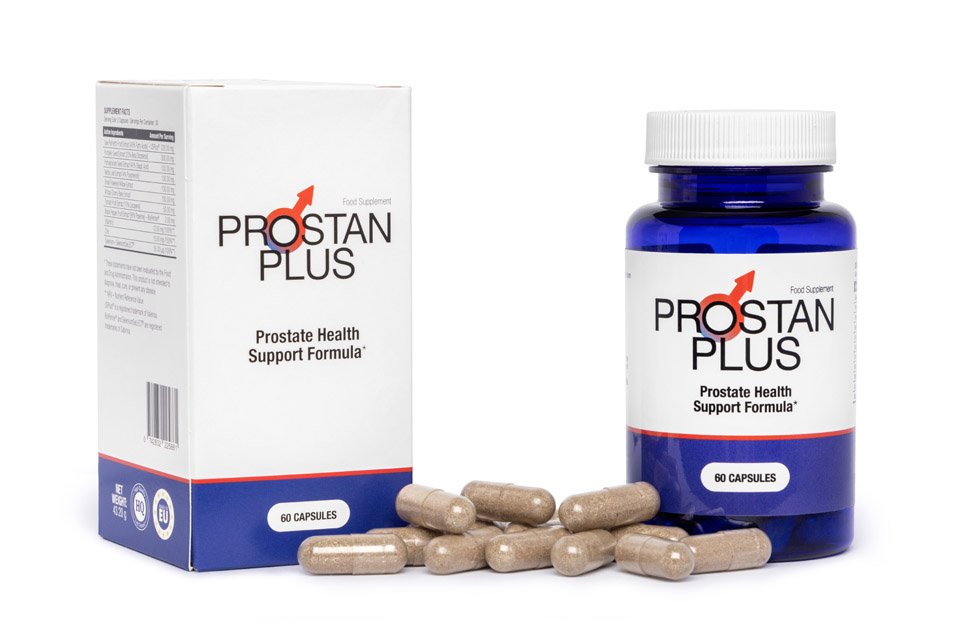
A premium, multi-ingredient food supplement like NuProstate offers innovative support for your prostate health. Formulated with up to 12 powerful ingredients, NuProstate contributes directly to the maintenance of healthy prostate function. It supports normal urinary function, assists with renal excretory function, and promotes peak urinary flow.
Regular use of this advanced supplement helps restore male energy, improve fertility, and maintain normal male sexual function. When facing prostate challenges, giving your body the right nutrients supports your journey toward long-term wellness.
Take Action for Your Vitality: Do not let prostate discomfort dictate your daily life. Discover how the 12 natural ingredients in NuProstate can support your urinary comfort and restore your male energy today.
Learn More About NuProstate Right Here
FAQ Section
What is the most successful treatment for prostate cancer?
The most successful treatment depends on the cancer stage and your overall health. For localized cancer, surgery and radiation therapy show excellent long-term survival rates. Your medical team will tailor the choice to your specific situation.
Can prostate cancer be cured completely?
Yes, localized prostate cancer can often be cured completely with surgery or radiation. Early detection significantly increases the chances of a successful cure. Regular screening remains the best defense.
What happens if you leave prostate cancer untreated?
Untreated prostate cancer can grow and spread to nearby organs or bones. This progression leads to severe pain, urinary blockages, and advanced disease that is much harder to manage.
What are the final signs of prostate cancer?
Advanced signs include severe bone pain, unexplained weight loss, extreme fatigue, and severe urinary blockages. Managing these symptoms requires specialized palliative and medical care.
Conclusion
Navigating prostate cancer treatment options requires careful thought and professional medical guidance. Every man’s journey is unique. Discuss the benefits and risks of each option thoroughly with your urologist and oncologist. Prioritize your long-term health, seek second opinions, and build a strong support system to guide you forward.