Life After Prostate Removal: The Hidden Risks You Must Know

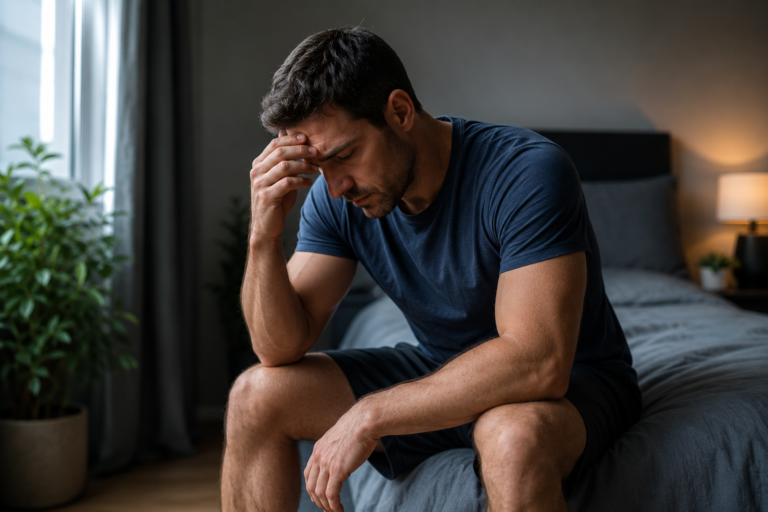
Facing the removal of your prostate is a major life event. Many men worry about what happens next. The physical changes can impact your daily routine and confidence.
Understanding these changes helps you regain control. Surgical removal, known as radical prostatectomy, alters your urinary and reproductive anatomy. Fortunately, the human body adapts over time.
Learning about the long-term changes helps men prepare for a smoother recovery journey. With the right knowledge, you can navigate life after surgery successfully.
Table of Contents
- The Immediate Aftermath of Radical Prostatectomy
- Urinary Incontinence: What to Expect and How to Manage It
- Erectile Dysfunction After Prostate Removal
- Changes in Sexual Function and Fertility
- The Role of Pelvic Floor Physical Therapy
- Long-Term Health and Monitoring After Surgery
- Supporting Male Vitality Naturally During Recovery
- Frequently Asked Questions
- Conclusion and Next Steps
The Immediate Aftermath of Radical Prostatectomy
What Happens in the Operating Room?
Surgeons remove the entire prostate gland during a radical prostatectomy. They also remove the surrounding tissues and the seminal vesicles. This procedure aims to eliminate localized prostate cancer entirely.
The removal leaves a gap between the bladder and the urethra. Surgeons must reconnect these two vital structures to restore the urinary pathway. This new connection requires time to heal properly.
The Recovery Phase in the Hospital
Most men spend one to two nights in the hospital after surgery. Medical staff monitor your vital signs closely. You will wake up with a temporary urinary catheter in place.
The catheter stays inside for one to two weeks. It allows the new urinary connection to heal without pressure. Proper care during the first few weeks prevents complications and urinary tract infections.
Managing Initial Post-Op Discomfort
You will experience some pain and fatigue initially. Doctors prescribe specific medications to manage this discomfort safely. Walking early and frequently promotes healthy blood circulation.
It also prevents dangerous blood clots from forming in your legs. Rest remains crucial during this initial phase of healing. Avoid lifting heavy objects for at least six weeks.
Urinary Incontinence: What to Expect and How to Manage It
Why Surgery Causes Urinary Leakage
The prostate surrounds the urethra like a small collar. It naturally assists the bladder muscles in controlling urine flow. Removing the gland disrupts these delicate surrounding muscles and nerves.
Consequently, almost all men experience some urinary leakage initially. This condition is called stress urinary incontinence. Understanding how the bladder changes after surgery helps you manage expectations realistically.

Timeline for Recovering Bladder Control
Bladder control improves gradually over several months. Many men notice significant progress within the first ninety days. Complete recovery can take up to a full year.
Every individual heals at a unique pace. Consistency with lifestyle adjustments speeds up this recovery timeline. Patience remains your best ally during this transitional phase.
| Recovery Stage | Expected Urinary Status | Recommended Action |
| Weeks 1–2 | Catheter in place / Initial removal | Use high-absorbency pads |
| Months 1–3 | Frequent leakage with movement | Start daily Kegel exercises |
| Months 6–12 | Significant control / Occasional leaks | Maintain pelvic floor routine |
Practical Tips for Daily Management
Use high-quality male incontinence pads to stay dry and confident. Change them regularly to protect your skin from irritation. Avoid bladder irritants like caffeine, alcohol, and spicy foods.
Drink plenty of water during the daytime hours. Restricting fluids can actually irritate your bladder further. Stop drinking liquids two hours before you go to bed.
Erectile Dysfunction After Prostate Removal
The Link Between Prostate Surgery and ED
Two delicate nerve bundles run directly alongside the prostate gland. These nerves control the blood flow required for erections. Surgeons always attempt nerve-sparing surgery whenever it is safely possible.
However, even nerve-sparing techniques cause temporary trauma to these tissues. This trauma results in erectile dysfunction immediately after the procedure. The nerves require months to wake up and function again.
The Timeline for Nerve Recovery
Nerve recovery is a notoriously slow biological process. You may not see signs of improvement for six months. Full nerve regeneration can take up to twenty-four months.
Age and pre-surgery sexual health influence your recovery speed. Younger men often experience faster nerve recovery. Daily commitment to rehabilitation therapies improves long-term outcomes.
Introduction to Penile Rehabilitation
Urologists frequently recommend early penile rehabilitation programs. These programs encourage regular blood flow to the penile tissues. Increased blood flow prevents long-term tissue scarring and shrinkage.
Rehabilitation may include oral medications or specialized vacuum devices. Talk openly with your doctor about the best approach for you. Starting early protects your long-term sexual health.
Changes in Sexual Function and Fertility
The Reality of Dry Orgasms
Removing the prostate gland and seminal vesicles changes climaxing forever. You will still experience the pleasurable sensation of an orgasm. However, you will no longer ejaculate any fluid.
This phenomenon is known legally and medically as a dry orgasm. The sensation might feel slightly different than before. It remains completely safe and does not reduce physical pleasure.
Impact on Male Fertility
Prostate removal causes permanent infertility because ejaculation is no longer possible. If you plan to father children, consider options before surgery. Sperm banking remains an excellent choice for many families.
Discuss fertility preservation with your medical team prior to your procedure. Exploring fertility options early provides peace of mind before undergoing major surgery.
Navigating Intimacy with Your Partner
Open communication with your partner is vital during recovery. Intimacy involves much more than just physical performance. Emotional closeness helps reduce the anxiety surrounding sexual changes.
Explore new ways to connect and express affection together. Reducing performance pressure actually speeds up physical recovery. Support from a loving partner makes a massive difference.
The Role of Pelvic Floor Physical Therapy
Understanding Your Pelvic Floor Muscles
The pelvic floor consists of a hammock-like sling of muscles. These muscles support your bladder, bowels, and sexual organs. After prostate removal, these muscles must work much harder.
They become the primary mechanism for maintaining your urinary continence. Strengthening them is essential for regaining control over your life. Targeted exercises isolate and build these vital muscle groups.
How to Perform Kegel Exercises Correctly
To find the correct muscles, try stopping your urine stream mid-flow. Do this only once to identify the muscle group. Contract these pelvic muscles firmly for five seconds.
Relax them completely for another five seconds. Repeat this simple cycle ten times per session. Perform three sessions daily for the best results.
[Contract 5 Sec] ──> [Relax 5 Sec] ──> [Repeat 10 Times] ──> [3 Daily Sessions]
Working with a Specialized Physical Therapist
A pelvic floor physical therapist offers invaluable professional guidance. They use biofeedback technology to ensure correct exercise technique. This targeted approach prevents you from straining the wrong muscles.
Therapists customize routines based on your specific recovery progress. Working with a specialist often accelerates your continence timeline. Do not hesitate to ask for a professional referral.
Long-Term Health and Monitoring After Surgery
The Importance of Follow-Up PSA Tests
Your medical team will monitor your PSA levels regularly after surgery. PSA stands for prostate-specific antigen, a protein tracked via blood tests. After complete removal, your PSA should drop to undetectable levels.
A rising PSA level can indicate recurring prostate cells. Regular testing ensures early detection and prompt management if issues arise. Follow your urologist’s testing schedule precisely.
Managing Potential Long-Term Complications
Some men develop a narrowing of the bladder neck over time. This complication is known medically as a bladder neck contracture. It can cause a slow urine stream or difficulty urinating.
Fortunately, urologists can treat this issue easily with minor procedures. Report any new urinary changes to your doctor immediately. Early intervention keeps complications small and manageable.
Embracing a Proactive Lifestyle
A healthy lifestyle supports your body’s natural long-term recovery processes. Eat a balanced diet rich in whole foods and lean proteins. Maintain a healthy weight to reduce pressure on your bladder.
Manage daily stress through regular exercise and mindfulness practices. A healthy body recovers its natural vitality much more efficiently. Your daily habits shape your long-term well-being.
Supporting Male Vitality Naturally During Recovery
Nutritional Strategies for Lasting Wellness
Your body requires premium nutrition to repair tissues after major surgery. Focus on consuming high-quality antioxidants, vitamins, and minerals daily. Zinc and selenium play crucial roles in maintaining normal male hormone levels.
Healthy fats from nuts and fish support cellular repair mechanisms. A nutrient-dense diet provides the building blocks necessary for structural healing. Fueling your body correctly enhances your daily energy levels.
The Benefits of Target Dietary Supplementation
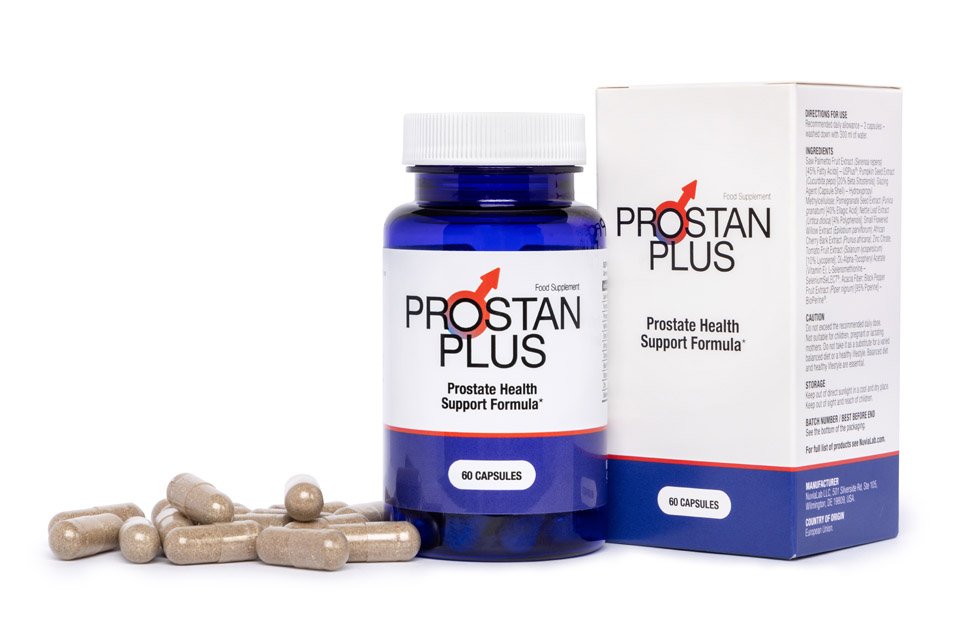
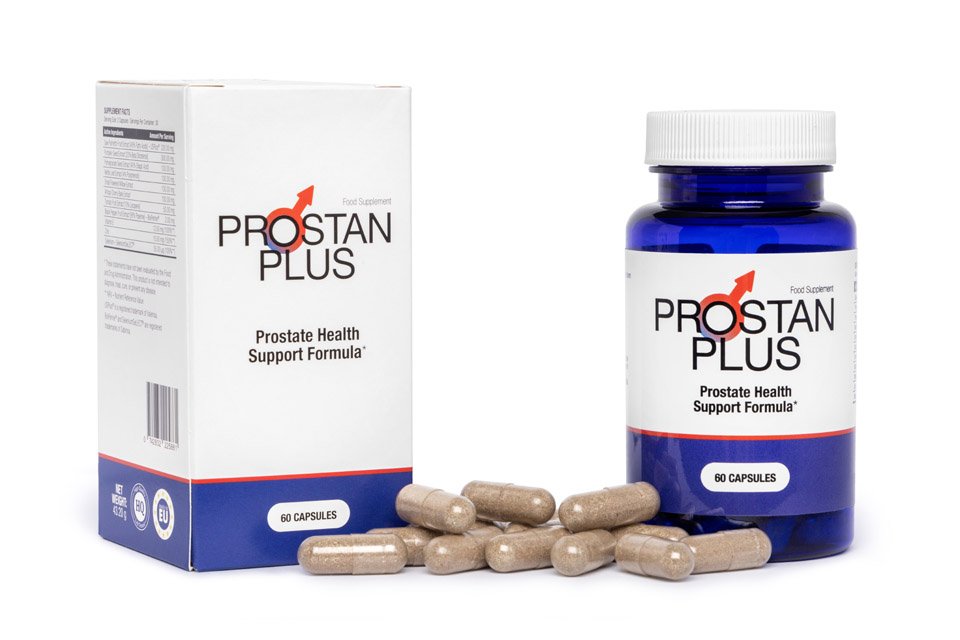
Many men seek extra support to maintain their urinary comfort and vitality. A high-quality, multi-ingredient food supplement can complement a healthy lifestyle perfectly. It helps bridge nutritional gaps during the demanding recovery phase.
Look for natural formulas that support normal urinary function and flow. Ingredients like saw palmetto and pumpkin seed extract are widely recognized. They promote general renal excretory function and long-term bladder comfort.
When choosing a supplement, look for comprehensive, innovative formulas. Products like NuProstate offer a powerful blend of 12 natural ingredients. It contributes to the maintenance of healthy prostate function and supports normal urinary flow.
Regular use helps restore male energy, improve fertility, and maintain normal sexual function. It is a safe way to take comprehensive care of your health naturally.
💡 Take Control of Your Vitality Today
Discover how a comprehensive blend of natural ingredients can support your urinary comfort and male energy.
Learn more about NuProstate and support your wellness journey naturally.
Frequently Asked Questions
Does removing the prostate affect your size?
Some men notice a slight decrease in penile length after surgery. This change happens due to muscle retraction and temporary tissue inactivity. Early penile rehabilitation programs help prevent this occurrence effectively.
How long does it take to fully recover from prostate removal?
Initial surgical healing takes about six to eight weeks. However, recovering urinary control and sexual function takes longer. Expect a gradual improvement process lasting twelve to twenty-four months.
Can you still have an erection without a prostate?
Yes, erections remain possible if the surrounding nerves were preserved. Recovery takes time because the nerves require months to heal from surgical trauma. Consistent rehabilitation therapies greatly improve your chances.
What is the primary cause of leakage after surgery?
The removal of the prostate disrupts the internal urinary sphincter muscle. The remaining pelvic floor muscles must adapt to control urine flow. Dedicated pelvic floor exercises help restore this essential function.
Does prostate removal eliminate the risk of cancer completely?
Surgery removes the primary source of prostate cancer cells successfully. However, regular follow-up PSA tests remain necessary to monitor for recurrence. This proactive tracking ensures long-term safety and peace of mind.
Conclusion and Next Steps
Living without a prostate requires adjustments, but you can thrive. Urinary and sexual changes are manageable with time, patience, and effort. Focus on daily pelvic exercises and a healthy lifestyle to speed recovery.
Partner with your medical team and report changes immediately. Your body possesses an incredible ability to adapt and heal over time. Take proactive steps today to reclaim your health, confidence, and vitality.