Hair Falling Out Suddenly? Discover the Most Common Causes
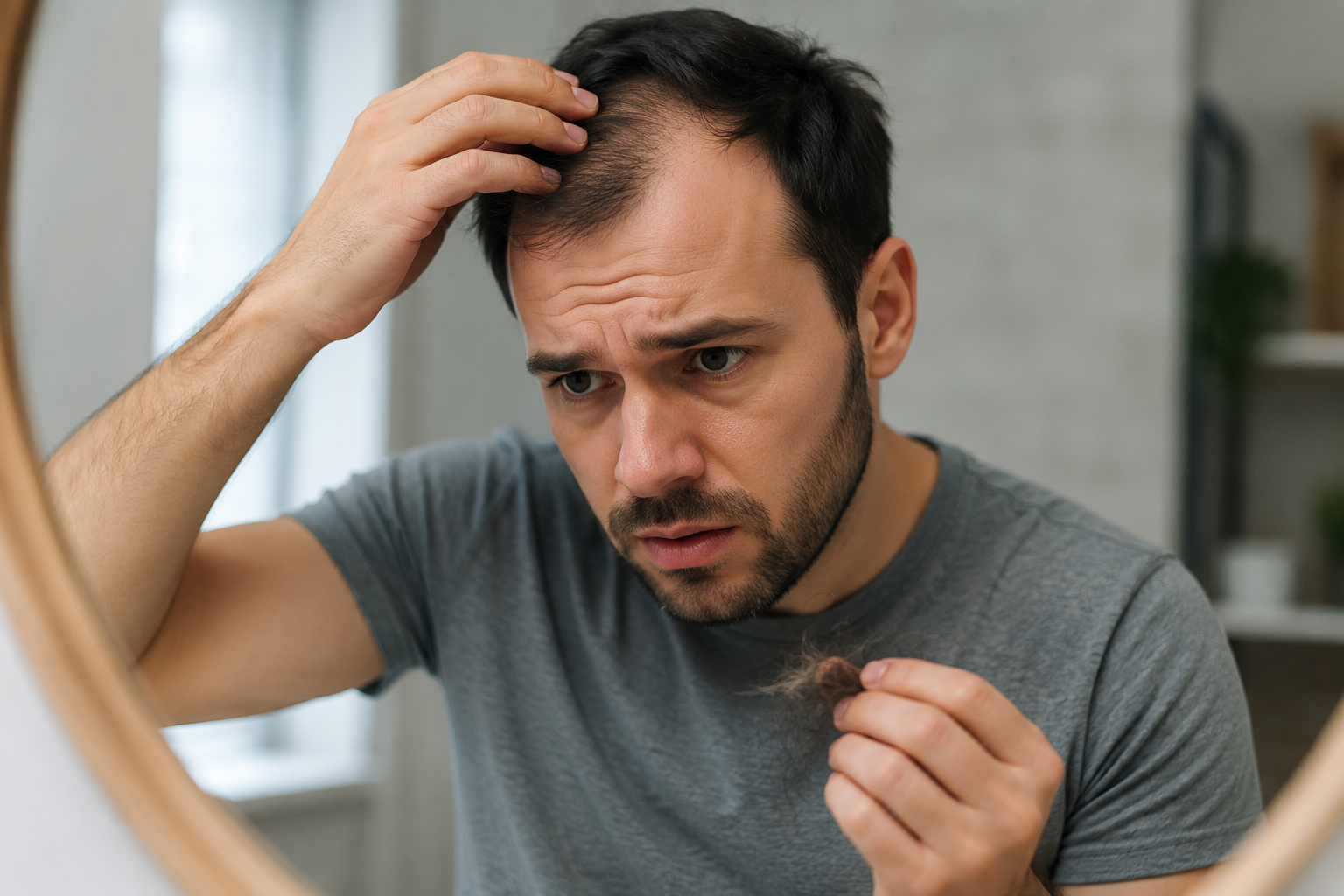
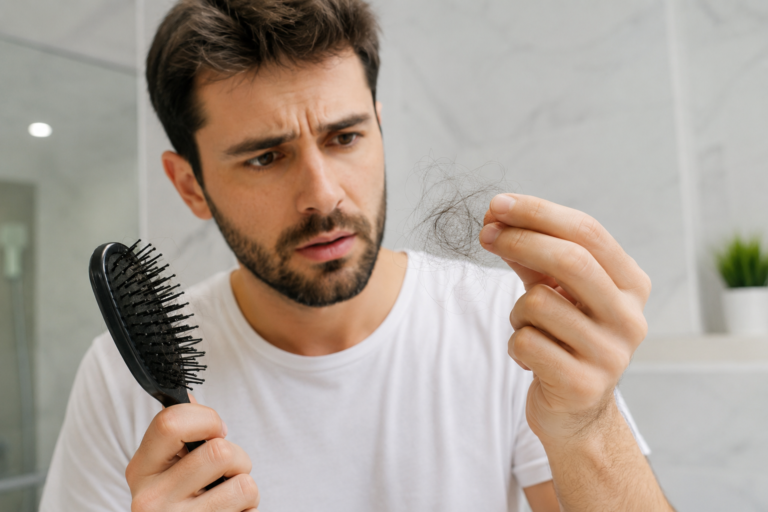
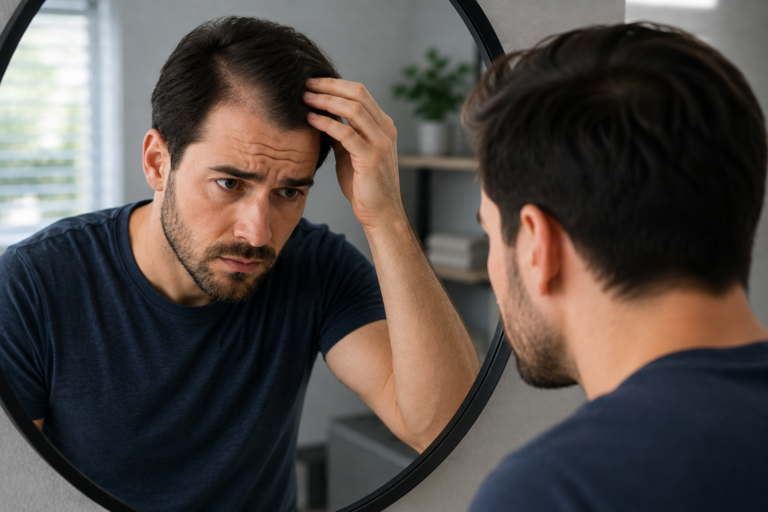
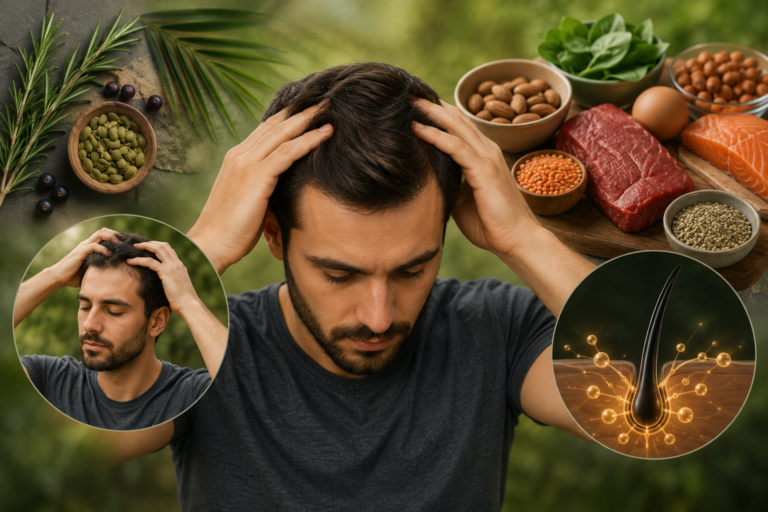
Noticing more hair in your shower drain or on your pillow can be stressful. Sudden hair loss often has an underlying cause, and identifying it early can make a big difference.
In many cases, temporary factors like stress, illness, poor nutrition, or hormonal changes trigger excessive shedding. However, genetics and certain medical conditions may also play a role.
This guide explains why sudden hair loss happens, when you should be concerned, and what steps may help support healthier hair growth.
Table of Contents
- Why Does Hair Suddenly Start Falling Out?
- Common Causes of Sudden Hair Loss
- Can Stress Cause Hair Loss?
- Vitamin Deficiencies and Hair Shedding
- When Should You See a Doctor?
- How to Support Healthy Hair Naturally
- Key Takeaways
- FAQs
- Conclusion
Why Does Hair Suddenly Start Falling Out?
Quick Answer
Sudden hair loss usually happens because the normal hair growth cycle has been disrupted. Stress, illness, nutritional deficiencies, medications, hormonal changes, and genetics are among the most common reasons.
Hair naturally sheds every day. However, losing significantly more than usual may signal that something has changed inside the body.
Common Causes of Sudden Hair Loss
Stress
Emotional or physical stress can push many hair follicles into a resting phase. As a result, noticeable shedding often appears two to three months later.
Nutritional Deficiencies
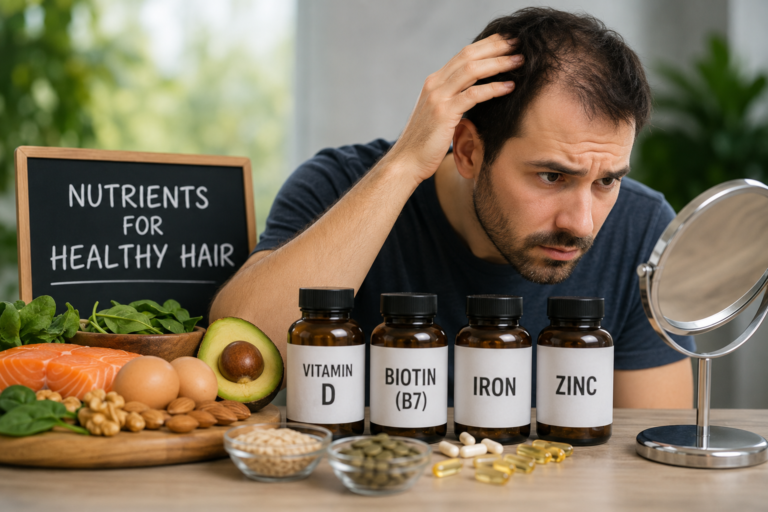
Low levels of iron, zinc, vitamin D, or protein may contribute to increased hair shedding.
Hormonal Changes
Changes in testosterone metabolism or thyroid hormone levels can affect hair growth cycles.
Genetics
Male pattern baldness remains one of the leading causes of progressive hair thinning in men.
Illness or Medication
High fever, surgery, infections, and certain medications may temporarily increase hair loss.
Can Stress Cause Hair Loss?
Quick Answer
Yes. Significant stress can trigger temporary hair shedding known as telogen effluvium.
Fortunately, many people notice improvement once stress levels decrease and the body recovers.
Simple lifestyle habits may help:
- Better sleep
- Regular exercise
- Healthy nutrition
- Relaxation techniques
- Consistent hair care
Vitamin Deficiencies and Hair Shedding
Quick Answer
Hair follicles require essential nutrients to function properly.
Important nutrients include:
- Iron
- Zinc
- Vitamin D
- Biotin
- Folate
- Protein
A balanced diet supports healthy hair production and overall scalp health.
How to Support Healthy Hair Naturally
Several healthy habits may improve the appearance and strength of hair over time.
- Eat enough protein.
- Stay hydrated.
- Reduce chronic stress.
- Avoid aggressive hairstyles.
- Use gentle hair products.
- Protect your scalp from excessive sun exposure.
When Should You See a Doctor?
Seek medical advice if:
- Hair falls out in large patches.
- Hair loss appears suddenly after illness.
- You notice scalp pain or inflammation.
- Hair loss continues for several months.
- You experience additional symptoms like fatigue or unexplained weight changes.
Early diagnosis may identify treatable medical conditions.
Key Takeaways
- Sudden hair loss often has an identifiable cause.
- Stress and nutrient deficiencies are common triggers.
- Genetics also play a significant role in male hair thinning.
- Healthy lifestyle habits support long-term scalp health.
- Early medical evaluation is recommended when hair loss is severe or persistent.
Frequently Asked Questions
Why is my hair falling out all of a sudden?
Stress, illness, nutritional deficiencies, medications, and hormonal changes are among the most common causes.
Can stress really make hair fall out?
Yes. High stress levels can trigger temporary hair shedding known as telogen effluvium.
Is sudden hair loss permanent?
Not always. Many temporary causes improve once the underlying issue resolves.
Can vitamin deficiency cause hair loss?
Yes. Low iron, vitamin D, zinc, protein, and folate levels may contribute to excessive shedding.
How much hair loss is normal each day?
Most people naturally lose between 50 and 100 hairs daily.
Can dehydration affect hair health?
Poor hydration may affect overall scalp condition, although it is rarely the sole cause of hair loss.
Should I change my shampoo if my hair is thinning?
Gentle shampoos designed for thinning hair may help support scalp care alongside healthy habits.
When should I worry about hair loss?
Consult a healthcare professional if hair loss is sudden, severe, patchy, or accompanied by other symptoms.
Conclusion
Sudden hair loss can feel alarming, but it often has an identifiable explanation. Understanding the possible causes allows you to take appropriate action and support healthier hair over time.
Healthy nutrition, stress management, and proper scalp care all contribute to maintaining stronger-looking hair. Persistent or severe hair loss should always be evaluated by a healthcare professional.
If you’ve recently noticed unusual hair shedding, start by reviewing your lifestyle, nutrition, and daily hair care habits. Small changes made consistently may support healthier hair in the long run.