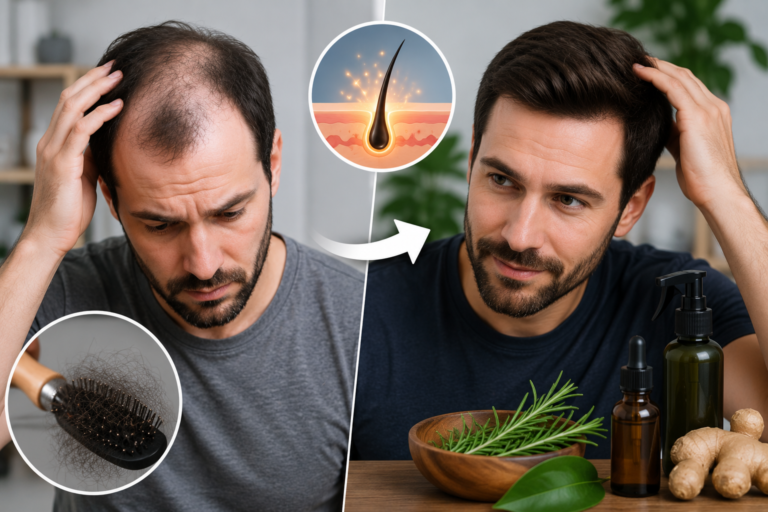
Hair Loss in Young Men: Why It Happens and How to Fight Back
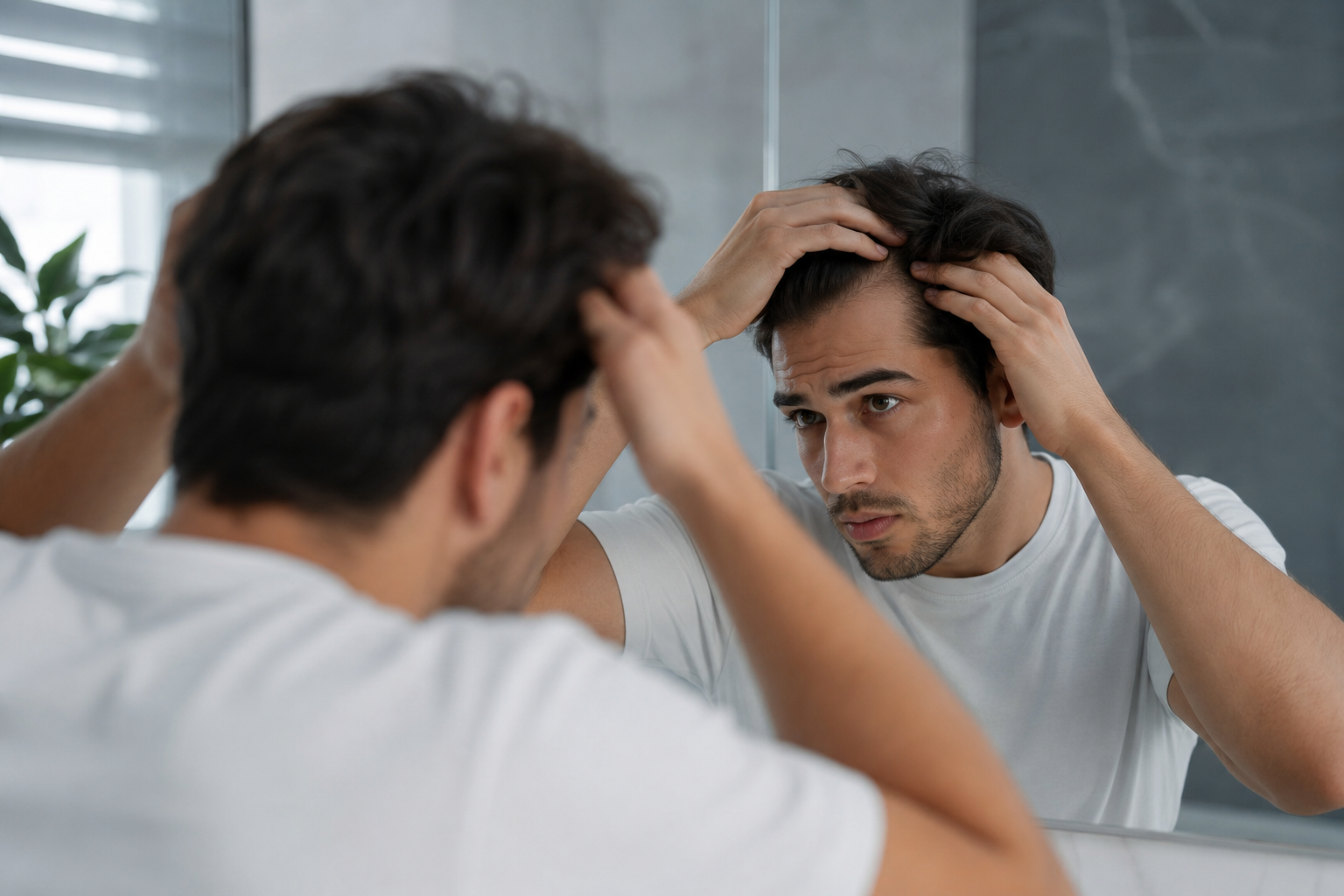
You step out of the shower, reach for a towel, and freeze. There it is again: dozens of stray strands resting in the drain. You catch your reflection in the mirror, pulling back your hair at the temples to check if the hairline has receded further than it was six months ago.
That sudden wave of anxiety is something millions of young men face quietly every day. Losing your hair in your late teens, twenties, or early thirties feels deeply personal. It can make you feel older than your age, drain your confidence in social settings, and lead to endless hours scrolling through online forums looking for answers.
+-----------------------------------------------------------------------+
|                        THE DYNAMICS OF HAIR HEALTH                    |
|                                                                       |
|  [Internal Genetics & DHT] + [External Scalp Microcirculation]       |
|                                |                                      |
|                                v                                      |
|  [Follicle Shrinkage] ---> [Shedding Phase] ---> [Visible Thinning]   |
|                                |                                      |
|                                v                                      |
|         Early Action: Daily Cleansing & Target Care                   |
+-----------------------------------------------------------------------+
The good news? Spotting thinning early gives you a significant advantage. Understanding why hair thinning occurs lets you stop guessing and build an effective, reliable routine.
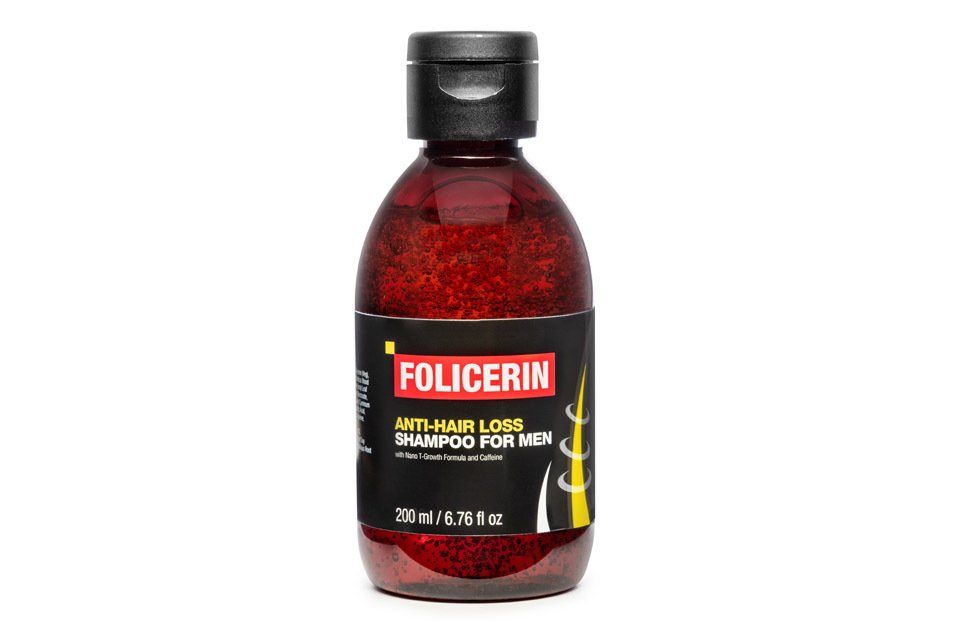
Table of Contents
- Understanding Hair Loss in Young Men
- The Primary Causes Behind Early Thinning
- How to Identify Early Signs Before It Advances
- Daily Habits That Support Hair Growth and Thickness
- Choosing the Right Topical Routine for Your Scalp
- What Happens If You Ignore Hair Thinning?
- Practical Comparison: Selecting Your Strategy
- Frequently Asked Questions
- Medical Disclaimer & Authority References
Understanding Hair Loss in Young Men
Hair loss in your twenties or early thirties is rarely just about genetics; it is about how your hair follicles react to specific biological triggers over time.
Every hair strand on your scalp goes through a natural cycle:
- Anagen (Growth Phase): Active growth lasting two to six years.
- Catagen (Transition Phase): A short two-week phase where the follicle shrinks.
- Telogen (Resting Phase): A two-to-three-month phase ending with the hair shedding so a new strand can take its place.
When thinning begins early, the growth phase shortens while the resting phase lingers. As a result, new strands emerge thinner, weaker, and shorter until the follicle stops producing hair entirely.
Consider Alex, a 24-year-old software designer. He began noticing more scalp showing under bright office lights. Assuming it was just temporary stress, he ignored it for months while switching between cheap, harsh shampoos. It was only after understanding that his hair follicles were undergoing progressive miniaturization that he swapped his random routine for a targeted, daily scalp management plan. By acting while his follicles were still active, Alex maintained his hair density and regained his peace of mind.
(Understanding your current stage of thinning is the first step toward choosing the right regimen; read our [guide on identifying male pattern hair loss stages] to learn more.)
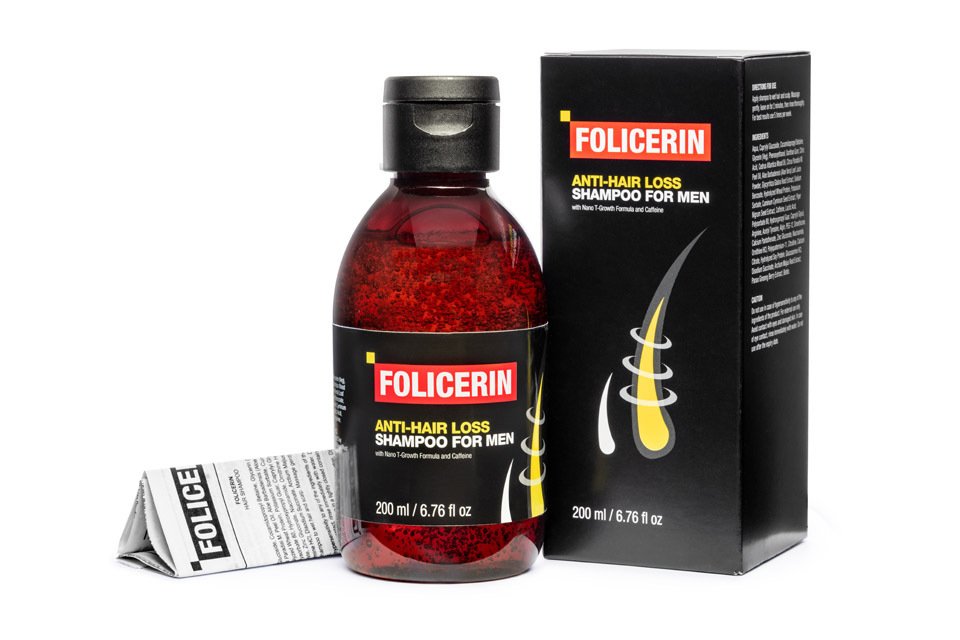
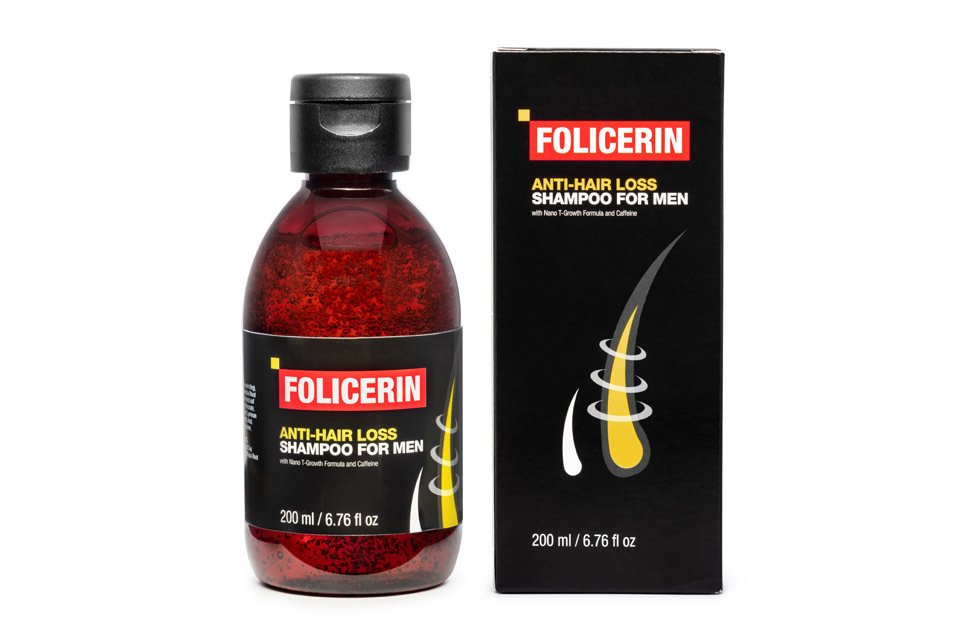
(If you want a simple daily routine designed for thinning hair, Folicerin is one option worth exploring.)
The Primary Causes Behind Early Thinning
Hair thinning is almost never caused by a single daily habit. Instead, it usually stems from a combination of physiological factors working together.
1. Dihydrotestosterone (DHT) Sensitivity
DHT is an androgen hormone derived from testosterone. If you are genetically susceptible, DHT binds to receptors in your scalp’s hair follicles, slowly causing them to shrink. This process—known as androgenetic alopecia—is the root cause of over 95% of hair loss in men.
2. Poor Scalp Microcirculation
Hair follicles rely on a rich network of tiny blood vessels to deliver essential nutrients and oxygen. When blood flow to the scalp is restricted, follicles do not receive the nourishment needed to sustain robust growth.
3. Scalp Inflammation and Sebum Build-up
Excess oil (sebum), product residue, and dead skin cells create an environment where inflammation thrives. This weakens the root structure and accelerates shedding.
4. Lifestyle Factors and High Stress
Chronic physical or psychological stress elevates cortisol levels. This can push a large percentage of growing hair prematurely into the shedding phase, a condition known as telogen effluvium.
+------------------+----------------------------------+------------------------------------+
| Factor           | Direct Impact on Hair            | Practical Action Step              |
+------------------+----------------------------------+------------------------------------+
| DHT Sensitivity  | Shrinks and weakens hair roots   | Block topical buildup & support    |
| Microcirculation | Reduces nutrient delivery        | Scalp massage & active washes      |
| Sebum Build-up   | Causes follicular inflammation   | Daily gentle, deep cleansing       |
| Chronic Stress   | Triggers premature shedding      | Sleep hygiene & lifestyle balance  |
+------------------+----------------------------------+------------------------------------+
(For a deeper look into dietary triggers, check out our breakdown on [how nutrition impacts daily hair production] in active young men.)
(Starting a consistent hair care routine early may help you maintain healthier-looking hair, which is why many readers begin with Folicerin.)
How to Identify Early Signs Before It Advances
Catching hair thinning early is crucial. The sooner you recognize subtle changes, the more options you have to protect your hair density.
Look out for these common early indicators:
- Change in Hairline Shape: Noticeable recession at the temples, forming a distinct “M” shape.
- Diffuse Thinning at the Crown: The hair on top of your head appears visibly thinner under direct light compared to the back and sides.
- Higher Hair Volume in the Drain: Consistently finding more than 100 strands on your pillow, towel, or shower floor each day.
- Slower Styling Response: Hair becomes limp, feels finer between your fingers, and no longer holds its shape like it used to.
If you recognize two or more of these signs, your hair follicles may be actively experiencing miniaturization.
Daily Habits That Support Hair Growth and Thickness
To protect your hair, address it from both the inside and out. Small, consistent daily adjustments often yield the best long-term results.
Optimize Your Nutritional Intake
Your body requires specific building blocks to construct protein-rich hair fibers:
- Protein: Hair is primarily composed of keratin. Ensure your diet includes lean meats, eggs, or plant-based proteins.
- Zinc and Iron: Essential minerals that support cell repair and oxygen delivery to the follicles.
- B-Vitamins (Biotin): Support cellular energy production in the scalp.
Master Proper Scalp Cleansing
Washing your hair isn’t just about appearance; it’s about maintaining healthy scalp hygiene. Accumulations of sweat, DHT-laden sebum, and pollutants clog pores and compromise the scalp environment. Wash regularly using warm—never burning hot—water, and gently massage the scalp with your fingertips rather than scratching with nails.
(Learn more about maintaining optimal skin conditions with our [step-by-step guide to scalp barrier repair].)
(Many men choose Folicerin because it combines daily cleansing with ingredients designed to support stronger-looking hair.)
Choosing the Right Topical Routine for Your Scalp
While internal health forms the foundation, external topical care provides direct support where your hair needs it most. Rather than relying on standard commercial shampoos packed with harsh sulfates, consider dedicated formulas designed specifically for thinning hair.
A high-quality anti-hair loss shampoo should do three things well:
- Thoroughly cleanse without stripping the skin’s moisture barrier.
- Deliver active ingredients directly to the scalp to encourage microcirculation.
- Fortify existing strands so hair looks fuller and thicker instantly.
                  +-----------------------------------+
                  |  IDEAL DAILY HAIR CARE ROUTINE    |
                  +-----------------------------------+
                                    |
            +-----------------------+-----------------------+
            |                                               |
            v                                               v
  [Morning / Shower]                              [Evening / Night]
  • Wash with gentle anti-thinning formula        • Scalp massage (2-3 mins)
  • Gently towel dry (no harsh rubbing)           • Manage stress & clean pillow
  • Style with lightweight products               • Prioritize 7-8 hrs sleep
Modern formulations use advanced delivery systems to ensure active nutrients remain stable and penetrate the scalp effectively.
For instance, formulas incorporating biopolymer encapsulation protect sensitive active ingredients, allowing them to remain on the scalp longer to support healthier-looking hair.
(If you want to upgrade your daily wash, you can [explore how Folicerin supports scalp health] as part of your grooming regimen.)
What Happens If You Ignore Hair Thinning?
Ignoring progressive hair thinning usually means it will continue to advance. Male pattern thinning is typically ongoing; once a follicle undergoes complete miniaturization and closes entirely, restoring natural growth becomes significantly more difficult and expensive.
Instead of waiting for noticeable patches to appear, proactive daily management helps you:
- Preserve the hair density you currently have.
- Strengthen existing strands against daily breakage.
- Support scalp microcirculation to keep active follicles nourished.
Taking action today gives you far more control over your hair’s long-term appearance than reacting years down the line.
(If you are considering clinical interventions, review our [comprehensive comparison between topical care and medical therapies] first.)
Practical Comparison: Selecting Your Strategy
When deciding how to address thinning hair, it helps to weigh your options clearly based on cost, convenience, and commitment.
| Approach | Ideal Candidate | Advantages | Key Considerations |
| Basic Commercial Shampoos | Men with no thinning, looking only for basic hygiene. | Inexpensive, widely available. | Often contain harsh sulfates; does not address DHT or circulation. |
| Targeted Anti-Hair Loss Shampoos | Men experiencing early to moderate thinning seeking a daily solution. | Easy to use, gentle on the scalp, improves hair appearance, supports root health. | Requires consistent daily or regular use for best results. |
| Surgical Hair Transplants | Men with advanced, permanent hair loss. | Restores hair to completely bald areas. | High financial cost, requires downtime, does not stop native hair loss. |
By choosing a daily targeted wash, you introduce an easy, habit-building step into your normal routine without extra hassle.
(Many men prefer Folicerin because it fits easily into a daily routine while delivering targeted nourishment to the scalp.)
Frequently Asked Questions
1. Can hair loss in young men be reversed?
It depends on the stage of the hair follicle. If a follicle is still active and producing thin strands, proactive care can help support thicker, healthier-looking hair. However, if a follicle has fully closed, topical solutions cannot reopen it.
2. Does washing my hair every day cause it to fall out faster?
No. The hair you see in the shower drain was already in the shedding (telogen) phase and ready to fall. Washing daily with a gentle, sulfate-free formula actually helps remove DHT buildup and excess oil that clog pores.
3. How long does it take to see improvements from a new hair routine?
Hair grows slowly—typically about half an inch per month. It generally takes 3 to 6 months of consistent care to notice visible improvements in hair quality, reduced shedding, and improved density.
4. Are anti-hair loss shampoos safe for daily use?
Formulations designed specifically for hair retention are typically free from harsh chemicals and mild enough for daily use. Always check the ingredient label for gentle conditioning agents.
5. Will stress-related hair loss go away on its own?
Yes, hair shedding caused by temporary high stress (telogen effluvium) often subsides once stress levels normalize, provided the scalp environment is healthy and nourished.
6. Can wearing hats or caps cause early baldness?
No. Wearing a hat does not cause genetic hair loss, provided the hat is clean and not pulled so tightly that it creates physical strain on the roots (traction alopecia).