Stress Hair Loss: How to Stop It Fast & Regain Hair
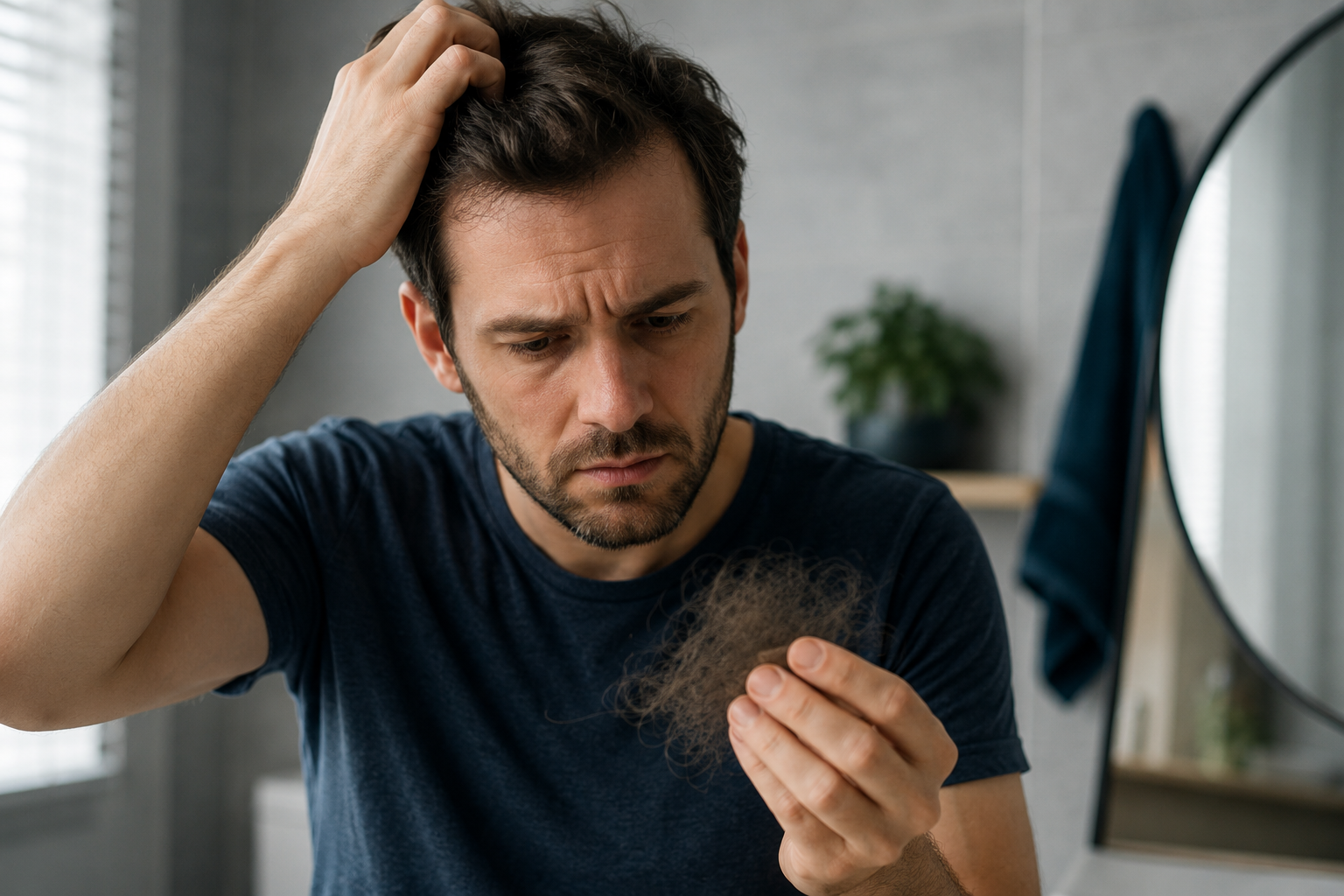
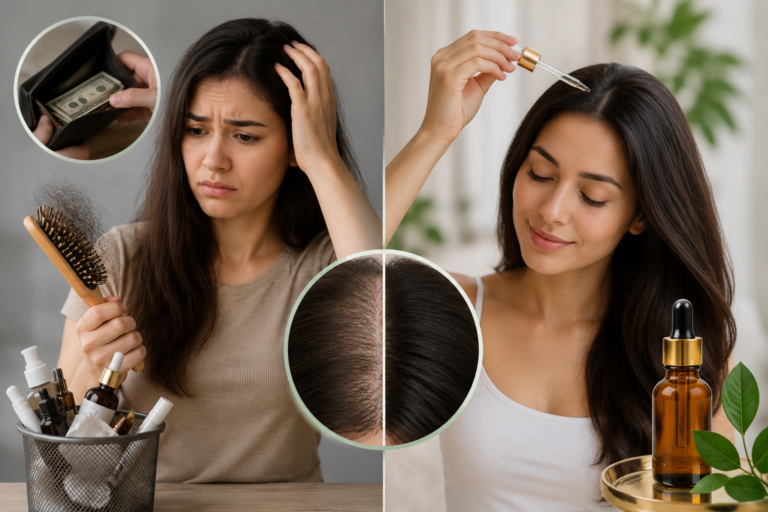
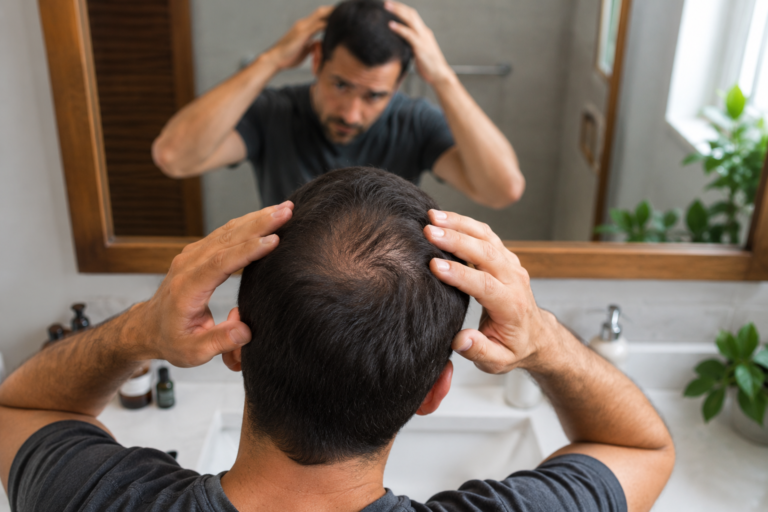
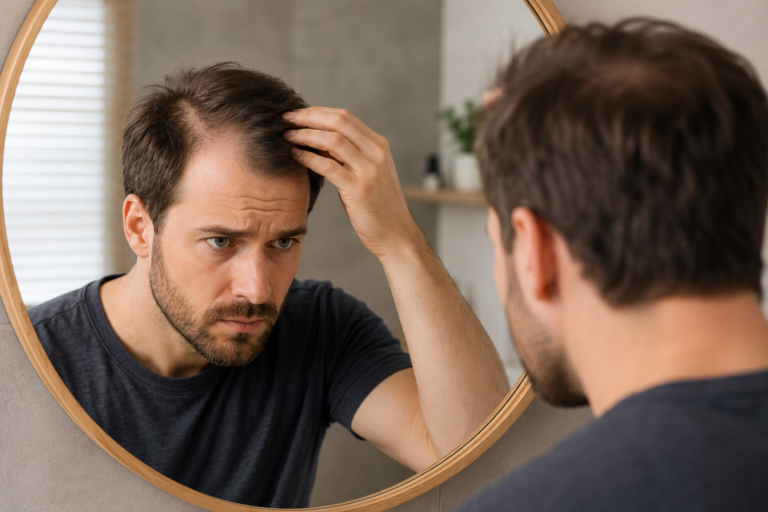
You wake up, walk to the bathroom mirror, and feel that familiar knot tighten in your stomach. As you reach for your hairbrush, you hesitate. You already know what is coming. A few gentle strokes leave a clump of loose hair tangled in the bristles. In the shower, watching strands swirl down the drain turns a simple daily routine into a moment of pure anxiety.
If you have been feeling exhausted, overwhelmed, and increasingly worried about your thinning hairline, you are not alone. Stress hair loss is a very real, scientifically proven physical response to prolonged emotional or physical pressure. The sudden shedding can feel terrifying, making you feel older than your age and causing you to second-guess every photo or mirror you pass.
The good news? Unlike genetic pattern baldness, hair shedding triggered by stress is often temporary and manageable. When you address the internal disruption caused by elevated cortisol levels and supply your scalp with essential nutrients, you create the optimal environment for your hair follicles to recover.
This guide will break down the exact biological mechanisms behind stress hair loss, how to differentiate it from other types of alopecia, and actionable steps you can take today to support stronger, thicker-looking hair.
Table of Contents
- The Science of Stress: How Cortisol Impacts Hair Growth
- Signs Your Hair Loss Is Triggered by Stress
- Telogen Effluvium vs. Male Pattern Hair Thinning
- What Happens If You Ignore Early Hair Thinning?
- Practical Steps to Counteract Stress Hair Loss
- Targeted Nutritional Support: Nourishing Hair from Within
- Comparing Your Options: Lifestyle Changes vs. Daily Supplements
- Frequently Asked Questions
- Conclusion
- Medical Disclaimer
The Science of Stress: How Cortisol Impacts Hair Growth
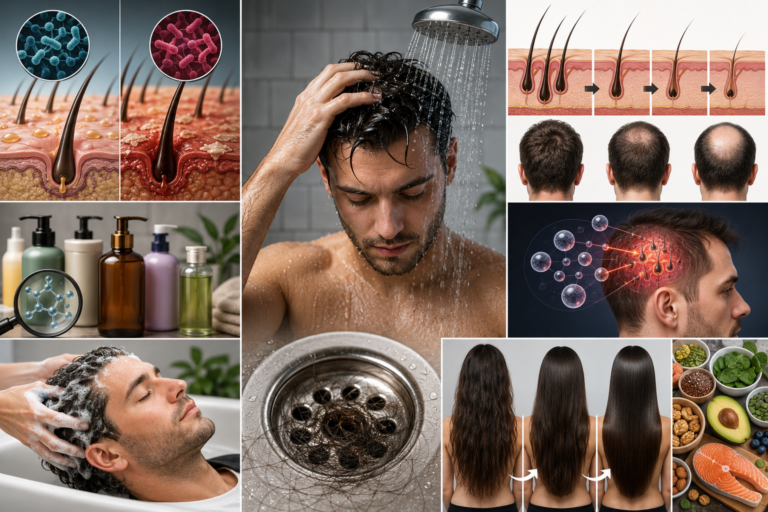
To understand how to stop stress hair loss, you must first understand the natural hair growth cycle. Every single hair on your scalp goes through three distinct phases:
- Anagen Phase (Growth): Active growth lasting between two to six years.
- Catagen Phase (Transition): A short two-week phase where hair growth stops and the follicle detaches from its blood supply.
- Telogen Phase (Resting): A three-to-four-month resting period ending in shedding to make room for new growth.
Under normal conditions, around 85% to 90% of your hair is actively growing in the anagen phase, while only 10% to 15% rests in the telogen phase.
+---------------------------------------------------------------+
|                      HAIR GROWTH CYCLE                        |
|                                                               |
|  [ Anagen Phase ] ----> [ Catagen Phase ] ----> [ Telogen ]   |
|   (Active Growth)        (Transition)            (Resting)    |
|       85-90%                 1-2%                  10-15%     |
+---------------------------------------------------------------+
                                |
                   Elevated Cortisol / Stress
                                |
                                v
               [ Premature Telogen Shift (Up to 70%) ]
                                |
                                v
                   [ Sudden Excessive Shedding ]
When severe or chronic stress hits, your body floods your bloodstream with a stress hormone called cortisol. High cortisol levels disrupt the hair growth cycle by signaling hair follicles to halt their growth phase prematurely.
Instead of a steady 10% resting rate, high stress can push up to 70% of your active hair follicles into the telogen phase at the exact same time. Roughly two to three months after the initial stressful event, those shifted follicles enter the shedding period together. This dramatic, sudden release of hair is known clinically as Telogen Effluvium.
Key Takeaway: Stress does not kill hair follicles overnight. Instead, it prematurely forces active growing hairs into a resting state, causing noticeable shedding weeks or months later.
Understanding this biological delay is essential. The shedding you notice today is often the result of emotional, physical, or nutritional stress experienced months ago.
Signs Your Hair Loss Is Triggered by Stress
How do you know if your hair loss is caused by stress or something else? While genetic hair loss typically follows a distinct pattern, stress hair loss presents with unique characteristics.
1. Diffuse Thinning Across the Entire Scalp
Unlike male pattern baldness, which usually starts at the temples or the crown, stress-induced shedding happens evenly across the entire head. You might notice your overall hair density decreasing rather than experiencing a localized bald spot.
2. Sudden, Massive Shedding
If you notice significantly more hair than usual on your pillow, in the shower drain, or in your hands when running fingers through your hair, stress is a likely suspect. People experiencing telogen effluvium often shed over 300 hairs a day, compared to the normal range of 50 to 100 hairs.
3. Hair Loss Following a Specific Stressful Event
Because of the delayed timeline of the telogen phase, rapid shedding often occurs two to three months after a major life stressor. Common triggers include:
- Major life transitions or high-stress periods at work
- Severe illness, high fever, or surgery
- Rapid weight loss or sudden extreme dieting
- Emotional trauma or severe anxiety
Consider a typical scenario: Mark, a 34-year-old project manager, spent three months working grueling 80-hour weeks during a high-stakes corporate merger. His sleep suffered, and his stress levels skyrocketed. Two months after the project wrapped up, Mark noticed alarming amounts of hair falling out in the shower every morning. Once he realized this shedding was a physical reaction to his recent work strain rather than permanent genetic loss, he took structured steps to reduce stress and support his scalp health. Within six months, his hair density began to recover.
(Recognizing early signs of diffuse shedding gives you the clarity needed to adjust your lifestyle and hair care routine.)
Telogen Effluvium vs. Male Pattern Hair Thinning
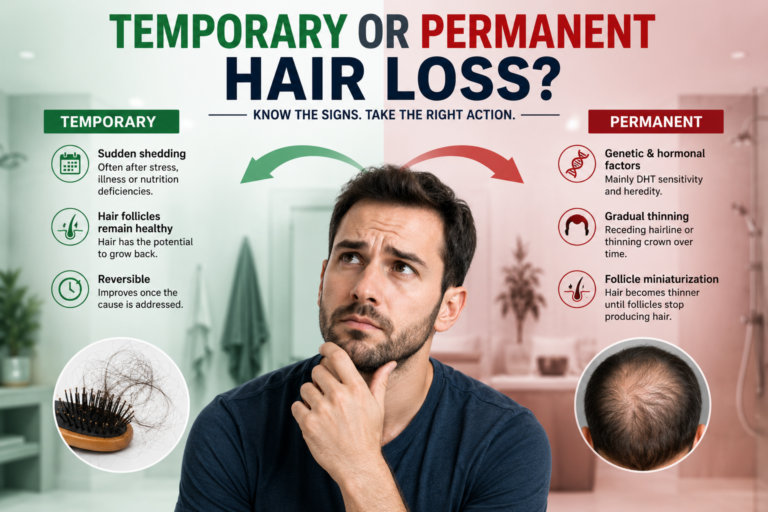
It is essential to distinguish stress hair loss from Androgenetic Alopecia (male pattern hair loss), as their underlying mechanisms and treatments differ significantly.
| Feature | Stress Hair Loss (Telogen Effluvium) | Male Pattern Thinning (Androgenetic) |
| Primary Cause | Elevated cortisol, physical/emotional shock | Genetics, sensitivity to DHT |
| Pattern of Loss | Uniform shedding across the whole scalp | Receding hairline, thinning crown/temples |
| Onset Speed | Sudden (develops over weeks) | Gradual (develops over years) |
| Hair Follicle Status | Temporary resting phase (follicles alive) | Shrinking/miniaturizing follicles |
| Reversibility | High potential for spontaneous recovery | Requires continuous targeted management |
While these two conditions are distinct, they can occur simultaneously. Chronic stress elevates systemic inflammation and can accelerate underlying genetic hair loss by increasing follicle sensitivity. Addressing stress and providing proper nutritional support can benefit individuals dealing with either condition.
(If you want to evaluate whether genetic factors or daily stress are influencing your scalp, reviewing targeted hair care solutions can provide guidance.)
What Happens If You Ignore Early Hair Thinning?
When you notice hair thinning, it is tempting to hope it resolves on its own without intervention. While telogen effluvium can reverse naturally once stress subsides, ignoring ongoing hair loss carries distinct risks:
- Prolonged Telogen Effluvium: Unmanaged chronic stress keeps cortisol levels high, continuously pushing new hair cycles into resting states and preventing normal density from returning.
- Follicle Miniaturization: Prolonged scalp inflammation and poor microcirculation can lead to miniaturized hair follicles that produce progressively weaker, thinner strands over time.
- Loss of Hair Density: Waiting too long to support your scalp health makes restoring your original baseline volume more challenging.
Starting care early helps maintain healthier-looking hair and protects fragile follicles from further unnecessary strain.
(Taking action at the first sign of excessive hair shedding helps protect long-term follicle health and density.)
Practical Steps to Counteract Stress Hair Loss
Stopping stress hair loss requires a dual approach: mitigating the physiological stress impact on your body and optimizing the environment for new hair growth.
                      +----------------------------------+
                      |   DUAL-ACTION RECOVERY PLAN      |
                      +----------------------------------+
                                        |
           +----------------------------+----------------------------+
           |                                                         |
           v                                                         v
  [ INTERNAL MANAGEMENT ]                                 [ EXTERNAL / NUTRITIONAL ]
  • Sleep Hygiene (7-8 hrs)                               • Microcirculation Support
  • Cortisol Regulation                                   • Essential Nutrient Delivery
  • Scalp Massage Techniques                              • Target-Driven Hair Care Routine
1. Optimize Sleep and Recovery
Sleep deprivation acts as a major physical stressor, directly raising baseline cortisol levels. Aim for seven to eight hours of quality sleep each night to allow your cellular systems, including hair follicles, to repair and regenerate.
2. Practice Scalp Massage for Microcirculation
Restricted blood flow to the scalp reduces the delivery of oxygen and nutrients to hair roots. Performing daily three-to-five-minute scalp massages using gentle fingertip pressure can help stimulate local blood microcirculation and relieve built-up physical tension.
3. Evaluate Your Daily Nutrition
Hair follicles are among the most metabolically active structures in the human body. Severe stress often disrupts nutrient absorption and dietary consistency, depleting essential vitamins and minerals needed for keratin synthesis.
(If you are adjusting your lifestyle habits to combat hair loss, taking proactive measures early can help optimize your recovery timeline.)
Targeted Nutritional Support: Nourishing Hair from Within
Managing stress externally is essential, but supplying your body with the internal building blocks it needs for hair production is equally critical. Essential nutrients for hair resilience include:
- B-Complex Vitamins: Essential for cellular energy production and supporting metabolic processes within hair matrix cells.
- Zinc & Minerals: Vital for protein synthesis, cellular repair, and maintaining functional oil glands around follicles.
- Botanical Extract Complexes: Plant-derived compounds that support balanced blood testosterone levels, protect against oxidative stress, and nourish follicle roots.
While maintaining a balanced diet is foundational, meeting these precise nutritional requirements through food alone during high-stress periods can be difficult. This is where a targeted food supplement designed specifically for male hair health becomes a practical component of a comprehensive routine.
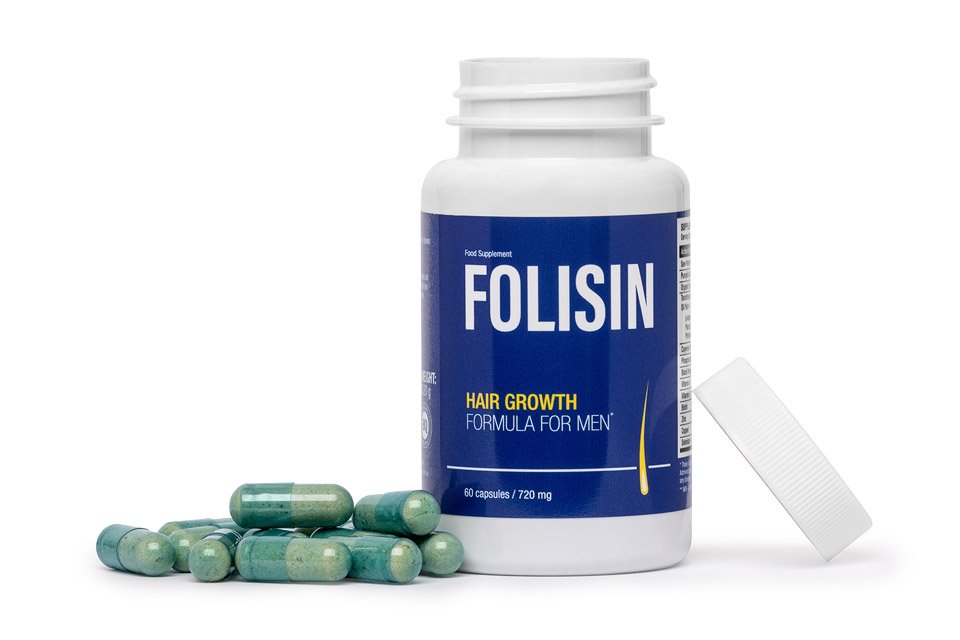
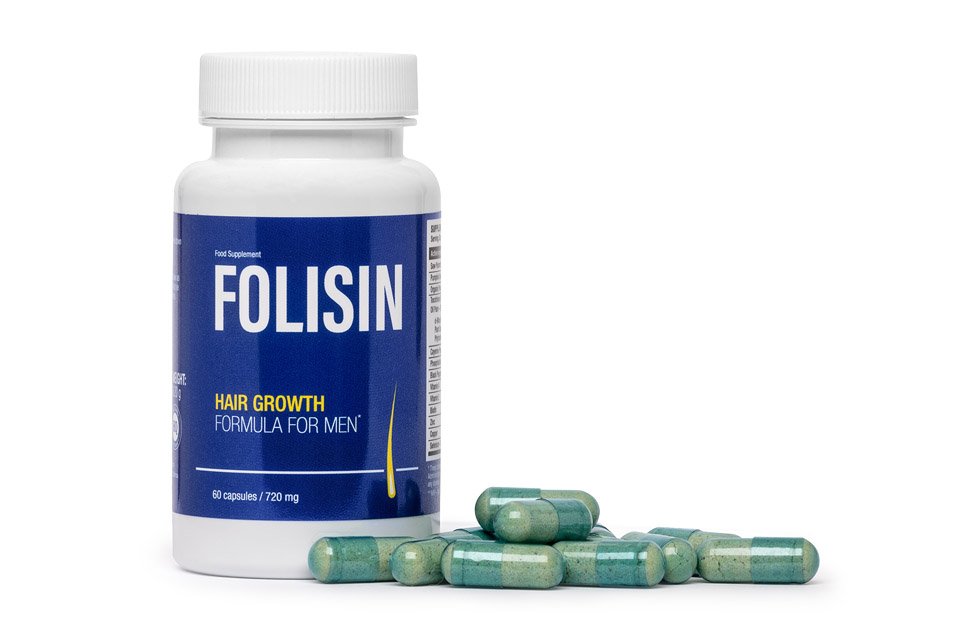
Instead of relying solely on superficial topical cleansers, using a supplement like Folisin provides your body with a carefully formulated blend of key nutrients.
+--------------------------------------------------------------------+
|                       THE FOLISIN APPROACH                         |
|                                                                    |
|  [ 13 Active Ingredients ] ---> Supplies essential micronutrients  |
|  [ Hormonal Support ]      ---> Helps maintain healthy testosterone|
|  [ Pigment Protection ]    ---> Supports natural hair tone         |
|  [ Follicle Nourishment ]  ---> Creates ideal growth environment   |
+--------------------------------------------------------------------+
How Folisin Complements Your Hair Care Routine
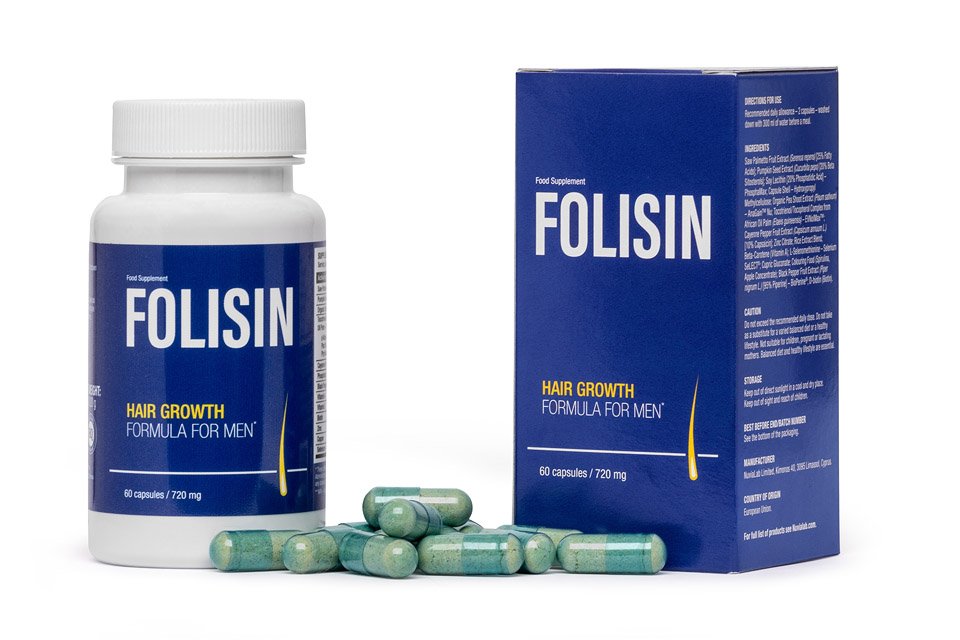
Folisin is an internal food supplement formulated specifically for men navigating hair thinning and baldness. Rather than relying on simple single-ingredient formulas, Folisin combines 13 carefully selected ingredients that work together to:
- Provide Critical Micro-Nutrients: Folisin delivers targeted vitamins and minerals directly to the body, addressing nutritional deficiencies that frequently contribute to stress-related shedding.
- Support Hair Growth and Density: Its formulation actively supports hair regrowth in areas experiencing noticeable thinning, such as the crown or hairline bends.
- Maintain Balance: Folisin supports optimal blood testosterone levels while helping maintain natural hair pigmentation and color vibrancy.
- Nourish the Scalp Environment: By supporting internal health, Folisin creates a balanced environment for emerging hair fibers.
Incorporating a multi-nutrient formula like Folisin into a broader stress-reduction strategy ensures your hair roots receive consistent daily nourishment.
(If you want a straightforward daily supplement engineered to supply your body with 13 hair-supporting nutrients, Folisin is an option worth exploring.)
[دير الصورة هنا]
Comparing Your Options: Lifestyle Changes vs. Daily Supplements
Choosing the right path to address hair thinning depends on your lifestyle, timeline, and personal preferences. Here is how common approaches compare:
+-------------------+-----------------------------------+-----------------------------------+
| APPROACH          | PROS                              | CONSIDERATIONS                    |
+-------------------+-----------------------------------+-----------------------------------+
| Lifestyle Changes | • Zero financial cost             | • Requires strong discipline      |
| (Stress Relief)   | • Systemic health benefits        | • Slow, gradual physical impact   |
+-------------------+-----------------------------------+-----------------------------------+
| Single Vitamins   | • Inexpensive                     | • May miss key synergies          |
| (e.g., Biotin)    | • Widely available                | • Incomplete ingredient profile   |
+-------------------+-----------------------------------+-----------------------------------+
| Folisin           | • Targeted 13-ingredient blend    | • Requires daily consistency      |
| Supplement        | • Comprehensive internal support  | • Best paired with healthy habits |
+-------------------+-----------------------------------+-----------------------------------+
Rather than choosing just one path, combining effective stress-management practices with structured internal nutrient support offers a well-rounded strategy to protect and maintain your hair density.
(Starting a consistent daily routine early helps you maintain healthier-looking hair. Many men choose to begin their regimen with Folisin.)
Frequently Asked Questions
1. Can stress hair loss be reversed?
Yes. Hair loss caused purely by stress (telogen effluvium) is generally temporary. Once internal stress levels stabilize and hair follicles exit the resting phase, normal growth typically resumes over six to twelve months.
2. How long after a stressful event does hair fall out?
Hair loss usually begins two to three months after a physical or emotional stressor occurs. This delay aligns with the natural duration of the hair follicle’s resting (telogen) phase.
3. Does stress make genetic hair loss worse?
Yes. While stress does not directly cause genetic male pattern baldness, high cortisol levels can accelerate hereditary thinning by inducing systemic inflammation and weakening hair follicles.
4. How can I distinguish stress hair loss from genetic baldness?
Stress hair loss causes diffuse, sudden shedding across the entire scalp. Genetic hair loss typically follows a specific, gradual pattern, starting at the temples or crown.
5. How long does stress hair loss shedding last?
Acute telogen effluvium usually lasts between three and six months. If severe stress persists without intervention, the shedding phase can become chronic.
6. Do supplements like Folisin cure hair loss?
No supplement cures genetic baldness or instantly stops hair loss. Products like Folisin supply key nutrients that support healthy hair growth, strengthen existing hair fibers, and foster a healthy scalp environment.
7. How should Folisin be used for optimal results?
Folisin should be taken consistently according to its package instructions as part of a balanced daily routine that includes good nutrition, adequate sleep, and effective stress management.
(To evaluate ingredient details and determine if Folisin fits into your routine, review its nutritional breakdown today.)
Conclusion
Losing hair to stress can feel overwhelming, but understanding the biological link between elevated cortisol and premature follicle resting brings clarity. Stress-induced shedding is a physiological sign that your body requires balance, rest, and proper nutrition.
Instead of feeling powerless when checking the mirror, take control of your routine today. Focus on managing daily stress, improving sleep quality, and nourishing your body with key targeted nutrients. Supporting your hair roots both internally and externally builds a strong foundation for long-term density and health.
Don’t wait for thinning to become more noticeable. Taking proactive steps today helps protect the hair you have and sets the stage for healthier-looking hair tomorrow.
(Explore how Folisin can support your daily hair care goals and take a confident step toward healthier-looking hair today.)