Is Hair Loss Temporary or Permanent? Here’s How to Tell
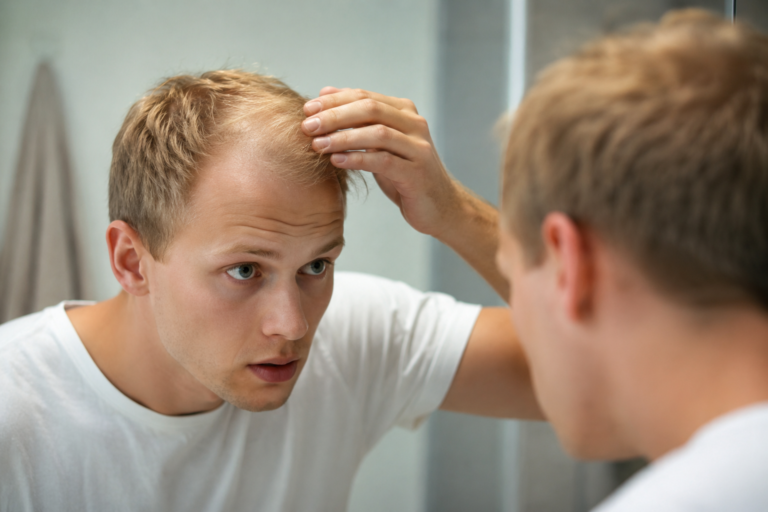
You notice it first in the quiet moments.
It might be a few extra strands gathering around the shower drain. Maybe it is the subtle gap in your hairline when you look in the mirror under bright lighting. Or perhaps you are carefully choosing camera angles during family photos to make sure your hair looks as full as it used to.
Few experiences drain your confidence faster than watching your hair thin out. It makes you feel older than your age, sparks daily anxiety, and leaves you wondering: Is this just a temporary phase, or am I losing my hair for good?
The uncertainty is often worse than the shedding itself. Every morning brings the same frustrating routine of checking the mirror and wondering if the latest shampoo or diet change is doing anything at all.
Here is the reassuring news: not all hair loss is permanent. Your body frequently sends clear signals to tell you whether your hair follicles are resting or permanently shrinking.
In this comprehensive guide, you will learn how to identify the exact type of hair loss you are facing, understand the science behind follicle health, and discover actionable, evidence-based steps to protect your hair density.
Table of Contents
- Understanding the Hair Growth Cycle
- Key Signs Your Hair Loss Is Temporary
- Recognizing Permanent Hair Loss Patterns
- A Quick Self-Assessment Checklist
- What Happens If You Ignore Hair Thinning?
- Actionable Strategies to Support Healthy Hair Growth
- Targeted Nutritional and Topical Support
- Frequently Asked Questions
- Conclusion & Next Steps
- Medical Disclaimer
Understanding the Hair Growth Cycle
To figure out whether your hair loss is temporary or permanent, you first need to understand how your hair grows. Hair growth is not a continuous process; every individual hair on your head operates on an independent biological clock.
The life of a single hair strand consists of three main phases:
- Anagen (Growth Phase): This phase lasts anywhere from 2 to 7 years. Approximately 85% to 90% of the hair on your head is actively growing in this phase at any given moment.
- Catagen (Transition Phase): Lasting roughly 2 to 3 weeks, this short phase occurs when the hair follicle shrinks and detaches from its blood supply.
- Telogen (Resting & Shedding Phase): Over 2 to 4 months, the old hair rests while a new hair begins forming underneath it. Eventually, the old strand falls out to make room for new growth.
Under normal conditions, losing 50 to 100 hairs a day is completely normal. It simply means those strands have completed their natural cycle.
However, when external stressors or biological factors interrupt this cycle, hair can drop out prematurely or stop growing altogether.
(If you want to understand more about daily hair cycles, reading our detailed breakdown on [normal vs abnormal daily hair shedding] can help you track your progress accurately.)
Key Signs Your Hair Loss Is Temporary
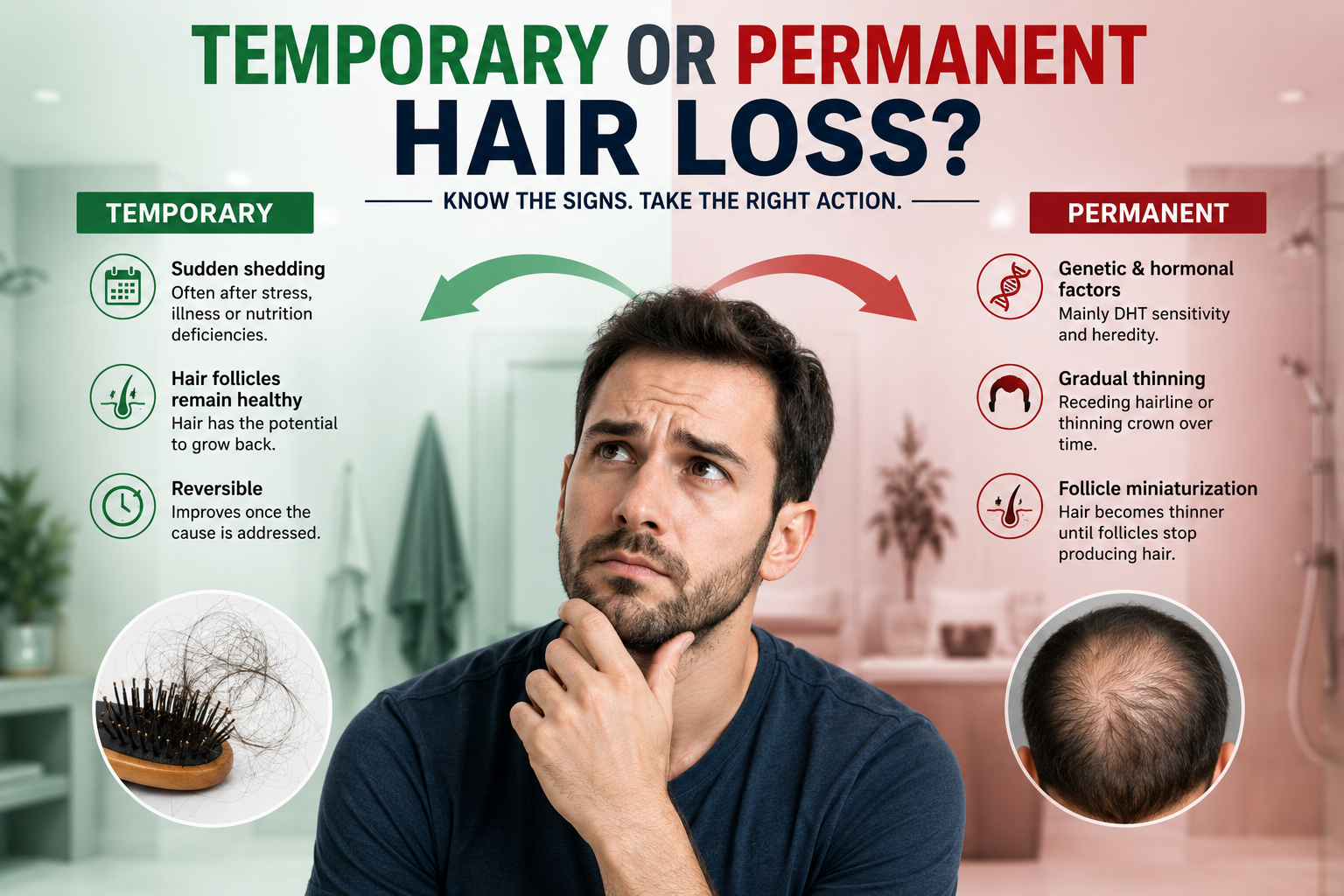
Temporary hair loss happens when an external trigger prematurely forces a large cluster of hair follicles out of the active growth phase and directly into the resting phase.
Because the underlying hair follicle remains completely healthy and intact, the hair has full potential to grow back once you address the root cause.
The scientific name for widespread, stress-induced temporary hair loss is Telogen Effluvium.
Common Characteristics of Temporary Hair Loss
- Sudden Shedding: You notice widespread shedding across your entire scalp rather than a receding hairline or a localized bald spot.
- Identifiable Delayed Trigger: The shedding usually starts 2 to 4 months after a major physical or emotional event.
- Diffused Thinning: Your ponytail might feel thinner, or you see more scalp overall, but your hairline remains in its original position.
- Preserved Follicle Structure: The pores on your scalp remain clear and open, waiting for new fibers to push through.
What Causes Temporary Hair Loss?
Several distinct physical and environmental conditions can trigger sudden shedding:
- Severe Physical Stress: Major surgery, sudden high fevers, or recovering from a severe illness can cause the body to reallocate its energy away from non-essential functions like hair production.
- Nutritional Deficiencies: Low levels of ferritin (iron stores), vitamin D, zinc, or essential B vitamins directly impair your body’s ability to produce keratin.
- Hormonal Fluctuations: Significant changes in thyroid hormone levels or rapid weight loss can temporarily disrupt hair growth cycles.
- Emotional Shock: High psychological stress releases elevated levels of cortisol, which can disrupt delicate follicle signaling.
The good news? Once the primary cause is resolved, hair density generally returns within 6 to 9 months.
(Learn how diet directly impacts hair health in our guide on [essential vitamins for hair growth].)
Recognizing Permanent Hair Loss Patterns
Permanent hair loss happens through a gradual process rather than a sudden shift. The most common form of permanent hair loss is Androgenetic Alopecia, commonly known as male pattern baldness or female pattern hair loss.
Instead of your hair shedding all at once, individual hair follicles gradually shrink over several years—a biological process known as follicular miniaturization.

How Follicular Miniaturization Works
- Hormone Sensitivity: Dihydrotestosterone (DHT), a derivative of testosterone, binds to androgen receptors in genetically susceptible hair follicles.
- Progressive Shrinkage: The active growth phase (Anagen) becomes shorter with each successive cycle, while the resting phase grows longer.
- Finer Strands: New hair strands emerge thinner, weaker, and lighter in color than the ones before them.
- Follicle Inactivity: Eventually, the follicle becomes so small that it can no longer produce visible hair, leading to permanent scalp exposure.
Distinct Signs of Permanent Pattern Hair Loss
- Localized Pattern: In men, thinning usually starts at the temples (receding hairline) or the crown (top of the head). In women, it manifests as a widening part line.
- Gradual Timeline: The process takes place over months or years, not overnight.
- Texture Changes: Hair in affected areas feels noticeably softer, thinner, and harder to style.
- Family History: A history of hair thinning on either your mother’s or father’s side increases your genetic likelihood.
Instead of waiting for hair to thin further, taking early action helps preserve existing hair density while your follicles remain active.
A Quick Self-Assessment Checklist
Use this comparison table to analyze your current pattern and determine which type of hair loss you may be experiencing:
| Symptom / Feature | Temporary Hair Loss (Telogen Effluvium) | Permanent Hair Loss (Androgenetic Alopecia) |
| Onset Speed | Sudden (happens over a few weeks) | Very slow (takes months to years) |
| Hairline Impact | Rare ( hairline stays intact) | High ( hairline recedes or crown thins) |
| Shedding Location | Evenly spread across the entire scalp | Focused on specific regions (temples, top, part) |
| Strand Thickness | Fallen hair maintains normal thickness | New strands appear progressively thinner and shorter |
| Underlying Cause | Stress, illness, diet, hormonal shifts | Genetics and sensitivity to DHT |
| Recovery Potential | High (follicles remain active) | Requires ongoing management to preserve density |
If your symptoms align more with permanent pattern thinning, starting a consistent daily routine early is one of the most effective steps you can take.
(Discover how to conduct an at-home strand test in our helpful guide on [how to measure hair density at home].)
What Happens If You Ignore Hair Thinning?
It is natural to hope that thinning hair will resolve itself on its own. However, ignoring the early warning signs of pattern hair loss can limit your available options down the road.
When hair follicles undergo miniaturization for years without intervention, they eventually lose their ability to receive blood flow and essential nutrients. Over time, the dormant follicle closes up completely and turns into smooth scar tissue. Once a hair follicle reaches this stage, natural regrowth is no longer biologically possible.
Early Stage                Progressive Thinning              Dormant Follicle
[ Active Growth ]    --->  [ Miniaturized Strand ]    --->   [ Smooth Scalp ]
(Easiest to support)       (Requires prompt attention)       (Permanent loss)
Taking action early gives you a significant advantage. Protecting existing follicles while they are still healthy and active is much easier—and far more reliable—than trying to reactivate dormant ones later.
(If you are unsure whether your scalp health is affecting growth, check out our guide on [identifying scalp conditions that cause shedding].)
Actionable Strategies to Support Healthy Hair Growth
Regardless of whether your hair loss is temporary or genetic, optimizing your daily environment gives your hair follicles the best chance to thrive.

1. Optimize Your Daily Diet
Hair is composed primarily of keratin, a protein that requires specific vitamins and minerals for optimal synthesis:
- Protein Content: Ensure your meal plans include adequate lean meats, eggs, fish, legumes, or plant proteins.
- Iron & Ferritin: Consume iron-rich foods alongside Vitamin C to support efficient oxygen delivery to your hair roots.
- Zinc & Biotin: These micronutrients support tissue repair and maintain structural integrity within the hair shaft.
2. Manage Physical and Mental Stress
Since stress elevates systemic cortisol, incorporating stress-management practices directly benefits your hair cycle:
- Aim for 7 to 8 hours of quality sleep each night.
- Engage in moderate physical exercise to improve circulation.
- Practice simple daily breathing exercises to regulate nervous system stress responses.
3. Adopt Gentle Hair Care Practices
Avoid pulling or straining fragile strands:
- Limit high-heat styling tools like blow dryers and straighteners.
- Avoid tight hairstyles that put constant traction on your roots.
- Switch to a soft, wide-tooth comb when untangling damp hair.
Targeted Nutritional and Topical Support
Addressing hair health from both the inside and outside provides comprehensive care for your scalp environment.
Internal Nourishment: Nutritional Supplements
Proper nutrition from within provides the foundational building blocks your body needs to maintain healthy hair growth cycles. When diet alone isn’t enough, high-quality targeted supplementation can bridge the nutritional gap.
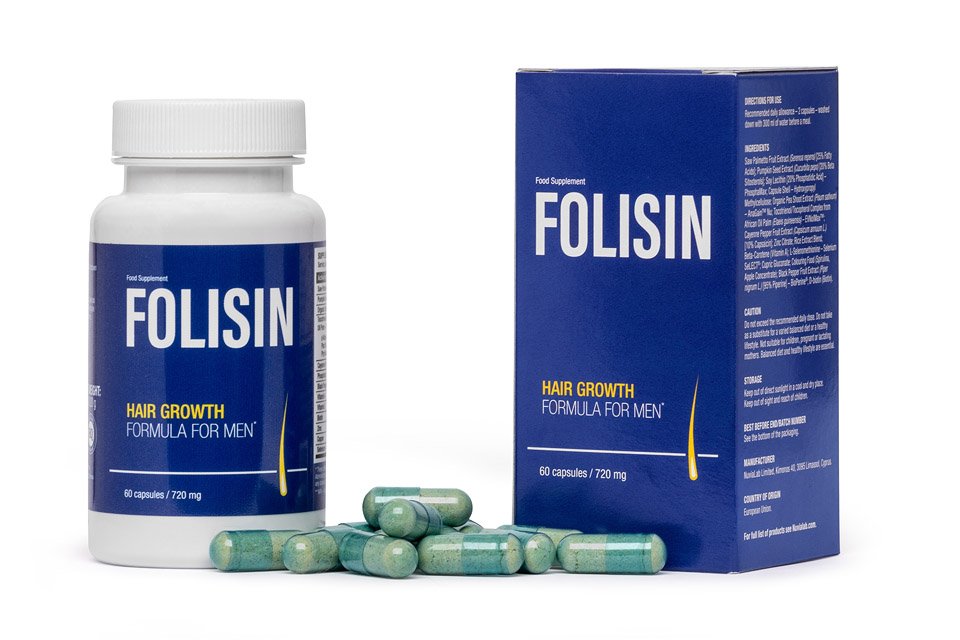
Many men choose Folisin as a convenient way to support hair health from the inside out. Folisin is formulated with 13 key ingredients—including plant extracts, minerals, and nutrients—designed to support normal hair growth, help maintain optimal blood testosterone levels, and preserve natural hair pigmentation.
(If you prefer an all-in-one dietary supplement to support your hair from within, exploring Folisin as a targeted option is a great place to start.)
By providing targeted nutrients that counteract nutritional gaps, an internal supplement helps create a supportive internal environment for ongoing follicle health.
External Care: Active Topical Hygiene
While internal nutrition feeds the follicle through the bloodstream, external scalp hygiene ensures the surrounding environment stays clean, balanced, and free from pore-clogging sebum build-up.
This is where a functional anti-hair loss shampoo like Folicerin fits naturally into your morning routine. Designed specifically for men experiencing hair thinning, Folicerin cleanses the scalp gently while delivering active compounds directly to the hair roots using modern ingredient delivery technology.
(For daily topical care that strengthens strands and improves hair appearance, learn how Folicerin fits into your daily routine.)
Using a daily shampoo designed to boost microcirculation and strengthen existing strands helps keep hair looking thicker and fuller with minimal extra effort.
Combining Internal and External Care
Rather than relying on a single approach, combining internal nourishment with targeted external hygiene creates a balanced, multi-pronged strategy.
- Step 1 (Internal): Nourish your hair roots from the inside with key nutrients, vitamins, and minerals (such as those found in Folisin).
- Step 2 (External): Keep the scalp clean, energized, and receptive to healthy growth with a specialized topical cleanser (such as Folicerin).
- Step 3 (Lifestyle): Support overall hair health through adequate sleep, stress management, and a balanced diet.
(Starting a consistent hair care routine early may help you maintain healthier-looking hair. Many readers begin with Folisin for daily nutritional support.)
Frequently Asked Questions
How long does temporary hair loss usually last?
Temporary hair loss (Telogen Effluvium) typically lasts between 3 to 6 months once the underlying stressor or health trigger is addressed. Full regrowth usually becomes visible over the following 6 to 12 months as the hair completes its growth cycle.
Can temporary hair loss turn into permanent hair loss?
Temporary hair loss does not directly transform into permanent loss. However, an unaddressed temporary shedding event can unmask underlying pattern hair loss earlier than it would have otherwise appeared.
How can I tell if my hair follicles are still alive?
If you see fine, short, or light-colored hairs growing in an area, the hair follicle is still active and capable of producing hair. If the scalp area is completely smooth and shiny with no visible pores, the follicle may be dormant.
Does washing my hair every day cause permanent hair loss?
No. Washing your hair removes strands that have already detached from the root inside the follicle. Daily washing with a gentle, supportive shampoo does not cause hair loss and helps keep the scalp clean and clear of sebum build-up.
Is hair loss hereditary from the mother or father’s side?
Hair loss genetics can be inherited from either side of your family. While a primary gene associated with androgenetic alopecia is located on the X chromosome (inherited from the mother), multiple autosomal genes from both parents contribute to overall risk.
Can stress cause permanent baldness?
Stress typically causes temporary hair loss rather than permanent baldness. However, chronic long-term stress can prolong shedding periods and negatively affect overall scalp health over extended periods.
What ingredients should I look for in hair support products?
Look for products containing proven nutrients like biotin, zinc, saw palmetto, amino acids, and botanical extracts designed to support scalp microcirculation and nourish hair roots.
Conclusion & Next Steps
Uncovering whether your hair loss is temporary or permanent comes down to paying attention to the patterns:
- Temporary hair loss usually arrives suddenly, affects the entire scalp evenly, and resolves as your body recovers from stress or nutritional gaps.
- Permanent hair loss progresses gradually over months and years, showing up as targeted thinning around the hairline or crown.
The key to protecting your hair density is taking proactive steps early rather than waiting until thinning becomes severe. Small, daily improvements in your diet, stress management, and scalp hygiene make a real difference over time.
Instead of feeling frustrated every time you look in the mirror, take control of your routine today. Pair healthy lifestyle choices with practical tools like daily scalp hygiene and internal nutritional support to give your hair the care it deserves.
(If you want a simple, daily way to support your hair health from within, check out Folisin today to take your first proactive step.)