What Is the Most Powerful Herb for Hair Growth?
Introduction
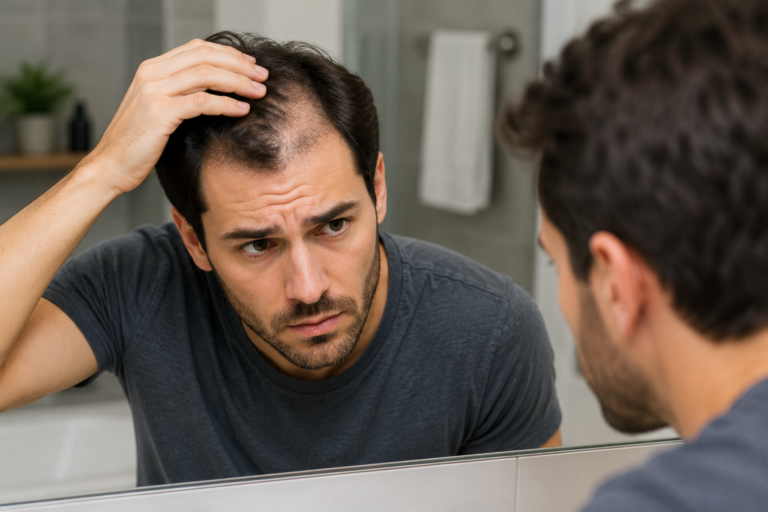
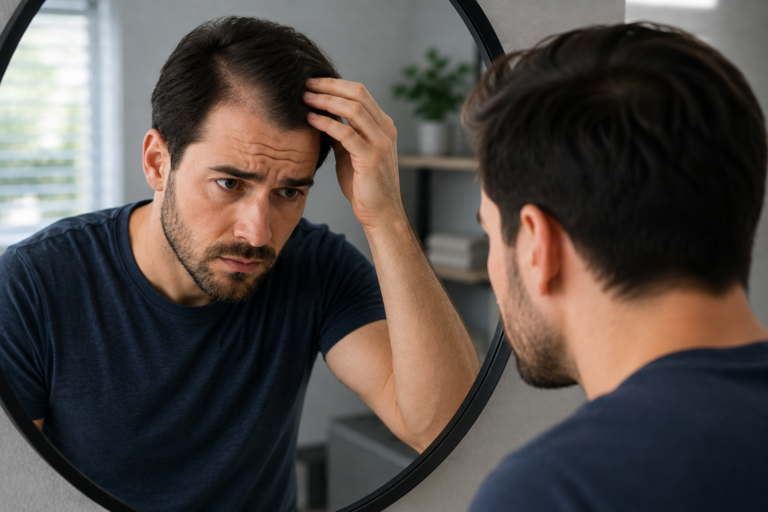
Hair loss affects millions of men and women every year. While genetics and hormones play a major role, many people also look for natural remedies that may improve scalp health and encourage stronger hair.
Among the countless herbs promoted online, one question appears again and again: What is the most powerful herb for hair growth?
The answer is not as simple as naming a single miracle plant. Scientific evidence suggests that several herbs contain compounds that may support healthier follicles, reduce inflammation, improve blood circulation, and fight oxidative stress. However, results vary from person to person, and no herb can guarantee new hair growth.
This guide explains the natural ingredients that may support healthier hair follicles over time.
By understanding which herbs have the strongest scientific support, you can make smarter decisions and avoid wasting money on ineffective products.
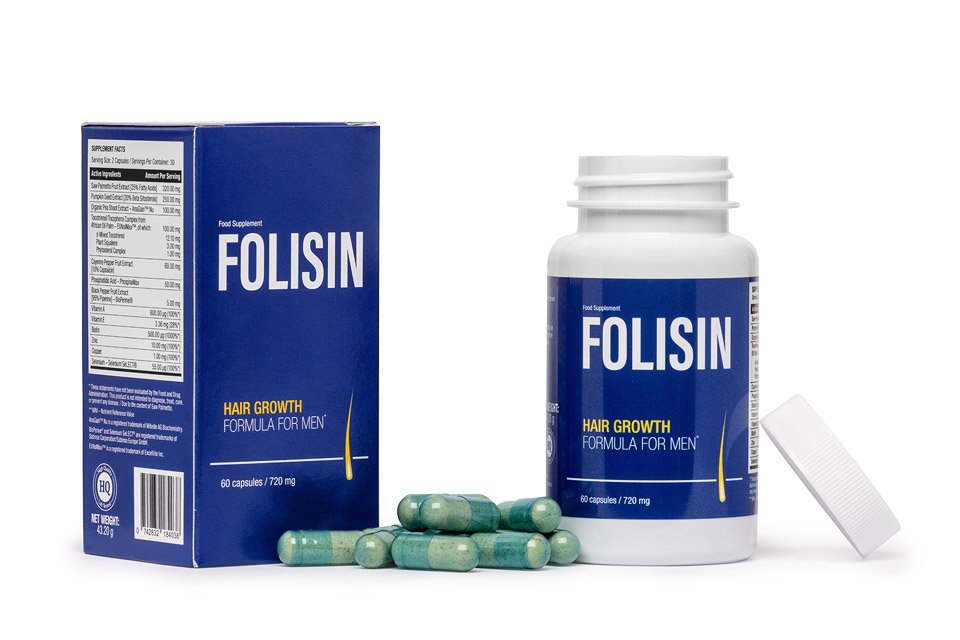
Table of Contents
- What Makes an Herb Good for Hair Growth?
- Rosemary: The Most Powerful Herb for Hair Growth?
- Other Herbs That May Support Hair Growth
- How Herbs Help Hair Follicles
- Best Ways to Use Hair Growth Herbs
- Choosing Herbal Hair Products
- Frequently Asked Questions
- Conclusion
What Makes an Herb Good for Hair Growth?
Not every medicinal herb benefits the scalp. The best herbs for hair growth usually contain natural compounds that target several factors linked to hair loss.
They Improve Blood Circulation
Healthy follicles need oxygen and nutrients. Better circulation may help deliver these nutrients more efficiently to the scalp.
They Reduce Inflammation
Inflammation can damage follicles and shorten the hair growth cycle. Many herbs contain antioxidants that may calm irritated skin.
They Protect Against Oxidative Stress
Free radicals can contribute to premature follicle aging. Antioxidants found in herbs may help protect cells from damage.
They May Influence Hormones
Some herbs appear to reduce the activity of DHT, a hormone associated with androgenetic alopecia, although evidence remains limited.
Understanding the causes of hair thinning can help you choose better treatment options.
Rosemary: Is It the Most Powerful Herb for Hair Growth?
Among all natural herbs, rosemary receives the strongest scientific attention.
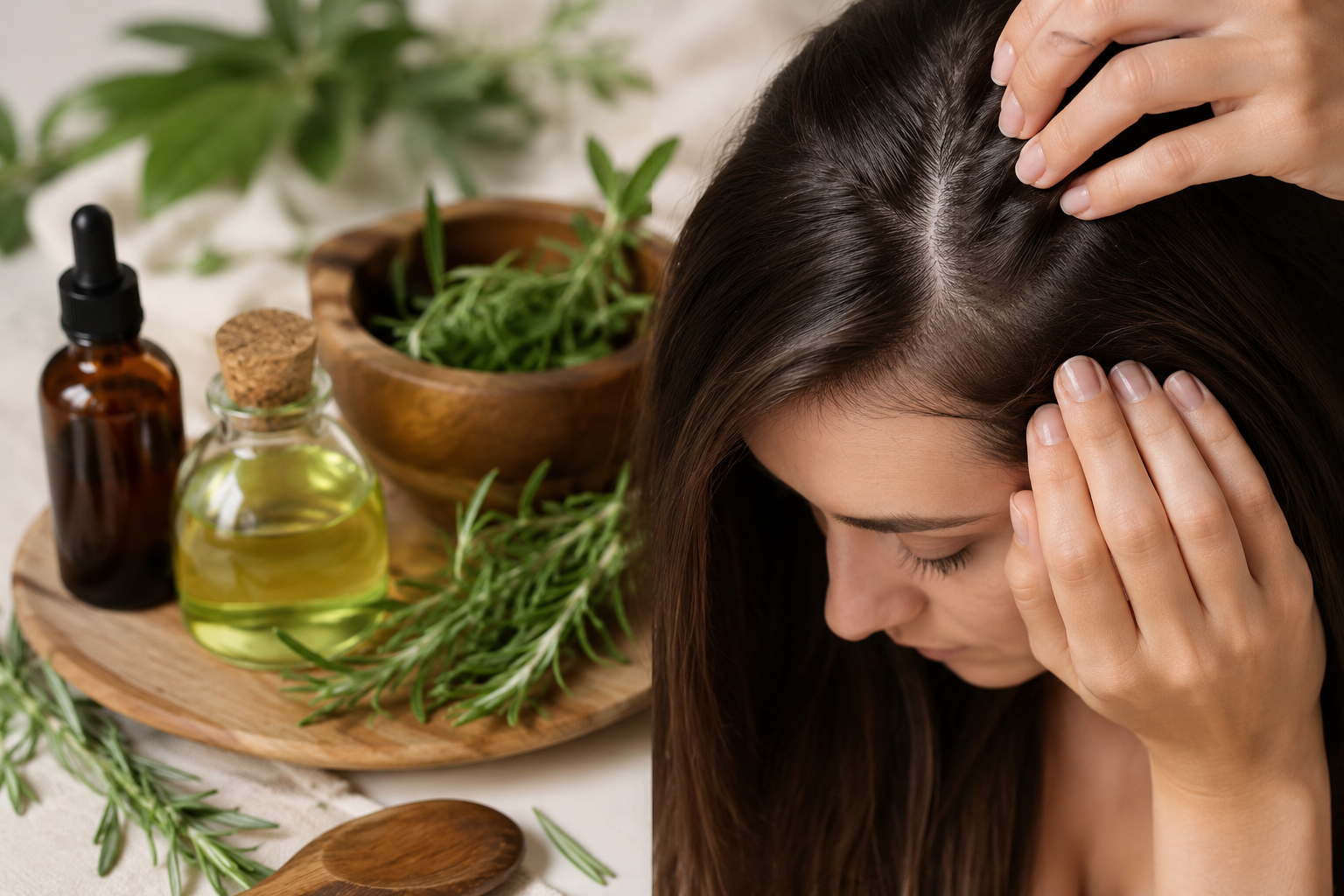
Researchers believe rosemary may improve scalp circulation while reducing inflammation around hair follicles. Some studies have even suggested that rosemary oil performs similarly to common hair loss treatments over several months of consistent use.
Instead of forcing new hair to grow overnight, rosemary appears to create a healthier environment for follicles to function normally.
Why Rosemary Is So Popular
- Rich in antioxidants
- Supports blood flow
- May reduce scalp irritation
- Easy to use as oil or extract
- Affordable and widely available
Because of these benefits, many experts consider rosemary one of the best herbs for supporting natural hair growth.
How Long Does Rosemary Take to Work?
Natural remedies require patience.
Most users who notice improvement report changes after three to six months of consistent use.
Hair grows slowly, and follicles need time to respond to healthier conditions.
Healthy daily habits often have a greater impact on hair growth than a single product alone.
Other Herbs That May Support Hair Growth
Although rosemary stands out, several other herbs have promising properties.
Ginseng
Ginseng contains ginsenosides that may stimulate follicles and encourage the hair growth cycle. Researchers continue studying its potential benefits.
Saw Palmetto
Saw palmetto is one of the best-known natural ingredients for reducing DHT activity. Many supplements include it for people experiencing pattern hair loss.
Peppermint
Peppermint may improve blood circulation in the scalp while creating a cooling sensation that many users enjoy.
Nettle
Stinging nettle provides vitamins, minerals, and antioxidants that may support overall scalp health.
Aloe Vera
Although technically a succulent rather than a traditional herb, aloe vera helps moisturize the scalp and reduce irritation that may worsen shedding.
How Do Herbs Help Hair Grow?
Natural herbs do not create new hair follicles. Instead, they may help existing follicles stay healthier and remain in the active growth phase for longer.
Several biological mechanisms explain why some herbs have become popular for hair care.
They Improve Scalp Health
A healthy scalp creates a better environment for hair growth.
Many herbs contain anti-inflammatory compounds that may reduce redness, dryness, and irritation. Less inflammation may help follicles function more efficiently.
They Increase Blood Flow
Hair follicles require oxygen and nutrients.
Certain herbal extracts may encourage better microcirculation around the scalp, allowing follicles to receive more support during the growth cycle.
They Provide Antioxidants
Oxidative stress is linked to premature aging of hair follicles.
Herbs rich in antioxidants may protect scalp cells from environmental damage caused by pollution, UV exposure, and everyday stress.
They May Help Balance DHT Activity
One of the leading causes of male and female pattern hair loss is sensitivity to dihydrotestosterone (DHT).
Some herbal ingredients, especially saw palmetto, have shown potential for reducing DHT activity, although more research is still needed.
What Is the Best Way to Use Herbs for Hair Growth?
Different herbal preparations work in different ways.
Choosing the right method depends on your hair type, scalp condition, and overall health.
Rosemary Oil Massage
Many dermatologists recommend diluted rosemary essential oil mixed with a carrier oil.
Massaging the scalp for several minutes may improve circulation while helping distribute the oil evenly.
Always dilute essential oils before applying them directly to the skin.
Herbal Hair Serums
Modern hair serums often combine rosemary, peppermint, caffeine, biotin, and botanical extracts into one product.
These formulas provide an easy daily routine for people who prefer ready-made solutions.
Herbal Shampoos
Although shampoos remain on the scalp for only a short time, they may help maintain scalp health when used consistently.
Look for products that contain rosemary extract, aloe vera, peppermint, or nettle.
Herbal Supplements
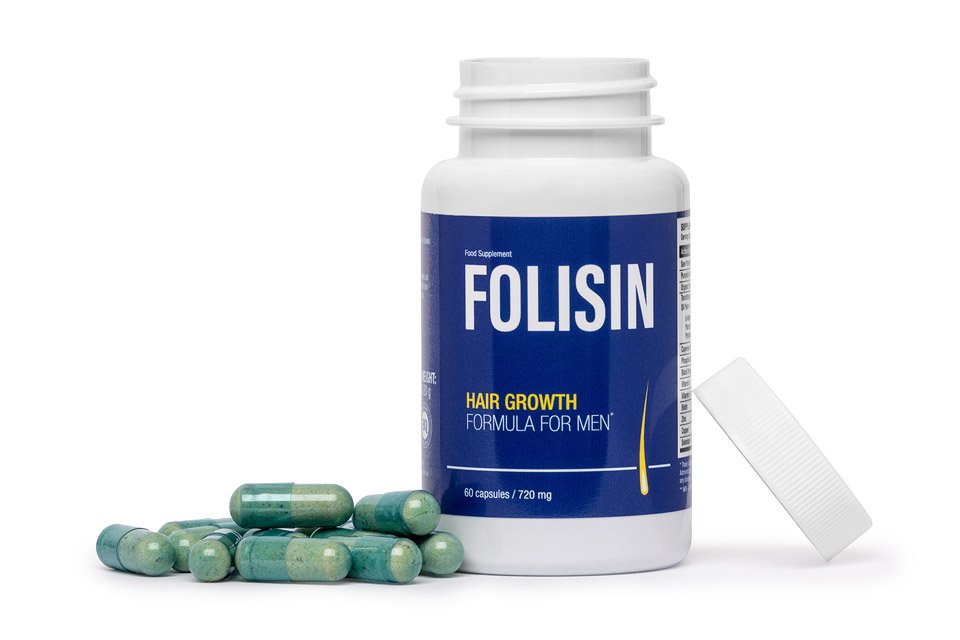
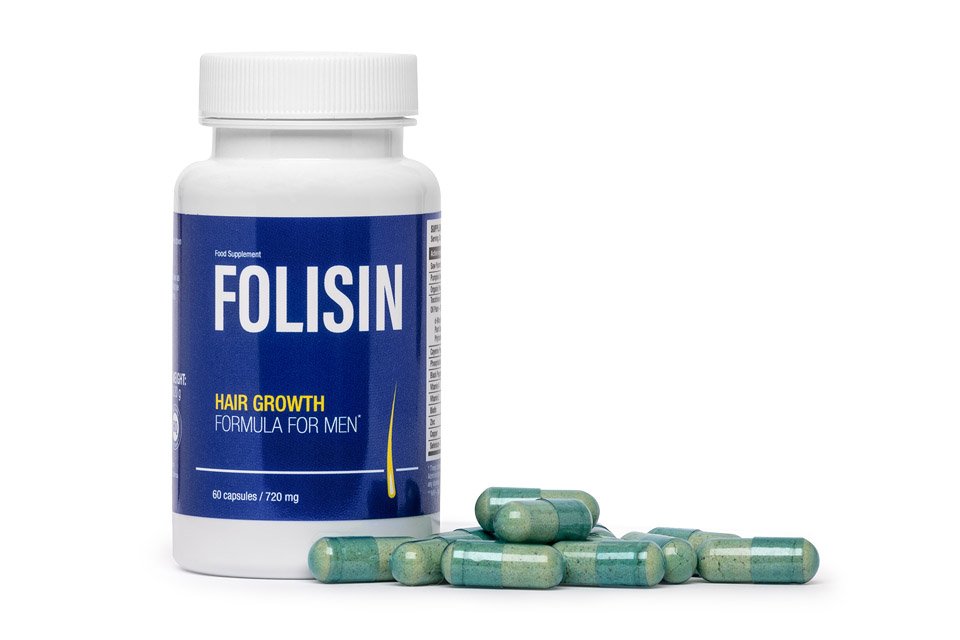
Some supplements include saw palmetto, pumpkin seed extract, biotin, zinc, and vitamins.
However, supplements should never replace a balanced diet or medical advice.
Can Herbs Regrow Lost Hair?
This question appears frequently online.
The honest answer is that herbs may help support healthier hair growth, but they cannot guarantee regrowth, especially if follicles have been inactive for many years.
If hair follicles remain alive, improving scalp health may increase hair thickness and reduce shedding.
However, advanced baldness often requires medical treatment or professional evaluation.
That is why expectations should remain realistic.
Natural remedies work best as part of a complete hair care strategy.
Choosing the Best Herbal Hair Growth Products
The market is full of products claiming miraculous results.
Unfortunately, many lack scientific support.
When shopping for herbal hair products, consider these factors.
Check the Ingredient List
High-quality formulas clearly list active botanical ingredients.
Look for rosemary oil, saw palmetto, peppermint oil, aloe vera, caffeine, or pumpkin seed extract.
Avoid Unrealistic Claims
Any product promising instant hair growth or guaranteed regrowth should raise concerns.
Hair grows slowly, and visible improvement usually requires several months.
Choose Reputable Brands
Brands that provide ingredient transparency and clinical research are generally more trustworthy than products relying only on marketing claims.
Read Independent Reviews
Customer experiences vary, but independent reviews may provide useful insights about product consistency and scalp tolerance.
Natural Hair Growth Habits That Work Well With Herbs
Herbs perform best when combined with healthy daily habits.
Simple lifestyle improvements often produce better long-term results than relying on a single ingredient.
- Eat enough protein every day.
- Include iron-rich foods in your diet.
- Get sufficient vitamin D.
- Manage stress levels.
- Sleep seven to eight hours nightly.
- Avoid excessive heat styling.
- Reduce tight hairstyles that pull on follicles.
- Massage the scalp regularly.
(Healthy lifestyle changes can significantly improve overall scalp health and reduce unnecessary hair shedding.)
Affiliate Recommendation
If you want to try herbal solutions, choose products that combine rosemary oil, peppermint oil, caffeine, biotin, and saw palmetto from reputable manufacturers.
These ingredients have better scientific support than many trendy herbal blends sold online.
Remember that consistent use matters more than buying expensive products.
Visible improvement often requires three to six months of regular application.
Before using any herbal supplement or essential oil, consult a healthcare professional if you are pregnant, breastfeeding, taking medication, or have scalp conditions.
Frequently Asked Questions (FAQ)
What is the most powerful herb for hair growth?
Rosemary is widely considered one of the most powerful herbs for hair growth due to its antioxidant and anti-inflammatory properties. Some research suggests it may support scalp circulation and improve hair density over time when used consistently.
Can herbs regrow bald areas?
Herbs may help strengthen existing hair follicles and reduce shedding, but they cannot guarantee regrowth in completely bald areas where follicles are no longer active.
How long does rosemary take to show results?
Most people who experience benefits report noticeable improvements after three to six months of regular use. Hair growth is naturally slow, so patience is essential.
Is rosemary better than other herbs?
Rosemary has stronger scientific support than many other herbs. However, ingredients like saw palmetto, peppermint, ginseng, and pumpkin seed extract may also support healthy hair depending on the underlying cause of hair loss.
Can I use rosemary oil every day?
Many people use diluted rosemary oil several times per week without problems. Daily use may be suitable for some individuals, but those with sensitive skin should start slowly and monitor for irritation.
Are herbal remedies enough to stop hair loss?
Not always. Hair loss can result from genetics, hormonal changes, nutritional deficiencies, stress, or medical conditions. Herbs may complement a complete hair care routine but should not replace professional diagnosis or treatment when needed.
Final Thoughts
So, what is the most powerful herb for hair growth?
Based on current evidence, rosemary stands out as one of the strongest natural options for supporting healthier hair and improving scalp conditions. Its antioxidant compounds and potential to improve circulation make it a popular ingredient in many modern hair growth products.
Still, no herb should be viewed as a miracle cure. Consistent care, proper nutrition, stress management, and evidence-based treatments remain the foundation of healthy hair.
Combining natural herbs with a healthy lifestyle often provides better long-term results than relying on a single solution.
Looking for a Natural Hair Growth Product?
If you are considering a hair growth product, prioritize formulas that contain rosemary oil, peppermint oil, saw palmetto, caffeine, and other clinically studied botanical ingredients.
Choose trusted brands that provide transparent ingredient lists and realistic expectations rather than exaggerated marketing claims. Consistent use and patience are key to achieving the best possible results.
Medical Disclaimer
This article is for educational purposes only and should not be considered medical advice. Natural herbs and supplements may affect individuals differently and may interact with medications or existing health conditions. Always consult a qualified healthcare professional or dermatologist before starting any new hair loss treatment or supplement.