The Truth About Female Hair Loss: Which Hormone Is to Blame?

Losing your hair feels devastating. You look in the mirror and notice a widening part. Suddenly, your ponytail feels significantly thinner. You wonder what is happening to your body.
For millions of women, the culprit hides inside their own chemistry. Hormones dictate the health, growth, and survival of your hair strands. When these chemical messengers shift, your scalp pays the ultimate price.
Understanding this internal chaos is your first step toward recovery. Let us dive deep into the specific hormones responsible for female hair thinning.
Table of Contents
- The Primary Culprit: DHT and Female Hair Loss
- The Estrogen Shield: What Happens When It Drops?
- The Thyroid Connection: Metabolism and Hair Growth
- Cortisol and Stress: The Silent Hair Killer
- Polycystic Ovary Syndrome (PCOS) and Thinning Hair
- Progesterone Imbalance: The Overlooked Trigger
- How Do Doctors Diagnose Hormonal Hair Loss?
- Effective Solutions for Hormonal Hair Thinning
- Frequently Asked Questions
- Conclusion
The Primary Culprit: DHT and Female Hair Loss
The chief hormone behind female hair loss is Dihydrotestosterone, commonly known as DHT. DHT is an androgen, which means it is a male hormone. However, every woman produces small amounts of androgens naturally.
When your body produces too much DHT, problems begin. DHT binds to specific receptors in your hair follicles. Once attached, this aggressive hormone starts to shrink the follicles.
This destructive process is called miniaturization. The follicle becomes so small that it can only produce fine, wispy hairs. Eventually, the follicle stops producing hair entirely.
This specific hormonal reaction causes Female Pattern Hair Loss (FPHL). Unlike men, women rarely go completely bald. Instead, they experience diffuse thinning across the top and crown of the scalp.
The Estrogen Shield: What Happens When It Drops?
Estrogen is a woman’s best friend regarding vibrant hair health. This hormone extends the growth phase of your hair cycle, which is known as the anagen phase. Estrogen keeps your hair attached to your scalp longer.
When estrogen levels are high, your hair looks thick, shiny, and full. This abundance explains why pregnant women often have exceptionally beautiful, voluminous hair.
Important Note: A sudden drop in estrogen removes this protective shield, exposing your scalp to the harsh effects of circulating androgens.
When estrogen plunges, the relative ratio of DHT rises. This dramatic shift occurs during menopause, perimenopause, and the postpartum period. Without estrogen protection, hair follicles quickly enter the shedding phase.
The Thyroid Connection: Metabolism and Hair Growth
Your thyroid gland produces hormones that regulate your entire metabolism. This regulation includes the production of new cells at the base of your hair follicles.
Both hypothyroidism (low thyroid) and hyperthyroidism (overactive thyroid) cause significant hair loss. When thyroid hormones are unbalanced, they disrupt the cellular development at the root.
- Hypothyroidism: Causes dry, brittle hair that breaks easily and thins uniformly across the entire scalp.
- Hyperthyroidism: Causes hair to become exceptionally fine and soft, leading to widespread shedding.
Correcting the underlying thyroid issue usually halts this type of shedding. However, the recovery process requires patience and accurate medical management.
Cortisol and Stress: The Silent Hair Killer {#the-cortisol-connection}
Cortisol is your body’s primary stress hormone. When you experience chronic emotional or physical stress, your adrenal glands flood your system with cortisol.
High cortisol levels signal your hair follicles to enter a premature resting phase. This specific condition is called Telogen Effluvium. Instead of growing, your hair simply waits to fall out.
Typically, three months after a major stressful event, massive shedding begins. Clumps of hair come out in the shower or on your hairbrush. Managing stress is vital to lowering cortisol and saving your hair.
Polycystic Ovary Syndrome (PCOS) and Thinning Hair {#the-pcos-link}
Polycystic Ovary Syndrome (PCOS) is a widespread endocrine disorder affecting millions of women worldwide. This condition causes an endocrine imbalance characterized by elevated levels of testosterone and DHT.
Women with PCOS often experience a frustrating paradox. They grow excess hair on their face and body, but they lose the hair on their head.
This condition requires a comprehensive management plan. Diet, lifestyle changes, and medical interventions can help balance these male hormones and protect your hair from further miniaturization.
Progesterone Imbalance: The Overlooked Trigger {#the-progesterone-factor}
Progesterone works in harmony with estrogen to maintain hormonal equilibrium. This hormone acts as a natural inhibitor of the enzyme 5-alpha reductase, which converts testosterone into destructive DHT.
When progesterone levels fall too low, this inhibition fails. The enzyme converts more testosterone into DHT without any opposition.
This state of progesterone deficiency is often called estrogen dominance. While it sounds counterintuitive, having too much estrogen relative to low progesterone creates a hormonal environment that accelerates hair thinning.
How Do Doctors Diagnose Hormonal Hair Loss? {#how-do-doctors-diagnose}
Determining the exact hormone causing your hair loss requires a thorough medical evaluation. You should consult a dermatologist or an endocrinologist for an accurate diagnosis.
Doctors typically order a comprehensive blood panel to check your hormone levels. This blood work evaluates total testosterone, free testosterone, DHEA-S, DHT, and thyroid panels (TSH, Free T3, Free T4).
Additionally, doctors look for clinical signs like acne, irregular periods, and facial hair growth. A scalp biopsy or a trichoscopy can confirm if follicle miniaturization is present.
Effective Solutions for Hormonal Hair Thinning {#effective-solutions}
Treating hormonal hair loss requires a multi-layered approach. You must address the internal hormonal imbalance while supporting the health of your scalp externally.
Medical treatments often include anti-androgen medications that block DHT production. Topical solutions can stimulate blood flow to the hair follicles, encouraging new growth.
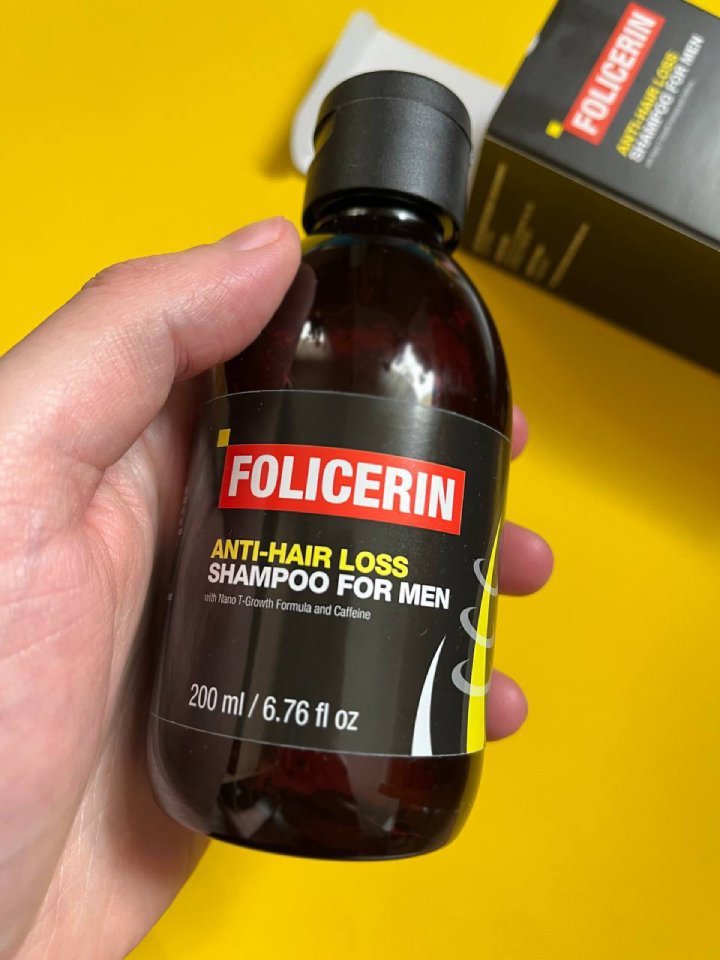
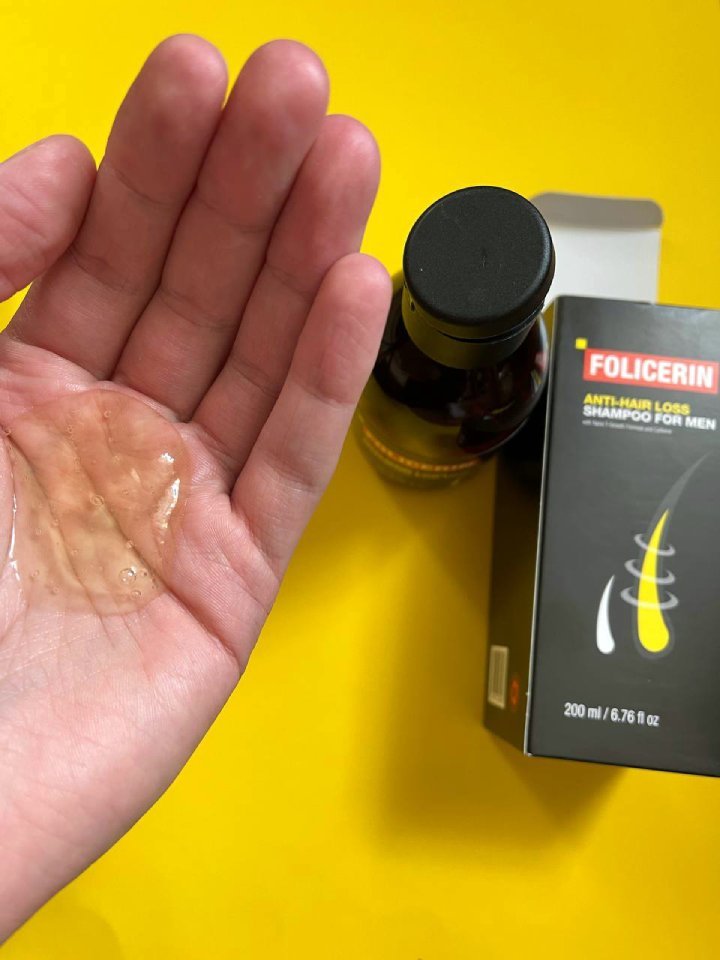
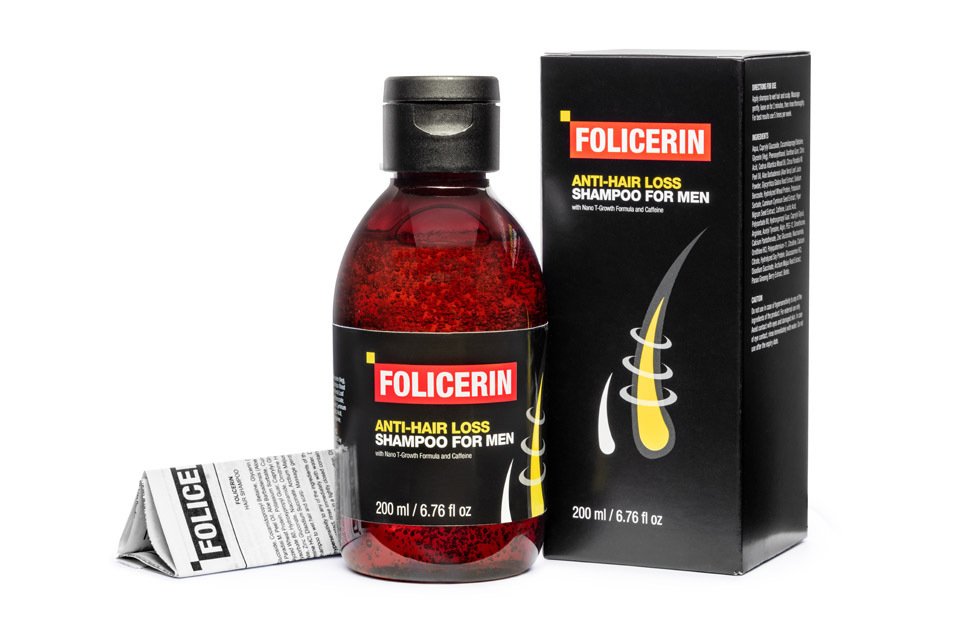
Maintaining a clean, healthy scalp environment is equally vital. Removing excess sebum, DHT buildup, and environmental debris allows new hair strands to grow without restriction. (You can target follicle health and promote thicker growth by using this advanced daily anti-hair loss shampoo formula.)
Using gentle, clinically verified topical formulas helps stabilize delicate active substances directly on your scalp. Consistent daily care protects vulnerable hair strands from the destructive effects of hormonal shifts.
Frequently Asked Questions {#faq-section}
What hormone causes hair loss in females?
The primary hormone responsible for female hair loss is Dihydrotestosterone (DHT), an androgen that shrinks hair follicles.
Can hormonal hair loss be reversed in women?
Yes, if caught early, balancing your hormones and using targeted topical treatments can revive dormant follicles and regrow hair.
How do I know if my hair loss is hormonal?
Hormonal hair loss usually presents as diffuse thinning on the top of the scalp, a widening part, or occurs during menopause or postpartum.
Does high estrogen cause hair loss?
No, high estrogen generally protects hair. It is the sudden drop in estrogen or low progesterone that triggers hair thinning.
Conclusion
Hormonal hair loss in females is a complex but manageable condition. By identifying the specific hormone causing your thinning, you can take control of your health and restore your hair’s natural vitality. Always consult a healthcare professional to tailor a treatment plan specifically for your body.