Which Vitamin Deficiency Causes Hair Loss? Powerful Signs to Know
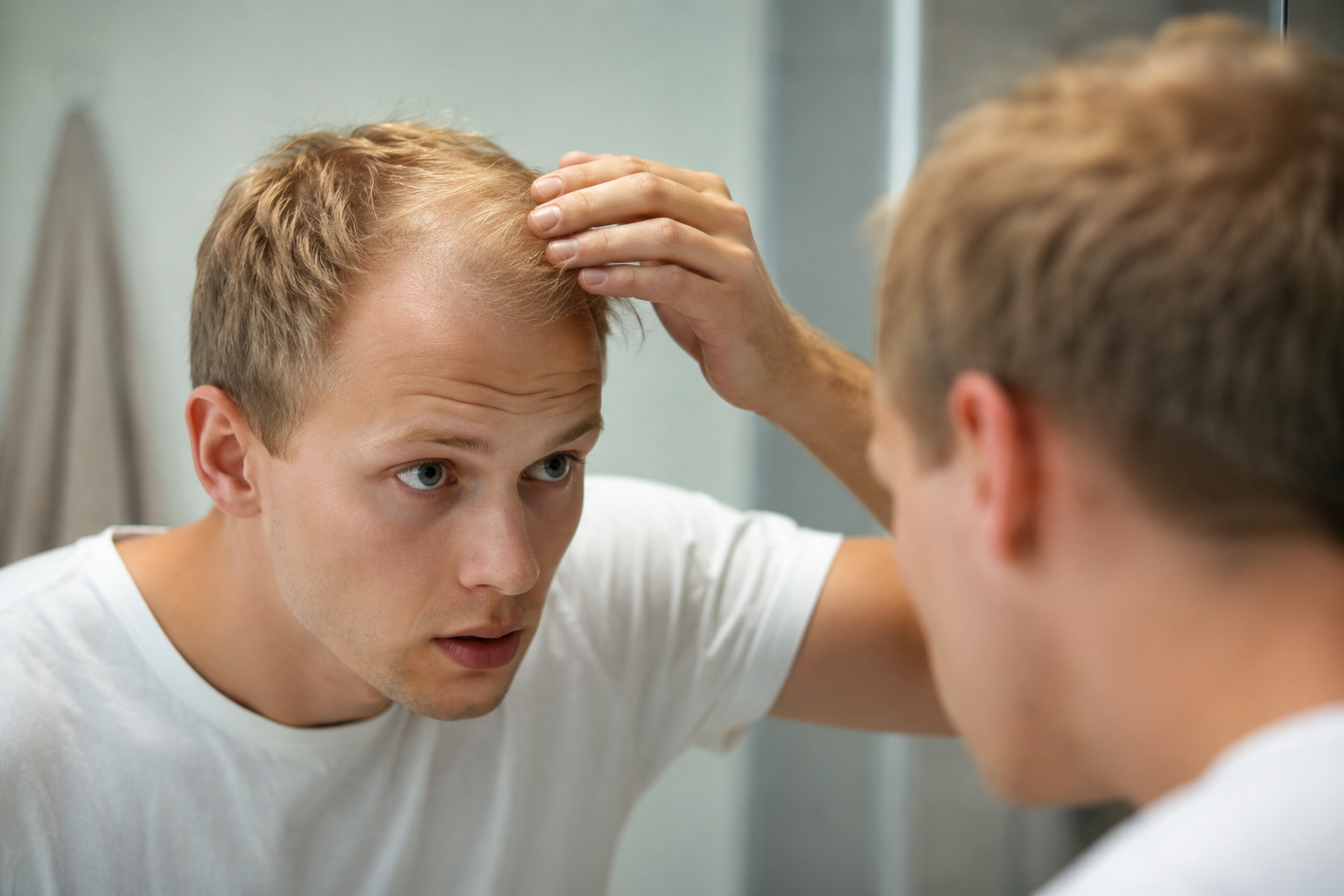
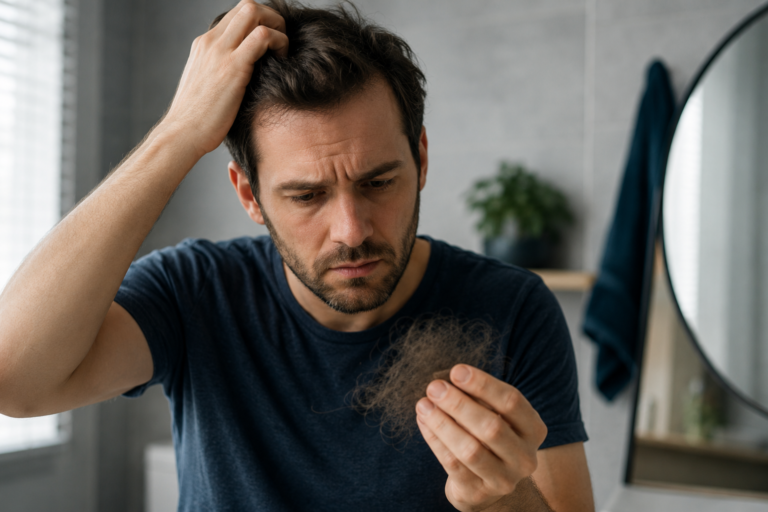
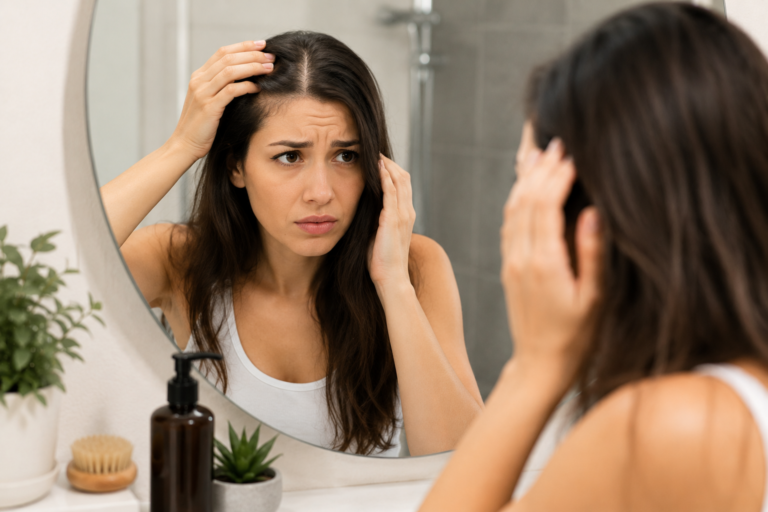
Hair loss is one of the most common concerns affecting both men and women. While genetics, hormones, and stress often receive the most attention, nutritional deficiencies can also play a significant role. If your hair has become thinner than usual or you notice more strands on your pillow or in the shower, your body could be lacking essential vitamins needed for healthy hair growth.
The short answer is that Vitamin D deficiency is one of the most common vitamin deficiencies associated with hair loss, but it is not the only one. Low levels of biotin (Vitamin B7), Vitamin B12, folate, Vitamin C, and Vitamin E may also contribute to weaker hair and increased shedding. In many cases, correcting these deficiencies through diet or medical guidance can help support healthier hair over time.
Why Vitamins Are Essential for Healthy Hair
Hair follicles are among the most active cells in the human body. They require a constant supply of nutrients to produce strong, healthy hair strands. When your body lacks important vitamins, it redirects available nutrients to vital organs such as the heart and brain, leaving hair follicles with fewer resources.
This process can slow hair growth, weaken existing strands, and increase hair shedding.
Some people notice gradual thinning over several months, while others experience sudden excessive hair loss after periods of illness, poor diet, or stress.
Healthy hair begins with a healthy body.
Vitamin D Deficiency and Hair Loss
Among all vitamins, Vitamin D has received significant scientific attention for its relationship with hair growth. Hair follicles contain Vitamin D receptors that help regulate the natural hair cycle. Low Vitamin D levels may interfere with this process and contribute to hair thinning.
Several studies have found that people with certain types of alopecia often have lower Vitamin D levels than those without hair loss.
Common symptoms of Vitamin D deficiency include:
- Hair thinning
- Muscle weakness
- Chronic fatigue
- Bone pain
- Frequent illness
- Low mood
People who spend little time outdoors or use strong sun protection all year may be more likely to have low Vitamin D levels.
Increasing sunlight exposure safely and consuming foods rich in Vitamin D may help maintain healthy levels.
Can Biotin Deficiency Cause Hair Loss?
Biotin, also known as Vitamin B7, plays an important role in keratin production. Keratin is the main protein that forms hair, skin, and nails.
Although severe biotin deficiency is uncommon, it can lead to noticeable hair thinning and brittle nails.
Possible symptoms include:
- Hair loss
- Skin rash
- Brittle nails
- Fatigue
- Dry skin
Foods naturally rich in biotin include eggs, almonds, walnuts, sunflower seeds, salmon, and sweet potatoes.
Vitamin B12 and Folate Deficiency
Vitamin B12 and folate work together to produce healthy red blood cells that transport oxygen throughout the body. Hair follicles require oxygen and nutrients to maintain active growth.
When Vitamin B12 levels become too low, hair follicles may not receive the nourishment they need, resulting in slower growth and increased shedding.
People at higher risk include:
- Vegetarians
- Vegans
- Older adults
- Individuals with digestive disorders
Common signs include:
- Fatigue
- Weakness
- Pale skin
- Memory problems
- Tingling hands or feet
- Hair thinning
Eating fish, eggs, dairy products, meat, and fortified cereals may help maintain adequate Vitamin B12 intake.
Vitamin C Supports Stronger Hair
Vitamin C is essential for collagen production, a structural protein that helps strengthen hair. It also improves iron absorption, making it an indirect but important nutrient for preventing hair loss.
Without enough Vitamin C, hair may become weaker and more prone to breakage.
Excellent food sources include:
- Oranges
- Kiwi
- Strawberries
- Bell peppers
- Broccoli
- Tomatoes
Vitamin C also functions as a powerful antioxidant that helps protect hair follicles from oxidative stress caused by aging and environmental damage.
Vitamin E and Scalp Health
Vitamin E helps protect cells from oxidative damage while supporting healthy circulation throughout the body, including the scalp.
Although deficiency is relatively rare, adequate Vitamin E intake contributes to maintaining a healthy environment for hair follicles.
Good dietary sources include:
- Almonds
- Sunflower seeds
- Spinach
- Avocados
- Olive oil
Other Nutrients That Can Contribute to Hair Loss
Although vitamins are essential for healthy hair growth, they are not the only nutrients that matter. Hair follicles also rely on minerals, protein, and healthy fats to function properly.
One of the most common nutritional causes of hair loss worldwide is iron deficiency, especially among women. Low iron levels can reduce oxygen delivery to hair follicles, leading to excessive shedding and slower regrowth.
Other important nutrients include:
- Iron
- Zinc
- Protein
- Selenium
- Omega-3 fatty acids
A deficiency in one or more of these nutrients may weaken hair over time, even if vitamin levels appear normal.
For this reason, experts often recommend blood tests before taking supplements, since unnecessary supplementation may not provide benefits and can sometimes cause unwanted side effects.
The healthiest hair usually reflects overall nutritional balance rather than one single vitamin.
Signs Your Hair Loss Could Be Related to Vitamin Deficiency
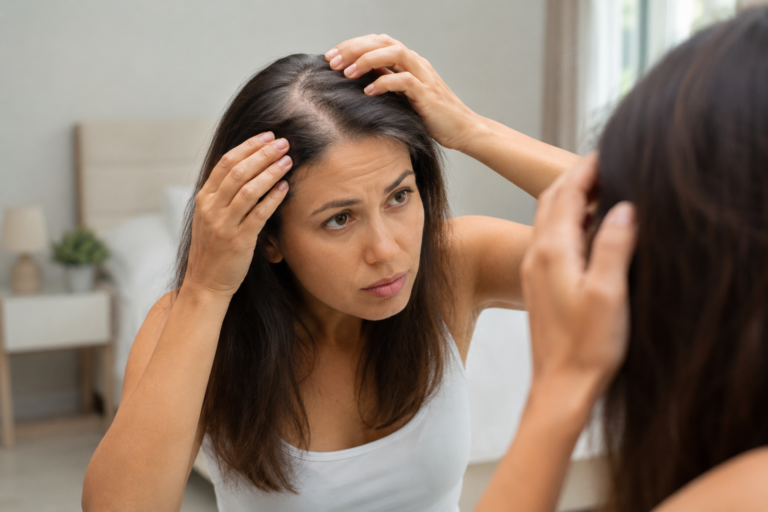
Hair loss caused by nutritional deficiencies often develops gradually rather than overnight. Paying attention to additional symptoms may help identify whether your diet could be contributing to the problem.
Common warning signs include:
- Increased daily hair shedding
- Brittle nails
- Dry skin
- Fatigue
- Poor concentration
- Pale skin
- Frequent illness
- Muscle weakness
If you experience several of these symptoms together, it may be worth discussing blood testing with your healthcare provider.
Keep in mind that hair loss has many possible causes, including stress, thyroid disorders, hormonal changes, medications, and genetics.
How to Improve Vitamin Levels Naturally
The best way to support healthy hair is by following a nutrient-rich diet rather than relying on supplements alone.
Simple daily habits that may help include:
- Eat leafy green vegetables regularly.
- Include eggs and fatty fish in your diet.
- Consume enough protein each day.
- Eat colorful fruits rich in Vitamin C.
- Spend safe time outdoors for natural Vitamin D.
- Stay hydrated.
- Get enough sleep and manage stress.
These lifestyle habits benefit not only your hair but your overall health as well.
Frequently Asked Questions
Which vitamin deficiency is most likely to cause hair loss?
Vitamin D deficiency is one of the most commonly linked vitamin deficiencies associated with hair thinning. However, deficiencies in biotin, Vitamin B12, folate, and Vitamin C may also contribute.
Can taking vitamins regrow lost hair?
If hair loss is caused by a nutritional deficiency, correcting that deficiency may improve hair growth over time. Results usually take several months because hair grows slowly.
Should I take biotin supplements?
Most healthy people get enough biotin through their diet. Supplements should only be taken if recommended by a healthcare professional or if deficiency is confirmed.
Can low iron cause hair loss?
Yes. Iron deficiency is one of the leading nutritional causes of excessive hair shedding, particularly among women of reproductive age.
How long does it take to see improvement?
Hair follicles need time to recover. Many people notice improvements after three to six months once nutritional deficiencies have been corrected.
Final Thoughts
Hair loss can be frustrating, but in some cases the underlying cause may be easier to address than many people realize. Deficiencies in Vitamin D, biotin, Vitamin B12, folate, Vitamin C, and other essential nutrients may weaken hair follicles and contribute to excessive shedding.
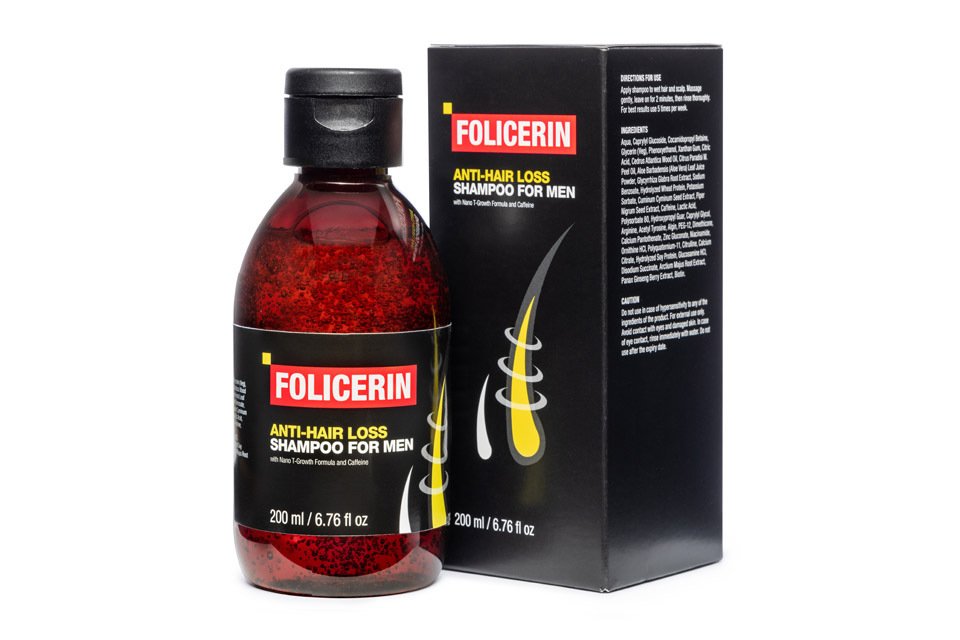
The best approach is to identify the root cause rather than guessing. A balanced diet, healthy lifestyle, proper medical evaluation, and consistent scalp care can all play an important role in supporting stronger and healthier hair.
While nutritional improvements may not produce overnight results, they can create the foundation needed for long-term hair health and overall well-being.
If you’re noticing unusual hair shedding, don’t ignore the signs. Review your diet, speak with a healthcare professional about possible nutrient deficiencies, and adopt healthy daily habits that support both your scalp and your overall health.
Small lifestyle changes today may lead to healthier, stronger-looking hair in the months ahead.