Weight Loss Drinks That Actually Work: The Complete Science-Backed Guide

Did you know that more than 1 billion people worldwide are overweight or obese, according to the World Health Organization? While countless fad diets promise rapid results, many fail because they ignore sustainable habits. Choosing the right weight loss drink can complement a healthy lifestyle and support long-term weight loss, but no beverage alone can melt away body fat.
In this guide, you’ll discover how healthy drinks fit into a balanced nutrition plan, the best beverages supported by scientific evidence, common myths, and practical strategies that actually work for lasting results.
What Is Healthy Weight Loss?
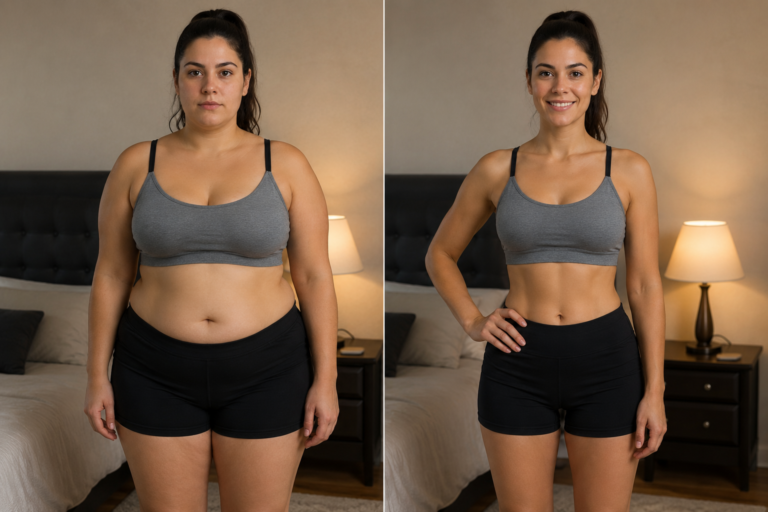
Healthy weight loss means reducing excess body fat while preserving muscle mass and overall health. Experts generally recommend losing 1–2 pounds (0.5–1 kg) per week, which is considered safe and sustainable.
Weight loss ultimately depends on maintaining a calorie deficit, meaning your body burns more calories than it consumes.
It’s also important to understand the difference between:
- Fat loss
- Water weight
- Muscle loss
Many quick diets cause temporary water loss rather than true fat reduction.
Healthy weight loss focuses on:
- Balanced nutrition
- Regular exercise
- Adequate sleep
- Stress management
- Long-term lifestyle changes
Common Causes of Weight Gain
Understanding why people gain weight helps create effective solutions.
Overeating
Consuming more calories than your body needs leads to gradual fat storage.
Sedentary Lifestyle
Long hours sitting reduce daily energy expenditure and slow metabolism.
Poor Sleep
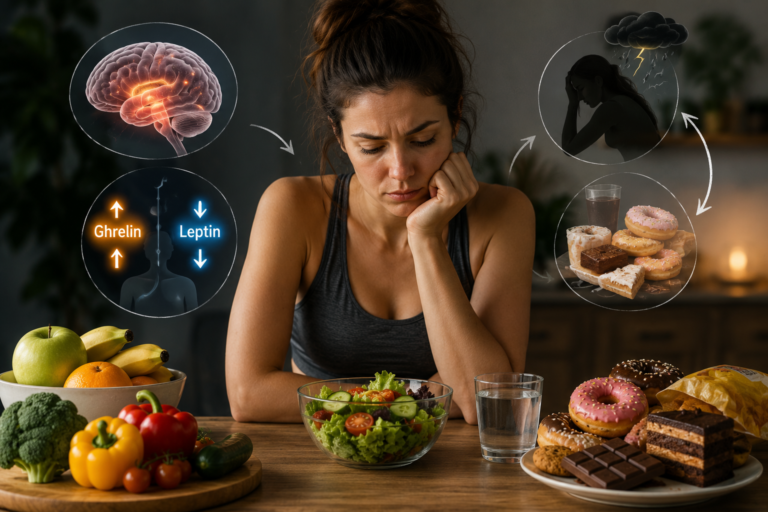
Sleep deprivation disrupts hunger hormones such as leptin and ghrelin, increasing appetite.
Chronic Stress
Elevated cortisol levels encourage fat storage, particularly around the abdomen.
Hormonal Imbalances
Conditions affecting thyroid hormones or insulin can contribute to weight gain.
Insulin Resistance
Poor insulin sensitivity encourages fat accumulation and increased hunger.
Genetics
Genes influence metabolism, appetite regulation, and fat distribution.
Certain Medications
Some antidepressants, steroids, and diabetes medications may promote weight gain.
Emotional Eating
Stress, boredom, and anxiety often trigger excessive calorie intake.
Ultra-Processed Foods
Highly processed foods are calorie-dense but nutrient-poor.
Sugary Drinks
Liquid calories are easy to overconsume because they provide little satiety.
Aging
Muscle mass naturally declines with age, lowering calorie requirements.
Proven Strategies to Lose Weight Naturally
Calorie Deficit
Creating a moderate calorie deficit remains the foundation of successful weight loss.
Avoid extreme calorie restriction, which often slows metabolism and increases hunger.
High-Protein Diet
Protein increases fullness while helping preserve lean muscle during dieting.
Excellent protein sources include:
- Eggs
- Chicken
- Fish
- Greek yogurt
- Cottage cheese
- Lentils
Fiber-Rich Foods
Fiber slows digestion and keeps you satisfied longer.
Choose:
- Oats
- Beans
- Fruits
- Vegetables
- Whole grains
Strength Training
Resistance exercise preserves muscle while increasing resting metabolic rate.
Cardio Exercise
Walking, jogging, swimming, and cycling burn calories effectively.
Walking Daily
Walking 8,000–10,000 steps daily significantly increases energy expenditure.
Drinking More Water
Water before meals may naturally reduce calorie intake by increasing fullness.
Better Sleep
Aim for 7–9 hours every night to support healthy hormone regulation.
Stress Reduction
Meditation, yoga, and deep breathing can reduce stress eating and improve long-term consistency.
Best Weight Loss Drinks
While no miracle beverage exists, certain drinks can support weight loss when combined with healthy habits.
Water
The best weight loss drink remains plain water.
Benefits include:
- Zero calories
- Improved hydration
- Better metabolism
- Reduced appetite before meals
Green Tea
Green tea contains catechins and caffeine that may slightly increase calorie burning.
Black Coffee
Unsweetened coffee may temporarily boost metabolism and exercise performance.
Avoid excessive sugar and cream.
Herbal Tea
Peppermint, ginger, and hibiscus tea provide hydration without calories.
Lemon Water
Although lemon water doesn’t burn fat, it encourages hydration while replacing sugary beverages.
Apple Cider Vinegar Drink
Some studies suggest small appetite benefits, but evidence remains limited.
Always dilute before drinking.
Protein Shakes
High-quality protein shakes can increase satiety and support muscle retention during calorie restriction.
Vegetable Smoothies
Low-calorie vegetable smoothies provide fiber and essential nutrients.
Best Foods for Weight Loss
Certain foods naturally promote fullness while providing important nutrients.
| Food | Why It Helps |
| Eggs | High protein and filling |
| Chicken breast | Lean protein |
| Fish | Protein and omega-3 fats |
| Greek yogurt | Protein and probiotics |
| Oats | Rich in soluble fiber |
| Leafy greens | Low calorie, high volume |
| Apples | Fiber-rich snack |
| Berries | Antioxidants and fiber |
| Avocados | Healthy fats increase satiety |
| Beans | Fiber and protein |
| Lentils | Excellent plant protein |
| Nuts | Healthy fats in moderation |
Foods to Limit or Avoid
Reducing these foods often improves weight loss success:
- Sugary drinks
- Soda
- Energy drinks
- Fast food
- Fried foods
- White bread
- Candy
- Cakes
- Pastries
- Potato chips
- Ultra-processed snacks
- Excess alcohol
These foods are calorie-dense while offering little nutritional value.
Sample Healthy Daily Meal Plan
Breakfast
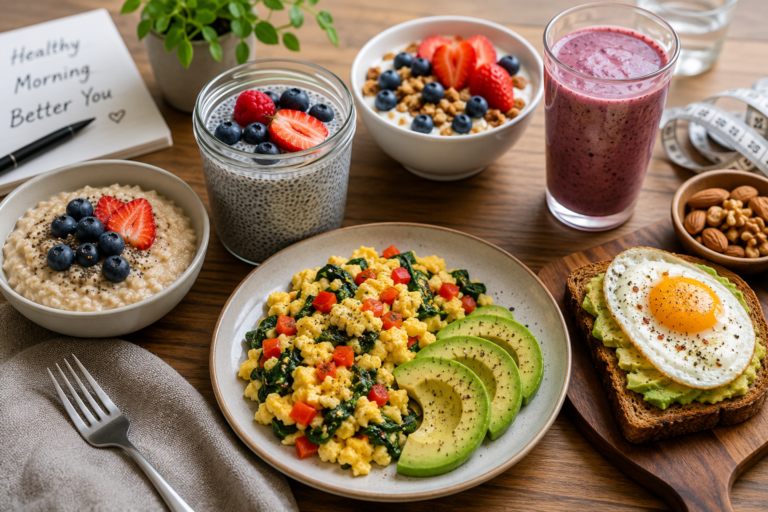
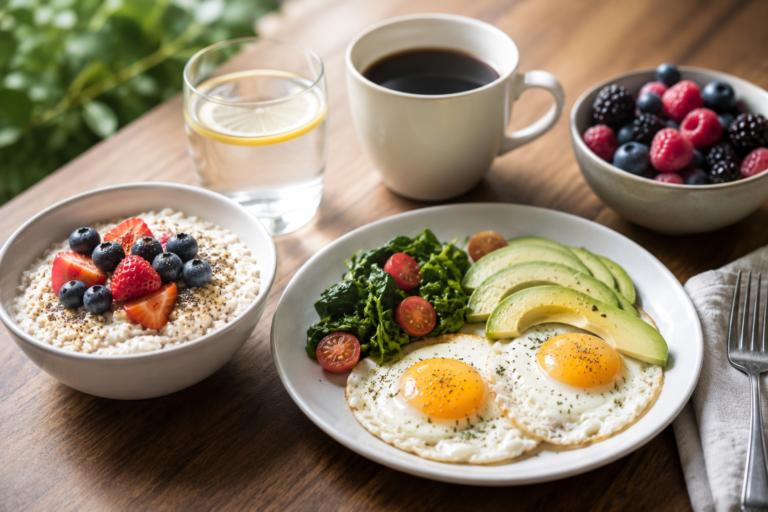
Greek yogurt with berries and oats
Morning Snack
Apple with almonds
Lunch
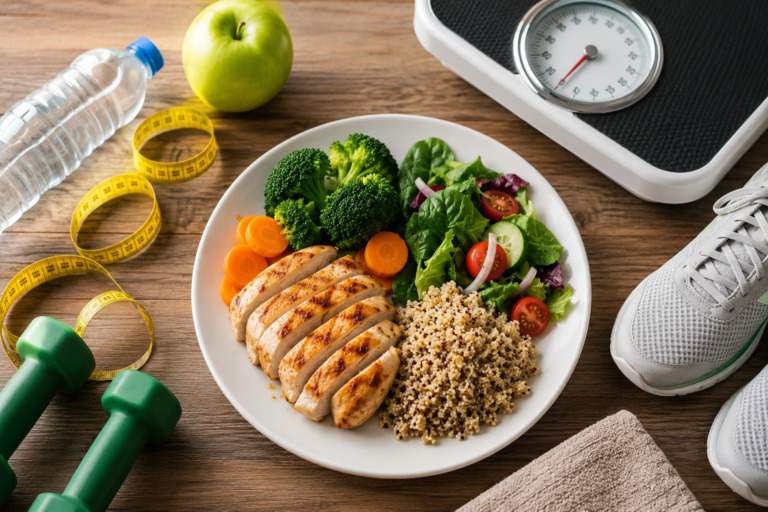
Grilled chicken breast with quinoa and mixed vegetables
Afternoon Snack
Carrot sticks with hummus
Dinner
Baked salmon with broccoli and brown rice
Drink water throughout the day and choose unsweetened beverages whenever possible.
Exercise Tips for Faster Weight Loss
Exercise accelerates fat loss while improving overall health.
Best options include:
- Walking
- Strength training
- HIIT workouts
- Cycling
- Swimming
- Hiking
- Daily movement
Consistency matters more than intensity.
Even 30 minutes of walking every day provides significant health benefits.
Common Weight Loss Mistakes
Many people unknowingly slow progress by making these mistakes:
- Skipping meals
- Crash dieting
- Eating too little protein
- Drinking calories
- Poor sleep habits
- Unrealistic expectations
- Overestimating calories burned
- Ignoring strength training
- Eliminating entire food groups
- Following fad diets
Sustainable habits outperform quick fixes.
How to Maintain Weight Loss Long-Term
Maintaining lost weight requires permanent lifestyle changes.
Successful habits include:
- Meal planning
- Portion control
- Weekly weigh-ins
- Regular physical activity
- Cooking more meals at home
- Prioritizing sleep
- Managing stress
- Monitoring progress
- Building healthy habits gradually
The goal is lifelong health rather than temporary dieting.
Frequently Asked Questions (FAQ)
What is the fastest healthy way to lose weight?
A balanced calorie deficit combined with exercise and adequate protein intake is the safest approach.
How many calories should I eat?
It depends on age, activity level, sex, and body size, but creating a moderate calorie deficit works best.
Can I lose weight without exercise?
Yes, diet plays the largest role, although exercise improves long-term success.
Which foods burn belly fat?
No food specifically burns belly fat, but high-protein and high-fiber foods support overall fat loss.
How much protein do I need?
Many experts recommend around 1.2–1.6 grams per kilogram of body weight during weight loss.
Is intermittent fasting effective?
It may help some individuals reduce calorie intake, but consistency matters more than eating schedule.
Why am I not losing weight?
Common reasons include hidden calories, poor sleep, stress, hormonal issues, or inaccurate calorie tracking.
How long does healthy weight loss take?
Losing 1–2 pounds per week is generally considered safe and sustainable.
Does green tea help weight loss?
Green tea may provide a small metabolic boost but works best alongside healthy habits.
What is the best weight loss drink?
Water remains the healthiest and most effective beverage for supporting long-term weight loss.
Conclusion
Achieving sustainable weight loss requires more than drinking a single miracle beverage. The best weight loss drink is one that supports hydration while replacing sugary, calorie-rich alternatives. Combined with balanced nutrition, regular exercise, quality sleep, and healthy habits, smart beverage choices can become a valuable part of your long-term success.
Have you started your weight loss journey? Share your experience in the comments below, leave a review, and subscribe to our blog for more science-backed nutrition and healthy lifestyle tips.