Will My Face Change If I Lose Weight? 7 Surprising Facts You Need to Know
Introduction
Many people start a weight loss journey hoping to improve their health and confidence. Yet one common question often appears before the first workout or diet change: Will my face change if I lose weight?
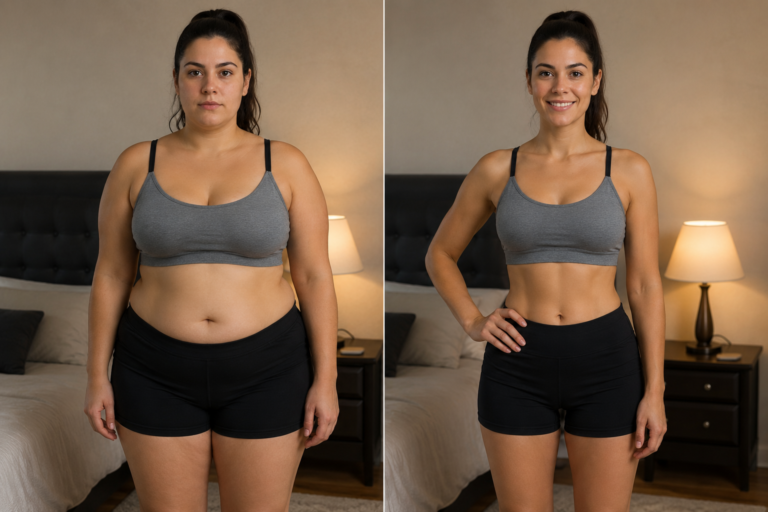
The answer is yes—but the extent of the change depends on many factors. Your genetics, age, body fat percentage, hydration, and lifestyle all play important roles. Some people notice slimmer cheeks and a more defined jawline after losing only a few pounds, while others experience more gradual facial changes.
Understanding what happens to your face during weight loss can help you set realistic expectations and avoid unhealthy habits that promise quick transformations.
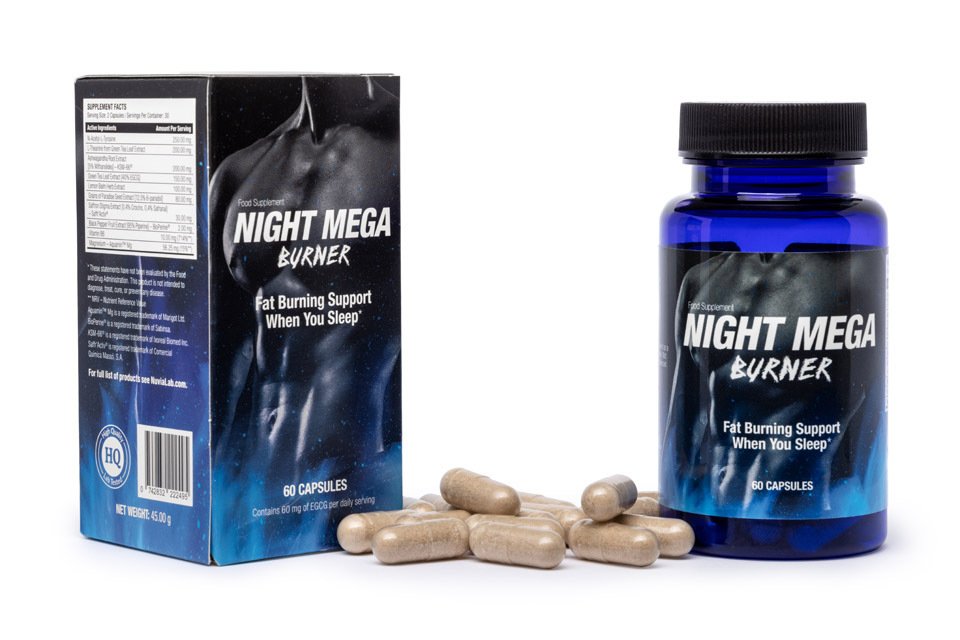
Table of Contents
- Why Does Weight Loss Affect Your Face?
- How Much Weight Do You Need to Lose to See Facial Changes?
- What Determines How Your Face Will Look?
- Can Weight Loss Make You Look Older?
- Healthy Ways to Lose Weight Without Harming Your Face
- Best Products That Support Healthy Weight Loss
- Frequently Asked Questions
- Conclusion
Why Does Weight Loss Affect Your Face?
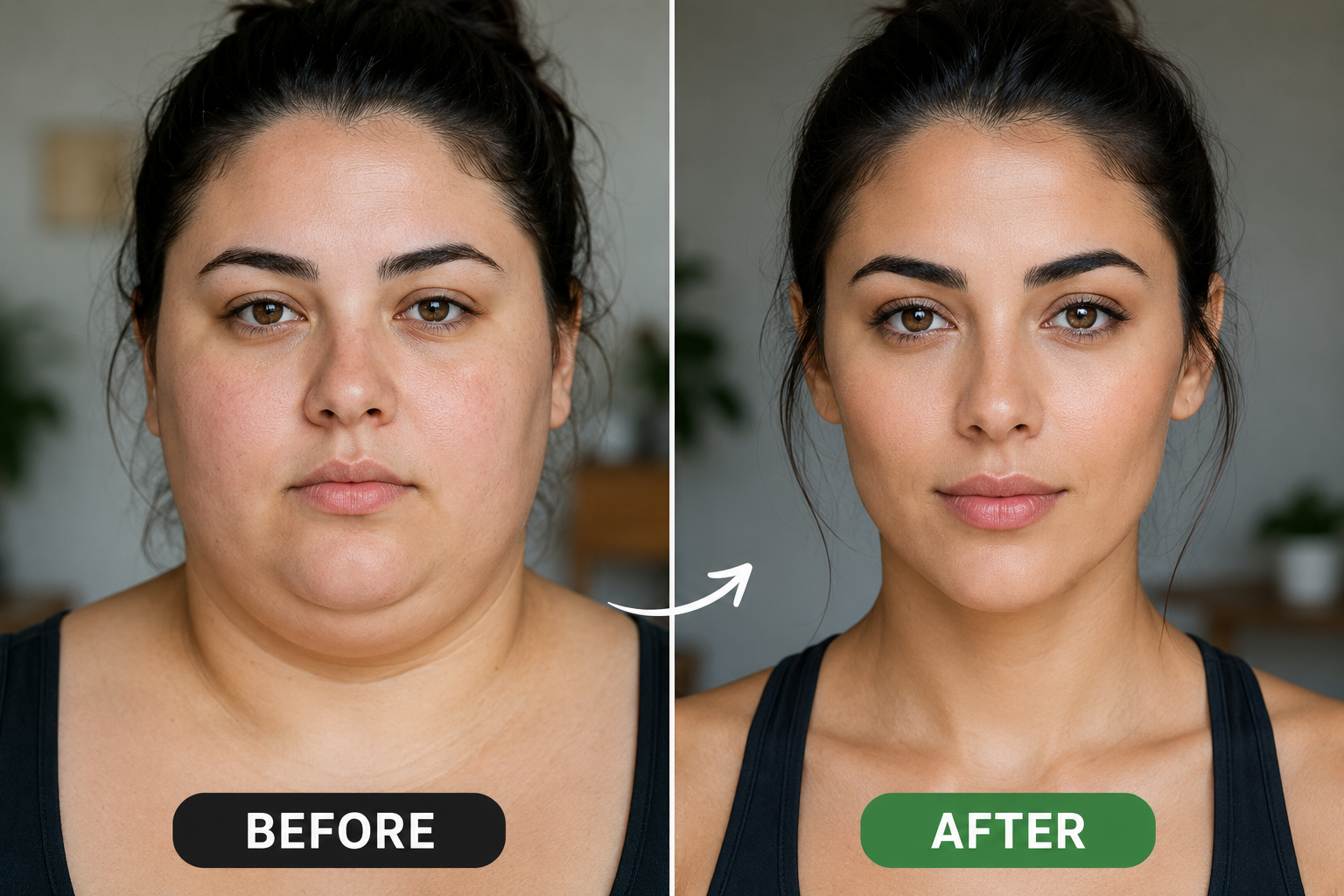
Your face stores fat just like your stomach, hips, and thighs. As your body burns fat, facial fat often decreases too.
The cheeks may become smaller. The jawline may appear sharper. The neck can also look slimmer.
Many people notice these changes because facial features become more visible once excess fat disappears.
This guide explains how body fat reduction affects overall appearance naturally.
Facial Fat Distribution
Everyone stores fat differently.
Some people carry extra fat around the cheeks, while others store it under the chin or around the neck.
Because of this, facial changes vary greatly from person to person.
Genetics Matter
Genes strongly influence facial structure.
Two people who lose the same amount of weight may end up with very different facial appearances.
How Much Weight Do You Need to Lose to See Facial Changes?
Research suggests that even moderate weight loss can become noticeable in the face.
Many individuals begin seeing visible differences after losing between 5% and 10% of their body weight.
For example, someone weighing 200 pounds may notice facial slimming after losing 10 to 20 pounds.
However, there is no universal number.
Factors such as hydration, sodium intake, sleep quality, and inflammation also affect facial appearance.
Slow Weight Loss Looks Better
Losing weight gradually helps preserve muscle and skin elasticity.
Rapid weight loss may leave the face looking tired or gaunt.
This article discusses safe weight loss methods that protect skin health.
Hydration Plays a Big Role
Water retention can make the face appear puffier.
Drinking enough water and reducing excessive sodium intake may naturally create a slimmer facial appearance.
What Determines How Your Face Will Look After Losing Weight?
Several factors influence your final facial appearance.
Age
Younger skin contains more collagen and elastin.
This allows skin to tighten more easily after fat loss.
Older adults may notice looser skin because collagen production naturally declines.
Body Fat Percentage
People with higher body fat percentages often see more dramatic facial changes.
As body fat decreases, facial definition improves.
Muscle Mass
Strength training helps preserve muscle while losing fat.
This contributes to a healthier overall appearance and may prevent an overly thin face.
Nutrition
Protein, vitamins, healthy fats, and antioxidants support collagen production and skin repair.
Poor nutrition during dieting can negatively affect facial appearance.
This guide covers foods that support healthy skin during weight loss.
Lifestyle Habits
Smoking, poor sleep, excessive alcohol consumption, and chronic stress accelerate skin aging.
Healthy habits improve facial appearance during weight loss.
Can Weight Loss Make You Look Older?
One of the biggest concerns people have is whether losing weight can make them look older.
The answer is sometimes, but it depends on how the weight is lost and your age.
Facial fat naturally provides volume that keeps the face looking youthful. When body fat decreases significantly, the cheeks may lose fullness, making fine lines and wrinkles appear more noticeable.
However, healthy and gradual weight loss rarely causes dramatic aging in younger adults.
Why Some People Look Older After Weight Loss
Several factors can contribute to an older-looking face after losing weight.
Rapid Weight Loss
Losing a large amount of weight in a short period can reduce facial fat quickly.
The skin may not have enough time to adjust, creating a hollow appearance.
Loss of Collagen
Collagen naturally declines with age.
If collagen levels are already low, facial volume loss may become more obvious.
Poor Dieting Habits
Extremely low-calorie diets may reduce muscle mass and deprive the skin of essential nutrients.
This can lead to dull skin and a tired appearance.
Healthy nutrition supports both weight loss and youthful skin.
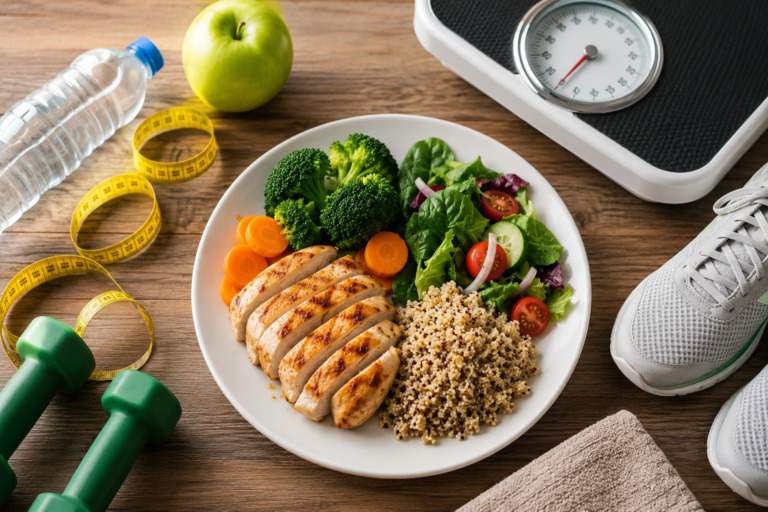
Healthy Ways to Lose Weight Without Harming Your Face
Fortunately, you can lose weight while maintaining healthy facial appearance.
The goal is to reduce body fat gradually instead of chasing rapid results.
Lose Weight Slowly
Experts often recommend losing one to two pounds per week.
This allows your skin to adapt naturally while preserving muscle tissue.
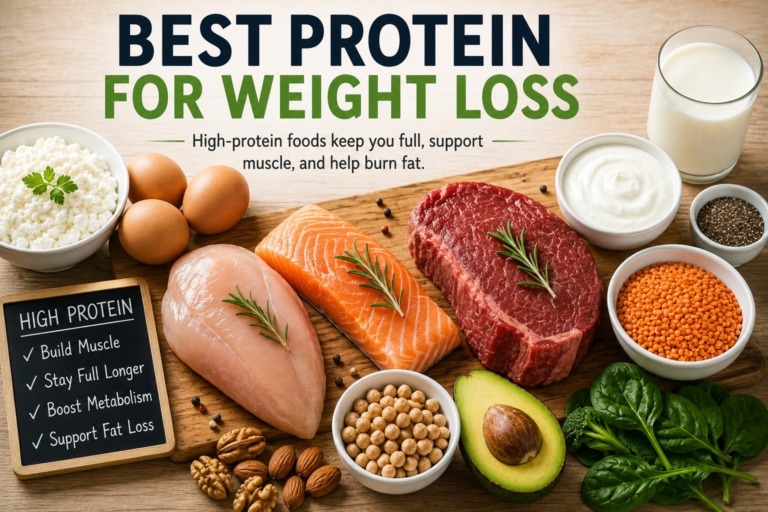
Eat Enough Protein
Protein supports muscle maintenance and collagen production.
Lean meats, eggs, fish, Greek yogurt, beans, and legumes are excellent choices.
Stay Hydrated
Proper hydration helps skin maintain elasticity and reduces temporary facial puffiness.
Many people underestimate how much water influences facial appearance.
Sleep Well
Sleep supports hormone balance and skin repair.
Poor sleep increases cortisol levels, which may contribute to inflammation and facial swelling.
Exercise Regularly
Cardio burns calories while strength training preserves muscle mass.
The combination helps create a leaner and healthier appearance.
This guide explains why combining strength training with cardio improves body composition.
Can You Lose Fat Only From Your Face?
Many people search for exercises that specifically reduce face fat.
Unfortunately, spot reduction is a myth.
The body decides where fat is lost based on genetics and hormones.
Facial exercises may strengthen facial muscles, but they do not selectively burn facial fat.
Overall fat loss remains the most effective strategy.
What Actually Works?
- Healthy calorie deficit
- Regular physical activity
- Balanced nutrition
- Adequate sleep
- Stress management
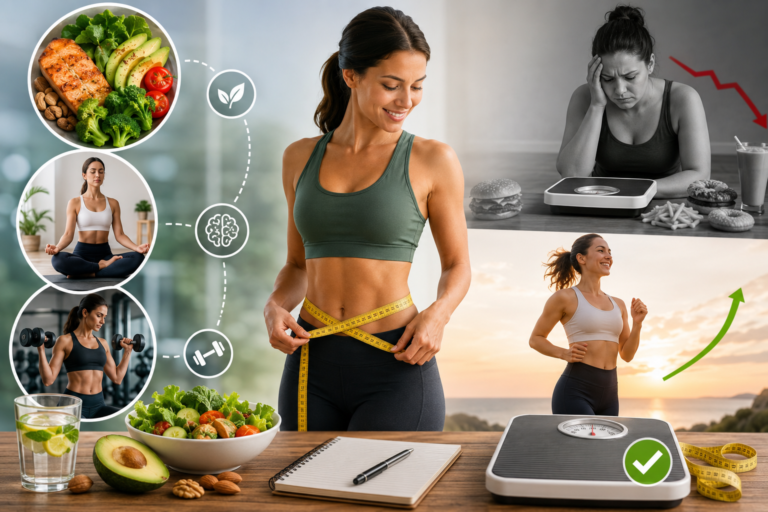
These habits gradually reduce body fat, including facial fat.
Best Products That Support Healthy Weight Loss
Although no supplement can magically change your face, some products may support a healthy weight loss journey when combined with diet and exercise.
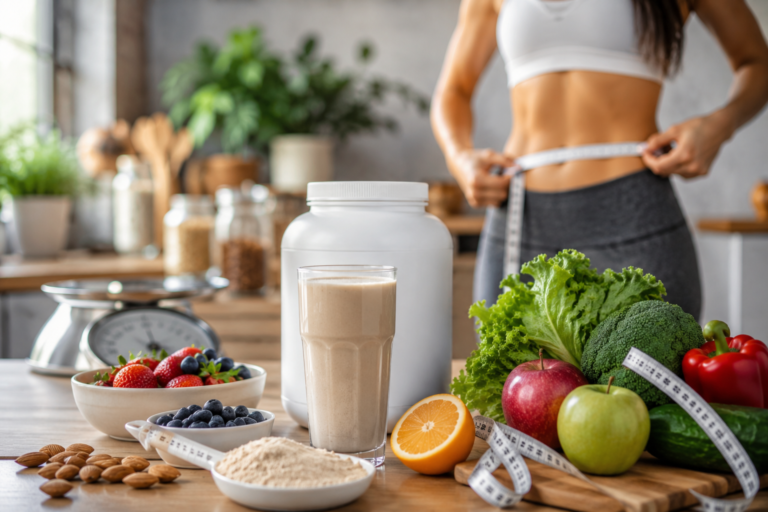
Protein Powder
Protein supplements help meet daily protein needs and preserve lean muscle.
This supports a healthier appearance during weight loss.
Fiber Supplements
Fiber increases fullness and may help reduce calorie intake naturally.
Digital Food Scale
Tracking portion sizes improves calorie awareness and long-term consistency.
Smart Fitness Watch
Activity trackers encourage daily movement and help monitor progress.
Water Bottle With Time Markers
Staying hydrated becomes easier with hydration reminders.
Remember that no product replaces healthy eating and consistent exercise.
Choosing evidence-based weight loss tools can improve long-term success.
Frequently Asked Questions
Will my face get slimmer if I lose weight?
Yes. Most people notice a slimmer face as overall body fat decreases. The degree of change depends on genetics, age, and starting body fat percentage.
How much weight do I need to lose before my face changes?
Many people begin noticing facial changes after losing around 5% to 10% of their body weight, although individual results vary.
Can losing weight improve my jawline?
Yes. Reducing excess body fat often reveals the jawline and neck contours more clearly.
Will my cheeks become hollow?
Only significant fat loss or rapid weight loss may create a hollow appearance in some individuals, especially older adults.
Can I lose face fat without losing body fat?
No. There is no proven way to target facial fat alone. Overall fat loss is required.
Does drinking more water make my face thinner?
Water does not burn facial fat, but staying hydrated reduces water retention and puffiness, making the face appear more defined.
Is rapid weight loss bad for facial appearance?
Yes. Fast weight loss increases the risk of loose skin, muscle loss, and a tired-looking face. Slow and steady weight loss usually produces healthier results.
Conclusion
So, will my face change if I lose weight? In most cases, yes.
As body fat decreases, your face often becomes slimmer, your jawline may appear sharper, and your facial features can become more defined. However, the extent of these changes depends on genetics, age, lifestyle, and the speed of weight loss.
The healthiest approach is to lose weight gradually through balanced nutrition, regular exercise, quality sleep, and proper hydration. This not only supports a healthier body but also helps maintain skin quality and a youthful appearance.
If your goal is long-term health and confidence, focus on sustainable habits rather than quick fixes.
Healthy lifestyle changes produce the most natural and lasting physical transformations.
Looking for Extra Support?
If you’re struggling to stay consistent, evidence-based products such as high-quality protein powders, fiber supplements, smart fitness trackers, and meal-planning tools may help support your weight loss journey when combined with healthy habits.
Choose products backed by scientific research and avoid supplements that promise unrealistic results.
Medical Disclaimer
This article is for educational purposes only and should not replace professional medical advice. Always consult a qualified healthcare provider before making significant changes to your diet, exercise routine, or weight loss plan, especially if you have underlying health conditions or take prescription medications.