How to Lose Weight in 7 Days: The Science-Backed Guide to Kickstart Healthy Weight Loss Fast
Millions of people search for how to lose weight in 7 days because they want quick results before an important event, vacation, wedding, or simply because they are frustrated after years of struggling with excess body weight.
Carrying excess weight is about much more than appearance. It can affect energy levels, mobility, self-confidence, sleep quality, and overall health. Many people experience joint discomfort, reduced stamina, and emotional stress when everyday activities become more difficult. Some also face social pressure or stigma that can negatively impact mental well-being, although body size alone does not determine a person’s worth or health.
The good news is that a single week can be enough to start meaningful change. While losing large amounts of body fat in seven days is unrealistic and often unsafe, it is entirely possible to reduce water retention, improve eating habits, establish healthy routines, and begin losing fat in a sustainable way.
This guide explains exactly how to lose weight in 7 days using evidence-based strategies supported by nutrition science and medical research.
What Is Excess Weight?
Excess weight occurs when body fat accumulates beyond what is considered healthy for an individual’s height and body composition.
Healthcare professionals commonly use Body Mass Index (BMI) as a screening tool:
| BMI | Category |
| Under 18.5 | Underweight |
| 18.5–24.9 | Healthy Weight |
| 25–29.9 | Overweight |
| 30+ | Obesity |
However, BMI is not perfect because muscle mass, age, and body composition also influence health.
Waist circumference and body fat percentage often provide additional information about metabolic health.
Why Do People Gain Weight?
Weight gain usually develops gradually through multiple factors rather than a single cause.
1. Excess Calorie Intake
Eating more calories than the body burns leads to fat storage.
Common sources include:
- Sugary drinks
- Fast food
- Processed snacks
- Large portions
- Frequent restaurant meals
2. Lack of Physical Activity
Modern lifestyles involve prolonged sitting and reduced daily movement.
Low activity decreases calorie expenditure and contributes to weight gain.
3. Poor Sleep
Sleeping fewer than seven hours disrupts hunger hormones, increasing appetite and cravings.
4. Chronic Stress
Stress increases cortisol levels, encouraging emotional eating and abdominal fat accumulation.
5. Hormonal Conditions
Medical issues such as hypothyroidism, PCOS, menopause, and insulin resistance may contribute to weight gain.
6. Genetics
Genes influence metabolism and appetite regulation but do not determine destiny.
Healthy lifestyle habits remain powerful.
Health Risks of Excess Weight
Carrying excessive body fat increases the risk of many chronic diseases.
These include:
- Type 2 diabetes
- High blood pressure
- Heart disease
- Stroke
- Fatty liver disease
- Sleep apnea
- Osteoarthritis
- Certain cancers
- Reduced mobility
Even losing 5–10% of body weight can significantly improve health markers.
Emotional and Psychological Effects
Many individuals experience emotional challenges related to obesity.
These may include:
- Reduced confidence
- Social anxiety
- Depression
- Emotional eating
- Poor self-image
- Frustration after repeated dieting failures
Improving health habits often benefits both physical and mental well-being.
Can You Really Lose Weight in 7 Days?
Yes—but expectations matter.
Most people can lose between 1 and 4 pounds (0.5–2 kg) during one week.
Part of this loss comes from:
- Water weight
- Reduced glycogen stores
- Digestive contents
Actual body fat loss is usually smaller.
Crash diets promising 10–20 pounds in one week are unrealistic and often unhealthy.
The goal should be creating habits that continue beyond seven days.
The Science of Healthy Weight Loss
Weight loss occurs when calorie expenditure exceeds calorie intake.
This is called a calorie deficit.
The safest approach combines:
- Better nutrition
- Increased activity
- Resistance training
- Adequate sleep
- Stress management
Extreme restriction often slows metabolism and increases hunger.
How to Lose Weight in 7 Days: Step-by-Step Plan
Day 1
- Remove sugary drinks
- Drink more water
- Walk 30 minutes
- Eat protein at every meal
Day 2
- Increase vegetables
- Reduce processed carbohydrates
- Sleep 8 hours
Day 3
- Strength training
- High-protein breakfast
- Avoid late-night snacking
Day 4
- Meal prep healthy lunches
- Walk after meals
- Drink herbal tea instead of soda
Day 5
- Add interval training
- Increase fiber intake
- Limit added sugar
Day 6
- Practice mindful eating
- Reduce restaurant meals
- Stay hydrated
Day 7
- Review progress
- Plan next week
- Continue healthy habits
Best Foods for Rapid Healthy Weight Loss
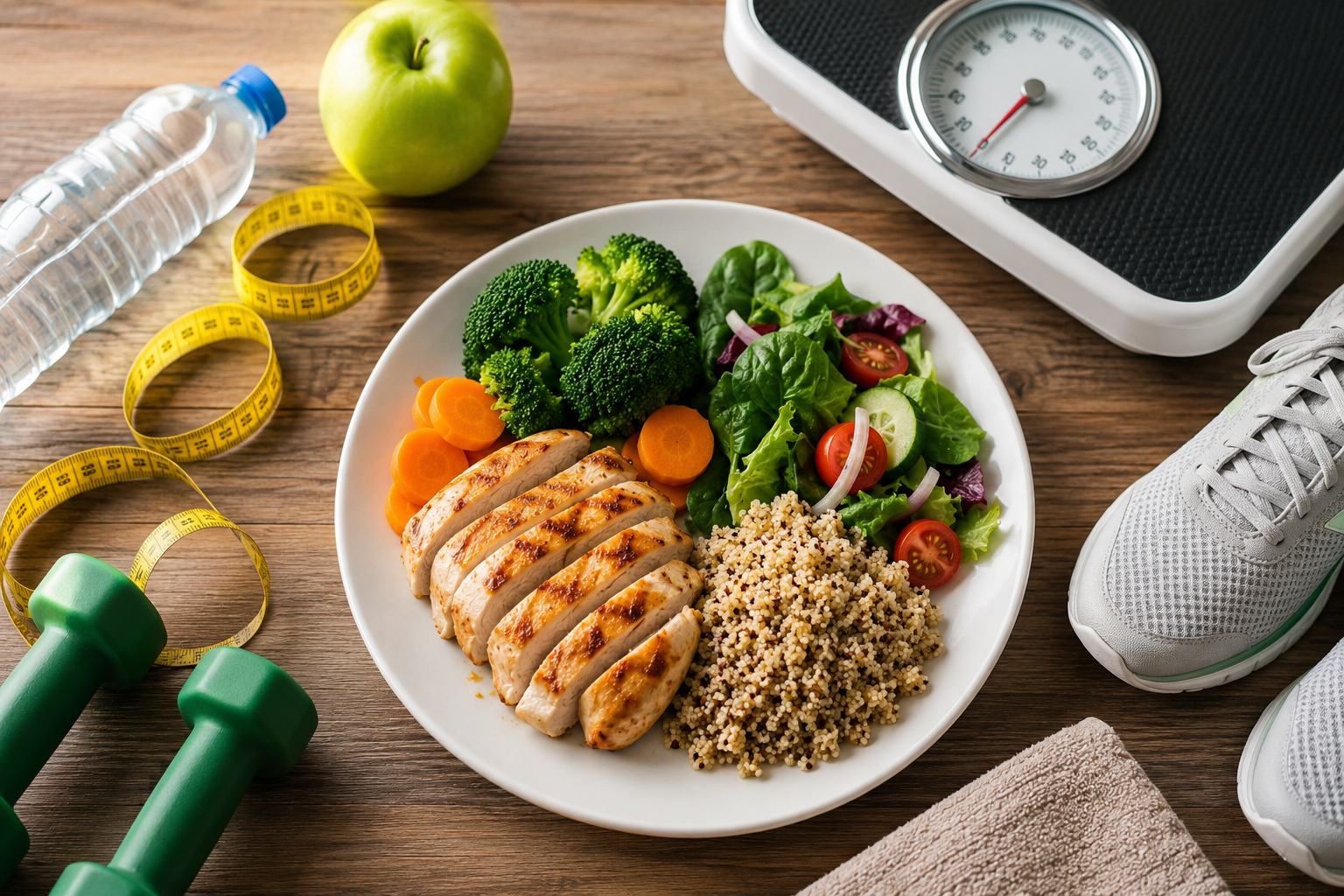
Choose nutrient-dense foods that keep you full.
Protein
- Chicken breast
- Turkey
- Eggs
- Fish
- Greek yogurt
- Cottage cheese
- Tofu
Vegetables
- Broccoli
- Spinach
- Kale
- Lettuce
- Cauliflower
- Peppers
Fruits
- Apples
- Berries
- Oranges
- Kiwi
- Grapefruit
Healthy Fats
- Olive oil
- Avocado
- Nuts
- Seeds
Whole Grains
- Oats
- Brown rice
- Quinoa
Foods to Avoid
- Soda
- Candy
- Pastries
- Fried foods
- Chips
- Alcohol
- White bread
- Ice cream
- Fast food
Sample 7-Day Weight Loss Meal Plan
| Meal | Example |
| Breakfast | Greek yogurt with berries |
| Snack | Apple |
| Lunch | Chicken salad |
| Snack | Almonds |
| Dinner | Salmon and vegetables |
Drink water throughout the day.
Exercise Plan for Maximum Results
Aim for:
- 8,000–12,000 daily steps
- 150 minutes weekly cardio
- 2–3 resistance workouts
- Stretching daily
Resistance training preserves muscle while losing fat.
The Importance of Sleep
Sleep regulates appetite hormones.
Adults should aim for:
- 7–9 hours nightly
Poor sleep increases cravings for high-calorie foods.
Stress Management
Lower stress supports weight loss.
Try:
- Meditation
- Walking
- Reading
- Journaling
- Deep breathing
- Yoga
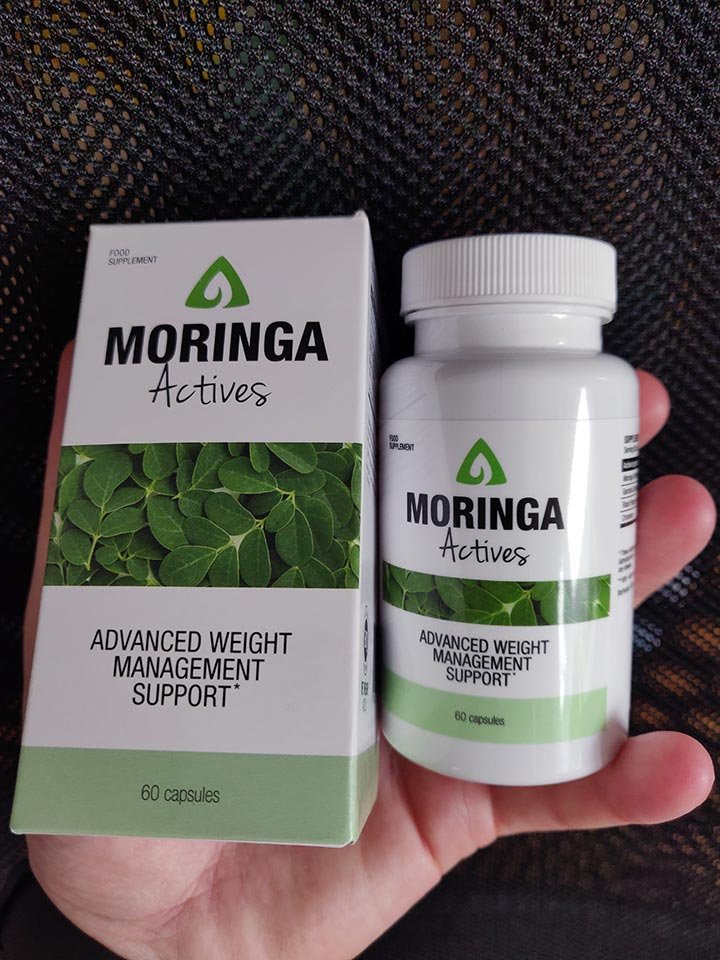
Do Weight Loss Supplements Work?
Many supplements provide minimal benefit.
Some evidence supports:
- Green tea extract
- Caffeine
- Glucomannan fiber
- Protein powder
Always consult a healthcare professional before starting supplements.
Supplements should never replace healthy eating.
Medical Weight Loss Options
For individuals with obesity or obesity-related disease, medical treatment may include:
- Prescription medications
- Behavioral therapy
- Dietitian counseling
- Bariatric surgery for severe obesity
Medical supervision improves safety and long-term success.
Latest Scientific Findings
Recent research emphasizes that:
- High-protein diets improve satiety.
- Resistance training preserves lean muscle.
- Walking after meals improves blood sugar.
- Sleep optimization supports fat loss.
- Ultra-processed foods increase calorie intake.
Sustainable habits consistently outperform crash diets.
Affiliate Product Recommendations
After establishing healthy eating and exercise habits, some products may support your journey:
- High-quality whey protein powder
- Smart body weight scale
- Meal prep containers
- Fitness tracker
- Adjustable dumbbells
- Resistance bands
- Blender for healthy smoothies
- Food scale
Choose products based on quality, reviews, and your personal goals rather than marketing promises.
Practical Checklist
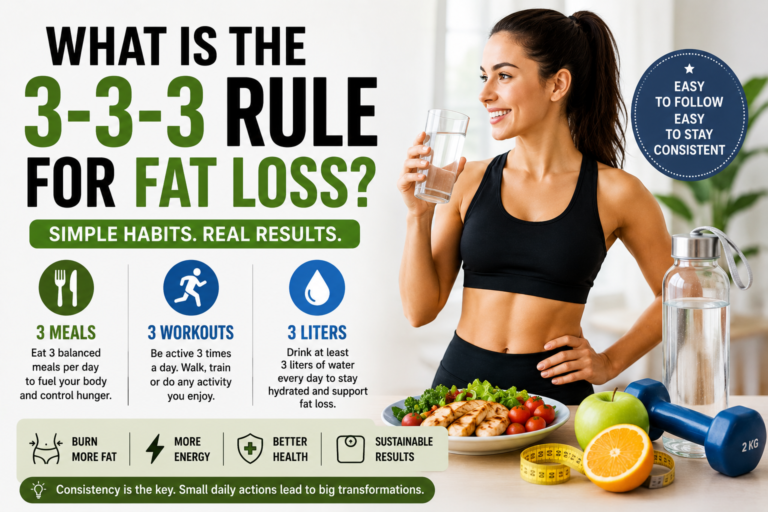
✅ Drink 2–3 liters of water
✅ Eat protein every meal
✅ Walk 10,000 steps
✅ Exercise 30 minutes
✅ Sleep 8 hours
✅ Reduce sugar
✅ Eat vegetables
✅ Avoid liquid calories
✅ Track calories
✅ Manage stress
Frequently Asked Questions
Can I lose 10 pounds in 7 days?
Most of that would be water weight. Sustainable fat loss is much slower.
How much weight can I safely lose in a week?
Most experts recommend around 1–2 pounds of fat loss per week.
Is fasting necessary?
No. A calorie deficit can be achieved without fasting.
Should I avoid carbohydrates completely?
No. Whole grains and fruits can fit into a healthy weight loss plan.
What exercise burns the most fat?
Combining strength training with cardio provides excellent results.
Can drinking water help?
Water may improve fullness and reduce calorie intake.
Are cheat meals allowed?
Occasional flexibility is acceptable, but consistency matters most.
Do fat burners work?
Most provide limited benefits and cannot replace healthy habits.
Is walking enough to lose weight?
Walking combined with calorie control can support meaningful weight loss.
What is the fastest healthy way to lose weight?
A moderate calorie deficit combined with protein-rich nutrition, exercise, hydration, sleep, and stress management offers the safest and most effective approach.
Final Thoughts
If you are wondering how to lose weight in 7 days, remember that one week is only the beginning of your transformation.
Instead of chasing extreme diets or unrealistic promises, focus on evidence-based nutrition, regular exercise, quality sleep, hydration, and consistency. Even modest progress can improve energy, confidence, and long-term health.
The healthiest weight loss journey is not about perfection—it is about building habits you can maintain for life.