How to Lose Weight Without Exercise: 7 Mistakes You Must Avoid

Losing weight often feels like an uphill battle, especially if you hate the gym. Many people believe that grueling workouts are the only way to shed stubborn fat. However, fitness culture has lied to you about how weight loss actually works.
Achieving a caloric deficit is the fundamental driver of fat reduction. You do not need to run miles on a treadmill to trigger this process. In fact, relying solely on exercise often leads to burnout and increased appetite.
By shifting your focus from burning calories to controlling your intake, you can transform your body effortlessly. Let’s expose the hidden traps holding you back and explore the exact science of shedding pounds while staying sedentary.
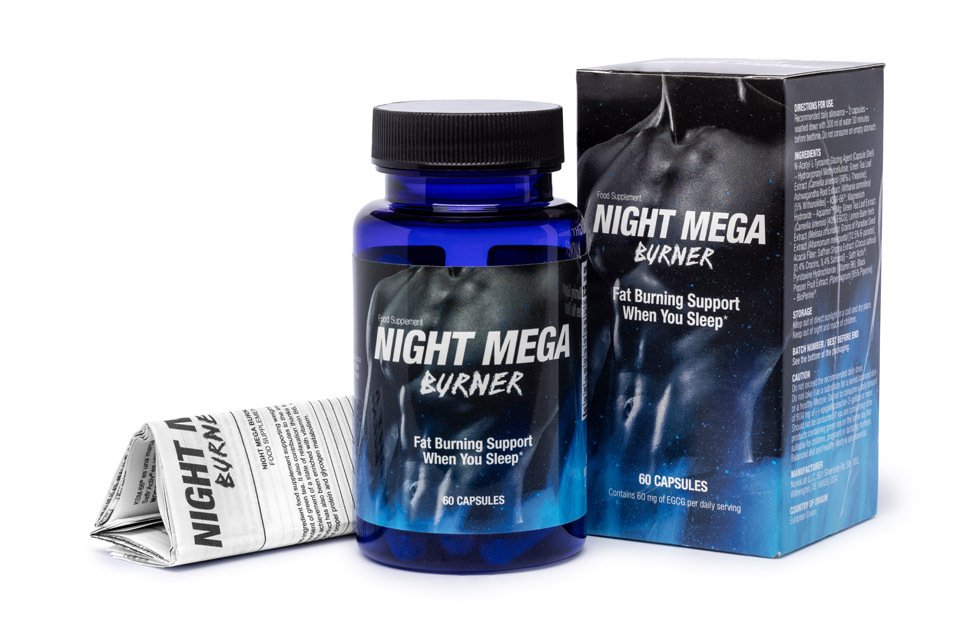
Table of Contents
- The Real Science Behind Sedentary Weight Loss
- Mistake 1: Ignoring the Power of Thermic Effect of Food (TEF)
- Mistake 2: Drinking Your Calories Secretly
- Mistake 3: Underestimating Emotional and Mindless Eating
- Mistake 4: Sacrificing Sleep and Skyrocketing Cortisol
- Mistake 5: Overlooking the Role of Gut Health in Metabolism
- Mistake 6: Eating Refined Carbs That Spike Insulin
- Mistake 7: Neglecting NEAT (Non-Exercise Activity Thermogenesis)
- The Ultimate No-Exercise Weight Loss Routine
- Frequently Asked Questions
The Real Science Behind Sedentary Weight Loss
Your body burns energy constantly just to keep you alive. This baseline energy expenditure is called your Basal Metabolic Rate (BMR). It accounts for roughly 60% to 75% of your total daily energy expenditure.
As the data shows, purposeful exercise contributes surprisingly little to your total daily energy burn. Physical activity is excellent for your cardiovascular health, but nutrition dictates your waistline.
When you understand how your metabolism functions, you can manipulate your daily food intake to force fat loss. (Transitioning to a whole-food diet naturally downregulates your appetite over time.) You simply need to avoid the common nutritional pitfalls that stall progress.
Mistake 1: Ignoring the Power of Thermic Effect of Food (TEF)
Every time you eat, your body expends energy to digest, absorb, and process those nutrients. This process is known as the Thermic Effect of Food (TEF). Different macronutrients require different amounts of energy to break down.
Why Protein Content Is King
Protein has the highest thermic effect of all macronutrients. Your body burns up to 30% of the protein calories you consume just during digestion.
In comparison, carbohydrates require only 5% to 10%, while fats require a mere 0% to 3%. If you do not eat enough protein, your metabolism slows down significantly.
Satiety Signals and Muscle Retention
Protein triggers the release of fullness hormones like peptide YY and GLP-1. These chemical signals tell your brain that you are satisfied, preventing intense cravings.
Furthermore, adequate protein intake preserves lean muscle mass while you lose body fat. Preserving lean muscle tissue keeps your metabolic rate running high naturally.
Mistake 2: Drinking Your Calories Secretly
Liquid calories are the ultimate enemy of effortless weight loss. The human brain does not register liquid calories the same way it registers solid food.
Common Hidden Liquid Calories:
* Flavored Latte: 350 calories
* Sweetened Ice Tea: 150 calories
* Commercial Fruit Juice: 220 calories
* Craft Beer: 200 calories
Drinking a large sweetened beverage can easily add hundreds of extra calories to your daily total. Because these liquids lack dietary fiber, they pass through your digestive system instantly.
The Danger of Fruit Juices
Many people mistakenly assume fruit juice is healthy for weight management. Real fruit contains natural fibers that slow down sugar absorption.
Juicing removes this beneficial fiber matrix completely, leaving behind concentrated fructose. This causes rapid blood glucose spikes and subsequent energy crashes that trigger intense hunger.
Smart Hydration Alternatives
To drop pounds without exercise, you must swap sugary beverages for calorie-free alternatives. Black coffee, green tea, and sparkling water are excellent choices.
Drinking two glasses of water before meals naturally reduces your portion sizes. Herbal teas can also satisfy your sweet tooth without adding extra calories to your day.
Mistake 3: Underestimating Emotional and Mindless Eating
Many people eat out of boredom, stress, or habit rather than true physiological hunger. Mindless eating during screen time can easily derail your progress.
How to Identify True Hunger
True physical hunger develops gradually over several hours and can be satisfied by various food options. Emotional hunger strikes suddenly and creates intense cravings for specific comfort foods.
The Practice of Mindful Eating
To combat emotional eating, practice eating without distractions. Turn off the television and put away your smartphone during meals.
Chew your food thoroughly and savor the actual texture and flavor. This mindful approach allows your stretch receptors to signal satiety to your brain before you overeat.
Mistake 4: Sacrificing Sleep and Skyrocketing Cortisol
Sleep deprivation alters your brain chemistry and directly undermines your weight loss goals. When you sleep poorly, your body suffers from systemic metabolic dysfunction.
The Interplay of Ghrelin and Leptin
A lack of sleep disrupts two vital appetite-regulating hormones: ghrelin and leptin. Ghrelin signals hunger, while leptin signals fullness.
- Ghrelin levels increase drastically when you are sleep-deprived.
- Leptin levels drop significantly, leaving you chronically unsatisfied.
This hormonal imbalance creates intense cravings for high-calorie, sugary foods the following day. Your brain actively seeks quick energy sources to compensate for exhaustion.
Cortisol and Visceral Fat Storage
Chronic sleep restriction elevates your systemic cortisol levels. Cortisol is a major stress hormone that encourages your body to store visceral fat.
Visceral fat wraps around your internal organs and increases systemic inflammation. Prioritizing seven to eight hours of quality sleep stabilizes your fat-burning hormones.
Mistake 5: Overlooking the Role of Gut Health in Metabolism
Your digestive tract houses trillions of microbes that influence how you extract energy from food. An imbalanced gut microbiome can actively promote weight gain.
The Firmicutes to Bacteroidetes Ratio
Scientific studies show that obese individuals often possess a higher ratio of Firmicutes to Bacteroidetes bacteria. Firmicutes are highly efficient at extracting calories from otherwise indigestible carbohydrates.
Microbiome Impact on Weight:
* High Firmicutes: Maximizes calorie extraction and fat storage.
* High Bacteroidetes: Promotes lean body composition and reduces inflammation.
If your gut microbiome is imbalanced, you may absorb more calories from your food than someone with a diverse microbiome. This imbalance can stall your weight loss efforts even if you eat clean.
Cultivating a Lean Microbiome
To optimize your gut health, consume a wide variety of fermentable prebiotic fibers. Foods like garlic, onions, leeks, and asparagus feed beneficial bacteria.
Additionally, incorporate fermented foods like kimchi, kefir, and unpasteurized sauerkraut into your weekly diet. A thriving gut microbiome directly optimizes your metabolic health and insulin sensitivity.
Mistake 6: Eating Refined Carbs That Spike Insulin
Refined carbohydrates cause rapid hormonal shifts that lock your body into a fat-storing state. When you consume white bread, pastries, or chips, your body breaks them down into glucose instantly.
The Insulin Fat-Storage Trap
Your pancreas responds to glucose spikes by releasing large amounts of insulin. Insulin is a highly anabolic hormone responsible for clearing sugar from your bloodstream.
$$Insulin \rightarrow Shuts\ Off\ Lipolysis \rightarrow Promotes\ Lipogenesis$$
As long as your insulin levels remain chronically elevated, your body cannot access stored body fat for fuel. High insulin levels effectively lock your fat cells shut.
Embracing Complex Carbohydrates
To drop pounds effortlessly, replace refined grains with nutrient-dense, complex carbohydrates. Sweet potatoes, quinoa, oats, and legumes digest much slower.
These complex foods provide a steady, sustained release of glucose into your system. This prevents dramatic insulin spikes and allows your body to remain in a fat-burning state for longer periods.
Mistake 7: Neglecting NEAT (Non-Exercise Activity Thermogenesis)
Non-Exercise Activity Thermogenesis (NEAT) represents the energy expended for everything we do that is not sleeping, eating, or sports-like exercise. It includes walking, typing, fidgeting, and cleaning.
The Impact of Modern Sedentary Lifestyles
Modern desk jobs have caused daily NEAT levels to plummet across the population. Sitting completely still for eight hours straight reduces your metabolic rate to a crawl.
Even if you do not perform structured workouts, increasing your daily movement matters immensely. Small adjustments can add up to hundreds of burned calories each week.
Easy Ways to Boost Your NEAT
You can boost your NEAT without ever stepping foot inside a traditional gym setting. Consider utilizing a standing desk or taking short walking breaks every single hour.
Park your car farther away from store entrances to accumulate extra steps naturally. Consistently increasing your daily movement significantly accelerates your long-term fat loss progress.
The Ultimate No-Exercise Weight Loss Routine
Losing weight without working out requires structured dietary habits and strategic lifestyle modifications. Use this simple daily blueprint to maximize your results.
Your Morning Metabolic Blueprint
Start your morning by drinking a large glass of filtered water to rehydrate your body. Consume a high-protein breakfast containing at least 30 grams of protein, such as eggs or Greek yogurt.
Avoid adding sugary syrups or creamers to your morning coffee. Focus on standing or pacing during your morning phone calls to activate your NEAT early in the day.
Your Afternoon and Evening Strategy
For lunch and dinner, fill half of your plate with non-starchy, fibrous vegetables like spinach or broccoli. Prioritize lean proteins and healthy fats like avocados or olive oil to prolong satiety.
Stop eating at least three hours before your bedtime to allow your insulin levels to drop completely. Finally, disconnect from electronic screens early to ensure deep, restorative sleep.
Looking for an Extra Edge?
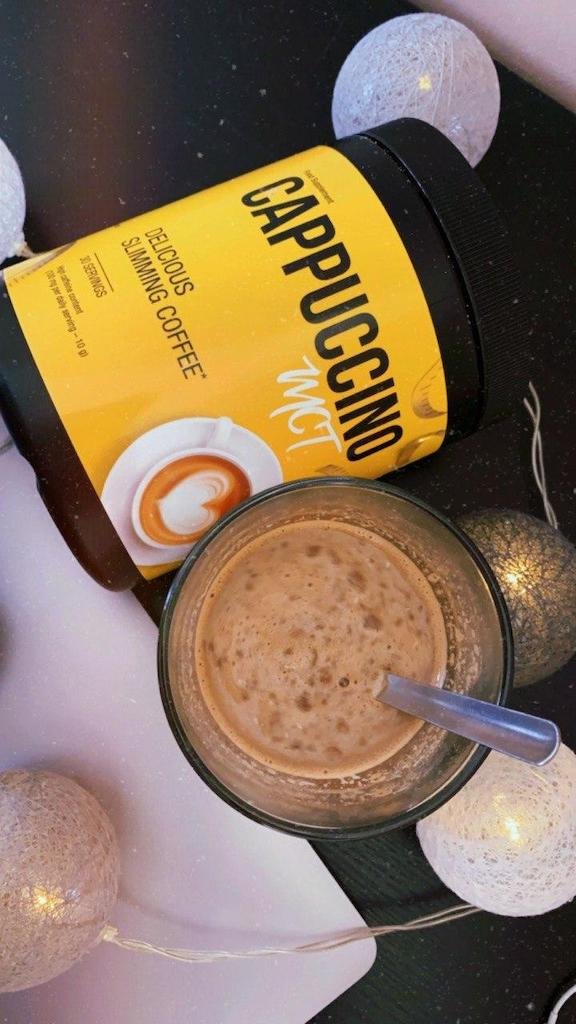
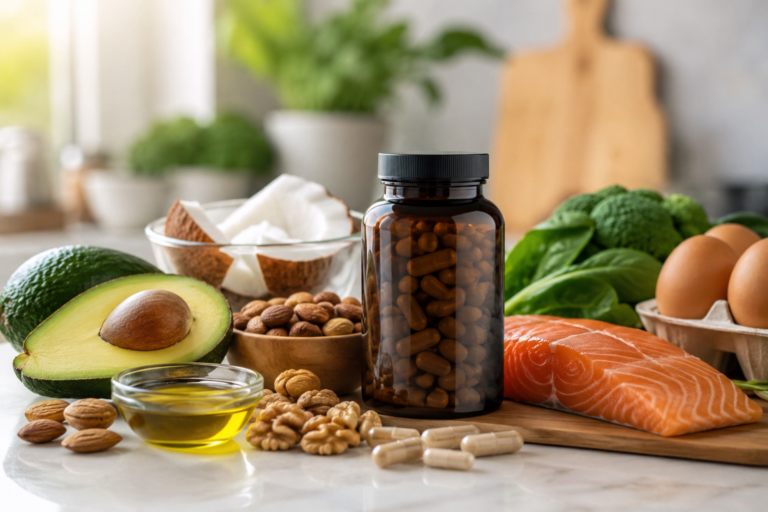
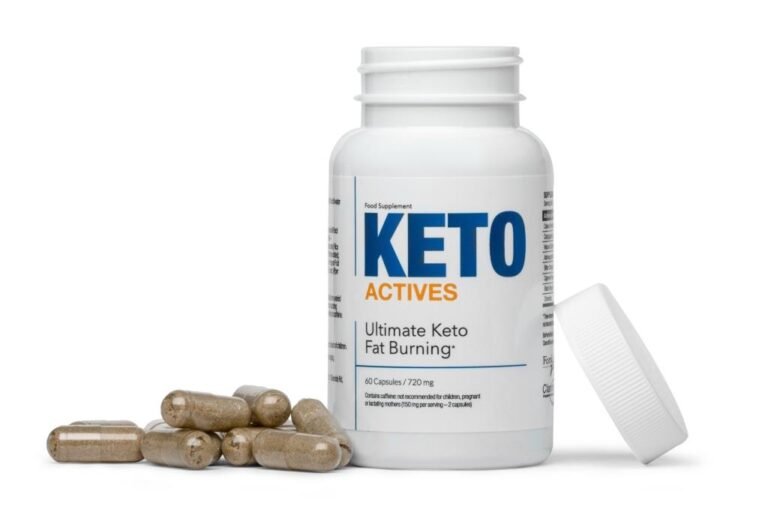
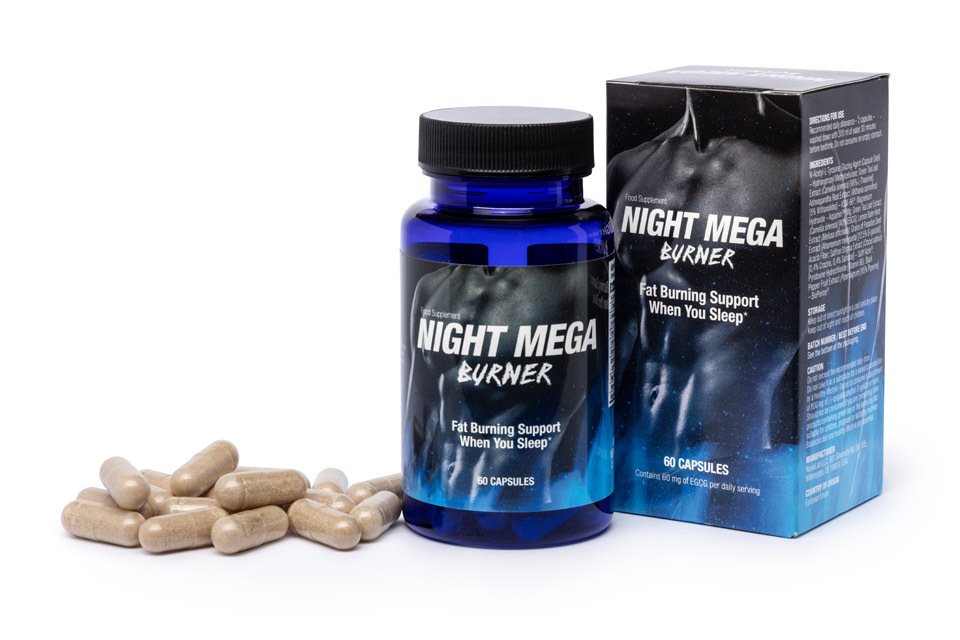
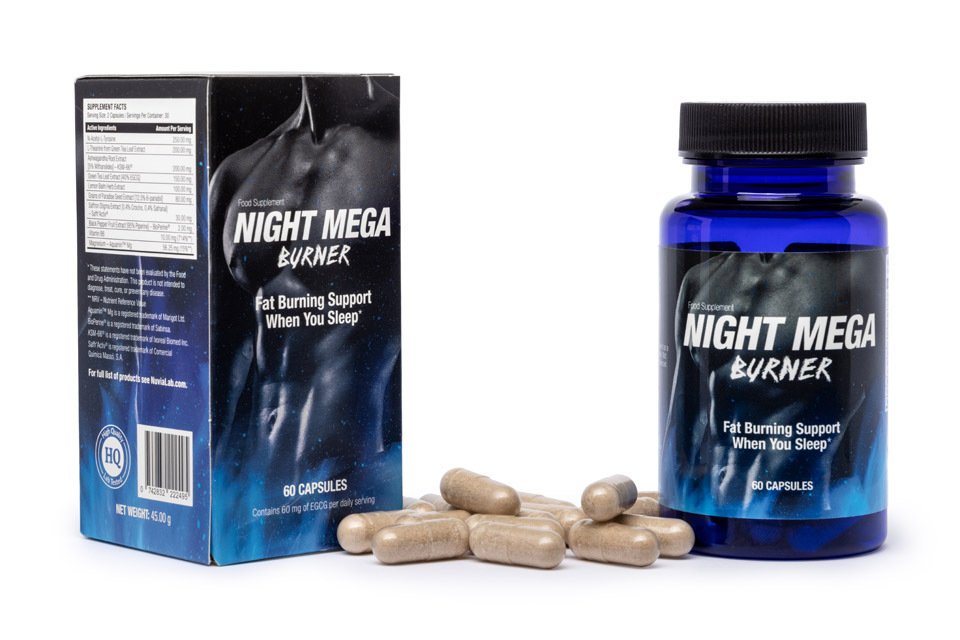
If you want to optimize your results naturally, incorporating a high-quality dietary supplement can provide extra support. Clinical weight management supplements can help curb stubborn cravings and support metabolic health when paired with a balanced diet.
Frequently Asked Questions
Can you actually lose weight without exercising?
Yes, you can absolutely lose weight without performing any traditional exercise. Weight loss is fundamentally governed by a caloric deficit, meaning you must consume fewer calories than your body burns. Because your diet dictates the vast majority of your caloric intake, managing your food choices is the most effective way to drop pounds.
How fast can I lose weight by just changing my diet?
A safe and sustainable rate of fat loss is roughly 1 to 2 pounds per week. Losing weight faster than this often results in muscle loss and nutritional deficiencies. Consistency with whole foods will yield visible changes within the first few weeks.
What foods should I avoid to lose weight without working out?
You should eliminate refined carbohydrates, sugary beverages, ultra-processed snacks, and trans fats. These foods spike your blood sugar rapidly, trigger intense cravings, and fail to provide long-lasting satiety. Focus instead on single-ingredient, nutrient-dense options.
Does drinking water help you lose weight?
Yes, drinking water supports weight loss by naturally boosting your metabolic rate and enhancing satiety. Drinking water before meals fills your stomach volume, which helps prevent overeating. It also ensures your liver can process stored fat efficiently.
Why am I not losing weight even though I eat healthy?
You may be consuming too many calories from calorie-dense healthy foods like nuts, avocados, or olive oil. Additionally, chronic stress, poor sleep, or hidden liquid calories can completely stall your progress. Tracking your portion sizes carefully can help identify these hidden imbalances.
Conclusion
Losing weight without exercise is completely achievable when you optimize your nutrition and lifestyle habits. By avoiding refined carbohydrates, prioritizing dietary protein, improving your sleep, and boosting your NEAT, you can transform your health. Focus on sustainable, long-term habits rather than temporary fixes to maintain your hard-earned results.
Medical Disclaimer
The information provided in this article is for educational and informational purposes only. It is not intended as medical advice. Always consult with a qualified healthcare professional or physician before making any drastic changes to your diet, supplement regimen, or lifestyle.