Hair Loss Causes: The Surprising Reasons Your Hair Is Thinning
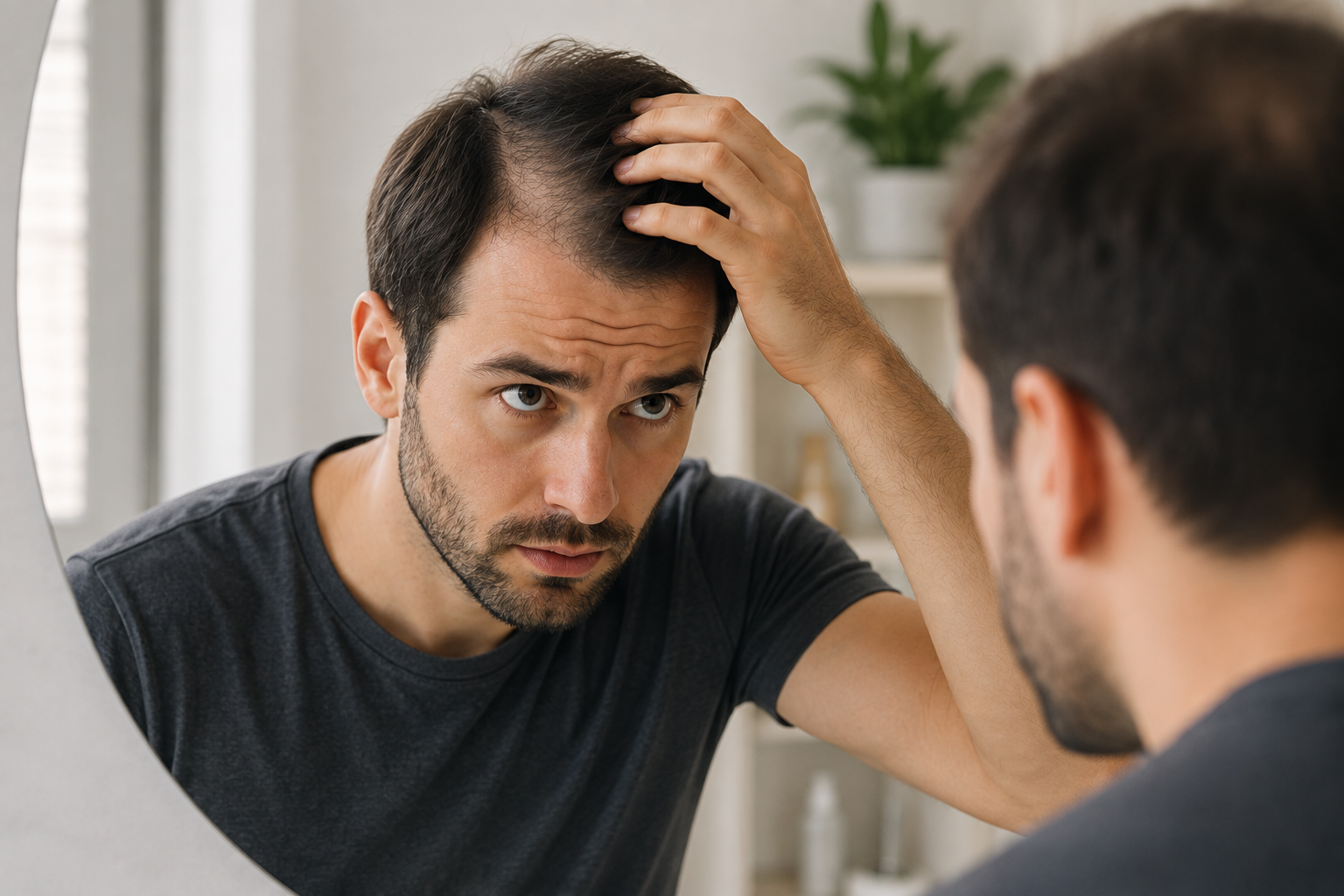
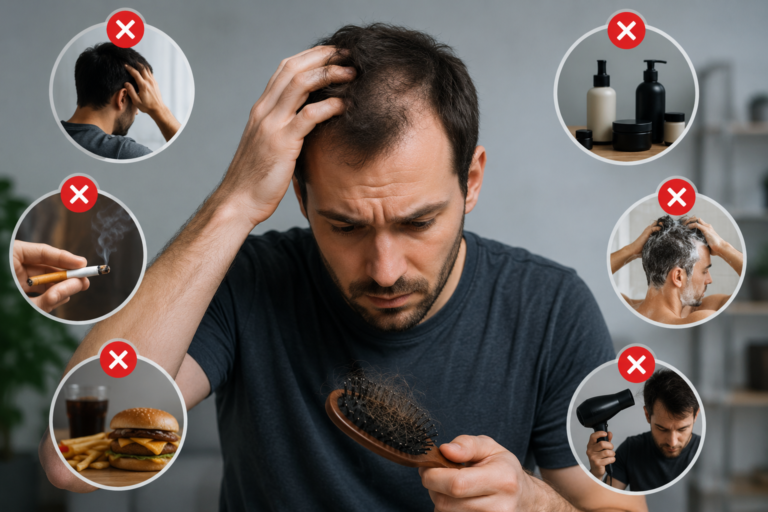
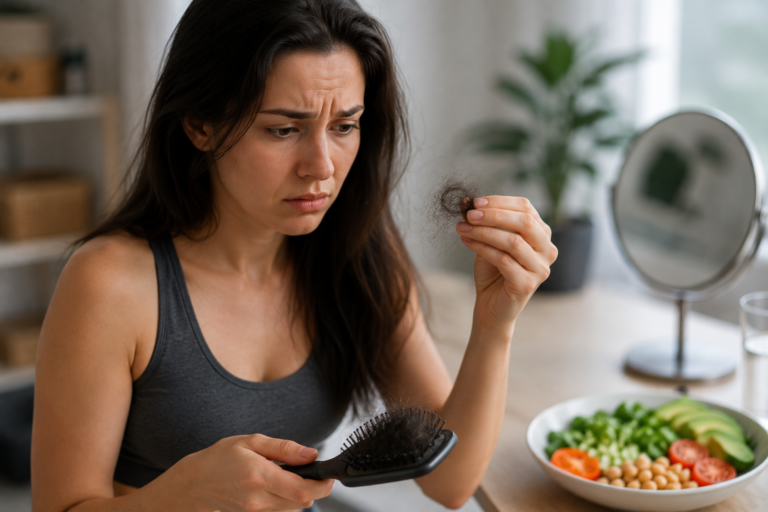
Seeing more hair than usual in your shower, on your pillow, or on your hairbrush can be worrying.
But hair loss does not always have one simple cause.
Genetics, stress, illness, hormonal changes, nutritional problems, medications, and certain scalp conditions can all affect the hair-growth cycle.
Sometimes increased shedding is temporary. In other cases, gradual thinning can be a sign of a longer-term type of hair loss.
Understanding why your hair is falling out is therefore more useful than simply trying different hair products without knowing what is causing the problem.
In this guide, we explain some of the most common causes of hair loss and the signs that can help you understand what may be happening.
Is It Normal to Lose Hair Every Day?
Yes.
Hair naturally goes through cycles of growth, resting, and shedding. The American Academy of Dermatology notes that losing around 50 to 100 hairs a day can be normal. The important thing is not necessarily how many hairs you see in your brush.
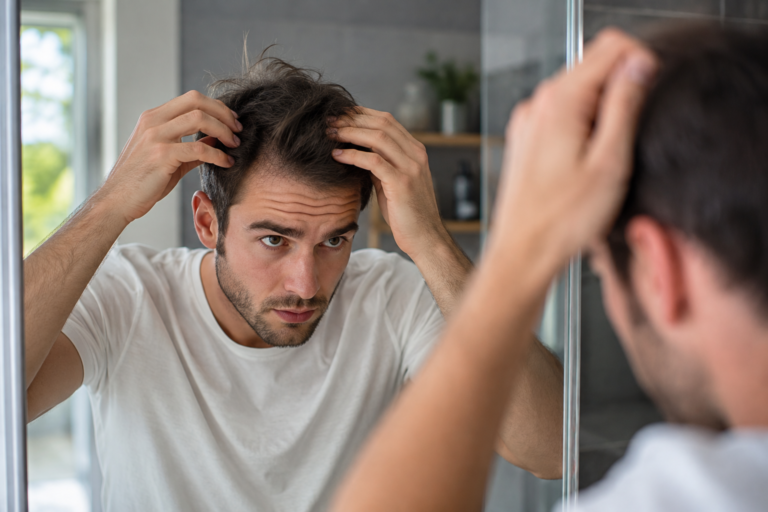
Instead, pay attention to whether your overall hair density is changing.
A receding hairline, widening area of visible scalp, bald patch, or gradual reduction in hair thickness may be more significant than seeing a few extra loose hairs.
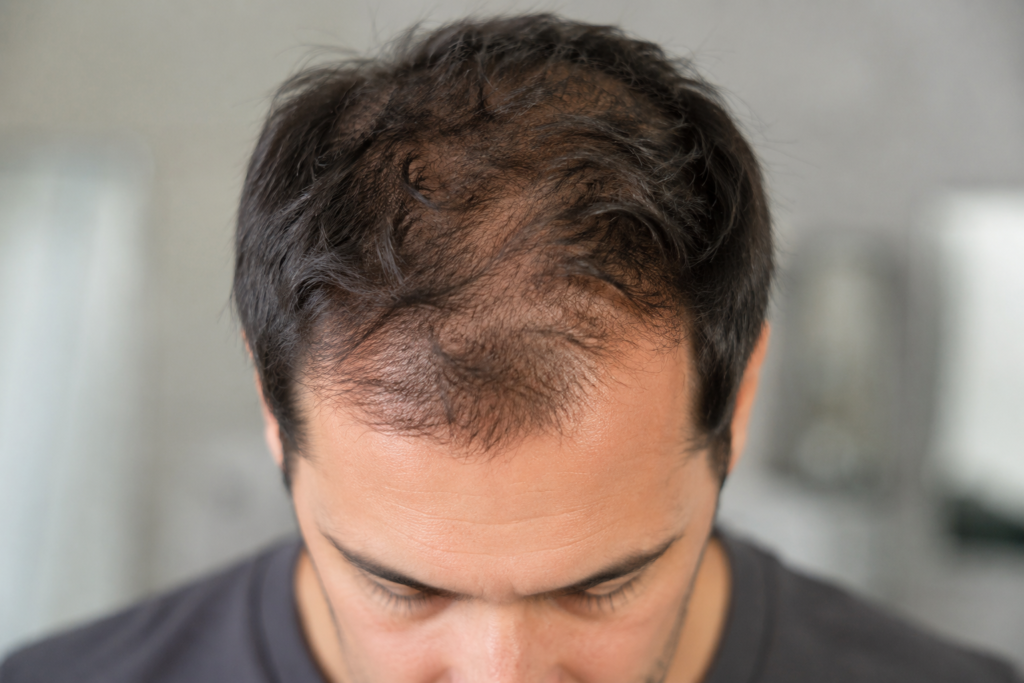
1. Hereditary Hair Loss
Genetics are one of the most common causes of hair loss.
Hereditary hair loss can affect both men and women.
In men, it often appears as:
- A receding hairline
- Thinning around the crown
- Gradual reduction in hair density
- Finer hairs on the top of the scalp
In women, it more commonly appears as overall thinning or a widening part.
This type of hair loss happens because genetically susceptible hair follicles gradually become smaller and produce finer hairs.
2. Stress and Major Life Events
Stress can affect the hair-growth cycle.
Some people notice increased shedding after a period of significant physical or psychological stress.
This type of shedding can occur after events such as:
- Severe emotional stress
- Major illness
- High fever
- Surgery
- Significant physical stress
The interesting part is that the increased shedding may not happen immediately.
Some people notice more hair falling out weeks or months after the stressful event.
When the underlying trigger is temporary, excessive shedding can also improve over time.
3. Illness or High Fever
A major illness can sometimes affect the normal hair-growth cycle.
Some people notice increased shedding several months after recovering from an illness.
This does not necessarily mean the hair follicles are permanently damaged.
In many cases, the hair cycle can gradually return toward normal after the body recovers.
If you notice significant shedding after being sick, think about what happened during the previous few months rather than only looking at what happened recently.
4. Nutritional Deficiencies
Your hair follicles require adequate nutrients to function normally.
Insufficient amounts of certain nutrients, including iron, protein, zinc, or biotin, can be associated with noticeable hair loss.
However, this does not mean that everyone experiencing hair loss needs a hair supplement.
Taking large amounts of certain vitamins or minerals without knowing whether you are deficient can actually be harmful.
The American Academy of Dermatology recommends finding out whether you have a nutritional deficiency before taking supplements specifically for hair growth. A balanced diet should therefore be the starting point for most people.
5. Hormonal Changes
Hormones can influence the hair-growth cycle.
Hormonal changes can occur for different reasons and may contribute to thinning or shedding.
For example, certain hormonal conditions can cause noticeable changes in hair density.
If hair loss occurs together with other unusual symptoms, it can be useful to discuss the changes with a healthcare professional.
Finding the underlying cause is more important than simply treating the visible hair loss.
6. Thyroid Problems
The thyroid plays an important role in many processes throughout the body.
Thyroid disease can sometimes be associated with thinning hair or increased shedding.
Some people with thyroid problems may notice that their hair becomes thinner across the scalp rather than losing hair in one clearly defined area.
If you also have other symptoms that could suggest a thyroid problem, a healthcare professional can determine whether testing is appropriate.
7. Medications
Some medications can cause hair loss as a possible side effect.
If you started noticing significant hair shedding after beginning a new medication, do not stop taking the medication on your own.
Instead, speak with the healthcare professional who prescribed it.
They can determine whether hair loss is a known side effect and whether another approach is appropriate.
8. Hair Damage and Styling
Hair care itself can sometimes contribute to hair problems.
Repeated chemical treatments, excessive heat, aggressive brushing, and other damaging practices can weaken the hair.
Very tight hairstyles can also repeatedly pull on the hair follicles.
This type of damage is known as traction alopecia, and prolonged pulling can sometimes cause permanent hair loss.
If a hairstyle causes pain or discomfort on your scalp, it may be too tight.
9. Scalp Conditions
Problems affecting the scalp can also contribute to hair loss.
For example, certain scalp infections can cause scaling, inflammation, and areas of hair loss.
Other scalp conditions can also interfere with normal hair growth.
If you notice significant itching, redness, scaling, pain, or unusual bald patches, it is better to have the scalp examined rather than assuming the problem is simply genetic hair loss.
10. Alopecia Areata
Alopecia areata is different from ordinary gradual thinning.
It is an autoimmune condition in which the immune system attacks hair follicles.
One common sign is the sudden appearance of round or oval bald patches.
Hair can be lost from the scalp and, in some cases, other areas such as the eyebrows or beard.
Because different types of hair loss require different approaches, sudden bald patches should be evaluated by a healthcare professional.
How Can You Tell What Is Causing Your Hair Loss?
Looking at the pattern and timing can provide useful clues.
Ask yourself:
- Did the hair loss start suddenly or gradually?
- Is the entire scalp affected?
- Is the hairline receding?
- Is the crown becoming thinner?
- Are there round bald patches?
- Did the shedding start after an illness?
- Have you experienced significant stress?
- Did you recently change your diet?
- Did you start taking a new medication?
- Is your scalp itchy, painful, or inflamed?
These questions cannot diagnose the cause by themselves.
However, they can help you describe the problem more accurately when speaking with a dermatologist.
What Should You Do If Your Hair Is Thinning?
The first step is not necessarily buying another hair product.
The first step is understanding why the hair is thinning.
A dermatologist can examine your scalp and hair pattern and, when appropriate, may recommend additional tests if they suspect a nutritional deficiency, hormonal problem, infection, or another medical cause.
In some cases, treatment may not even be necessary because temporary shedding can resolve on its own.
In other cases, early treatment can help slow or manage progressive hair loss.
Simple Hair-Care Habits That May Help
While good hair care cannot prevent every type of hair loss, it can help reduce unnecessary damage.
Consider:
- Brushing gently
- Avoiding excessive heat
- Avoiding very tight hairstyles
- Treating wet hair carefully
- Eating a balanced diet
- Getting enough protein
- Avoiding unnecessary high-dose supplements
- Keeping the scalp clean
- Paying attention to changes in hair density
The American Academy of Dermatology specifically recommends gentle hair care and avoiding practices that can cause additional damage or pulling.
When Should You See a Dermatologist?
You should consider professional evaluation if:
- Hair loss is sudden
- You develop bald patches
- Your hairline is rapidly receding
- Your scalp is painful or inflamed
- You have significant itching or scaling
- Your hair is becoming progressively thinner
- You are losing hair in unusual areas
- You are concerned about persistent shedding
The reason is simple: hair loss has many possible causes.
The earlier the cause is identified, the easier it can be to choose an appropriate approach.
Frequently Asked Questions
Why is my hair falling out more than usual?
Increased shedding can have many causes, including stress, illness, hormonal changes, nutritional deficiencies, medications, and genetic hair loss.
Can stress cause hair loss?
Yes. Significant physical or psychological stress can sometimes trigger increased hair shedding.
Can a vitamin deficiency cause hair loss?
Certain nutritional deficiencies, including insufficient iron, protein, zinc, or biotin, can be associated with hair loss. However, supplements should not be taken in high doses without knowing whether a deficiency exists.
Is hair loss always permanent?
No. Some types of shedding are temporary and can improve when the underlying trigger resolves. Other forms, particularly some hereditary or scarring conditions, may require treatment to prevent further loss.
Does shampoo cause hair loss?
Normal shampooing does not automatically mean that you are losing hair permanently. However, harsh hair-care practices and certain types of damage can contribute to breakage or hair problems.
What is the most common cause of hair loss?
Hereditary hair loss is one of the most common causes worldwide. It can affect both men and women.
Final Thoughts
Hair loss can happen for many different reasons, and the same symptom can have completely different causes from one person to another.
Genetics, stress, illness, nutritional deficiencies, hormonal changes, medications, scalp conditions, and damaging hair-care practices can all play a role.
The most useful step is therefore to look beyond the loose hairs themselves and pay attention to the pattern, timing, and overall change in hair density.
If your hair loss is sudden, progressive, or accompanied by scalp symptoms, consider speaking with a dermatologist.