7 Powerful Vitamins for Thicker Hair: What You Need to Know
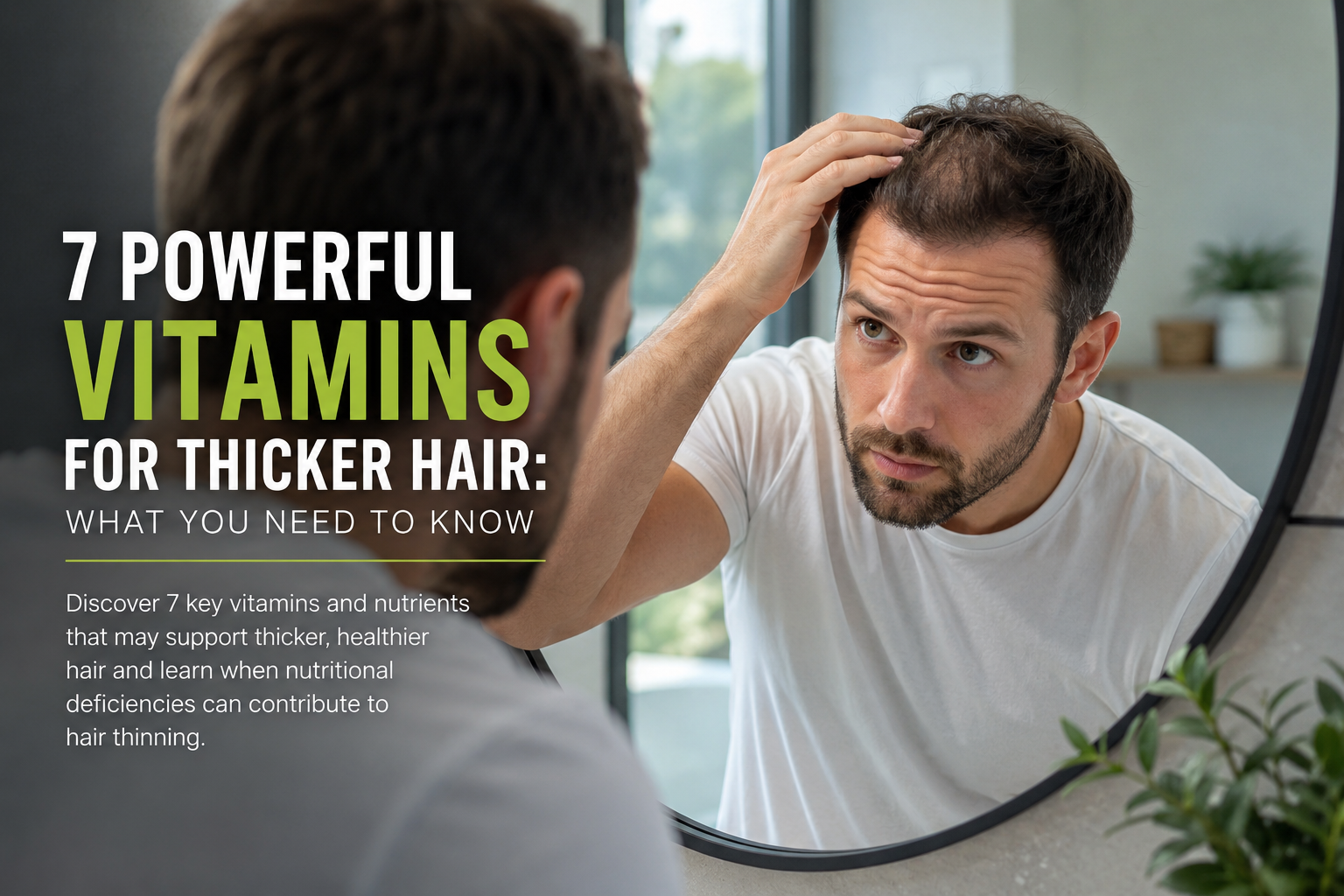
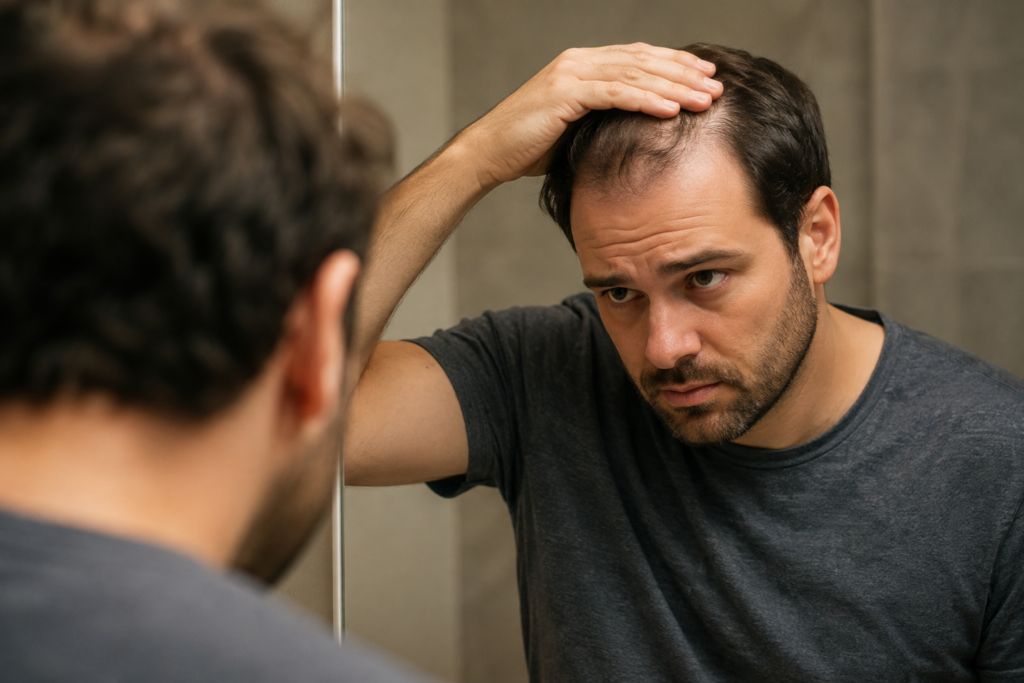
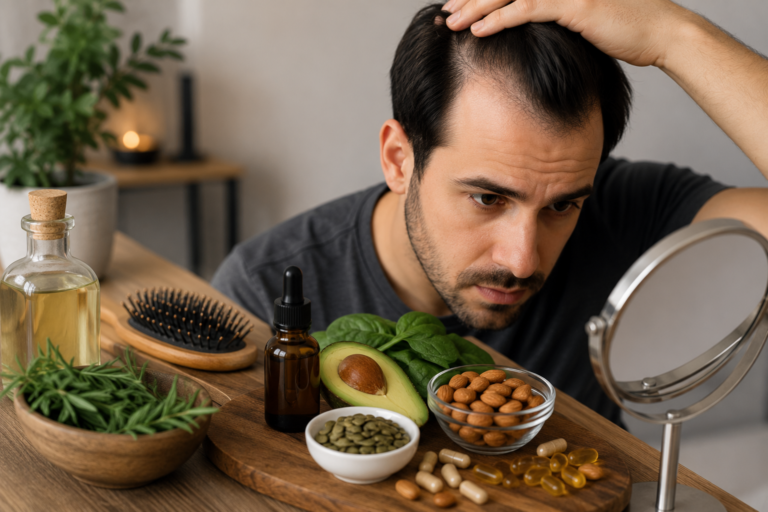
If your hair looks thinner than it used to, you may be wondering whether your diet could be part of the problem.
Hair follicles need a steady supply of nutrients to support normal growth and maintain healthy hair strands. When the body is deficient in certain vitamins or minerals, hair shedding or thinning can sometimes become more noticeable.
So, what vitamins help hair grow thicker?
Several nutrients have been studied for their relationship with hair health, including vitamin D, iron, zinc, vitamin C, vitamin B12, folate, and other B vitamins. However, vitamins are not a universal treatment for hair loss. Their greatest benefit is likely to occur when a person has an actual nutritional deficiency.
In this guide, we’ll look at 7 key vitamins and nutrients for thicker-looking hair, the foods that contain them, and what you should know before taking supplements.
Can Vitamins Really Make Hair Thicker?
Vitamins cannot automatically make everyone’s hair grow faster or thicker.
Hair thinning can have many causes, including genetics, hormonal changes, stress, illness, medications, aging, and nutritional deficiencies.
However, nutrition plays an important role in normal hair follicle function. Research has found associations between certain micronutrient deficiencies and hair loss, particularly involving nutrients such as vitamin D and iron.
This means that correcting a nutritional deficiency may help improve hair health in some people.
The important point is that more vitamins do not necessarily mean more hair. Taking excessive amounts of certain nutrients can actually be harmful.
1. Vitamin D
Vitamin D is one of the most frequently studied nutrients in relation to hair loss.
Hair follicles have vitamin D receptors, and vitamin D is involved in several biological processes related to the hair follicle cycle.
Some studies have found lower vitamin D levels in people experiencing different forms of hair loss. However, researchers continue to study whether correcting vitamin D deficiency directly improves hair growth.
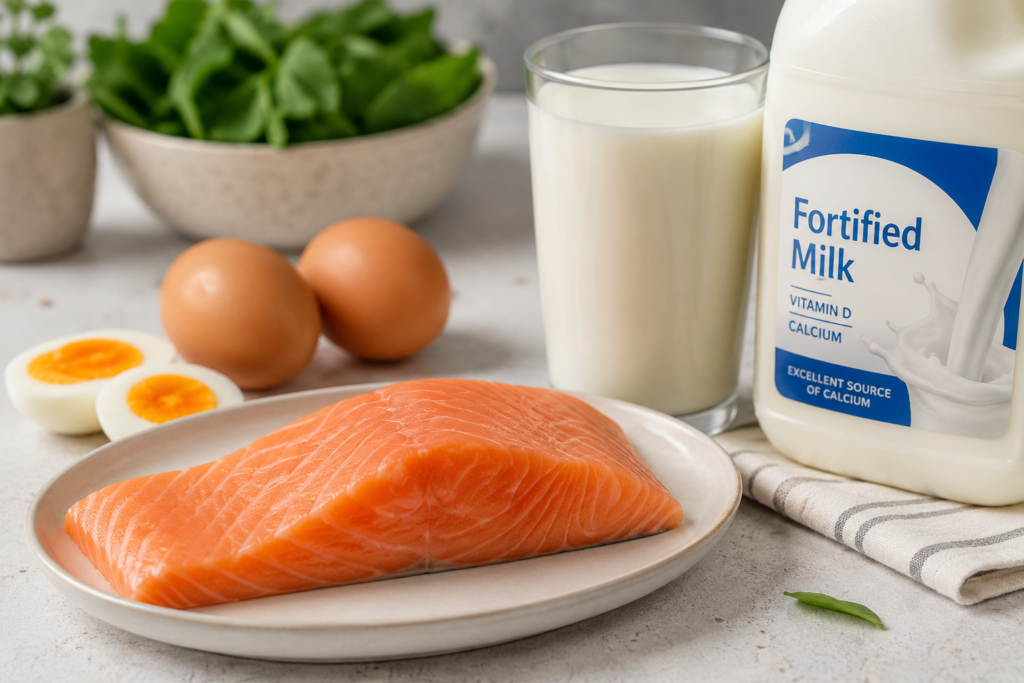
Good food sources of vitamin D include:
- Salmon
- Sardines
- Egg yolks
- Fortified milk
- Fortified cereals
Spending time outdoors can also contribute to vitamin D production, although factors such as skin type, season, location, and sun exposure affect how much vitamin D the body produces.
If you are experiencing significant hair shedding, a healthcare professional can determine whether testing vitamin D levels makes sense for you.
2. Iron
Iron is another important nutrient when it comes to hair health.
Your body needs iron to produce hemoglobin, a protein in red blood cells that helps transport oxygen throughout the body.
Low iron stores, particularly low ferritin, have been associated with diffuse hair loss in some people. Research has found lower ferritin levels among certain patients with hair loss, although the relationship is not identical for everyone.
Foods containing iron include:
- Lean red meat
- Lentils
- Beans
- Spinach
- Oysters
- Fortified cereals
Vitamin C can also help the body absorb iron from plant-based foods.
If you suspect that low iron may be contributing to hair thinning, it is better to have your iron status evaluated rather than taking iron supplements blindly.
3. Zinc
Zinc plays an important role in normal cell growth and repair.
Because hair follicles are highly active tissues, adequate zinc is important for maintaining normal follicle function.
Research has investigated the relationship between zinc levels and hair loss, although the evidence is not strong enough to suggest that everyone with thinning hair should take zinc supplements.
Foods rich in zinc include:
- Oysters
- Beef
- Pumpkin seeds
- Chickpeas
- Cashews
- Dairy products
A balanced diet usually provides enough zinc for most people.
4. Vitamin C
Vitamin C is best known for supporting the immune system, but it also has an important role in collagen production and iron absorption.
This makes vitamin C particularly interesting for people whose diets are low in iron-rich foods.
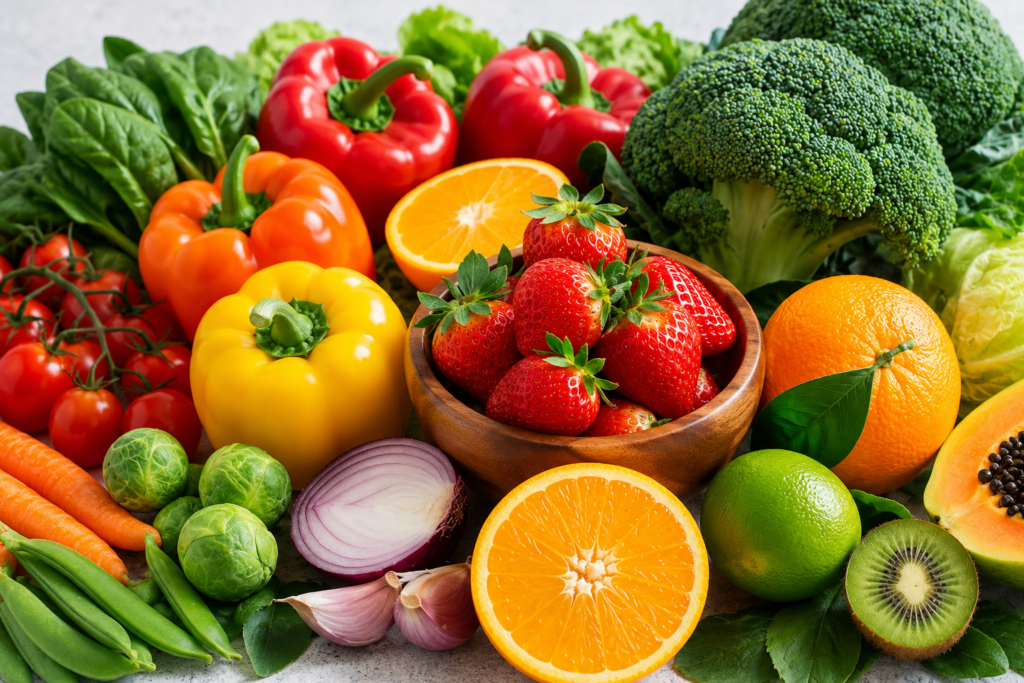
Excellent sources include:
- Oranges
- Strawberries
- Kiwi
- Bell peppers
- Broccoli
- Tomatoes
Eating vitamin C-rich foods together with plant sources of iron may help improve iron absorption.
For example, you could combine lentils with bell peppers or spinach with tomatoes as part of a balanced meal.
5. Vitamin B12
Vitamin B12 helps the body produce healthy red blood cells and supports normal cell function.
Because rapidly growing tissues require adequate nutrients, researchers have examined whether B12 deficiency may be associated with hair problems.
However, not everyone experiencing hair loss has a vitamin B12 deficiency.
People following strict vegan diets may have a higher risk of B12 deficiency because natural food sources are primarily animal-based.
Foods containing vitamin B12 include:
- Fish
- Eggs
- Milk
- Yogurt
- Meat
- Fortified cereals
If your diet contains very little or no animal products, discussing B12 intake with a healthcare professional may be worthwhile.
6. Folate
Folate, also known as vitamin B9, is essential for DNA production and normal cell division.
Because hair follicles contain rapidly dividing cells, researchers have investigated folate and other B vitamins in relation to hair health.
However, current evidence does not show that everyone with hair loss needs folate supplementation. The priority should be identifying and correcting an actual deficiency when one exists.
Natural sources of folate include:
- Spinach
- Broccoli
- Lentils
- Beans
- Avocado
- Asparagus
Adding a variety of these foods to your diet can help provide folate naturally.
7. Biotin
Biotin is one of the most commonly marketed vitamins for hair growth.
It is involved in several metabolic processes and contributes to normal keratin production.
However, there is an important distinction between treating a biotin deficiency and taking large amounts of biotin when you are not deficient.
Biotin deficiency can cause hair problems, but evidence does not currently support routine high-dose biotin supplementation as a treatment for common pattern hair loss in people without a deficiency. The American Academy of Dermatology notes that biotin deficiency is rare and that evidence for hair supplements is inconsistent.
Biotin can be found naturally in foods such as:
- Eggs
- Nuts
- Seeds
- Salmon
- Sweet potatoes
- Legumes
It’s also important to know that high-dose biotin supplements can interfere with certain laboratory tests.
What Foods Are Best for Thicker-Looking Hair?
Instead of focusing on one “miracle” vitamin, it may be more useful to build a diet containing a wide variety of nutrients.
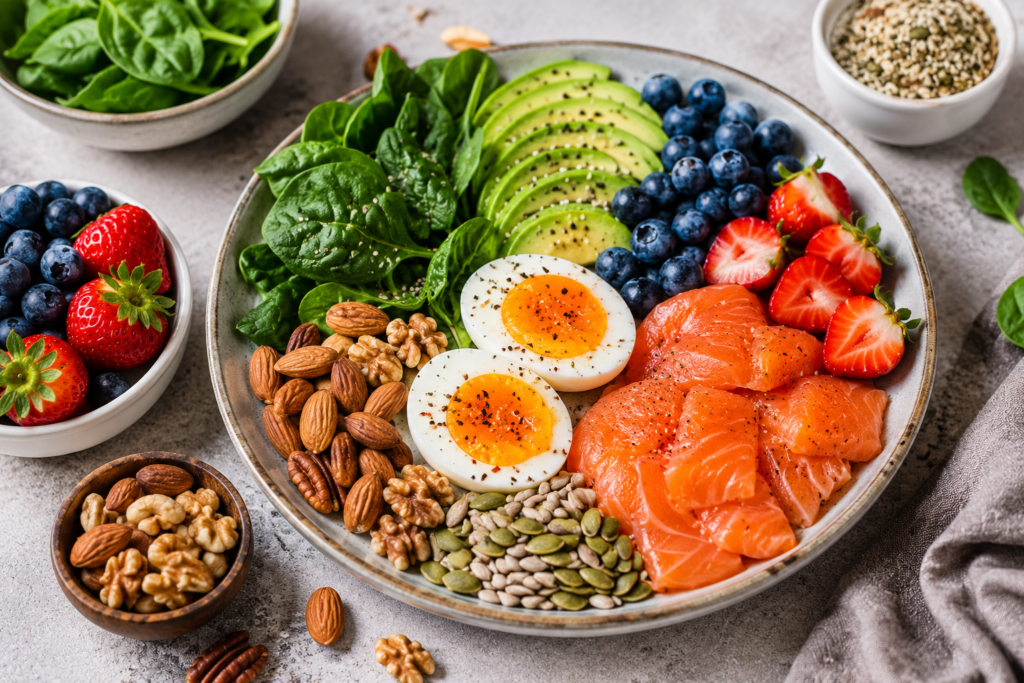
Some foods that can support overall hair nutrition include:
- Eggs
- Salmon
- Greek yogurt
- Lentils
- Spinach
- Avocados
- Berries
- Nuts
- Seeds
- Sweet potatoes
- Beans
- Citrus fruits
A balanced diet provides protein, vitamins, minerals, healthy fats, and other nutrients that the body needs for normal hair and skin function.
What If Your Hair Is Still Thinning?
If your hair continues to become thinner despite eating a balanced diet, vitamins may not be the main issue.
Hair loss can have many different causes.
For example, genetics can cause androgenetic alopecia, while sudden shedding can occur after significant stress, illness, weight loss, or other changes in the body.
Some medications and medical conditions can also contribute to hair shedding.
That is why persistent or sudden hair loss deserves proper evaluation rather than relying only on supplements.
A healthcare professional may consider your symptoms, medical history, diet, medications, and, in some situations, blood tests to identify possible nutritional or medical factors.
Should You Take Vitamins for Hair Growth?
Not necessarily.
If testing shows that you have a nutritional deficiency, correcting it may be an important part of improving your overall health and potentially addressing related hair problems.
But taking large doses of vitamins without knowing whether you need them is not always helpful.
In fact, excessive amounts of some nutrients can cause problems. For example, excessive vitamin A or selenium intake has been associated with hair loss, while high-dose biotin can interfere with laboratory tests.
The goal should therefore be adequate nutrition, not megadoses.
If you’re also interested in a daily hair-care routine for thinning hair, you can [learn more about options for supporting healthier-looking hair here].
Frequently Asked Questions
What vitamins help hair grow thicker?
Vitamin D, iron, zinc, vitamin C, vitamin B12, folate, and biotin are among the nutrients commonly discussed in relation to hair health. Their importance depends on individual nutritional status and the underlying cause of hair thinning.
What is the best vitamin for thicker hair?
There is no single vitamin that works best for everyone. If hair thinning is related to a deficiency, correcting that specific deficiency may be more useful than taking a general hair supplement.
Can vitamin D deficiency cause hair thinning?
Low vitamin D levels have been associated with several types of hair loss, although researchers are still studying how directly vitamin D deficiency contributes to hair loss and whether supplementation improves hair growth.
Does biotin make hair grow faster?
Biotin is important for normal body function, but there is not strong evidence that high-dose biotin makes hair grow faster in people who are not deficient.
How long does it take to see improvement?
Hair grows slowly, so changes in hair density generally take time. If a nutritional deficiency is contributing to hair problems, improvement may take several months after the underlying issue is addressed.
When should you see a doctor about hair loss?
Consider professional evaluation if hair loss is sudden, severe, patchy, associated with scalp symptoms, or continues without an obvious explanation.
Final Thoughts
If you’re searching for vitamins for thicker hair, it’s important to look beyond marketing claims.
Vitamin D, iron, zinc, vitamin C, vitamin B12, folate, and biotin all have roles in normal nutrition and hair biology, but supplements are not a universal solution for hair loss.
The best approach is to maintain a varied, nutrient-rich diet and investigate possible deficiencies when symptoms or risk factors suggest one.
If your hair continues to thin, identifying the underlying cause is more important than simply taking more vitamins.
Healthy hair starts with healthy follicles, and healthy follicles need adequate nutrition.