9 Shocking Causes of Hair Loss You Should Never Ignore

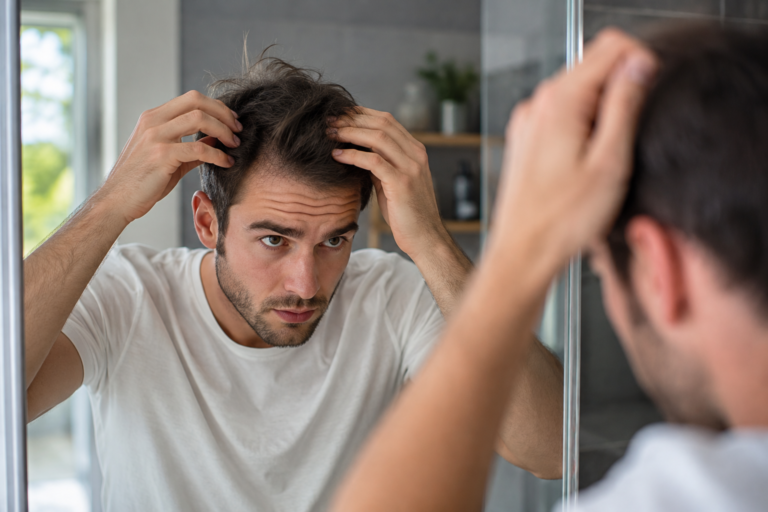
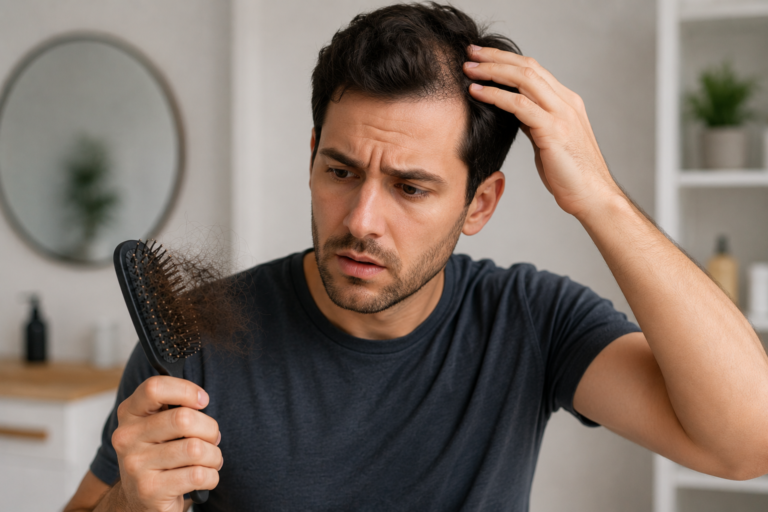
You step out of the shower, reach for a towel, and look down. A handful of loose strands lies near the drain. You check the mirror under bright lights, tilting your head to inspect your hairline or crown. The reflection shows slightly more scalp than it did last year.
That sudden sinking feeling in your chest is completely natural. For many men, noticing thinning hair feels like losing a piece of their identity, confidence, and youth. You might start dodging bright lighting, angling your head in photos, or wearing hats to hide the changes.
The good news? Thinning hair rarely happens overnight, and it is often driven by surprising factors you can address. Understanding the root causes gives you back control over your daily routine and confidence.
Table of Contents
- Understanding the Hair Growth Cycle
- 9 Surprising Causes of Hair Loss and Thinning
- The Emotional Cost of Ignoring Hair Thinning
- What Happens If You Ignore Early Hair Loss?
- Practical Daily Habits for Thicker-Looking Hair
- Choosing the Right Topical Scalp Care Routine
- Frequently Asked Questions
- Conclusion
1. Understanding the Hair Growth Cycle
To fix thinning hair, you must understand how hair grows. Every follicle on your scalp cycles through three main phases continuously:
- Anagen (Growth Phase): Active growth lasting two to six years.
- Catagen (Transition Phase): Hair stops growing and detaches from the blood supply over two weeks.
- Telogen (Resting Phase): The follicle rests for three months before shedding to make room for new growth.
When triggers disrupt this delicate cycle, more hair enters the resting phase prematurely. The result is noticeable shedding and a gradual loss of density across your scalp.
2. 9 Surprising Causes of Hair Loss and Thinning
Many men assume hair loss is purely genetic. While genetics play a massive role, several hidden daily triggers quietly accelerate shedding.
1. Dihydrotestosterone (DHT) Sensitivity
DHT is a byproduct of testosterone. It binds to sensitive hair follicles, shrinking them over time. This shortens the growth phase and causes hair strands to sprout thinner until the follicle stops producing visible hair entirely.
2. Poor Scalp Microcirculation
Hair follicles rely on tiny blood vessels to deliver essential nutrients and oxygen. Poor blood flow starves the roots, weakening existing strands and leading to premature shedding.
3. Chronic Stress (Telogen Effluvium)
High physical or mental stress spikes cortisol levels. This shock pushes a high percentage of active follicles into the resting phase. Two to three months later, heavy shedding occurs unexpectedly.
4. Harsh Chemical Shampoos
Mass-market shampoos often contain harsh sulfates and parabens. These strip the scalp’s natural lipid barrier, causing inflammation, dryness, and weakened root attachment.
5. Nutritional Deficiencies
Inadequate intake of iron, zinc, protein, and essential B vitamins deprives your follicles of basic structural building blocks, leading to fragile, brittle strands.
6. Chronic Scalp Inflammation
Excess sebum, sweat, and product buildup create an environment for yeast overgrowth. Scalp inflammation weakens the anchor of the hair shaft, accelerating hair loss.
7. Rapid Weight Loss or Extreme Diets
Crash dieting forces your body into survival mode, directing nutrients to vital organs rather than non-essential structures like hair follicles.
8. Environmental Toxins and Hard Water
Pollution and heavy mineral buildup from hard water clog follicle openings, preventing healthy hair emerge.
9. Lack of Sleep and Hormonal Imbalance
Poor sleep disrupts your body’s cellular repair processes, impairing healthy hormone regulation and hindering robust follicle function.
3. The Emotional Cost of Ignoring Hair Thinning
Hair thinning impacts far more than appearance. Consider Marcus, a 34-year-old marketing manager who began noticing subtle shedding.
Initially, Marcus brushed it off. But within months, he found himself constantly checking overhead lighting in conference rooms, avoiding outdoor outings on windy days, and untagging himself from group photos. His social confidence dropped, and he felt years older than his actual age.
Marcus decided to stop ignoring the early signs. Instead of waiting for severe hair loss, he upgraded his nutrition and switched to a targeted anti-hair loss routine. Within months, his hair looked noticeably fuller, restoring his confidence in public settings.
Instead of hiding under caps or stressing over overhead lighting, choose to address thinning early with targeted daily habits.
4. What Happens If You Ignore Hair Thinning?
Hair loss is progressive. Ignoring the early signs allows DHT and microcirculation issues to damage sensitive follicles unchecked.
- Dormant Follicles: Over time, shrunken follicles lose the capacity to sprout thick hair.
- Limited Options: Early action offers simple, non-invasive maintenance; delayed action often requires costly, complex procedures.
- Compounded Thinning: Untreated inflammation accelerates daily shedding rates across the crown and hairline.
Taking proactive action today helps preserve existing hair density while promoting a healthy scalp environment.
5. Practical Daily Habits for Thicker-Looking Hair
Building stronger, fuller-looking hair requires a simple, multipressed approach:
- Optimize Your Diet: Increase intake of lean proteins, leafy greens, zinc, and biotin.
- Manage Daily Stress: Incorporate 15 minutes of light exercise, breathing drills, or consistent sleep habits.
- Perform Scalp Massages: Gently massaging your scalp daily stimulates local blood flow directly to the roots.
- Avoid High Heat: Limit scorching hot shower water and high-heat blow drying, which damage fragile hair shafts.
6. Choosing the Right Topical Scalp Care Routine
Diet and lifestyle changes work best when paired with targeted external care. Mass-market products clean the surface, but a specialized formula cleanses deeply while nourishing hair roots.
Instead of harsh commercial soaps, choose a targeted shampoo engineered specifically for male hair thinning.
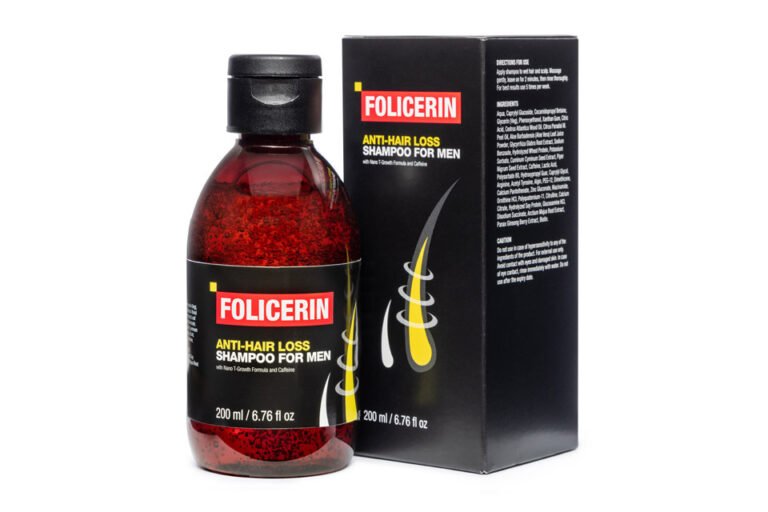
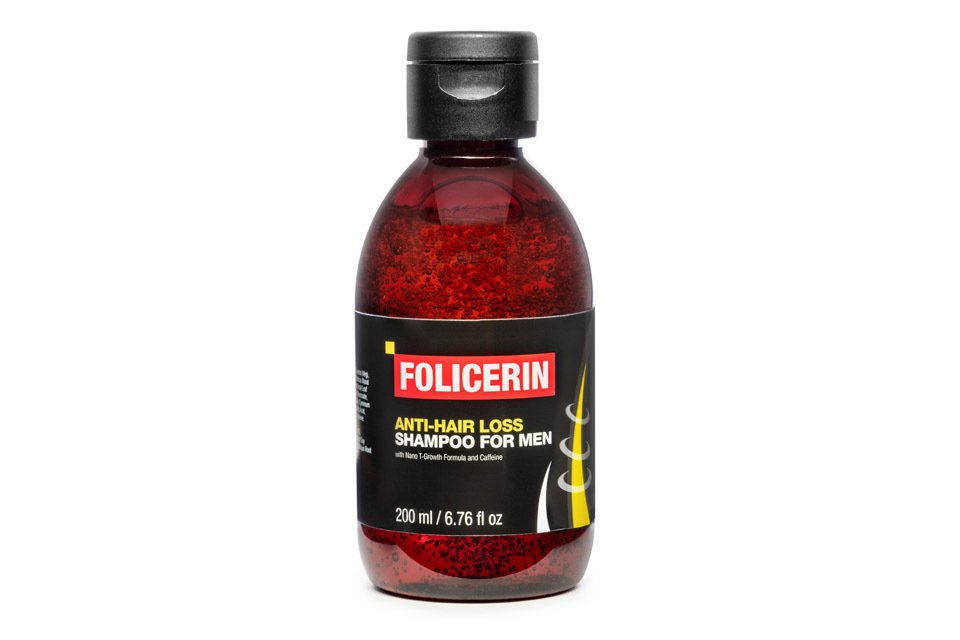
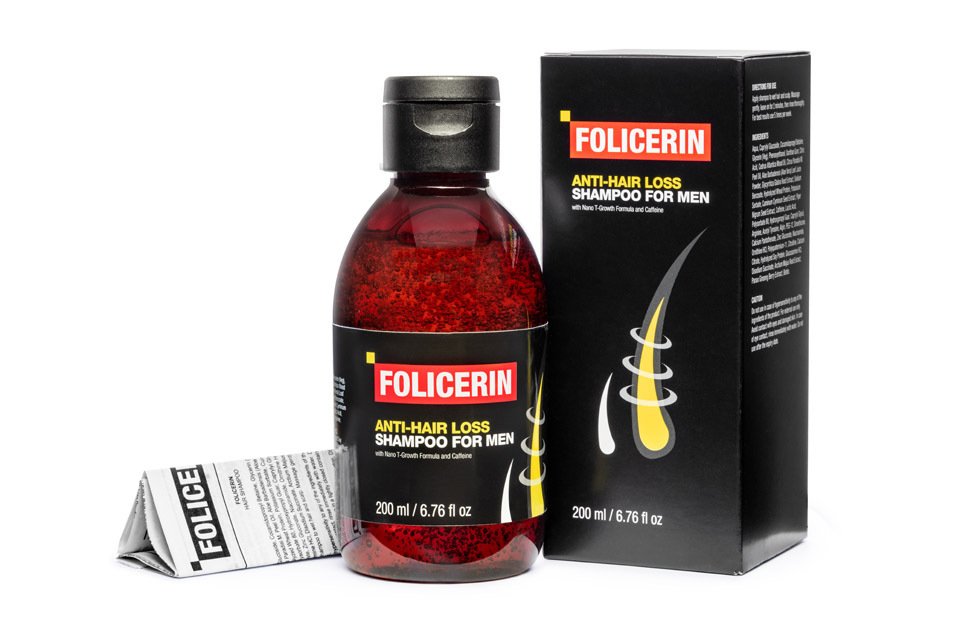
A prime example is Folicerin, a modern anti-hair loss shampoo dedicated to men. Unlike basic cleansers, Folicerin is formulated to help reduce hair shedding, strengthen existing hair, and support thicker-looking hair.
Its advanced cosmetic formula uses innovative biopolymer particles (over 200 nm in diameter) to stabilize sensitive active ingredients. This increases their overall effectiveness, gently cleansing and conditioning the scalp while improving microcirculation around the roots. Gentle enough for daily use, it integrates seamlessly into any shower routine.
(If you want a simple daily routine designed for thinning hair, Folicerin is one option worth exploring.)
7. Frequently Asked Questions
Can daily washing increase hair shedding?
No, washing removes strands that have already detached from the follicle. Using a gentle shampoo supports overall scalp cleanliness without speeding up loss.
Does DHT affect all hair on the head?
No, DHT primarily targets sensitive follicles located on the hairline, temples, and crown. Hair on the back and sides is typically resistant.
How quickly can a new hair routine show visible results?
Because hair grows slowly (roughly half an inch per month), consistency over 3 to 6 months is required to notice improvements in density and appearance.
Is stress-induced hair loss permanent?
Usually, no. Once the underlying stress factor is resolved, hair follicles typically return to their regular growth phase over time.
Can changing shampoos stop hair loss completely?
Shampoos cannot alter genetic hair loss, but high-quality formulas improve scalp health, strengthen existing strands, and optimize conditions for thicker-looking growth.
Are anti-hair loss shampoos suitable for sensitive skin?
Formulas like Folicerin are designed to be safe and gentle on the skin, making them suitable for daily use without causing excess dryness.
8. Conclusion
Noticing hair loss can be frustrating, but understanding its causes gives you the tools to take back control. Whether managing stress, fixing nutrient gaps, or upgrading your topical care, early action is key to maintaining your density and confidence.
Don’t wait until thinning becomes difficult to conceal. Upgrade your grooming routine today to give your scalp the specialized support it deserves.
(Start supporting your scalp today by adding Folicerin to your daily shower routine.)