Hair Loss at 20: Proven Daily Solutions That Actually Work
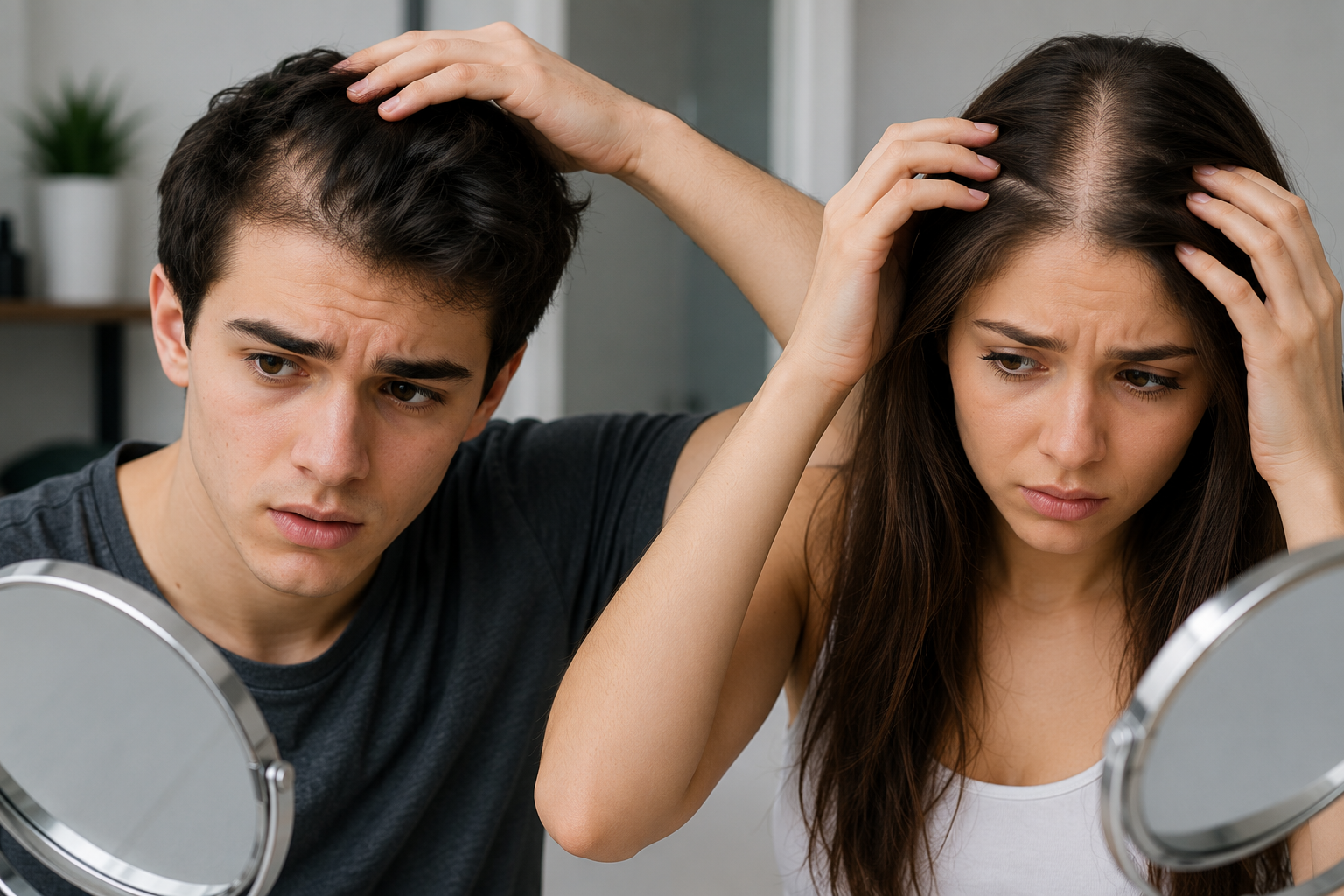
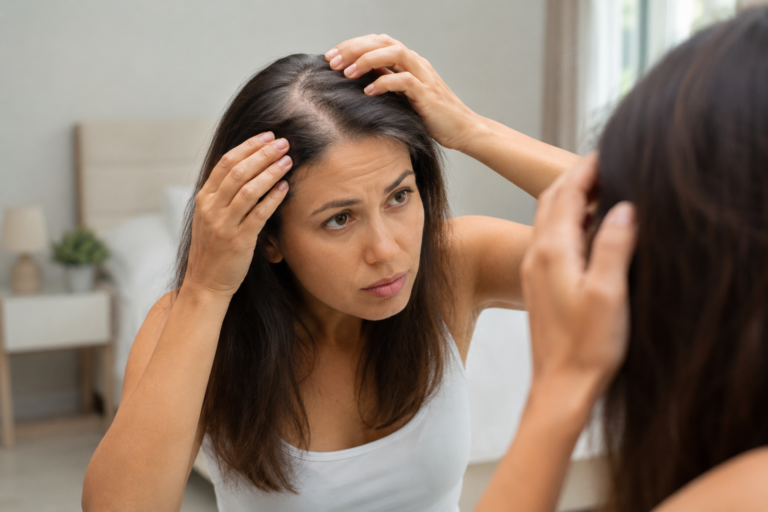
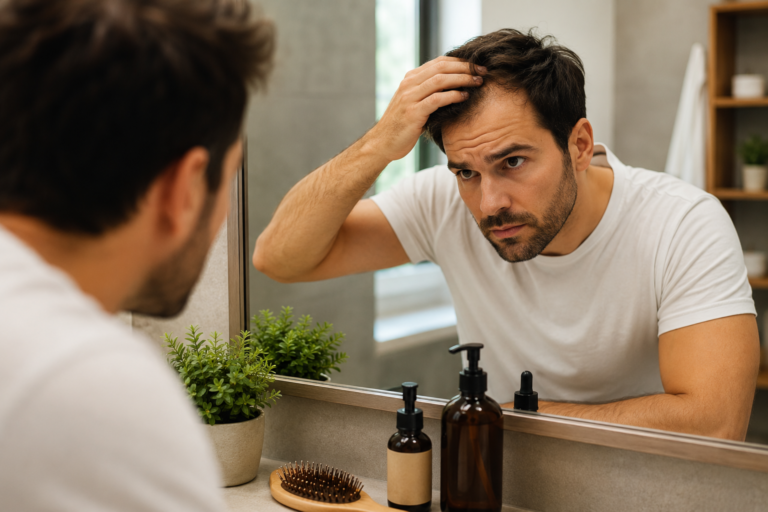
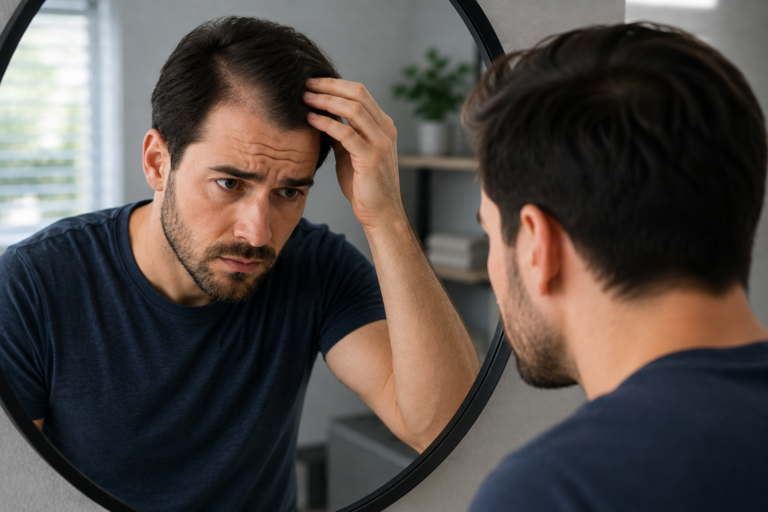
Noticing extra strands in the shower drain when you are only twenty years old is deeply unsettling. You tilt your head under the bathroom light, checking if your hairline is receding or if your crown is becoming visible. You might feel a sudden drop in your stomach, wondering why this is happening so early in life.
Losing confidence at an age when you should feel your best is frustrating. Many young adults begin avoiding bright overhead lights, adjusting their hats, or stressing over every photo taken with friends. The constant fear of visible thinning can drain your energy and affect how you present yourself to the world.
The good news is that hair loss in your early twenties is extremely common, and acting early gives you a massive advantage. In this complete guide, you will learn why early thinning happens, how to identify the root causes, and how to build an effective daily routine to support stronger, thicker-looking hair.
Table of Contents
- Understanding Early Hair Loss: What Is Happening?
- Primary Causes of Hair Thinning in Your Early Twenties
- The Emotional Impact and Why Timing Matters
- What Happens If You Ignore Hair Thinning?
- Evidence-Based Solutions and Daily Scalp Care
- Building a Modern Scalp Routine That Fits Your Life
- Comparing Your Options: Quick Fixes vs. Long-Term Habits
- Frequently Asked Questions (FAQ)
- Conclusion and Next Steps
- Medical Disclaimer
Understanding Early Hair Loss: What Is Happening?
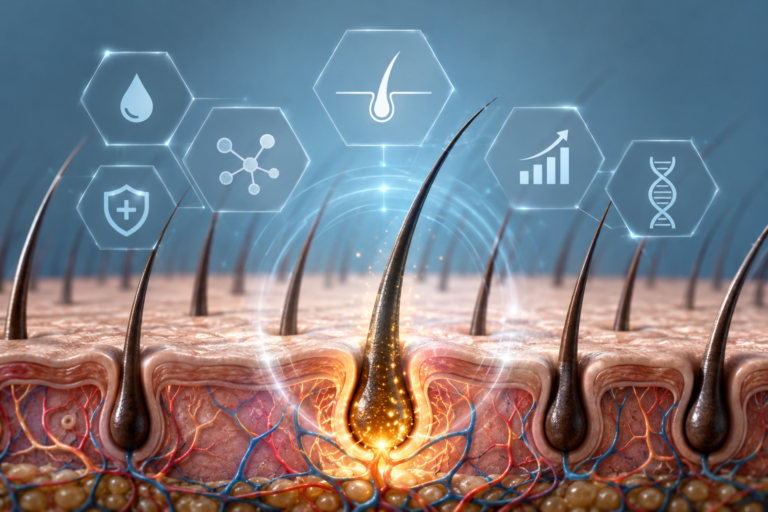
Hair grows in a natural cycle that consists of growth, transition, and resting phases. Under normal circumstances, you lose between 50 to 100 strands per day as old hair makes way for new growth. However, when this balance is disrupted, hair shedding increases or the growth phase shortens, leading to progressive thinning.
When young men notice thinning, the primary culprit is often androgenetic alopecia, commonly known as male pattern baldness. This condition is driven by a genetic sensitivity to dihydrotestosterone (DHT), a byproduct of testosterone. DHT binds to hair follicles on the scalp, causing them to shrink over time. As follicles shrink, the hair strands they produce become finer, shorter, and less visible.
Key Takeaway: Early hair shedding does not mean your hair is gone forever. In many cases, hair follicles are simply dormant or producing finer strands, meaning early care can significantly support their appearance and strength.
Understanding this process allows you to take control instead of guessing. Rather than panicking over every lost strand, you can focus on actionable daily habits that maintain scalp health and protect existing hair.
Primary Causes of Hair Thinning in Your Early Twenties
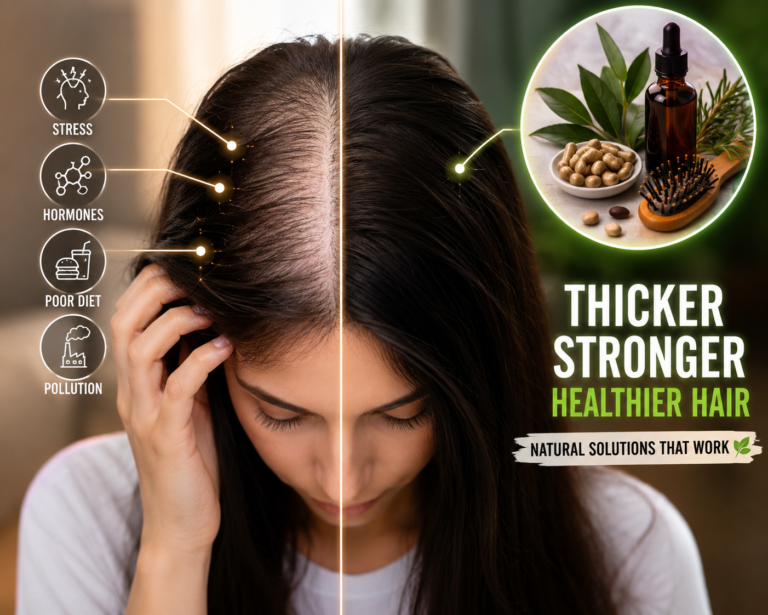
Hair thinning at a young age rarely happens overnight. It is usually the result of underlying physiological or lifestyle factors combining to stress your hair follicles.
- Genetics and Hormones (DHT): If male pattern baldness runs in your family, your scalp follicles may be genetically sensitive to DHT, leading to hairline recession or crown thinning.
- Chronic Stress and Anxiety: High stress levels trigger the release of cortisol, which can force a large number of hair follicles into a premature resting phase—a condition called telogen effluvium.
- Nutritional Deficiencies: Diets lacking essential vitamins, minerals, and protein can weaken the structural integrity of hair shafts, leading to premature breakage.
- Poor Scalp Microcirculation and Hygiene: Excess sebum, product residue, and poor circulation can create an unhealthy scalp environment, hindering optimal hair appearance.
- Aggressive Styling and Heat: Harsh chemical treatments, frequent heat styling, or pulling hair tight can damage the cuticle and cause mechanical hair breakage.
Identifying which factors apply to you is the first step toward building a targeted response. By addressing these triggers early, you reduce unnecessary stress on your scalp.
(Identifying your specific triggers makes it much easier to build a practical routine for healthier-looking hair.)
The Emotional Impact and Why Timing Matters
Imagine a typical morning: Alex, a 21-year-old college student, gets ready for an important presentation. As he styles his hair, he notices his crown looks noticeably sparser than it did last year. The discovery immediately shifts his focus from his presentation to his appearance. He spends twenty minutes trying to style his hair to cover the thin spots, leaving the house feeling self-conscious and anxious.
This story is all too common. Hair loss at 20 feels unfair because hair is often tied to identity, youth, and confidence. Avoiding mirrors, worrying about lighting, or fearing windy days takes a real psychological toll.
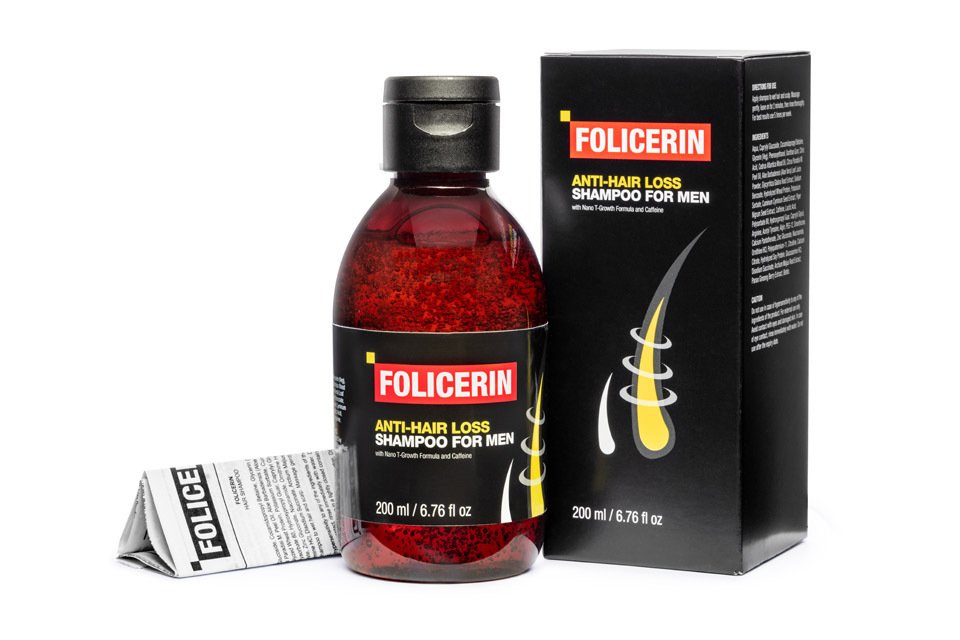
However, experiencing this in your early twenties presents a unique opportunity. Because your hair follicles are still active and functional, starting a proactive routine now allows you to preserve your hair’s overall density much more effectively than waiting several years.
(Taking charge of your hair care early is one of the most effective ways to regain personal confidence.)
What Happens If You Ignore Hair Thinning?
Ignoring early signs of hair loss usually allows follicle miniaturization to progress unchecked. Over months and years, hair follicles that shrink continuously produce progressively thinner and weaker strands until they eventually stop producing visible hair altogether.
Delaying action often narrows your choices. While active follicles respond well to simple daily care, nourishing ingredients, and topical management, long-dormant follicles require far more invasive and expensive procedures down the road.
- Early Stage: Hair looks slightly thinner, but follicles remain healthy and active. High response to simple topical routines.
- Intermediate Stage: Thinning becomes visible under normal lighting. Requires consistent management to maintain density.
- Advanced Stage: Follicles shrink significantly or close completely. Options become limited mostly to clinical interventions.
Taking simple, non-invasive steps today helps keep your hair options open and protects the hair density you currently have.
(Starting a daily protective habit today helps maintain your options for stronger-looking hair long into the future.)
Evidence-Based Solutions and Daily Scalp Care
Addressing hair loss effectively requires a balanced approach combining lifestyle adjustments, proper nutrition, and targeted topical care.
1. Optimize Your Diet and Internal Health
Hair is made primarily of a protein called keratin. Ensuring adequate intake of lean proteins, zinc, iron, and B-vitamins supports the natural building blocks of strong hair. Reducing processed foods and managing daily stress levels also helps minimize systemic inflammation that impacts the scalp.
2. Practice Proper Scalp Hygiene
A clean scalp is essential for healthy-looking hair. Excess oil and environmental pollutants can clog pores and exacerbate scalp irritation. Using a gentle shampoo designed specifically to cleanse the scalp without stripping its natural moisture barrier provides an optimal environment for hair strands.
3. Improve Scalp Microcirculation
Microcirculation delivers essential nutrients directly to the hair roots. Gentle daily scalp massages or using topical formulations designed to stimulate microcirculation can help nourish existing strands, promoting a fuller, healthier appearance.
(Combining internal nutrition with targeted topical care provides the balanced approach your scalp needs.)
Building a Modern Scalp Routine That Fits Your Life
Consistency is the secret to managing hair health. Complex, multi-step treatments are difficult to maintain alongside work, school, or personal life. The most effective routine is one that integrates seamlessly into habits you already have, like taking a daily shower.
Instead of adding tedious extra steps to your morning, consider upgrading your basic hygiene products to items engineered specifically for thinning hair. Look for topical formulas that focus on gentle cleansing, scalp microcirculation, and structural reinforcement of existing strands.
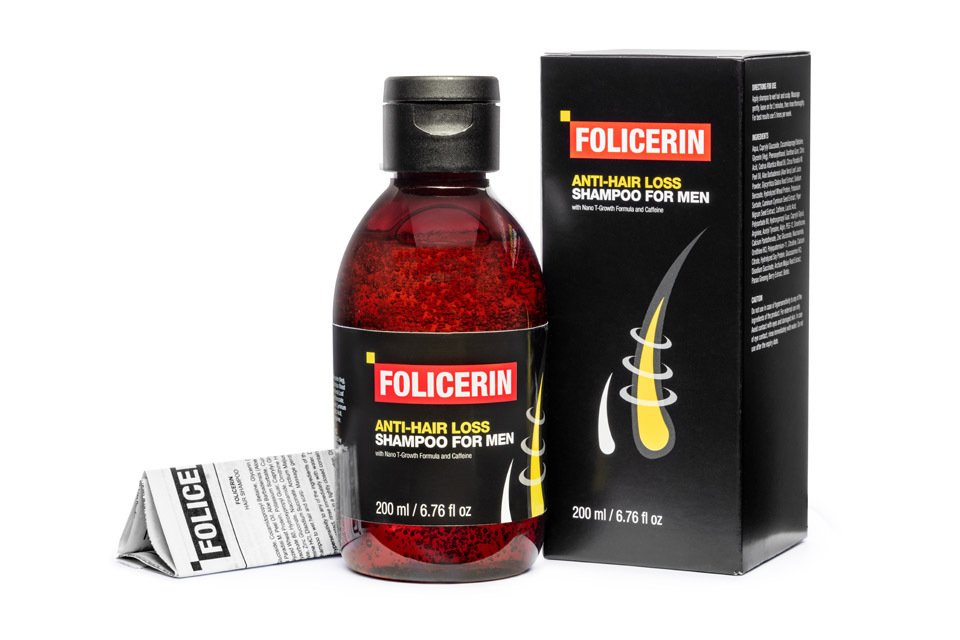
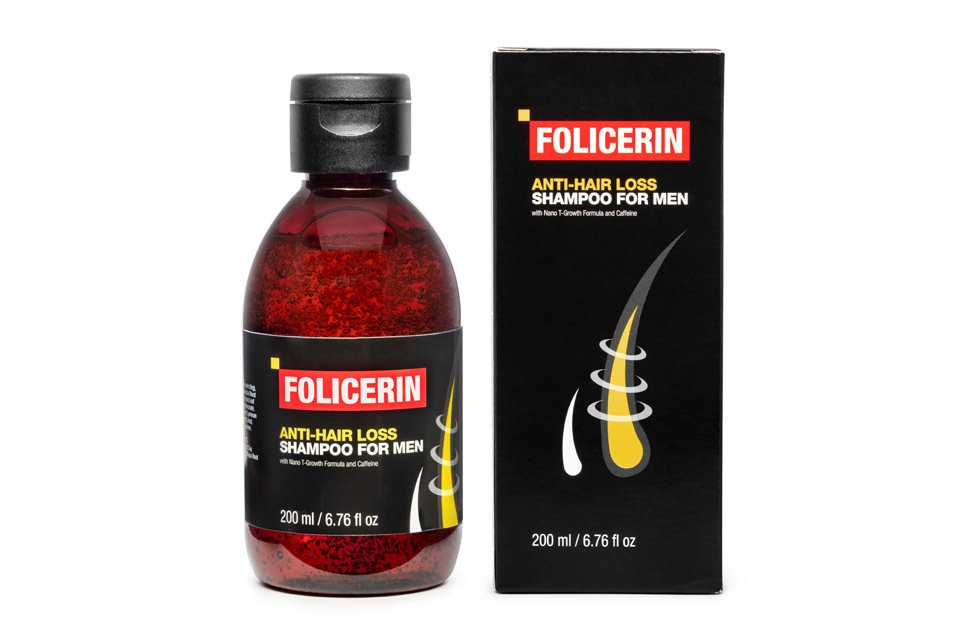
Modern cosmetic science has made significant advances in delivering active ingredients directly to the scalp. For example, modern anti-hair loss shampoos for men utilize biopolymer particles to stabilize sensitive active ingredients. This modern ingredient delivery technology allows delicate compounds to remain active on the scalp, helping to reduce hair shedding, strengthen existing hair, and support a noticeably thicker-looking appearance.
When selecting a daily shampoo for thinning hair, look for gentle, skin-friendly formulas that clean and condition the scalp without causing irritation. Integrating a specialized cleansing product into your daily shower helps improve scalp microcirculation and strengthens strands from root to tip.
(If you want a simple daily routine for thinning hair, Folicerin is one option worth exploring.)
(Many men choose Folicerin because it combines daily cleansing with ingredients designed to support stronger-looking hair.)
Comparing Your Options: Quick Fixes vs. Long-Term Habits
When searching for solutions, it is easy to get overwhelmed by conflicting advice. Comparing different approaches helps you set realistic expectations.
| Approach | Typical Effort Level | Primary Focus | Best Suited For |
| Harsh Cover-Up Sprays | Low | Temporary cosmetic concealment | Instant events, non-restorative |
| Complex Multi-Step Regimens | High | Intensive targeted action | Individuals with ample daily time |
| Targeted Daily Cleansing | Very Low (Fits daily shower) | Scalp hygiene & strand support | Long-term daily maintenance |
Instead of relying on temporary cover-ups or exhausting multi-step procedures, establishing a simple daily habit yields sustainable results over time. Products that support healthier-looking hair work best when used consistently every single day.
(Starting a consistent hair care routine early may help you maintain healthier-looking hair; many readers begin with Folicerin.)
(To support your scalp’s natural environment daily, consider trying Folicerin as part of your grooming habit.)
Frequently Asked Questions (FAQ)
Can hair loss at 20 be stopped naturally?
While genetic predisposition cannot be altered, adopting a healthy lifestyle, reducing stress, ensuring proper nutrition, and using targeted scalp care products can help reduce hair shedding and maintain stronger-looking hair.
How do I know if my hair loss is temporary or permanent?
Temporary hair shedding (telogen effluvium) usually happens suddenly following high stress, illness, or diet changes, and affects the entire scalp. Genetic thinning occurs gradually, affecting specific areas like the temples or crown.
Does washing my hair every day cause more hair to fall out?
No. Hair that falls out during washing was already in the shedding phase of its natural cycle. Washing daily with a gentle, skin-friendly shampoo helps keep the scalp clean and prevents pore-clogging buildup.
Will wearing hats accelerate my hair loss?
Wearing normal hats does not cause hair loss unless the hat is worn so tightly that it creates traction on the roots. Hair loss is driven primarily by internal factors like hormones and genetics, not external headwear.
How long does it take to see improvements in hair appearance?
Hair grows slowly—typically about half an inch per month. When starting a supportive scalp routine, noticeable improvements in hair strength, cleanliness, and overall thickness generally take 8 to 12 weeks of consistent daily use.
Are anti-hair loss shampoos safe for daily use?
Yes, provided they are formulated with gentle, skin-safe ingredients. Modern anti-hair loss shampoos are specifically designed for daily cleansing and conditioning without drying out the scalp.
Conclusion and Next Steps
Experiencing hair loss at 20 can feel overwhelming, but it is not a situation you have to accept passively. By understanding the underlying causes—whether genetics, stress, or scalp health—you can make informed decisions to protect your confidence and appearance.
The key to long-term success is early and consistent action. Waiting for thinning to become severe makes maintenance significantly harder. By eating a balanced diet, managing stress, and incorporating a modern anti-hair loss shampoo into your daily routine, you give your hair the best environment to thrive.
Take control of your grooming routine today. Making a simple switch in your daily shower habit can make a meaningful difference in keeping your hair looking fuller, stronger, and healthier.