Does Biotin Help Hair Growth? Science, Facts, and Better Solutions
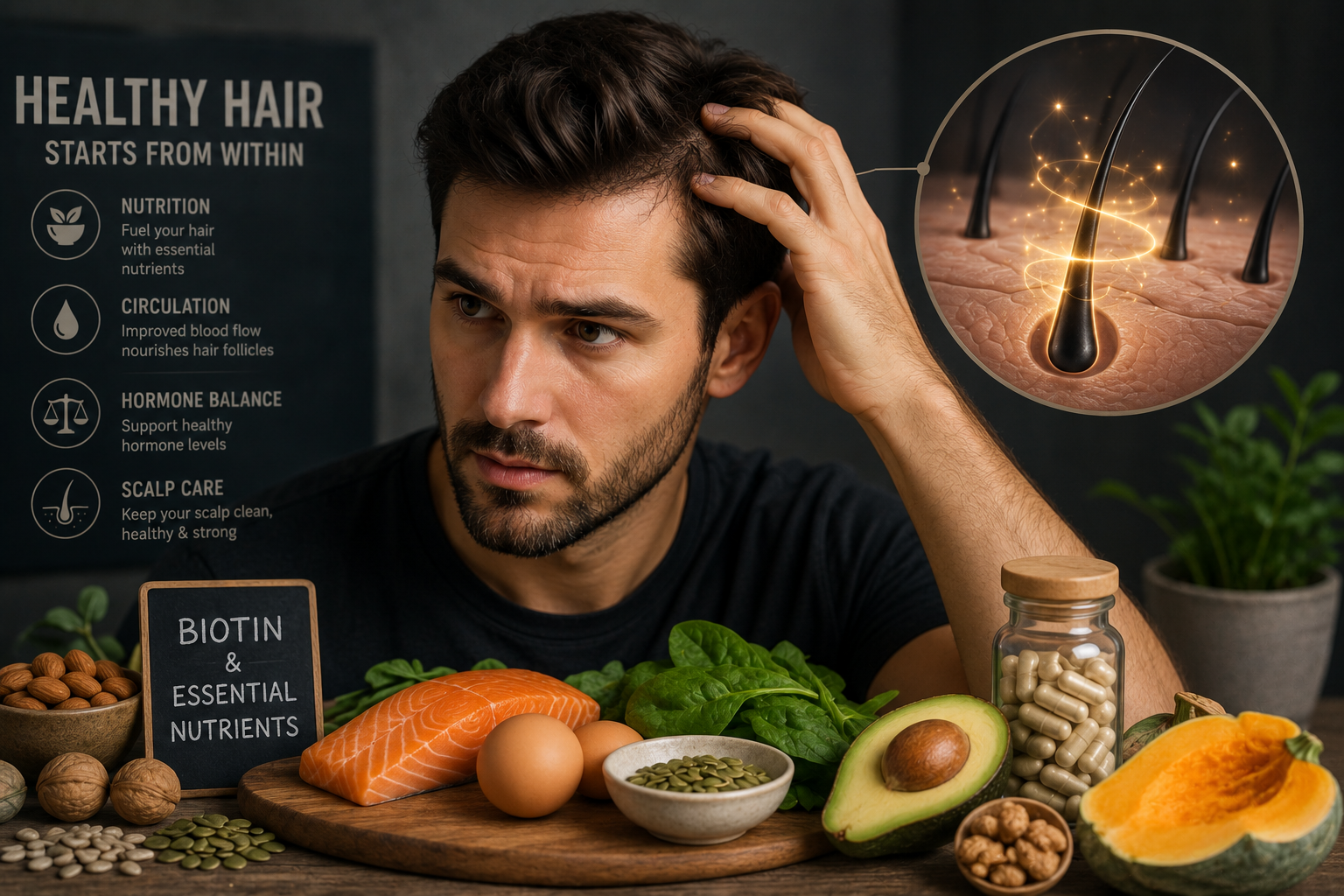
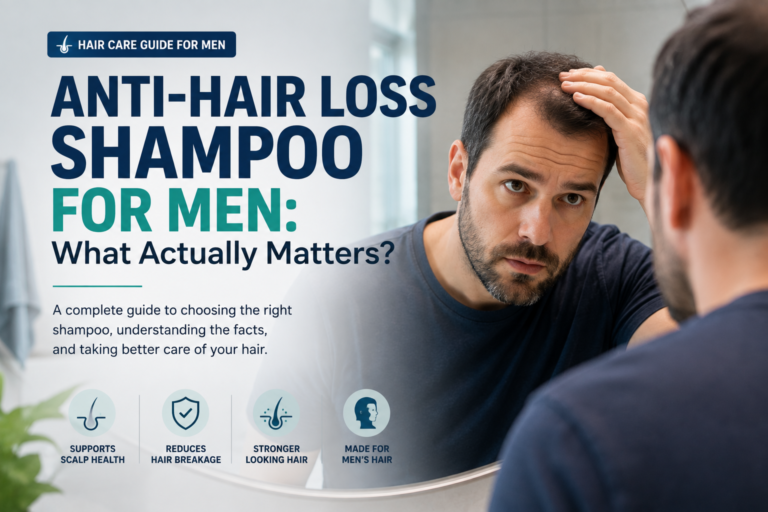
Finding extra hair on your comb can instantly spark a wave of quiet worry. Many men notice their hairline shifting or the crown thinning and immediately feel a dip in confidence. You might find yourself avoiding bright overhead lighting, skipping photos with friends, or checking mirrors throughout the day to see if your scalp is showing. Thinning hair often makes men feel like they are aging faster than they should.
It is completely natural to look for quick, safe remedies when hair loss starts. During your search, one supplement likely popped up everywhere: biotin. Vitamin B7, commonly known as biotin, is frequently marketed as a miraculous cure for thinning locks. But does biotin help hair growth in reality, or is it simply a well-marketed myth?
This article breaks down the actual science behind biotin. We will explore how it affects your scalp, why hair thins, and what practical steps you can take to keep your hair looking thick and full.
Table of Contents
- What Is Biotin and How Does It Support Hair Health?
- Does Biotin Help Hair Growth? What the Science Says
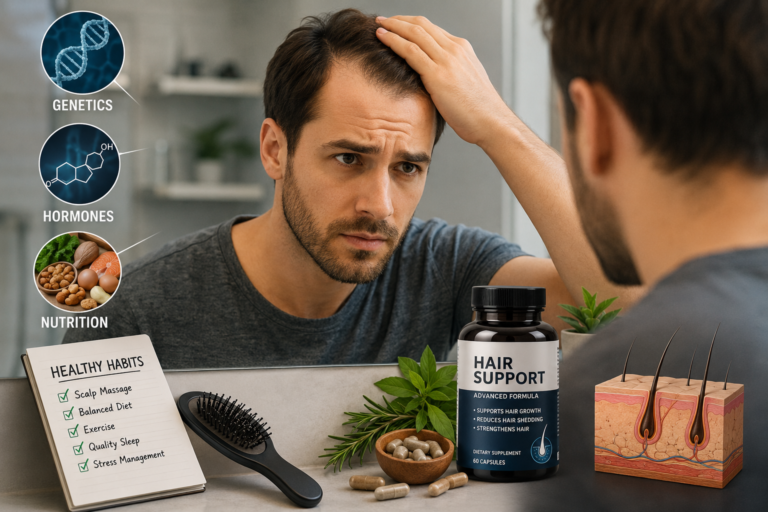
- Common Root Causes of Hair Thinning in Men
- What Happens If You Ignore Hair Thinning?
- Comprehensive Solutions for Fuller-Looking Hair
- Why Target From Within? Supporting Your Scalp Deeply
- Building an Effective Daily Hair Care Routine
- Frequently Asked Questions
- Conclusion
- Medical Disclaimer
What Is Biotin and How Does It Support Hair Health?
Biotin is a water-soluble B-vitamin that plays a vital role in converting food into usable cellular energy. Your body relies on it to metabolize fats, carbohydrates, and proteins.
Keratin is the core structural protein that makes up your hair, skin, and nails. Biotin helps improve your body’s basic keratin infrastructure. When your body maintains adequate biotin levels, your hair shafts remain resilient and less prone to breakage.
Because biotin supports structural protein production, many people assume taking high doses will speed up hair production. However, understanding the difference between structural strength and new follicle generation is essential.
Does Biotin Help Hair Growth? What the Science Says
The short answer is nuanced. Biotin supports existing hair strength, but it rarely triggers brand-new hair growth on its own unless you suffer from a true medical biotin deficiency.
True biotin deficiencies are extremely rare in healthy adults. Most balanced diets easily provide enough B7 through everyday foods like eggs, nuts, seeds, and meat.
If your body already has enough biotin, adding massive supplemental doses will not automatically produce thicker hair. Excess water-soluble vitamins simply pass through your body unused.
Biotin strengthens individual strands, reducing brittle ends and snapping. While stronger hair stays attached longer, biotin alone cannot block the underlying hormones responsible for male pattern baldness.
Common Root Causes of Hair Thinning in Men
If biotin is not a magic fix for male pattern hair loss, what is actually causing your thinning hair? Male hair loss is usually complex and driven by internal biology.
1. Dihydrotestosterone (DHT) Sensitivity
The primary cause of male hair loss is genetic sensitivity to DHT, a byproduct of testosterone. DHT binds to hair follicles, causing them to shrink over time. As follicles shrink, they produce thinner, shorter strands until they stop growing entirely.
2. Hormonal Imbalances
Balanced hormones are essential for maintaining steady growth cycles. Fluctuations in testosterone balance can alter follicle performance, leading to noticeable thinning around the hairline and crown.
3. Nutrient Deficiencies
While biotin deficiency is rare, shortages in other key vitamins, zinc, and minerals can weaken hair roots. Poor nutritionstarves follicles of the energy needed to produce dense strands.
4. Scalp Microcirculation
Hair roots require continuous oxygen and nutrient delivery through microscopic blood vessels. Poor scalp circulation deprives follicles of vital nourishment, accelerating shedding.

What Happens If You Ignore Hair Thinning?
Hair thinning is a progressive condition. Ignoring early signs like excessive shower shedding or a receding hairline allows the miniaturization process to continue unchecked.
When hair follicles remain under attack by hormones or poor nutrition for years, they gradually dormant. Once a follicle completely stops producing hair for an extended period, restoring it becomes much harder.
Addressing hair health early offers significantly better long-term outcomes. Establishing a balanced internal environment and daily care routine early helps preserve your natural hair density.
Comprehensive Solutions for Fuller-Looking Hair
Managing hair loss effectively requires a multi-angled approach rather than relying on a single ingredient.
Focus on Targeted Nutrition
Your hair follicles are among the most fast-dividing cells in your body. They require steady supplies of targeted nutrients to maintain natural hair growth cycles.
Improve Scalp Environment
A healthy scalp is the foundation for strong hair. Keeping the scalp free from excess oil build-up while supporting blood circulation helps create optimal growth conditions.
Reduce Daily Stress
Chronic stress releases cortisol, which can prematurely push hair follicles into a resting phase. Managing daily stress helps protect your natural hair lifecycle.
Why Target From Within? Supporting Your Scalp Deeply
Shampoos and topicals work on the surface, but hair growth begins deep beneath the scalp skin within the follicle bulb. Providing internal support ensures that your body receives the raw building blocks required to maintain natural hair density.
Men looking for targeted internal support often look for formulations designed to address male pattern thinning directly. Rather than relying on simple single-ingredient tablets, multi-active formulas target multiple hair-loss mechanisms at once.
A powerful internal supplement should support normal testosterone levels while supplying nutrients that counteract excessive shedding.

How Nutrients Like Folisin Help
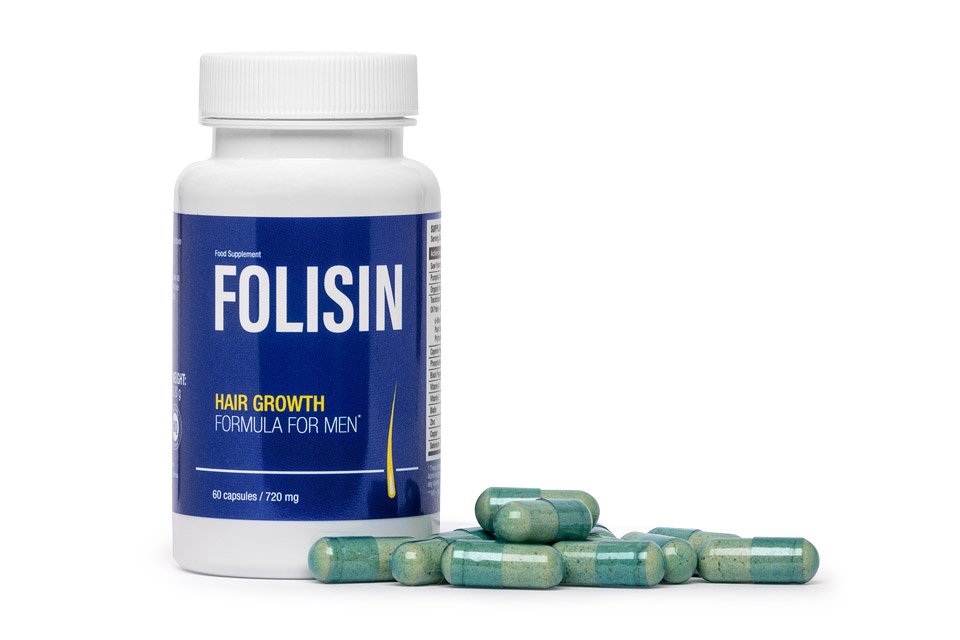
Folisin is an advanced food supplement designed specifically for men experiencing hair thinning. It combines 13 targeted ingredients that work together to create an optimal environment for hair growth.
- Supports Hormone Balance: It includes natural extracts that help maintain optimal blood testosterone levels.
- Blocks Hair Loss Pathways: Active botanicals help inhibit factors that lead to premature hair follicle shrinkage.
- Encourages Regrowth: Essential nutrients support natural hair growth in areas prone to thinning, like the temples and crown.
- Preserves Natural Pigmentation: Key minerals help protect your hair’s natural color while supporting overall structural integrity.
Many men choose Folisin because its multi-ingredient approach targets hair health from the inside out without harsh synthetic chemicals.
Building an Effective Daily Hair Care Routine
To get the best results, consistency is key. A simple, repeatable daily routine protects your hair investment without taking up hours of your time.
Step 1: Internal Nourishment
Provide your body with essential nutrients daily. Taking targeted supplements like Folisin daily ensures your blood supplies consistent vitamins to growing hair roots.
Starting a daily routine early helps support your hair strands before thinning becomes deeply advanced; explore Folisin today.
Step 2: Gentle Scalp Cleansing
Wash your hair with mild, sulfate-free cleansers that remove excess sebum without stripping natural protective oils. Avoid aggressive scrubbing, which stresses fragile hair roots.
Step 3: Scalp Massage
Take two minutes each day to gently massage your scalp using your fingertips. This simple habit supports healthy blood flow directly around the follicles.
Step 4: Protect Against Heat and Damage
Limit the use of high-heat hair dryers and harsh styling products. Let your hair air-dry naturally whenever possible to prevent physical breakage.
Frequently Asked Questions
1. Does biotin help hair growth if I am not deficient?
Biotin helps strengthen existing strands and reduce breakage, but extra biotin alone will not cause new hair growth unless you have an actual deficiency. Combining biotin with other targeted nutrients offers better overall support.
2. How long does it take for hair supplements to show results?
Hair grows slowly, typically about half an inch per month. It generally takes 3 to 6 months of consistent nutrient support to notice visible improvements in hair density and reduced shedding.
3. Can biotin stop male pattern baldness?
No, biotin alone does not block DHT, the primary hormone responsible for male pattern baldness. Comprehensive supplements that include natural hormone-balancing ingredients are better suited for male thinning.
4. Are hair loss supplements safe for daily use?
Most natural supplements containing vitamins, minerals, and plant extracts are safe for daily use. Always follow package dosage instructions and consult a doctor if you have underlying health conditions.
5. Can stress cause hair loss in men?
Yes, high stress levels can trigger temporary excessive shedding by pushing hair follicles prematurely into the resting phase. Managing stress helps restore normal growth cycles.
6. Will stopping hair loss supplements cause hair to fall out?
If your hair improved due to general nutritional support, stopping may cause your hair to slowly return to its baseline condition over time as nutrient stores decline.
Conclusion
So, does biotin help hair growth? Biotin plays a supporting role in maintaining strong, resilient hair keratin, but it is rarely a standalone solution for male hair loss. True hair restoration requires addressing internal hormones, scalp circulation, and overall nutrient balance simultaneously.
Hair loss does not have to compromise your confidence or define your appearance. Taking proactive steps today allows you to preserve your hair density and support robust, natural growth.
If you want a safe, nutrient-rich supplement designed specifically for male hair support, Folisin offers an ideal place to start.