
8 Hidden Symptoms of Low Testosterone That Demand Attention

As men grow older, their bodies undergo subtle yet significant changes. You might notice that getting out of bed feels harder than it used to. Perhaps your concentration is slipping, or your gym workouts no longer yield the same physical rewards.
Many men dismiss these common changes as simple indicators of natural aging. However, these persistent shifts often signal a deeper, underlying hormonal issue that requires attention. Low testosterone, clinically known as male hypogonadism, affects millions of men worldwide.
Understanding the primary warning signs of low testosterone in men is crucial for maintaining your long-term health, vitality, and performance. This comprehensive guide breaks down the essential scientific facts, symptoms, and natural management strategies.
Table of Contents
- What is Low Testosterone?
- Chronic Fatigue and Low Energy Levels
- Unexplained Changes in Body Composition
- Reduced Libido and Sexual Dysfunction
- Mood Disturbances and Cognitive Decline
- Decreased Bone Density and Strength
- What Causes Low Testosterone in Men?
- How is Low Testosterone Diagnosed?
- Natural Support Strategies for Hormonal Balance
- Frequently Asked Questions
- Conclusion
What is Low Testosterone?
Testosterone serves as the primary male sex hormone. It regulates several vital functions, including muscle mass, bone density, fat distribution, and red blood cell production. Furthermore, this essential hormone drives your libido and sustains your daily energy levels.
According to major endocrine societies, normal testosterone levels generally range between 300 and 1,000 nanograms per deciliter (ng/dL). When your body produces less than 300 ng/dL, clinical deficiency occurs. Recognizing the early symptoms of low testosterone can help you take proactive steps toward recovery.
| Metric | Normal Range | Low Range |
| Total Testosterone | 300 – 1,000 ng/dL | Below 300 ng/dL |
Hormone production typically peaks during late adolescence and early adulthood. However, after a man reaches the age of 30, his testosterone levels naturally decline by approximately 1% each year. While a slow decrease is normal, a sudden or severe drop causes noticeable health complications.
Chronic Fatigue and Low Energy Levels
The Persistent Wall of Exhaustion
Do you feel completely drained despite getting a full eight hours of sleep? Chronic fatigue represents one of the most frequent complaints among men with hormonal imbalances. This specific type of exhaustion goes far beyond typical tiredness from a busy work week.
Testosterone directly influences your body’s cellular energy production and metabolic rate. When your hormone levels plummet, your mitochondrial function suffers, leaving you feeling physically depleted throughout the entire day.
Decreased Motivation and Focus
Low hormone levels also diminish your mental drive. You might find it incredibly difficult to initiate daily tasks, finish simple projects, or maintain focus during long meetings. This systemic lack of enthusiasm often copies the symptoms of burnout or clinical depression.
Unexplained Changes in Body Composition
Loss of Lean Muscle Mass
Because testosterone plays a fundamental role in muscle tissue synthesis, a deficiency makes it exceptionally difficult to maintain a muscular physique. Even if you lift weights regularly, you might notice your muscles shrinking and losing their firmness.
Furthermore, the recovery period after intense physical exercise becomes significantly longer. (A structured approach combined with targeted nutritional choices remains essential for preserving lean muscle as you age.)
Increased Body Fat and Weight Gain
While your muscle mass decreases, your body fat tends to increase, particularly around the abdominal region. This occurs because low testosterone alters lipid metabolism and promotes fat storage.
[Low Testosterone] ──> [Altered Lipid Metabolism] ──> [Increased Abdominal Fat]
Some men also develop gynecomastia, which is an enlargement of male breast tissue. This specific condition arises when a severe hormonal imbalance causes estrogen to dominate over testosterone.

Reduced Libido and Sexual Dysfunction
Drop in Sexual Desire
A sudden, noticeable reduction in sex drive is a hallmark sign of hormonal decline. While it is natural for libido to fluctuate occasionally, a prolonged absence of sexual desire indicates a deeper physiological issue.
Many men mistakenly believe this emotional shift is purely psychological. However, testosterone activates specific receptors in the brain that trigger the release of nitric oxide, which is the chemical necessary for sexual response.
Difficulties with Erectile Function
Testosterone itself does not directly cause an erection, but it stimulates the biochemical pathways that make them possible. Therefore, low hormone levels can lead to difficulties achieving or maintaining an erection during sexual activity.
Other factors like cardiovascular health, high stress, and metabolic issues also play massive roles in erectile dysfunction. Consequently, a comprehensive medical evaluation is always recommended to identify the exact cause.
Mood Disturbances and Cognitive Decline
Irritability and Mood Swings
Hormones exert a massive influence on male emotional regulation. Men experiencing low testosterone often report heightened irritability, frequent mood swings, and a lower tolerance for daily stress.
You might find yourself snapping at family members or feeling uncharacteristically anxious over minor inconveniences. These emotional shifts can strain personal relationships and diminish your overall quality of life.
Memory Troubles and Brain Fog
Are you struggling to recall familiar names or losing your train of thought mid-sentence? Cognitive decline and persistent brain fog are heavily linked to low androgen levels. Supporting cognitive health requires a multi-faceted approach involving proper sleep, nutrition, and hormone management.
The human brain possesses numerous testosterone receptors that assist with memory retention and spatial awareness. When hormone levels drop, these cognitive pathways function less efficiently, which can impact your workplace performance.
Decreased Bone Density and Strength
The Silent Threat of Osteoporosis
We frequently associate bone thinning with women, but low testosterone makes men highly susceptible to osteoporosis as well. Testosterone assists in the maintenance of high bone mineral density by supporting bone remodeling processes.
As your levels decline, your skeleton slowly loses its structural strength. This gradual thinning makes your bones much more fragile and significantly increases your future risk of suffering unexpected fractures from minor falls.
Joint Pain and Structural Weakness
Men with low testosterone levels frequently report mysterious joint discomfort and general structural weakness. Because hormones help maintain the connective tissues and muscles surrounding your joints, a deficiency leads to increased wear and tear over time.
What Causes Low Testosterone in Men?
Primary vs. Secondary Hypogonadism
Medical professionals divide testosterone deficiency into two distinct categories based on where the problem originates. Understanding this distinction helps doctors determine the most effective course of long-term care.
- Primary Hypogonadism: This occurs when an issue within the testicles prevents them from producing adequate amounts of testosterone. Causes include physical injury, genetic conditions, or certain medical treatments like chemotherapy.
- Secondary Hypogonadism: This signifies that the testicles are healthy, but the pituitary gland or hypothalamus in the brain is failing to signal hormone production. This can stem from rapid weight gain, severe chronic stress, or inflammatory diseases.
Lifestyle and Environmental Factors
Modern lifestyle habits heavily impact your delicate hormonal ecosystem. Chronic sleep deprivation, excessive alcohol consumption, and a sedentary lifestyle all suppress healthy testosterone production. Furthermore, exposure to endocrine-disrupting chemicals found in everyday plastics can further compromise your endocrine system.

How is Low Testosterone Diagnosed?
Blood Tests and Hormone Panels
The only definitive way to confirm low testosterone is through a professional blood test. Doctors typically measure your total testosterone levels early in the morning, usually between 7:00 AM and 10:00 AM, because hormone levels naturally peak during these early hours.
Step 1: Identify consistent symptoms (fatigue, low libido, muscle loss).
Step 2: Schedule an early morning blood draw with a physician.
Step 3: Analyze total and free testosterone levels.
Step 4: Review results with a qualified endocrinologist.
Your physician may also check your free testosterone levels, which represent the active hormones unattached to proteins in your bloodstream. This provides a clearer picture of how much hormone is actually available for your body to use.
Preparing for Your Medical Appointment
Before visiting your doctor, document all of your physical changes, emotional symptoms, and current medications. Be completely honest about your sleep patterns, stress levels, and alcohol habits, as these details help your doctor form an accurate diagnosis.
Natural Support Strategies for Hormonal Balance
Diet, Exercise, and Quality Sleep
To optimize your hormones naturally, prioritize a nutrient-dense diet rich in healthy fats, lean proteins, and essential zinc. Whole foods like eggs, avocados, pumpkin seeds, and cruciferous vegetables provide the basic building blocks your body needs to manufacture hormones.
Additionally, incorporate progressive resistance training and high-intensity interval workouts into your weekly routine. Heavy lifting triggers a natural, temporary surge in testosterone production while simultaneously burning stubborn abdominal fat. Implementing a consistent strength training routine is one of the most effective ways to naturally stimulate male hormones.
Advanced Nutritional Support: Testolan
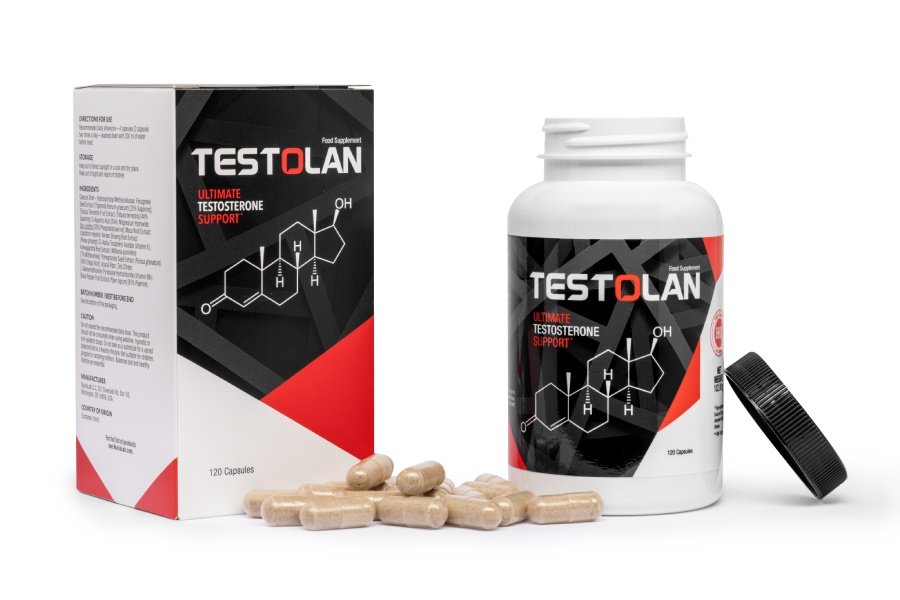
In addition to adjusting your daily lifestyle habits, introducing a premium, targeted food supplement can help regulate your internal hormone management. Testolan is a popular, natural formula specifically engineered to support healthy testosterone production and combat the adverse effects of aging.

Testolan combines high-quality, natural ingredients that work together to optimize your body’s performance:
- Fenugreek Extract: This traditional herb helps maintain healthy testosterone levels and naturally enhances lean muscle mass development.
- Tribulus Terrestris: Widely recognized for its ability to strengthen the immune system and support a robust male libido.
- D-Aspartic Acid (DAA): An amino acid that stimulates the release of key hormones in the brain, which can optimize natural testosterone synthesis.
- Maca Root: A powerful adaptogen known to increase overall stamina, boost daily energy levels, and support healthy sperm motility.
- Ginseng Root: This ingredient enhances peripheral circulation, combats daily fatigue, and improves physical performance during workouts.
By incorporating this natural supplement into your daily wellness routine, you can safely give your body the essential nutrients it needs to maintain vitality, build strength, and protect its natural hormonal balance.
If you want to explore how this natural formula can complement your health journey, consider looking into the unique benefits of Testolan to see if it aligns with your personal wellness goals.
Frequently Asked Questions
Can low testosterone cause anxiety and panic attacks?
Yes, a severe hormonal imbalance can significantly impact your nervous system, leading to heightened anxiety, mood swings, and general emotional instability.
How fast can you reverse low testosterone naturally?
With consistent dietary improvements, regular weightlifting, and proper sleep, you may begin to notice positive changes in your energy and mood within four to six weeks.
Does ejaculation lower your overall testosterone levels?
No, ejaculation does not cause long-term drops in testosterone. Your levels fluctuate briefly during sexual activity but quickly return to your baseline.
What foods actively destroy male testosterone?
Consuming excessive amounts of soy products, processed trans fats, and heavy alcohol can suppress your endocrine system and lower hormone production.
Can low testosterone cause hair loss on your face and body?
Yes, while male pattern baldness on the head is genetic, a severe lack of testosterone can result in the thinning of facial, armpit, and body hair.
Conclusion
Recognizing the warning signs of low testosterone in men is the very first step toward reclaiming your youthful vitality, physical strength, and mental clarity. By combining healthy lifestyle adjustments, regular physical activity, and targeted nutritional support, you can successfully navigate the natural changes of aging. Listen to your body, take proactive steps, and prioritize your long-term health today.