Why Is My Hair Losing So Much? 15 Hidden Causes and Proven Treatments
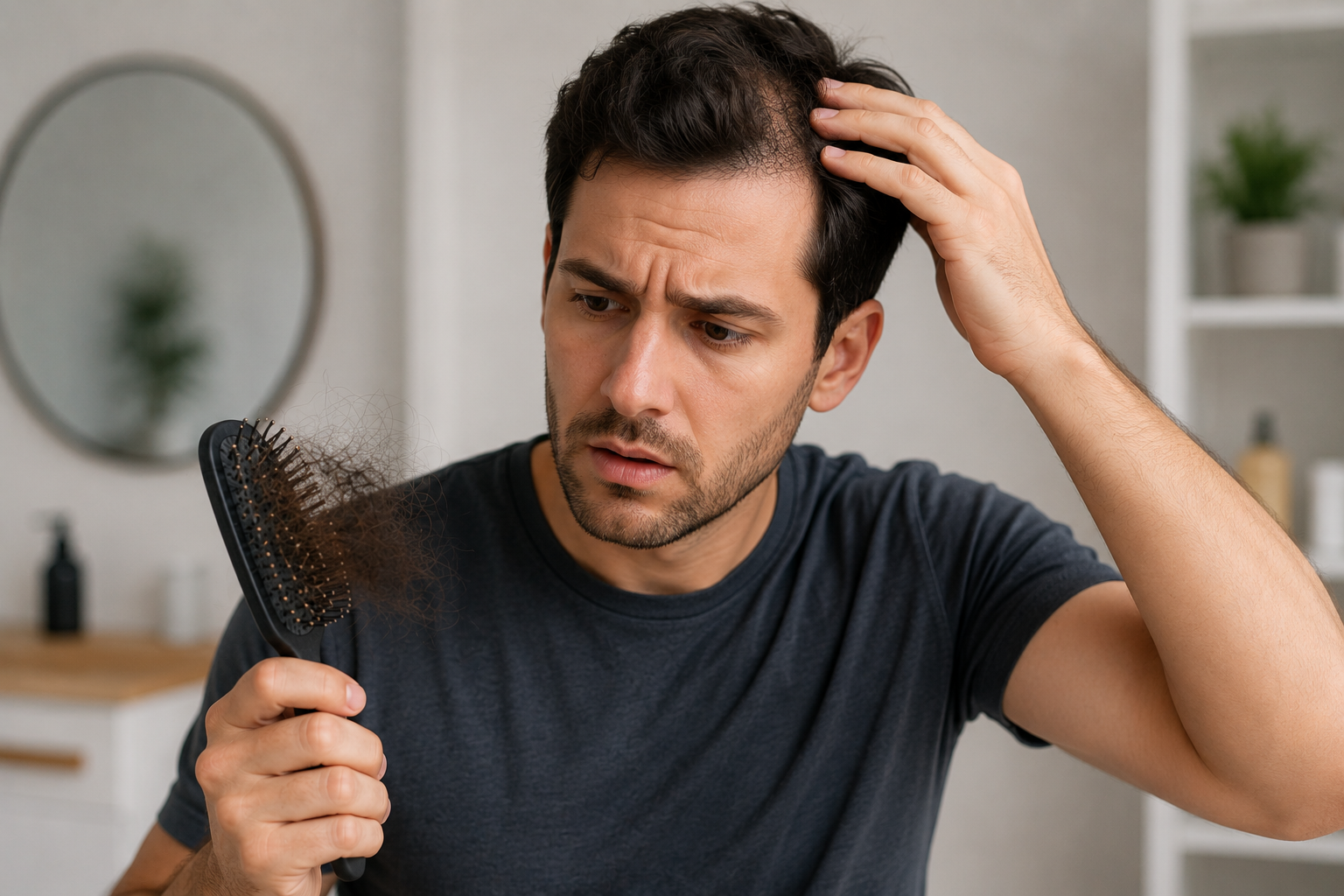
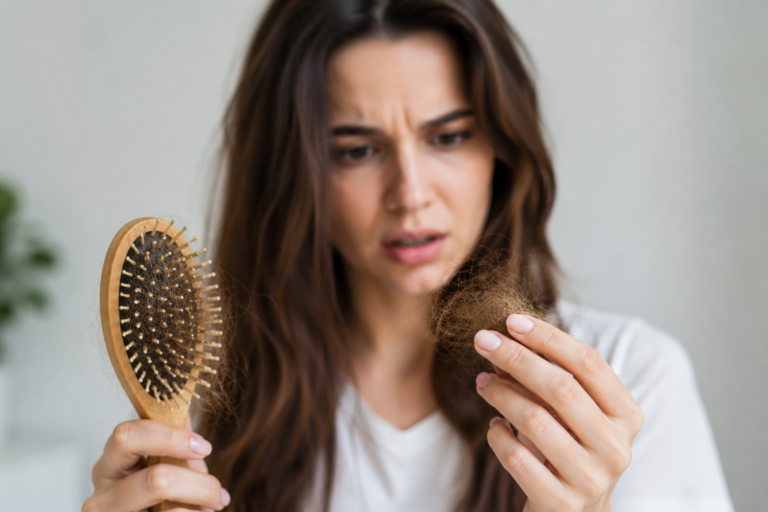
Finding extra strands of hair on your pillow, in the shower, or stuck in your hairbrush can be frightening. If you’ve been asking yourself, “Why is my hair losing so much?”, you’re far from alone. Millions of people experience excessive hair shedding every year, and while some hair loss is completely normal, sudden or persistent thinning can signal an underlying issue that deserves attention.
Hair plays an important role in how we see ourselves. Noticeable hair thinning can affect confidence, self-esteem, social interactions, and even professional life. Many people become anxious when they notice their hairline changing or their ponytail becoming thinner, worrying that permanent baldness is inevitable.
The good news is that many hair loss causes are temporary and treatable. Understanding what is triggering your hair shedding is the first step toward healthier hair growth and long-term prevention.
What Is Hair Loss?
Hair loss, also known medically as alopecia, occurs when hair falls out faster than new hair can replace it. Hair normally grows through repeating cycles of growth, rest, and shedding. When this cycle becomes disrupted, noticeable thinning can occur.
Most people naturally lose between 50 and 100 hairs every day, which is considered completely normal. However, excessive shedding, bald patches, or progressive thinning may indicate a medical or lifestyle-related problem.
Common Signs of Excessive Hair Loss
You should pay closer attention if you notice:
- Hair falling out in large amounts while showering
- A widening hair part
- More hair left on your pillow
- A receding hairline
- Visible scalp through your hair
- Patchy bald spots
- Reduced hair volume over a short period
Early recognition often leads to more successful treatment.
The Most Common Hair Loss Causes
Many different factors can contribute to excessive hair shedding. In some cases, several causes occur together.
Genetic Hair Loss
Hereditary hair loss is the most common cause of long-term thinning in both men and women. If close family members experienced baldness, your own risk is significantly higher.
Men often develop a receding hairline and thinning crown, while women usually notice diffuse thinning across the top of the scalp.
Hormonal Changes
Hormones strongly influence hair follicle activity. Pregnancy, childbirth, menopause, thyroid disorders, and conditions like PCOS can all contribute to hormonal hair loss.
Once hormone levels stabilize or are medically treated, hair growth often improves.
Stress Hair Loss
Physical or emotional stress is one of the leading causes of sudden hair shedding. Illness, surgery, emotional trauma, chronic anxiety, or major life events may trigger a condition called telogen effluvium, where many hair follicles enter the resting phase simultaneously.
Fortunately, stress-related hair loss is usually temporary.
Poor Nutrition
Healthy hair depends on proper nutrition. Restrictive diets, rapid weight loss, or inadequate protein intake may reduce the nutrients needed for healthy hair follicles.
People who frequently skip meals or consume highly processed foods may experience gradual hair thinning over time.
Vitamin Deficiency Hair Loss
Several vitamin and mineral deficiencies have been linked to increased hair shedding.
Important nutrients include:
- Iron
- Vitamin D
- Zinc
- Vitamin B12
- Folate
- Biotin
- Protein
Correcting these deficiencies may help restore normal hair growth when they are identified through medical testing.
Lifestyle Factors That Can Worsen Hair Loss
Certain daily habits can accelerate hair thinning, including:
- Smoking
- Poor sleep quality
- Chronic stress
- Tight hairstyles
- Excessive heat styling
- Frequent chemical treatments
- Crash dieting
Improving these habits can significantly benefit overall hair health.
Can Hair Loss Be Reversed?
The answer depends on the underlying cause. Temporary hair shedding caused by stress, illness, pregnancy, or nutritional deficiencies often improves after the trigger is corrected.
Genetic hair loss is more challenging but can often be slowed using evidence-based treatments such as minoxidil, prescription medications, platelet-rich plasma (PRP), or hair transplantation in appropriate candidates.
Natural approaches such as scalp massage, rosemary oil, balanced nutrition, and adequate sleep may also support healthier hair growth, although they work best alongside proper medical evaluation.
When Should You See a Doctor?
Consult a dermatologist if you experience:
- Sudden severe hair shedding
- Patchy hair loss
- Hair loss lasting longer than six months
- Scalp pain or inflammation
- Hair loss accompanied by fatigue or weight changes
- Loss of eyebrows or eyelashes
Early diagnosis can identify treatable medical conditions before permanent follicle damage occurs.
Final Thoughts
If you’ve been wondering, “Why is my hair losing so much?”, remember that hair loss is often a symptom rather than a disease itself. Genetics, hormones, stress, nutritional deficiencies, illness, and lifestyle factors can all play a role.
The earlier you identify the underlying cause, the better your chances of slowing hair loss and encouraging healthy regrowth. Adopting a nutrient-rich diet, managing stress, improving sleep, and seeking professional medical advice when necessary can make a meaningful difference in your long-term hair health.