Why Is My Hair Losing So Much? A Complete Guide to Hair Loss Recovery
Hair is more than just a physical feature. It plays a major role in identity, confidence, self-image, and how people perceive themselves. So when excessive shedding begins, many people immediately wonder:
“Why is my hair losing so much?”
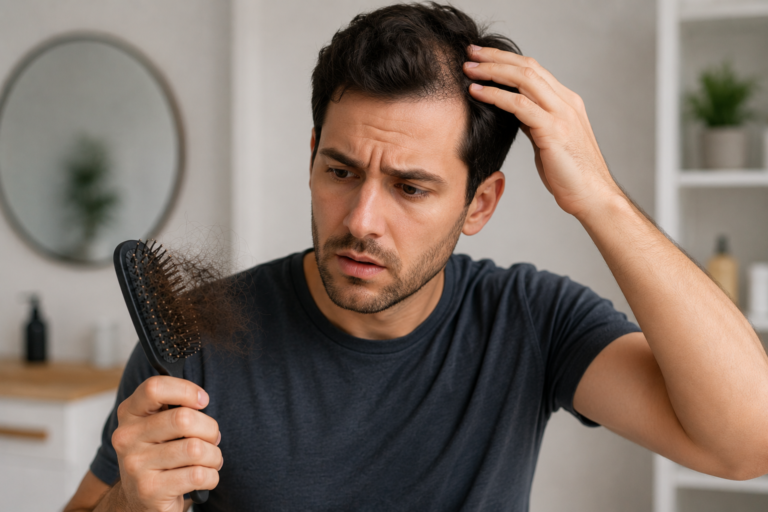
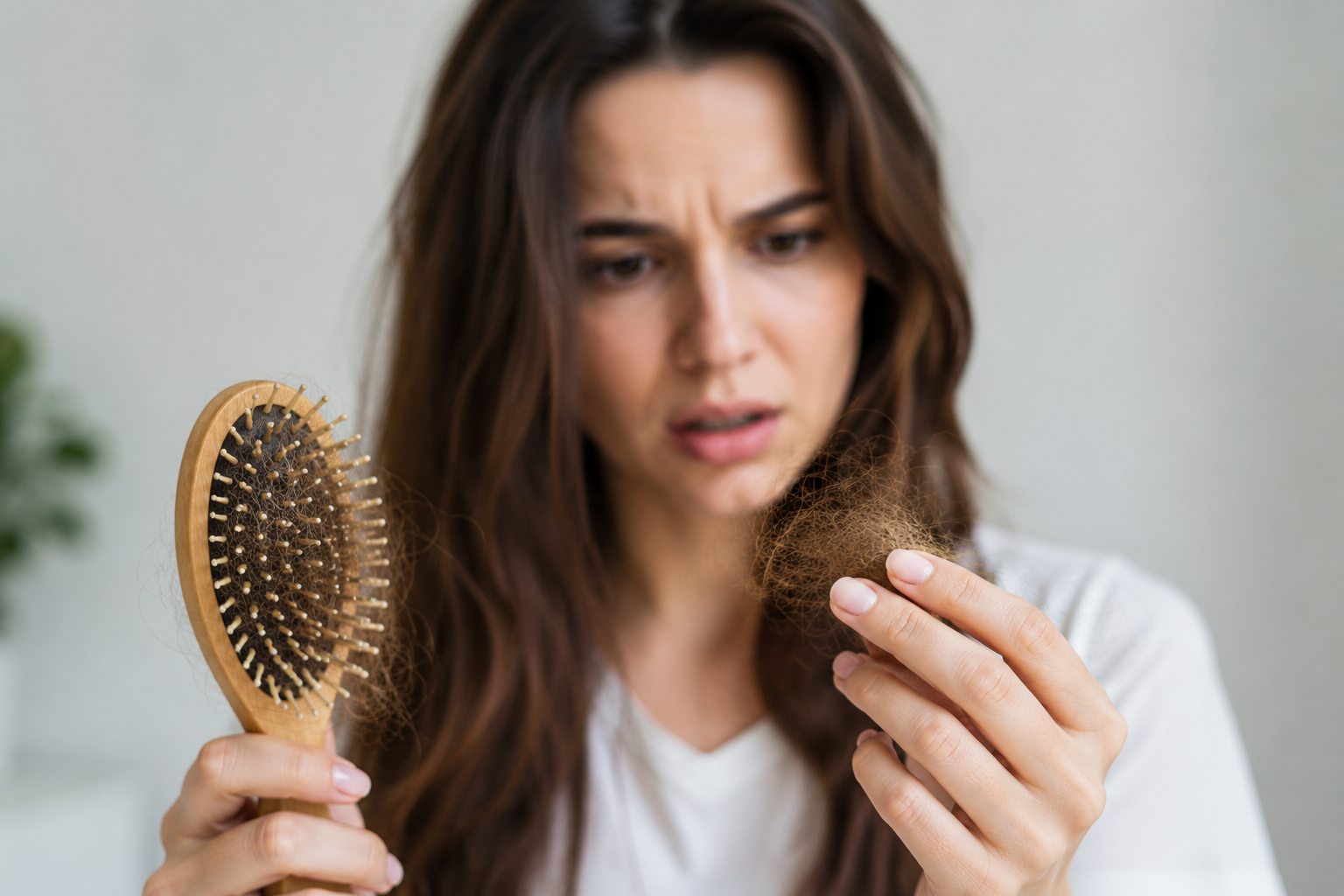
Seeing large amounts of hair in the shower, on the pillow, or on the hairbrush can create anxiety and frustration. Many people become self-conscious about thinning hair, avoid social events, spend money on ineffective products, or feel older than they really are.
Although losing some hair every day is completely normal, excessive shedding may signal an underlying problem that deserves attention.
The good news is that many forms of hair loss are treatable, and early intervention often produces the best results.
This comprehensive guide explains why hair loss happens, who is at risk, what treatments actually work, and what science says about preventing further hair loss naturally and medically.
What Is Hair Loss?
Hair loss, medically known as alopecia, occurs when hair sheds faster than it can regrow.
The average scalp contains approximately 100,000 hair follicles, each cycling through three stages:
- Anagen (growth phase)
- Catagen (transition phase)
- Telogen (resting and shedding phase)
Most people naturally lose between 50 and 100 hairs daily, which is considered normal.
Problems occur when:
- More hairs enter the shedding phase
- Hair follicles shrink
- New hair grows thinner
- Growth stops completely
Over time, noticeable thinning or bald patches may develop.
Why Is My Hair Losing So Much? Common Causes
Many different factors can trigger excessive shedding.
1. Genetics
The most common cause is hereditary hair loss.
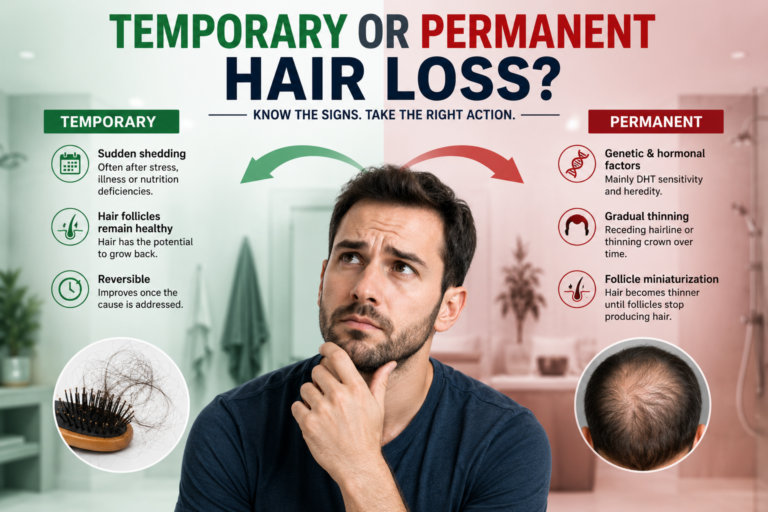
This condition affects both men and women and is caused by sensitivity to DHT (dihydrotestosterone), a hormone that gradually shrinks hair follicles.
Typical signs include:
- Receding hairline
- Crown thinning
- Wider hair part
- Progressive hair miniaturization
2. Stress
Physical and emotional stress can push hair follicles into the shedding phase.
Examples include:
- Divorce
- Job loss
- Surgery
- Serious illness
- High anxiety
- Trauma
Stress-related hair loss often appears 2–3 months after the triggering event.
3. Hormonal Changes
Hormones strongly influence hair growth.
Hair shedding frequently occurs during:
- Pregnancy
- Childbirth
- Menopause
- Thyroid disorders
- Polycystic ovary syndrome (PCOS)
Hormonal imbalance can shorten the hair growth cycle.
4. Nutritional Deficiencies
Hair requires adequate nutrients to grow properly.
Low levels of:
- Iron
- Zinc
- Vitamin D
- Biotin
- Protein
- Vitamin B12
may contribute to excessive shedding.
Crash dieting is another common trigger.
5. Medications
Some medications list hair loss as a side effect, including:
- Blood pressure drugs
- Blood thinners
- Chemotherapy
- Certain antidepressants
- Acne medications
- Hormonal medications
6. Autoimmune Diseases
Conditions such as alopecia areata occur when the immune system mistakenly attacks hair follicles.
Hair often falls out suddenly in round patches.
7. Scalp Conditions
Healthy hair begins with a healthy scalp.
Problems include:
- Fungal infections
- Psoriasis
- Seborrheic dermatitis
- Chronic inflammation
These conditions may interfere with healthy growth.
Risk Factors for Hair Loss
Several factors increase your likelihood of developing hair loss:
- Family history
- Aging
- Chronic stress
- Poor nutrition
- Smoking
- Hormonal disorders
- Certain medications
- Rapid weight loss
- Autoimmune diseases
- Scalp infections
Signs and Symptoms
Hair loss can appear in several ways.
Common symptoms include:
- More hair on pillows
- Hair clogging shower drains
- Increased hair in brush
- Visible scalp
- Widening hair part
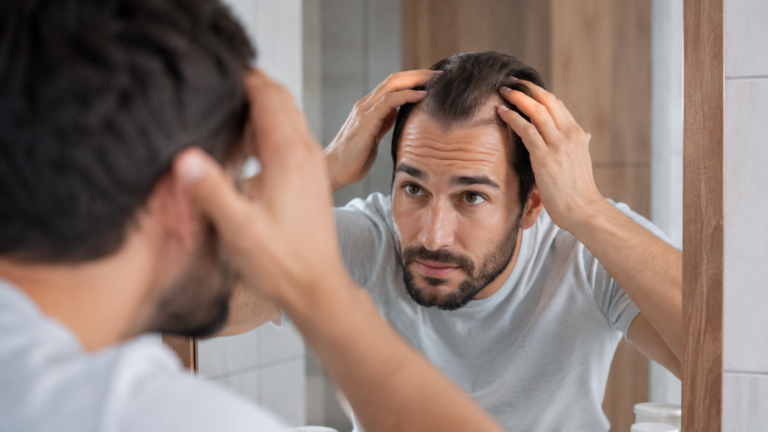
- Receding hairline
- Bald patches
- Thinner ponytail
- Slow regrowth
Early recognition improves treatment success.
Hair Loss Types Comparison
| Type | Main Cause | Reversible? |
| Androgenetic Alopecia | Genetics | No, manageable |
| Telogen Effluvium | Stress, illness | Usually yes |
| Alopecia Areata | Autoimmune | Sometimes |
| Traction Alopecia | Tight hairstyles | Early stages yes |
| Nutritional Hair Loss | Deficiencies | Yes |
| Hormonal Hair Loss | Hormones | Often yes |
The Psychological Impact of Hair Loss
Hair loss affects more than appearance.
Many individuals experience:
- Lower confidence
- Anxiety
- Social withdrawal
- Embarrassment
- Depression
- Reduced self-esteem
Studies suggest appearance-related concerns can significantly affect quality of life.
People may avoid photographs, dating, swimming, or public events due to fear of visible thinning.
Seeking treatment early often improves both appearance and emotional well-being.
Social Impact of Hair Loss
Hair influences first impressions and perceived attractiveness in many cultures.
Some people report:
- Feeling older
- Reduced workplace confidence
- Relationship insecurity
- Avoiding social interaction
- Increased self-consciousness
While hair loss does not define someone’s worth, addressing concerns can improve overall confidence and quality of life.
How Doctors Diagnose Hair Loss
Evaluation may include:
- Medical history
- Physical scalp examination
- Pull test
- Dermoscopy
- Blood tests
- Hormone evaluation
- Thyroid testing
- Iron studies
- Scalp biopsy (rare)
Proper diagnosis helps identify the correct treatment.
Lifestyle Changes That May Improve Hair Health
Small habits can make a significant difference.
Eat More Protein
Hair is primarily made from keratin protein.
Good sources:
- Eggs
- Chicken
- Fish
- Greek yogurt
- Beans
- Lentils
Improve Sleep
Poor sleep increases stress hormones that may disrupt hair growth cycles.
Aim for 7–9 hours nightly.
Reduce Stress
Helpful strategies:
- Meditation
- Walking
- Yoga
- Exercise
- Deep breathing
- Counseling
Quit Smoking
Smoking reduces blood circulation to hair follicles and increases oxidative stress.
Avoid Tight Hairstyles
Braids, ponytails, and extensions can cause traction alopecia over time.
Natural Solutions for Hair Loss
Natural remedies may support scalp health but generally produce gradual results.
Popular options include:
Rosemary Oil
Research suggests rosemary oil may promote hair growth similarly to some medical treatments after prolonged use.
Scalp Massage
Daily massage may improve circulation around follicles.
Pumpkin Seed Oil
Contains compounds that may influence DHT pathways.
Peppermint Oil
May stimulate follicles in preliminary studies.
Balanced Diet
Whole foods support healthier hair production.
Natural remedies work best alongside medical evaluation rather than replacing proven therapies.
Medical Treatments That Actually Work
Minoxidil
One of the most widely studied hair loss treatments.
Benefits:
- Extends growth phase
- Improves density
- Available without prescription
Pros:
- Effective
- Affordable
- Easy to use
Cons:
- Requires ongoing use
- Temporary shedding may occur initially
Finasteride (Men)
Blocks DHT production.
Pros:
- Strong evidence
- Slows male pattern baldness
Cons:
- Prescription required
- Potential sexual side effects
Dutasteride
May be more potent than finasteride but is not approved for hair loss in many countries.
PRP Therapy
Platelet-rich plasma injections use growth factors from the patient’s own blood.
Many dermatologists use PRP for early thinning.
Hair Transplant Surgery
Ideal for stable pattern baldness.
Provides permanent redistribution of healthy follicles.
Low-Level Laser Therapy
Laser caps and helmets may stimulate follicles in certain individuals.
Best Supplements for Hair Healt
Supplements help most when a deficiency exists.
Popular options include:
- Biotin
- Iron
- Zinc
- Vitamin D
- Marine collagen
- Saw palmetto
- Omega-3 fatty acids
Always consult a healthcare professional before beginning supplementation.
Latest Research on Hair Loss
Hair restoration research continues advancing rapidly.
Scientists are studying:
- Stem cell therapies
- Hair follicle cloning
- Exosome treatments
- JAK inhibitors
- Growth factor injections
- Tissue engineering
Several promising therapies remain under investigation and require additional clinical trials before widespread use.
Hair Loss Treatments Comparison
| Treatment | Evidence | Best For |
| Minoxidil | Excellent | Men & women |
| Finasteride | Excellent | Men |
| PRP | Moderate | Early thinning |
| Hair Transplant | Excellent | Permanent restoration |
| Laser Therapy | Moderate | Mild thinning |
| Rosemary Oil | Emerging | Supportive care |
Expert Tips
- Seek evaluation if shedding lasts longer than three months.
- Avoid crash diets.
- Use gentle shampoos.
- Minimize heat styling.
- Protect hair from UV exposure.
- Manage stress proactively.
- Correct nutritional deficiencies.
- Begin treatment early for best outcomes.
Hair Growth Products Worth Considering
After understanding the underlying cause of hair loss, many people choose to incorporate evidence-supported hair growth products into their routine.
Popular options include:
- Minoxidil topical solutions
- DHT-blocking shampoos
- Biotin-based supplements
- Rosemary oil scalp serums
- Peptide hair serums
- Laser therapy caps
Readers interested in improving hair density may also explore high-quality topical hair growth serums, clinically tested scalp treatments, or daily nutritional supplements designed for healthy hair growth through trusted retailers.
(Excellent location for affiliate links)
Another useful resource is a complete guide comparing the best hair growth supplements for men and women.
(Second affiliate opportunity)
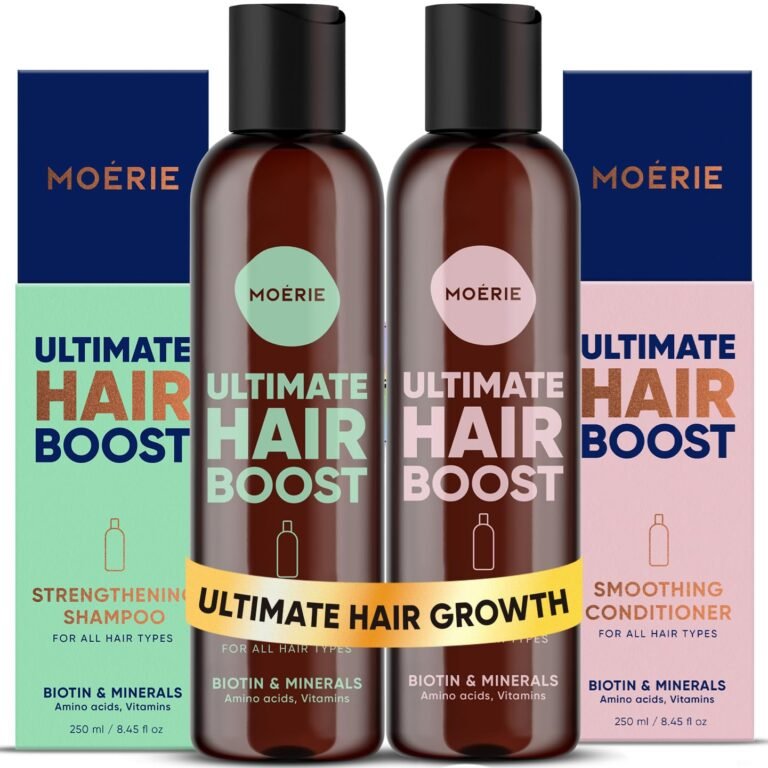
For individuals seeking premium scalp care, professional hair restoration shampoos and conditioners may complement an overall treatment strategy.
(Third affiliate opportunity)
Frequently Asked Questions
Why is my hair losing so much suddenly?
Sudden hair loss often results from stress, illness, hormonal changes, medications, or nutritional deficiencies.
Is losing 100 hairs a day normal?
Yes. Most healthy adults lose between 50 and 100 hairs daily.
Can stress really cause hair loss?
Yes. Stress can trigger telogen effluvium, leading to noticeable shedding several months later.
Can hair grow back after thinning?
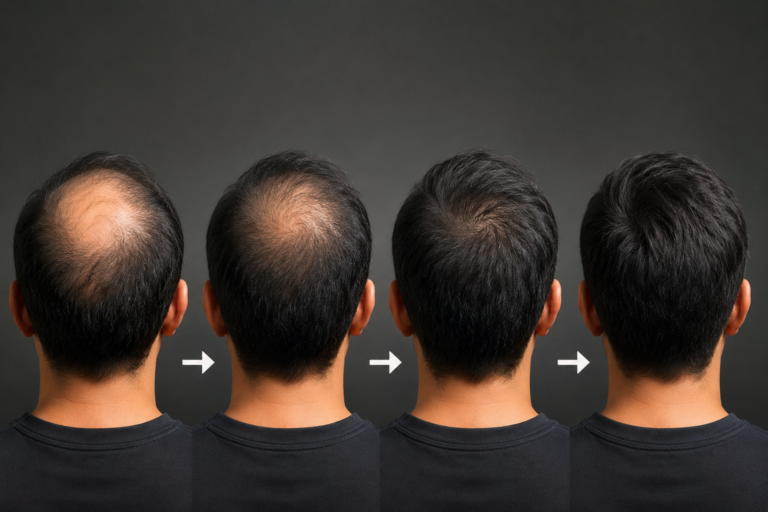
Many forms of hair loss are reversible when the underlying cause is treated early.
Which vitamin deficiency causes hair loss?
Iron deficiency, vitamin D deficiency, zinc deficiency, and low vitamin B12 levels are commonly associated with hair shedding.
Does biotin help hair growth?
Biotin mainly helps people who are deficient, but evidence for routine supplementation remains limited.
What is the best treatment for hereditary hair loss?
Minoxidil and finasteride currently have the strongest scientific evidence for treating androgenetic alopecia.
When should I see a doctor for hair loss?
Seek medical evaluation if shedding is sudden, severe, accompanied by scalp symptoms, or continues for more than three months.
Conclusion
If you’ve been asking, “Why is my hair losing so much?”, you’re certainly not alone. Hair loss affects millions of people worldwide and can have a significant impact on confidence and emotional well-being.
The encouraging news is that excessive shedding often has an identifiable cause. Whether related to genetics, stress, hormones, nutrition, or medical conditions, early diagnosis and evidence-based treatment can greatly improve outcomes.
Healthy habits, proper nutrition, scientifically supported treatments, and consistent scalp care can all contribute to healthier hair growth over time.
If your hair loss is becoming noticeable, don’t ignore it. Consulting a qualified healthcare professional and beginning treatment early offers the best chance of preserving your hair and restoring confidence.