Best Hair Loss Shampoo for Men: 7 Things to Look For
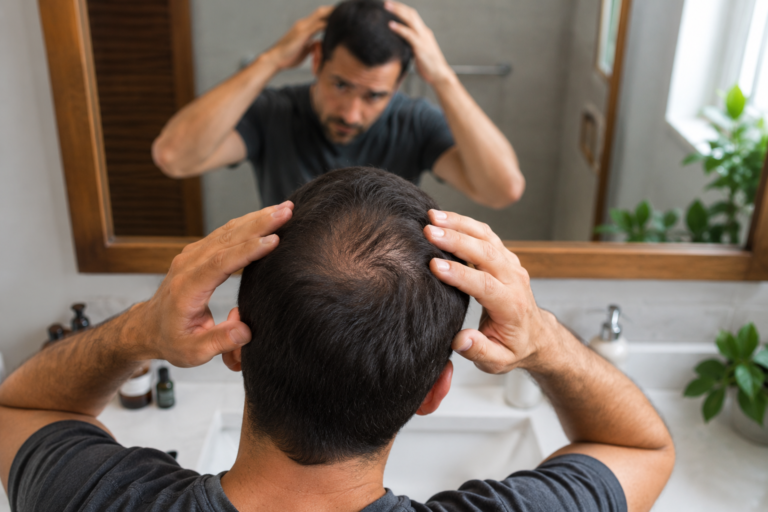
Hair thinning can be frustrating, especially when you start noticing more scalp around your hairline or crown.
For many men, choosing a shampoo is one of the first steps they consider when they notice increased shedding or thinner-looking hair.
But with so many products marketed as “hair loss shampoos,” it can be difficult to know what actually matters.
So, what should you look for when choosing the best hair loss shampoo for men?
The answer depends on your hair type, scalp condition, the cause of your hair loss, and what you expect a shampoo to do.
A good shampoo can help keep the scalp clean, reduce buildup, minimize breakage, and make thinning hair look healthier and fuller. However, shampoo alone is not a guaranteed treatment for male pattern hair loss.
In this guide, we’ll explain seven important things men should consider when choosing a shampoo for thinning hair.
Can Shampoo Really Help With Hair Loss?
Before choosing a product, it is important to understand what shampoo can and cannot do.
Hair loss can have many causes. Genetics, hormonal changes, stress, illness, nutritional deficiencies, medications, and scalp conditions can all contribute to thinning or shedding.
Male pattern hair loss, also known as androgenetic alopecia, is one of the most common causes of hair loss in men. It often begins around the hairline or crown and can gradually progress over time.
A shampoo works primarily on the hair and scalp rather than treating the underlying cause of genetic hair loss.
However, the right shampoo can still be useful as part of a healthy hair-care routine.
The American Academy of Dermatology notes that hair-loss shampoos may help hair retain moisture, appear fuller, and reduce breakage, but they cannot regrow hair or prevent hair loss from worsening.
That is why it is better to think of shampoo as one part of a hair-care routine, rather than a complete solution for every type of hair loss.
1. Choose a Shampoo That Is Gentle on the Scalp
One of the first things to consider is how your scalp feels after washing.
A harsh shampoo can leave the scalp feeling dry, tight, irritated, or uncomfortable.
If your hair is already thinning, excessive dryness or rough handling can make your hair look and feel worse.
Look for a formula that cleans the scalp effectively without leaving it excessively dry.
You should also avoid aggressively scrubbing your scalp or pulling on wet hair.
Gentle hair care can help reduce unnecessary damage and breakage. Dermatologists recommend treating hair gently and avoiding practices that can cause additional damage.
2. Consider Your Scalp Type
Not every shampoo is suitable for every scalp.
Some men have oily scalps, while others experience dryness or sensitivity.
If your scalp becomes oily quickly, you may need a shampoo that effectively removes excess oil and buildup.
If your scalp is dry or sensitive, a gentler moisturizing formula may be more appropriate.
The goal is to keep the scalp clean and comfortable without excessive washing or aggressive scrubbing.
A healthy-looking scalp provides a better environment for normal hair care, even though shampoo itself cannot address every underlying cause of hair loss.
3. Look at the Ingredients
When comparing hair loss shampoos for men, don’t focus only on the words printed on the front of the bottle.
Look at the ingredient list.
Different shampoos contain different combinations of cleansing agents, conditioning ingredients, botanical extracts, caffeine, proteins, moisturizers, and other compounds.
However, an ingredient appearing on a label does not automatically mean that the finished shampoo has been proven to regrow hair.
This distinction is important because many hair products use marketing language that can sound more impressive than the available scientific evidence.
Instead of looking for a “miracle ingredient,” consider whether the formula is appropriate for your scalp and hair type.
4. Think About Hair Breakage
Sometimes hair can appear thinner because strands are breaking more easily.
Breakage is different from hair shedding from the follicle.
When hair becomes dry, brittle, or damaged, individual strands may break before reaching their normal length.
This can make the hair look less dense and less healthy.
A suitable shampoo combined with conditioner and gentle styling can help reduce unnecessary mechanical damage.
Avoid excessive heat, aggressive brushing, and hairstyles that place constant tension on the hair.
These simple habits can be especially useful if your hair already feels fragile.
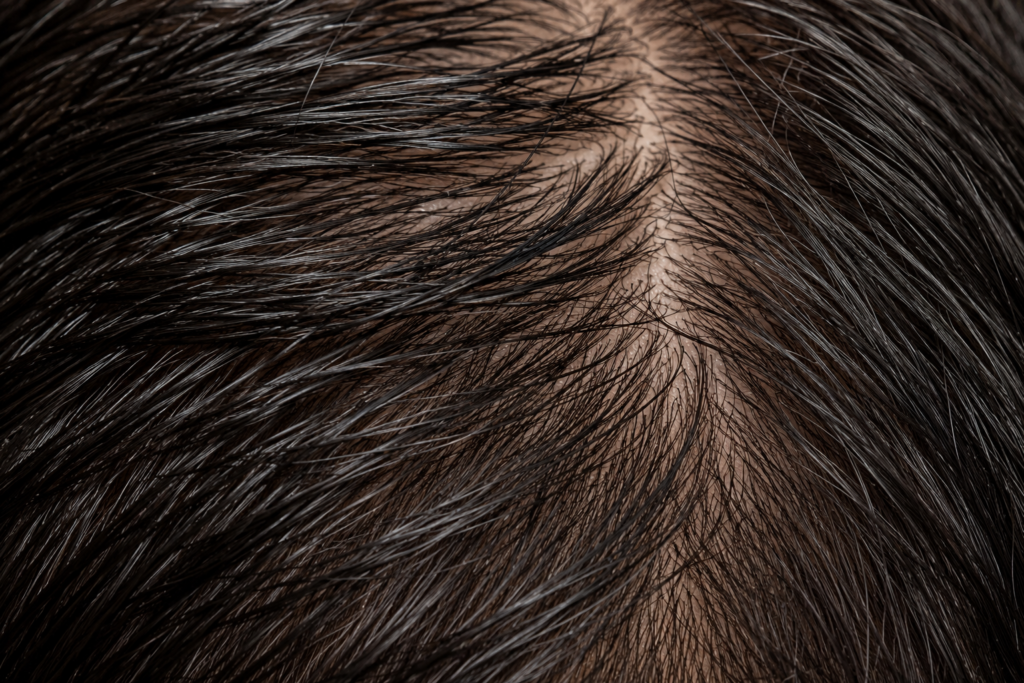
5. Don’t Expect Shampoo to Treat Every Type of Hair Loss
This may be the most important point.
If your hair loss is caused by male pattern baldness, changing shampoos may not be enough.
Male pattern hair loss is influenced by genetics and hormones, and effective medical treatments are available for some men.
The American Academy of Dermatology lists topical minoxidil among the FDA-approved treatments for male pattern hair loss. It can reduce hair loss and stimulate some hair growth, although results vary between individuals.
Mayo Clinic also notes that minoxidil is available in several forms, including liquid, foam, and shampoo, although the application method and effectiveness depend on the formulation.
This is why men with persistent or progressive hair loss should consider identifying the underlying cause instead of relying only on shampoo.
6. Look for a Routine You Can Actually Follow
The best hair-care product is often one that you can use consistently.
If a shampoo is difficult to use, irritates your scalp, or does not fit your normal routine, you are less likely to use it consistently.
A simple routine can include:
- Washing the scalp appropriately for your hair type
- Using a gentle shampoo
- Conditioning the hair when needed
- Avoiding excessive heat
- Brushing gently
- Avoiding hairstyles that pull on the scalp
- Paying attention to changes in shedding
Consistency matters because hair appearance changes gradually.
Don’t expect a shampoo to transform your hair overnight.
7. Consider a Specialized Hair-Loss Shampoo
Some men prefer using a shampoo specifically formulated for thinning or shedding hair rather than a general shampoo.
These products may be designed to cleanse the scalp while supporting the appearance and condition of thinning hair.
For example, some specialized formulas contain combinations of ingredients intended to support scalp care, cleanse buildup, and improve the feel or appearance of the hair.
However, it is important to evaluate the product realistically.
A specialized shampoo should be considered part of a broader hair-care routine rather than a guaranteed cure for baldness.
If you’re interested in trying a specialized shampoo designed specifically for men’s thinning hair, you can [learn more about this hair-loss shampoo for men here].
What Should Men Avoid When Choosing a Hair Loss Shampoo?
There are several warning signs worth considering.
Be cautious about products that promise instant results or guarantee complete hair regrowth.
Hair growth is a slow biological process, and the cause of hair loss matters.
You should also be careful with aggressive claims such as:
- “Guaranteed hair regrowth”
- “Stops baldness instantly”
- “Works for everyone”
- “Permanent results in days”
These claims should make you question the quality of the information behind the product.
A better approach is to look for realistic information about what the product is designed to do and how it fits into an overall hair-care routine.
How Often Should Men Wash Thinning Hair?
There is no single washing schedule that works for every man.
Your ideal frequency depends on your scalp type, hair texture, activity level, and the products you use.
Men with oily scalps may need more frequent washing, while men with dry or curly hair may need less frequent washing.
The goal is to keep the scalp clean without unnecessarily drying or irritating it.
If your scalp becomes itchy, painful, excessively flaky, or irritated, consider discussing the problem with a dermatologist.
Can a Hair Loss Shampoo Make Hair Look Thicker?
It can sometimes improve the appearance of thinning hair.
For example, a shampoo that helps the hair retain moisture or reduces breakage may make the hair look healthier or fuller.
The American Academy of Dermatology specifically notes that some hair-loss shampoos can help hair hold moisture, making it appear fuller and thicker, while also reducing breakage.
However, this is different from actually regrowing lost hair.
Understanding this difference can help you set realistic expectations.
When Should Men See a Dermatologist?
If you are losing a significant amount of hair, it is worth finding out why.
A dermatologist can examine your scalp and determine what type of hair loss you may have.
This is important because different causes require different approaches.
For example, gradual recession at the hairline and thinning at the crown may suggest male pattern hair loss, while sudden patchy loss may have a different cause.
You should consider professional evaluation if your hair loss is:
- Sudden
- Rapidly progressing
- Occurring in patches
- Associated with scalp pain or inflammation
- Accompanied by significant itching or scaling
- Continuing despite changes to your hair-care routine
Early evaluation can make it easier to identify the underlying cause and discuss appropriate treatment options.
Hair Care Habits That Can Support Thinning Hair
Your shampoo is only one part of the picture.
Other habits can also help protect the hair you still have.
Try to:
- Handle wet hair gently
- Reduce excessive heat styling
- Avoid very tight hairstyles
- Use conditioner when appropriate
- Avoid aggressive brushing
- Maintain a balanced diet
- Get enough protein and essential nutrients
- Manage ongoing stress
- Avoid smoking
These habits won’t necessarily stop genetic hair loss, but they can help reduce avoidable hair damage and support healthier-looking hair.
Best Hair Loss Shampoo for Men: What Matters Most?
When choosing the best hair loss shampoo for men, don’t focus only on the biggest marketing promise.
Instead, consider:
- Whether the formula is gentle on your scalp
- Whether it matches your scalp type
- The ingredients used
- Whether it helps reduce breakage
- Whether your expectations are realistic
- Whether it fits your daily routine
- Whether it is designed for thinning or fragile hair
Most importantly, remember that shampoo and medical hair-loss treatments are not the same thing.
If your hair loss is caused by male pattern baldness or another medical condition, a dermatologist can help you identify the cause and discuss treatments supported by evidence.
Frequently Asked Questions
What is the best hair loss shampoo for men?
The best shampoo depends on your scalp type, hair condition, and the cause of your hair loss. A gentle shampoo designed for thinning or fragile hair can be useful as part of a broader hair-care routine.
Can shampoo stop male pattern baldness?
Shampoo alone cannot reliably stop male pattern baldness. Male pattern hair loss is influenced by genetics and hormones, and treatments such as minoxidil may be considered for some men.
Can hair loss shampoo regrow lost hair?
Most hair-loss shampoos should not be viewed as treatments that regrow lost hair. They may improve the appearance of hair, reduce breakage, or help maintain a healthy scalp.
How often should I use hair loss shampoo?
There is no universal schedule. The right frequency depends on your scalp type, hair texture, lifestyle, and the specific shampoo. Follow the product instructions and adjust your routine based on how your scalp responds.
Is Folicerin suitable for men with thinning hair?
Folicerin is marketed as a specialized anti-hair-loss shampoo for men. If you are considering it, review the product information and use it according to the manufacturer’s directions. If hair loss is persistent or progressing, consider speaking with a dermatologist rather than relying on shampoo alone.
How long does it take to see changes in thinning hair?
Hair changes generally take time. The timeline depends heavily on the cause of hair loss and the approach being used. Medical treatments for male pattern hair loss, for example, can take months before noticeable results appear.
Final Thoughts
Finding the best hair loss shampoo for men starts with understanding what shampoo can realistically do.
A good shampoo can help keep the scalp clean, reduce breakage, improve moisture, and make thinning hair look healthier and fuller.
But shampoo is not a universal solution for hair loss.
If you are experiencing progressive thinning, a receding hairline, or noticeable bald spots, identifying the underlying cause is more important than simply switching shampoos.
For men who want to add a specialized hair-care product to their routine, a product formulated specifically for thinning hair may be worth considering.
The most important thing is to choose a product that fits your scalp and hair needs while keeping realistic expectations about the results.
Healthy-looking hair starts with consistent care, realistic expectations, and understanding the cause of hair loss.
Best Hair Loss Shampoo for Men: 7 Things to Look For
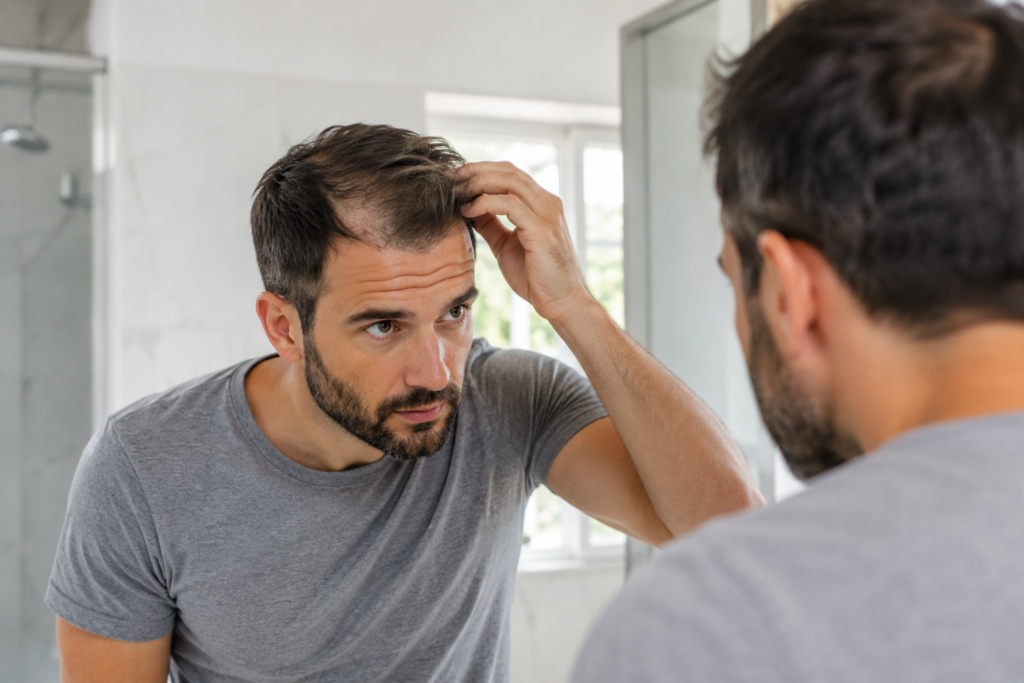
Hair thinning can be frustrating, especially when you start noticing more scalp around your hairline or crown.
For many men, choosing a shampoo is one of the first steps they consider when they notice increased shedding or thinner-looking hair.
But with so many products marketed as “hair loss shampoos,” it can be difficult to know what actually matters.
So, what should you look for when choosing the best hair loss shampoo for men?
The answer depends on your hair type, scalp condition, the cause of your hair loss, and what you expect a shampoo to do.
A good shampoo can help keep the scalp clean, reduce buildup, minimize breakage, and make thinning hair look healthier and fuller. However, shampoo alone is not a guaranteed treatment for male pattern hair loss.
In this guide, we’ll explain seven important things men should consider when choosing a shampoo for thinning hair.
Can Shampoo Really Help With Hair Loss?
Before choosing a product, it is important to understand what shampoo can and cannot do.
Hair loss can have many causes. Genetics, hormonal changes, stress, illness, nutritional deficiencies, medications, and scalp conditions can all contribute to thinning or shedding.
Male pattern hair loss, also known as androgenetic alopecia, is one of the most common causes of hair loss in men. It often begins around the hairline or crown and can gradually progress over time.
A shampoo works primarily on the hair and scalp rather than treating the underlying cause of genetic hair loss.
However, the right shampoo can still be useful as part of a healthy hair-care routine.
The American Academy of Dermatology notes that hair-loss shampoos may help hair retain moisture, appear fuller, and reduce breakage, but they cannot regrow hair or prevent hair loss from worsening.
That is why it is better to think of shampoo as one part of a hair-care routine, rather than a complete solution for every type of hair loss.
1. Choose a Shampoo That Is Gentle on the Scalp
One of the first things to consider is how your scalp feels after washing.
A harsh shampoo can leave the scalp feeling dry, tight, irritated, or uncomfortable.
If your hair is already thinning, excessive dryness or rough handling can make your hair look and feel worse.
Look for a formula that cleans the scalp effectively without leaving it excessively dry.
You should also avoid aggressively scrubbing your scalp or pulling on wet hair.
Gentle hair care can help reduce unnecessary damage and breakage. Dermatologists recommend treating hair gently and avoiding practices that can cause additional damage.
2. Consider Your Scalp Type
Not every shampoo is suitable for every scalp.
Some men have oily scalps, while others experience dryness or sensitivity.
If your scalp becomes oily quickly, you may need a shampoo that effectively removes excess oil and buildup.
If your scalp is dry or sensitive, a gentler moisturizing formula may be more appropriate.
The goal is to keep the scalp clean and comfortable without excessive washing or aggressive scrubbing.
A healthy-looking scalp provides a better environment for normal hair care, even though shampoo itself cannot address every underlying cause of hair loss.
3. Look at the Ingredients
When comparing hair loss shampoos for men, don’t focus only on the words printed on the front of the bottle.
Look at the ingredient list.
Different shampoos contain different combinations of cleansing agents, conditioning ingredients, botanical extracts, caffeine, proteins, moisturizers, and other compounds.
However, an ingredient appearing on a label does not automatically mean that the finished shampoo has been proven to regrow hair.
This distinction is important because many hair products use marketing language that can sound more impressive than the available scientific evidence.
Instead of looking for a “miracle ingredient,” consider whether the formula is appropriate for your scalp and hair type.
4. Think About Hair Breakage
Sometimes hair can appear thinner because strands are breaking more easily.
Breakage is different from hair shedding from the follicle.
When hair becomes dry, brittle, or damaged, individual strands may break before reaching their normal length.
This can make the hair look less dense and less healthy.
A suitable shampoo combined with conditioner and gentle styling can help reduce unnecessary mechanical damage.
Avoid excessive heat, aggressive brushing, and hairstyles that place constant tension on the hair.
These simple habits can be especially useful if your hair already feels fragile.
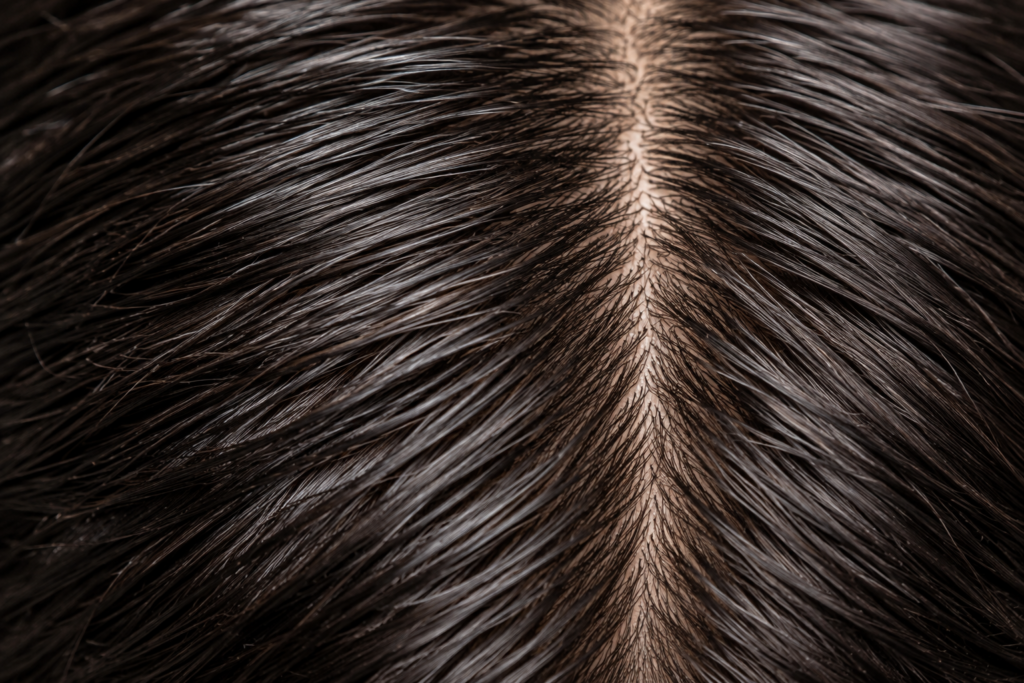
5. Don’t Expect Shampoo to Treat Every Type of Hair Loss
This may be the most important point.
If your hair loss is caused by male pattern baldness, changing shampoos may not be enough.
Male pattern hair loss is influenced by genetics and hormones, and effective medical treatments are available for some men.
The American Academy of Dermatology lists topical minoxidil among the FDA-approved treatments for male pattern hair loss. It can reduce hair loss and stimulate some hair growth, although results vary between individuals.
Mayo Clinic also notes that minoxidil is available in several forms, including liquid, foam, and shampoo, although the application method and effectiveness depend on the formulation.
This is why men with persistent or progressive hair loss should consider identifying the underlying cause instead of relying only on shampoo.
6. Look for a Routine You Can Actually Follow
The best hair-care product is often one that you can use consistently.
If a shampoo is difficult to use, irritates your scalp, or does not fit your normal routine, you are less likely to use it consistently.
A simple routine can include:
- Washing the scalp appropriately for your hair type
- Using a gentle shampoo
- Conditioning the hair when needed
- Avoiding excessive heat
- Brushing gently
- Avoiding hairstyles that pull on the scalp
- Paying attention to changes in shedding
Consistency matters because hair appearance changes gradually.
Don’t expect a shampoo to transform your hair overnight.
7. Consider a Specialized Hair-Loss Shampoo
Some men prefer using a shampoo specifically formulated for thinning or shedding hair rather than a general shampoo.
These products may be designed to cleanse the scalp while supporting the appearance and condition of thinning hair.
For example, some specialized formulas contain combinations of ingredients intended to support scalp care, cleanse buildup, and improve the feel or appearance of the hair.
However, it is important to evaluate the product realistically.
A specialized shampoo should be considered part of a broader hair-care routine rather than a guaranteed cure for baldness.
If you’re interested in trying a specialized shampoo designed specifically for men’s thinning hair, you can [learn more about this hair-loss shampoo for men here].
What Should Men Avoid When Choosing a Hair Loss Shampoo?
There are several warning signs worth considering.
Be cautious about products that promise instant results or guarantee complete hair regrowth.
Hair growth is a slow biological process, and the cause of hair loss matters.
You should also be careful with aggressive claims such as:
- “Guaranteed hair regrowth”
- “Stops baldness instantly”
- “Works for everyone”
- “Permanent results in days”
These claims should make you question the quality of the information behind the product.
A better approach is to look for realistic information about what the product is designed to do and how it fits into an overall hair-care routine.
How Often Should Men Wash Thinning Hair?
There is no single washing schedule that works for every man.
Your ideal frequency depends on your scalp type, hair texture, activity level, and the products you use.
Men with oily scalps may need more frequent washing, while men with dry or curly hair may need less frequent washing.
The goal is to keep the scalp clean without unnecessarily drying or irritating it.
If your scalp becomes itchy, painful, excessively flaky, or irritated, consider discussing the problem with a dermatologist.
Can a Hair Loss Shampoo Make Hair Look Thicker?
It can sometimes improve the appearance of thinning hair.
For example, a shampoo that helps the hair retain moisture or reduces breakage may make the hair look healthier or fuller.
The American Academy of Dermatology specifically notes that some hair-loss shampoos can help hair hold moisture, making it appear fuller and thicker, while also reducing breakage.
However, this is different from actually regrowing lost hair.
Understanding this difference can help you set realistic expectations.
When Should Men See a Dermatologist?
If you are losing a significant amount of hair, it is worth finding out why.
A dermatologist can examine your scalp and determine what type of hair loss you may have.
This is important because different causes require different approaches.
For example, gradual recession at the hairline and thinning at the crown may suggest male pattern hair loss, while sudden patchy loss may have a different cause.
You should consider professional evaluation if your hair loss is:
- Sudden
- Rapidly progressing
- Occurring in patches
- Associated with scalp pain or inflammation
- Accompanied by significant itching or scaling
- Continuing despite changes to your hair-care routine
Early evaluation can make it easier to identify the underlying cause and discuss appropriate treatment options.
Hair Care Habits That Can Support Thinning Hair
Your shampoo is only one part of the picture.
Other habits can also help protect the hair you still have.
Try to:
- Handle wet hair gently
- Reduce excessive heat styling
- Avoid very tight hairstyles
- Use conditioner when appropriate
- Avoid aggressive brushing
- Maintain a balanced diet
- Get enough protein and essential nutrients
- Manage ongoing stress
- Avoid smoking
These habits won’t necessarily stop genetic hair loss, but they can help reduce avoidable hair damage and support healthier-looking hair.
Best Hair Loss Shampoo for Men: What Matters Most?
When choosing the best hair loss shampoo for men, don’t focus only on the biggest marketing promise.
Instead, consider:
- Whether the formula is gentle on your scalp
- Whether it matches your scalp type
- The ingredients used
- Whether it helps reduce breakage
- Whether your expectations are realistic
- Whether it fits your daily routine
- Whether it is designed for thinning or fragile hair
Most importantly, remember that shampoo and medical hair-loss treatments are not the same thing.
If your hair loss is caused by male pattern baldness or another medical condition, a dermatologist can help you identify the cause and discuss treatments supported by evidence.
Frequently Asked Questions
What is the best hair loss shampoo for men?
The best shampoo depends on your scalp type, hair condition, and the cause of your hair loss. A gentle shampoo designed for thinning or fragile hair can be useful as part of a broader hair-care routine.
Can shampoo stop male pattern baldness?
Shampoo alone cannot reliably stop male pattern baldness. Male pattern hair loss is influenced by genetics and hormones, and treatments such as minoxidil may be considered for some men.
Can hair loss shampoo regrow lost hair?
Most hair-loss shampoos should not be viewed as treatments that regrow lost hair. They may improve the appearance of hair, reduce breakage, or help maintain a healthy scalp.
How often should I use hair loss shampoo?
There is no universal schedule. The right frequency depends on your scalp type, hair texture, lifestyle, and the specific shampoo. Follow the product instructions and adjust your routine based on how your scalp responds.
Is Folicerin suitable for men with thinning hair?
Folicerin is marketed as a specialized anti-hair-loss shampoo for men. If you are considering it, review the product information and use it according to the manufacturer’s directions. If hair loss is persistent or progressing, consider speaking with a dermatologist rather than relying on shampoo alone.
How long does it take to see changes in thinning hair?
Hair changes generally take time. The timeline depends heavily on the cause of hair loss and the approach being used. Medical treatments for male pattern hair loss, for example, can take months before noticeable results appear.
Final Thoughts
Finding the best hair loss shampoo for men starts with understanding what shampoo can realistically do.
A good shampoo can help keep the scalp clean, reduce breakage, improve moisture, and make thinning hair look healthier and fuller.
But shampoo is not a universal solution for hair loss.
If you are experiencing progressive thinning, a receding hairline, or noticeable bald spots, identifying the underlying cause is more important than simply switching shampoos.
For men who want to add a specialized hair-care product to their routine, a product formulated specifically for thinning hair may be worth considering.
The most important thing is to choose a product that fits your scalp and hair needs while keeping realistic expectations about the results.
Healthy-looking hair starts with consistent care, realistic expectations, and understanding the cause of hair loss.