Why Is My Hair Thinning? 7 Surprising Causes to Know
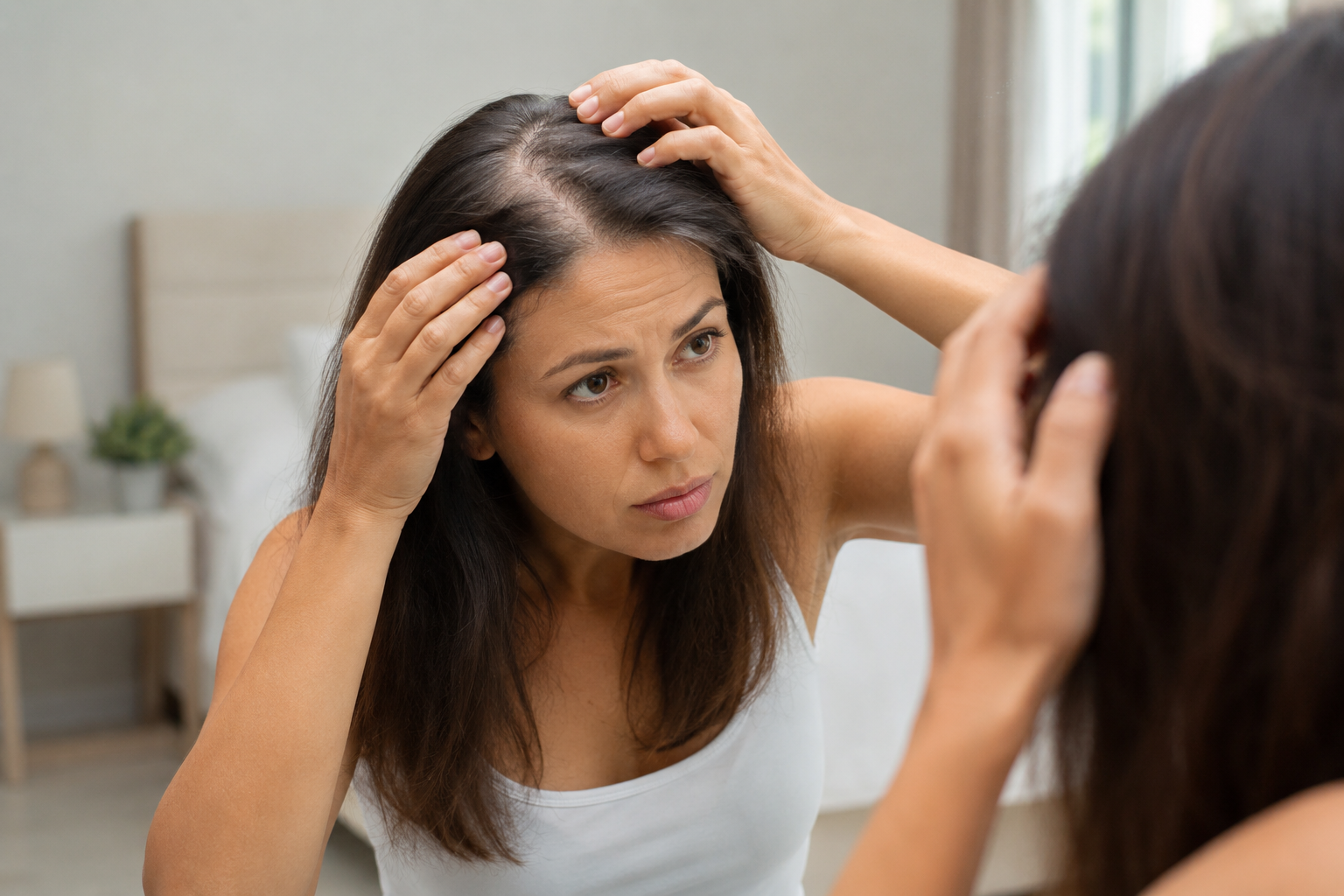
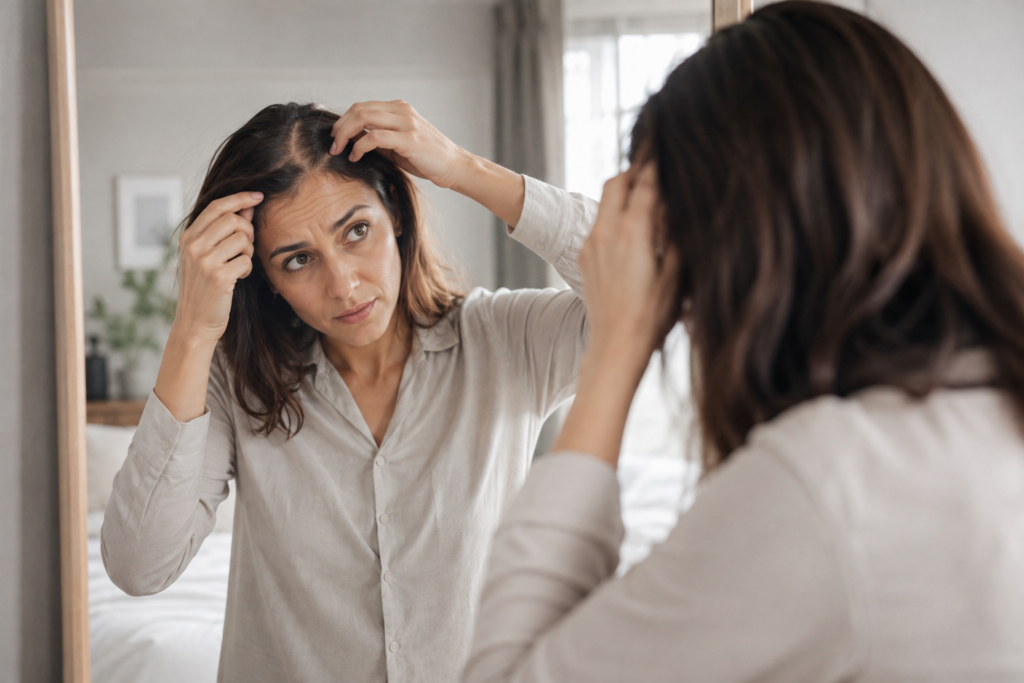
Noticing that your hair looks thinner than it used to can be frustrating. You may see more scalp when your hair is parted, notice a wider part, or simply feel that your ponytail is getting smaller.
But hair thinning does not always have one single cause.
Genetics, hormonal changes, stress, nutritional problems, certain medications, medical conditions, and even repeated tension on the hair can contribute to thinning or increased shedding.
So, why is your hair thinning?
The answer depends on what is happening inside the hair follicle, how quickly the shedding started, where the thinning appears, and whether you have other symptoms.
This guide explains seven common causes of thinning hair and practical steps that may help you understand what could be happening.
What Does Hair Thinning Actually Mean?
Hair naturally goes through cycles of growth, rest, and shedding. Losing some hair every day is normal, and the NHS notes that people commonly lose around 50 to 100 hairs daily.
Hair thinning becomes more noticeable when shedding increases, new hairs grow more slowly or become finer, or hair follicles gradually produce less visible hair.
Thinning can appear in different patterns.
For example, some people notice a gradually widening part, while others develop a receding hairline or thinning around the crown. Sudden shedding can look different from gradual pattern hair loss.
Understanding the pattern can provide useful clues about the possible cause.
7 Common Causes of Hair Thinning
1. Hereditary Hair Loss
Genetics is one of the most common reasons for gradual hair thinning.
Hereditary hair loss is also known as androgenetic alopecia. It can affect both men and women, although the pattern can look different.
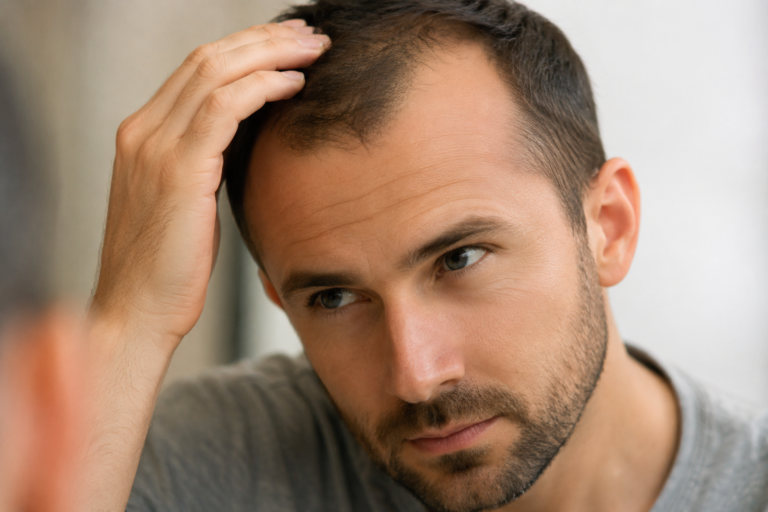
Men may notice a receding hairline or thinning around the crown. Women often notice more diffuse thinning or a widening part.
This type of hair loss usually develops gradually rather than appearing overnight.
If several close relatives have experienced similar hair thinning, genetics may be one factor worth considering.
2. Stress and Major Physical Changes
Have you noticed more hair falling out several weeks or months after a stressful period?
Significant physical or emotional stress can sometimes trigger increased shedding.
Illness, surgery, major stress, and substantial changes in the body can affect the normal hair-growth cycle. Some forms of stress-related shedding are temporary and may improve after the underlying trigger has resolved.
This is one reason it can be useful to think back to what was happening in your life several months before the shedding became noticeable.
3. Nutritional Deficiencies
Your hair follicles require nutrients to function normally.
Insufficient nutrition or certain deficiencies can contribute to hair problems. Iron deficiency, for example, is recognized as one possible cause of temporary hair loss.
However, this does not mean that taking random hair supplements will automatically make thinning hair grow back.
If a nutritional deficiency is suspected, identifying the actual deficiency is more useful than taking large amounts of supplements without knowing whether you need them.
A balanced diet that includes adequate protein, iron-rich foods, fruits, vegetables, and other nutrient-dense foods can support overall health.

4. Hormonal Changes
Hormonal changes can affect the hair-growth cycle.
Pregnancy, childbirth, menopause, thyroid problems, and other hormonal changes can be associated with hair loss or thinning.
The timing can provide an important clue.
For example, if noticeable shedding begins around a major hormonal change, it may be worth discussing the pattern with a healthcare professional rather than assuming that a hair-care product is the solution.
5. Certain Medications or Medical Conditions
Hair loss can sometimes be related to an underlying health condition or a medication.
The possible causes include certain thyroid disorders, scalp infections, autoimmune conditions, and side effects from some medications.
This is particularly important when hair loss is sudden, severe, patchy, or accompanied by other symptoms.
In these situations, treating the underlying cause may be more important than changing your shampoo or adding supplements.
6. Tight Hairstyles and Hair Damage
Your everyday hair routine can also contribute to thinning.
Repeatedly pulling the hair tightly through braids, ponytails, extensions, or other styles can place tension on the hair follicles.
Excessive heat styling and certain chemical treatments can also damage the hair shaft and make hair appear weaker or thinner.
If you frequently wear tight hairstyles, reducing tension and giving your hair more gentle treatment may help prevent avoidable damage.
7. Age-Related Changes
Hair naturally changes as we get older.
Hair follicles can gradually produce finer hairs, and hereditary hair loss can become more noticeable with age.
This does not mean that every case of thinning hair is simply a normal part of aging.
A noticeable change in your usual hair pattern is still worth paying attention to, particularly if it progresses quickly.
Why Is My Hair Getting Thinner Even If I Eat Well?
Eating a balanced diet is important, but nutrition is only one possible factor.
Hair thinning can happen because of genetics, hormones, stress, medical conditions, medications, or other causes even when your diet is generally healthy.
This is why trying more supplements is not always the best first step.
If your hair continues to thin despite maintaining a balanced diet and gentle hair-care routine, consider discussing the problem with a healthcare professional.
How Can You Tell What Is Causing Your Hair Thinning?
There is no single visual sign that can identify every cause of hair loss.
A healthcare professional may ask about:
- When the thinning started
- Whether it is getting worse
- Your family history
- Your diet
- Recent illness or major stress
- Medications and supplements
- Your hair-care routine
- Whether the hair loss is patchy or widespread
Depending on the situation, evaluation can include a physical examination and, when appropriate, blood tests or other investigations.
What Can You Do About Thinning Hair?
The most useful step depends on the underlying cause.
Be Gentle With Your Hair
Avoid repeatedly pulling your hair tightly and reduce excessive heat or harsh chemical treatments.
Use gentle handling when brushing and avoid unnecessary tension, especially when hair is wet.
Eat a Balanced Diet
Focus on a varied diet containing adequate protein and a range of nutrient-rich foods.
If you suspect a nutritional deficiency, getting appropriate medical advice is better than taking high doses of supplements without knowing whether they are necessary.
Pay Attention to Changes
Take occasional photos of your hair under similar lighting and from similar angles.
This can make gradual changes easier to notice than relying on memory alone.
Look at the Bigger Picture
Think about what changed before the thinning began.
A recent illness, major stress, weight change, new medication, hormonal change, or different hair routine could provide useful context.
When Should You See a Doctor About Hair Thinning?
Not every case of hair shedding is a medical emergency, but certain patterns deserve professional attention.
Consider speaking with a healthcare professional if you notice:
- Sudden hair loss
- Rapidly worsening thinning
- Round or irregular bald patches
- Significant scalp redness, pain, or itching
- Scaly areas of the scalp
- Hair loss affecting other parts of the body
- Hair loss accompanied by other unexplained symptoms
Sudden or patchy hair loss can sometimes indicate an underlying condition that needs evaluation.
Can Hair Thinning Be Reversed?
Sometimes, yes—but it depends on the cause.
Some temporary forms of shedding can improve when the underlying trigger is addressed. Other types, particularly hereditary hair loss, may require longer-term treatment to slow progression or improve growth.
For example, established treatments are available for some forms of hereditary hair loss, but the appropriate option depends on the individual and the cause.
This is why identifying the cause is such an important first step.
Frequently Asked Questions
Why is my hair thinning all of a sudden?
Sudden thinning or increased shedding can have several possible causes, including recent illness, significant stress, nutritional problems, medications, hormonal changes, or other medical conditions. If the change is sudden or severe, consider getting it evaluated.
What is the most common cause of gradual hair thinning?
Hereditary hair loss is one of the most common causes of gradual hair thinning. It can affect both men and women and usually develops progressively.
Can stress cause hair thinning?
Yes. Significant physical or emotional stress can trigger increased shedding in some people. Depending on the cause, this type of shedding may be temporary.
Can a vitamin deficiency cause thinning hair?
Certain nutritional deficiencies can contribute to hair loss. Iron deficiency is one recognized example. However, supplements are not automatically helpful unless a deficiency or another reason for supplementation exists.
Does cutting your hair make it grow thicker?
Cutting the hair does not change the size or number of hair follicles underneath the scalp. It can make the ends look more even, but it does not treat the underlying cause of hair thinning.
How long does it take for thinning hair to improve?
The timeline depends entirely on the cause. Some temporary shedding may improve after the underlying trigger resolves, while hereditary hair loss may require ongoing treatment and monitoring.
Final Thoughts
If your hair is becoming thinner, the most important question is not simply “What product should I use?”
It is:
“Why is my hair thinning?”
Genetics, stress, nutritional deficiencies, hormonal changes, medications, medical conditions, hair-care practices, and age-related changes can all play a role.
The good news is that some causes of hair loss can be addressed, and effective treatments are available for certain types of hair loss.
Start by paying attention to the pattern and timing of your hair changes, take care of your hair gently, maintain a balanced diet, and seek professional advice if the thinning is sudden, severe, patchy, or persistent.
Understanding the cause is the first step toward choosing the right approach.