Why Am I Not Losing Weight? 7 Mistakes Slowing Results

You wake up every morning, step onto the scale with hope, only to feel your heart sink. The number refuses to budge. You are pushing through tough workouts, skipping your favorite meals, and constantly battling hunger, yet your clothes fit exactly the same.
It feels frustrating, exhausting, and completely unfair. You begin to question your own body and wonder if lasting weight loss is even possible for you.
When progress halts, it is rarely due to a lack of effort. Most people work incredibly hard, but invisible metabolic, hormonal, and lifestyle barriers silently sabotage their hard work.
Table of Contents
- Understanding Your Plateau
- Silent Caloric Oversights
- Overlooking Sleep and Midnight Metabolism
- Chronic Stress and Cortisol Elevation
- Undermining Protein and Muscle Maintenance
- The Hidden Impact of Chronic Inflammation
- Falling for “Fat-Free” and Diet Trap Foods
- Misjudging Daily Physical Movement
- A Targeted Nighttime Solution for Faster Fat Loss
- Frequently Asked Questions
- Medical Disclaimer
Understanding Your Plateau
Your body is designed to adapt to environmental changes, including food restriction and sudden activity changes. When you lower calories or exercise intensely, metabolic adaptations can naturally slow down your total daily energy expenditure.
(Understanding how metabolic adaptation works helps you overcome stubborn fat loss plateaus safely.)
When your biological mechanisms resist weight loss, pushing harder with extreme diets often backfires by escalating hunger and lowering energy levels.
Instead of fighting your body, you need to identify the exact hidden roadblocks halting your results and address them strategically.
1. Silent Caloric Oversights
Many people assume they operate in a consistent caloric deficit, yet subtle dietary additions accumulate rapidly over a full week. Cooking oils, salad dressings, sauces, and small snacks can easily add hundreds of uncounted calories each day.
- Measuring serving sizes with precision eliminates hidden calorie sources.
- Tracking liquids, coffee creamers, and condiments prevents unnoticed surplus calories.
- Choosing whole, high-volume foods keeps you full without secret caloric additions.
When liquid calories and unmeasured fats go unrecorded, your body remains at maintenance intake levels despite your best efforts.
2. Overlooking Sleep and Midnight Metabolism
Poor sleep quality directly damages fat oxidation, increases appetite hormones like ghrelin, and elevates nighttime stress markers. When you fail to reach deep, restorative sleep, your body prioritizes energy conservation over fat burning.
(Improving your sleep routine supports healthy nocturnal fat breakdown and balances appetite hormones.)
Instead of resting passively, your body requires proper nighttime environment and nutrients to maintain metabolic activity through the night.
To boost your overnight metabolic recovery:
- Keep your bedroom cool, dark, and silent.
- Stop eating high-carb meals at least three hours before bedtime.
- Use targeted sleep-supportive nutrients to promote deeper relaxation.
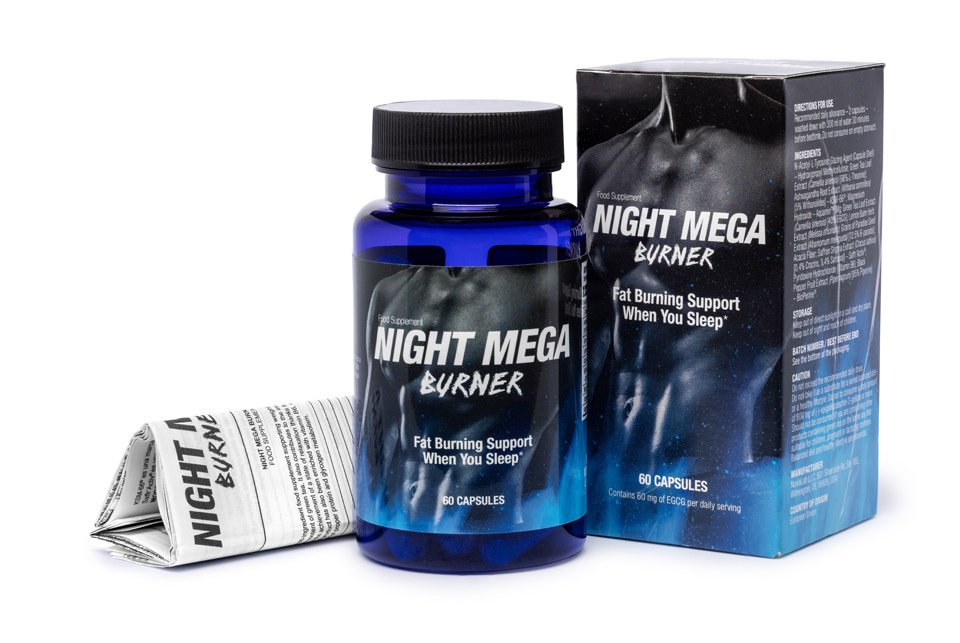
If you struggle with slow evening recovery, poor sleep habits, or high nighttime stress, incorporating a specialized nocturnal fat burner can make a dramatic difference.
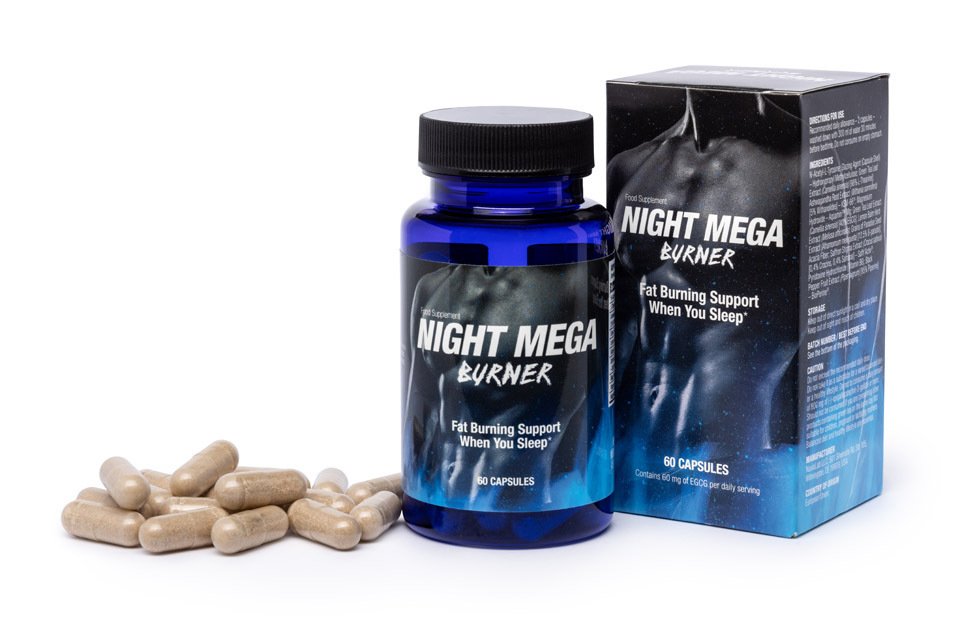
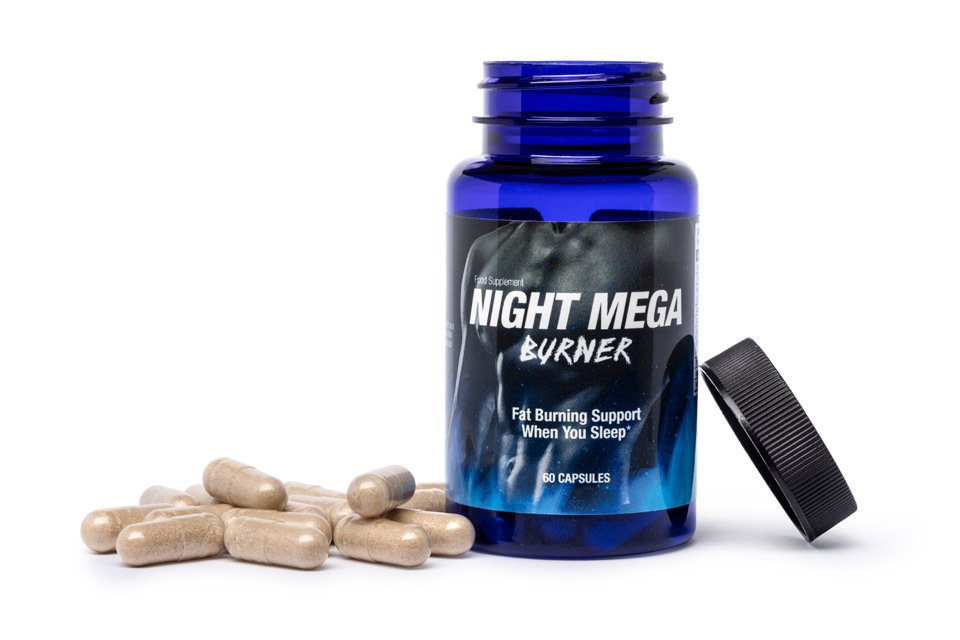
Using Night Mega Burner helps address sleep disruptions and metabolic slowing simultaneously. Its multi-ingredient formulation supports fat reduction overnight while increasing your resistance to daily stress. With certified plant extracts, vitamins, and minerals, it helps regulate hormonal activity and maintains normal metabolism while facilitating deep relaxation.
Rather than tossing and turning while your metabolism stalls, supporting your body overnight ensures continuous progress toward your weight loss goals.
3. Chronic Stress and Cortisol Elevation
High stress levels trigger continuous cortisol release. Elevated cortisol encourages visceral fat storage, particularly around the abdomen, and fuels relentless cravings for dense carbohydrates.
Instead of letting stress derail your consistency, try these actionable adjustments:
- Practice ten minutes of controlled breathwork daily.
- Engage in low-intensity activities like walking instead of constant high-intensity training.
- Support your stress tolerance with natural adaptogens.
Reducing daily stress normalizes hormonal balance, allowing stored body fat to be mobilized efficiently for energy.
4. Undermining Protein and Muscle Maintenance
Protein drives the thermic effect of food, meaning your body burns substantial calories simply digesting and processing it. Consuming insufficient protein leads to muscle loss, which significantly reduces your resting metabolic rate over time.
Instead of relying solely on low-calorie vegetables, incorporate lean protein sources into every meal to support lean muscle preservation and long-term fat oxidation.
(Preserving lean muscle mass ensures your metabolic rate remains elevated even during weight loss.)
5. The Hidden Impact of Chronic Inflammation
Systemic inflammation disrupts cellular communication, insulin sensitivity, and thyroid function. Processed foods, artificial additives, and environmental stressors can keep your immune system activated, leading to water retention and stagnant weight loss.
- Prioritize omega-3 rich foods like wild fish and flaxseeds.
- Increase consumption of antioxidant-dense berries and dark leafy greens.
- Limit ultra-processed snack items that trigger low-grade physical stress.
Reducing systemic inflammation frees your body from persistent fluid retention and improves overall cellular energy expenditure.
6. Falling for “Fat-Free” and Diet Trap Foods
Many commercially packaged “diet” products offset reduced fat levels by adding refined sugars, sodium, and thickeners. These ingredients produce insulin spikes, increase hunger, and lead to overeating later in the evening.
- Swap processed diet snacks for whole fruits and nuts.
- Read nutrition labels carefully to identify hidden sugars under alternative names.
- Focus on nutrient density rather than low-calorie chemical substitutes.
Choosing natural whole foods provides sustained satiety without triggering unhelpful metabolic responses.
7. Misjudging Daily Physical Movement
While structured gym workouts burn calories, Non-Exercise Activity Thermogenesis (NEAT)—which includes walking, standing, and daily chores—accounts for a far larger portion of daily energy burn. Sitting for hours outside of workout sessions lowers total daily expenditure significantly.
(Increasing daily step counts naturally elevates non-exercise energy burn without draining your physical endurance.)
Instead of remaining sedentary after a morning workout, aim for consistent movement throughout the entire day.
A Targeted Nighttime Solution for Faster Fat Loss
Addressing daytime habits like diet, movement, and stress is essential, but optimal body transformation requires full 24-hour metabolic support. While you rest, your body naturally works to repair tissues, balance hormones, and manage energy storage.
If you are facing stagnant progress despite proper nutrition, supplementing your routine with Night Mega Burner offers a strategic advantage. It combines certified plant extracts with essential vitamins and minerals to optimize overnight fat reduction, ease stress, and streamline metabolic function.
Rather than letting your recovery hours go unused, leverage targeted nighttime support to break through frustrating plateaus and speed up your personal transformation.
Frequently Asked Questions
Why am I not losing weight in a calorie deficit? Uncounted calories from sauces, drinks, or small bites can eliminate your intended deficit. Hormonal stress and water retention can also mask actual fat loss on the scale.
How long does a weight loss plateau typically last? A true plateau lasts at least two to four weeks with zero change in weight or body measurements despite consistent lifestyle efforts.
Can poor sleep completely stop fat loss? Yes. Sleep deprivation increases cortisol and ghrelin levels, which slows metabolism, promotes fat storage, and increases hunger.
How does Night Mega Burner aid weight loss? It supports overnight fat reduction, promotes deeper sleep and relaxation, increases stress resistance, and regulates hormonal and metabolic activity.
Should I rely solely on supplements for weight loss? No. Supplements work best when combined with a balanced diet, regular physical activity, and healthy lifestyle habits.