What Is the Best Treatment for Thinning Hair?
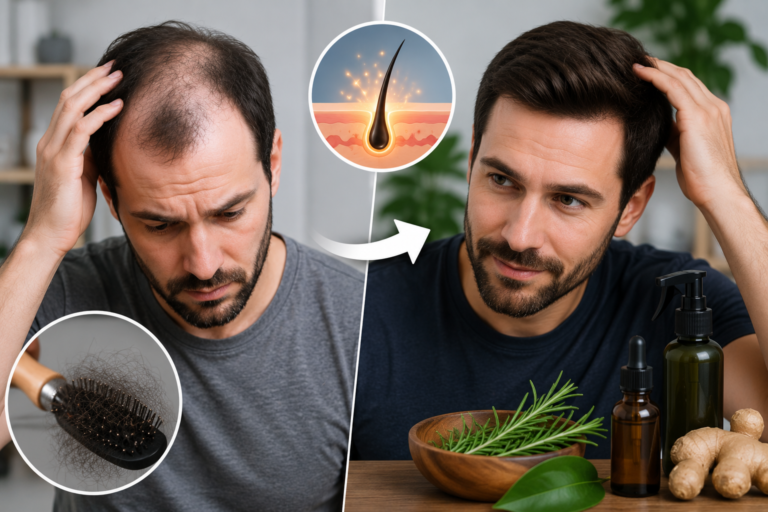
Finding extra hair strands in your shower drain can cause a sudden wave of worry. Many men experience a distinct anxiety when they catch a glimpse of their scalp in a bathroom mirror. It is a common frustration that can make you feel older than your actual age. You might find yourself avoiding family photos or adjusting your hat more often than usual.
If you notice your hair is losing its fullness, you are not alone. Daily stress, genetics, and dietary habits all play a role in how your hair grows. Often, the root cause relates directly to what you put inside your body. A lack of essential nutrients can disrupt your normal hair growth cycle quite easily.
When your body lacks specific micronutrients, it prioritizes your vital organs over your hair follicles. This natural survival mechanism can leave your scalp undernourished. Consequently, your strands may become weak, brittle, and prone to shedding. Understanding which nutrients impact this process is the first step toward regaining your confidence.
Table of Contents
- The Critical Role of Vitamins in Hair Growth
- What Vitamin Is Lacking If Your Hair Is Thinning?
- Other Key Nutrients Linked to Hair Loss
- What Happens If You Ignore Hair Thinning?
- How to Support Thicker-Looking Hair Naturally
- Choosing the Right Topical Support for Men
- Frequently Asked Questions
- Medical Disclaimer
The Critical Role of Vitamins in Hair Growth
Your hair follicles are among the most metabolically active structures in your entire body. Cellular turnover happens at a rapid pace inside the scalp. To sustain this constant cellular division, your hair requires a steady supply of oxygen and nutrients. A balanced diet provides the building blocks for keratin, the primary protein forming each strand.
When your nutritional intake drops, your hair health reflects that deficit quickly. Vitamin deficiencies alter the normal phases of your hair cycle. This cycle consists of a growth phase, a transitional phase, and a resting phase. A lack of vitamins can force too many hairs into the resting phase at once.
Nutritional support is essential for maintaining a healthy scalp environment. Without the right elements, your hair follicles begin to shrink over time. This process makes individual strands look increasingly thin and fragile.
What Vitamin Is Lacking If Your Hair Is Thinning?
Vitamin D: The Follicle Activator
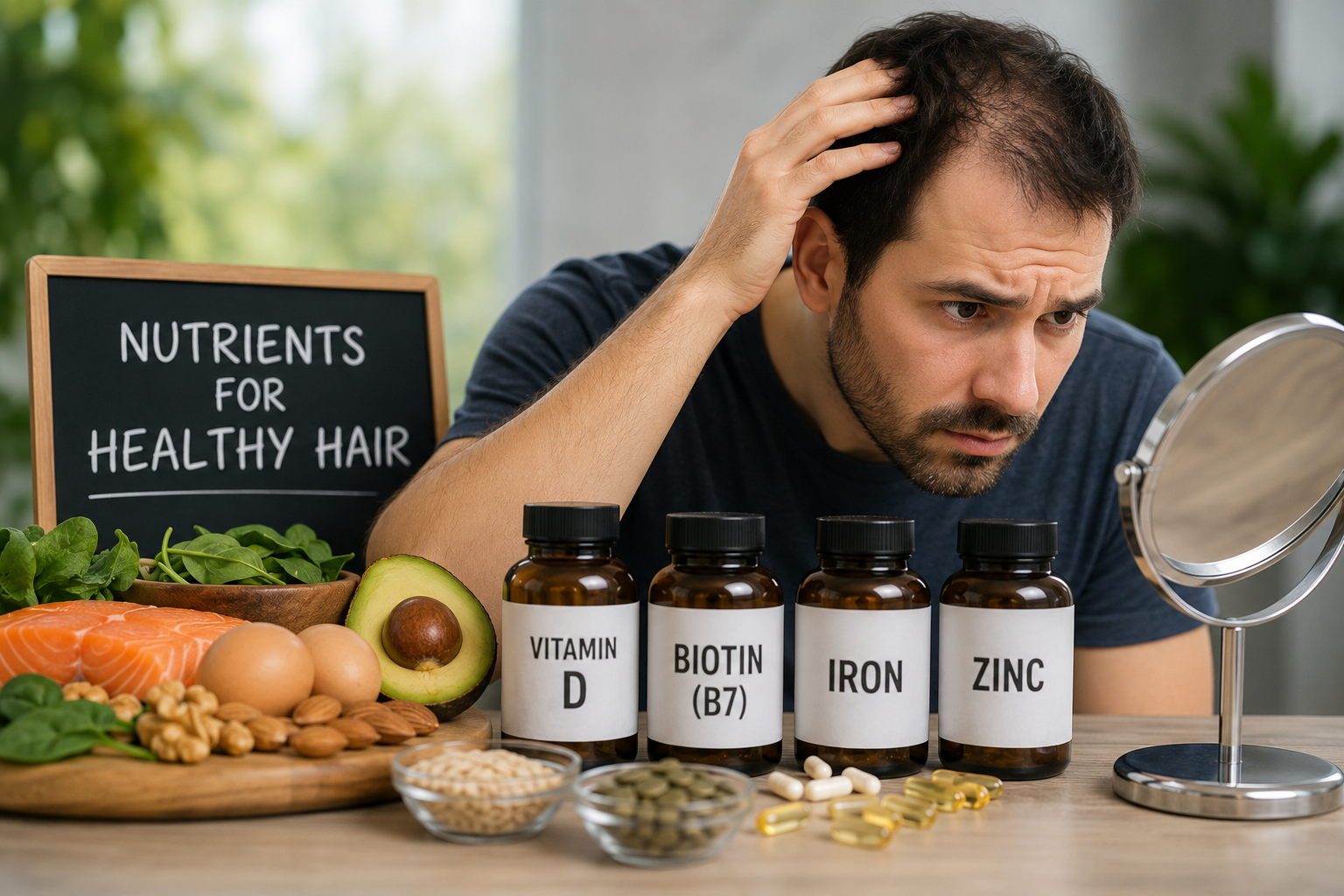
Research indicates that a lack of Vitamin D is highly correlated with various forms of hair shedding. Vitamin D helps create new hair follicles, which are the tiny pores where new hair grows. When you lack this nutrient, new hair growth can stall significantly.
Many people spend most of their time indoors, leading to widespread deficiencies. A low level of Vitamin D can disrupt the follicular lifecycle. This disruption often manifests as diffuse thinning across the entire scalp. Ensuring adequate levels supports the normal operational cycle of your hair.
Biotin (Vitamin B7) and the B-Complex Family
Biotin is famous for its role in producing keratin. While actual biotin deficiencies are rare, optimal levels are vital for hair strength. Other B vitamins help create red blood cells, which carry oxygen to your scalp.
Without enough B vitamins, your hair follicles do not get the oxygen they need to thrive. This lack of nourishment slows down the production of strong strands. Over time, your hair might lose its natural volume and texture.
Other Key Nutrients Linked to Hair Loss
Iron Deficiency and Anemia
Iron is not a vitamin, but it is a critical mineral for hair density. Iron helps red blood cells carry oxygen throughout your body. When your iron stores are low, your body cannot deliver enough oxygen to your hair roots.
This deprivation can cause a type of shedding known as telogen effluvium. Strands fall out prematurely, often leaving noticeable gaps. Addressing low iron can help restore the natural vitality of your scalp.
Zinc and Vitamin C
Zinc plays a major role in hair tissue growth and repair. It also helps keep the oil glands around the follicles working correctly. A deficiency in zinc can lead to weakened hair structures and increased breakage.
Vitamin C helps your body absorb iron more efficiently from your diet. It also acts as an antioxidant, protecting your scalp from environmental oxidative stress. A combined lack of these nutrients can compromise the integrity of your hair.
What Happens If You Ignore Hair Thinning?
Ignoring the early signs of hair thinning can limit your future options. Hair follicles that remain undernourished for long periods may eventually stop producing hair altogether. Once a follicle becomes completely inactive, reviving it becomes much more difficult.
Taking action early allows you to protect the hair you currently have. Addressing nutritional gaps and improving your hair care routine can support your existing strands. Delaying care often means dealing with more noticeable thinning that takes longer to address.
Maintaining a proactive mindset helps keep your scalp in its best possible condition. Small changes today can make a meaningful difference for your hair density tomorrow.
How to Support Thicker-Looking Hair Naturally
Optimize Your Daily Diet
Eating a nutrient-dense diet is the foundation of healthy hair. Focus on incorporating leafy greens, eggs, wild-caught fish, and nuts into your meals. These foods provide a natural blend of vitamins, minerals, and healthy fatty acids.
Consuming high-quality proteins ensures your body has the amino acids needed for keratin synthesis. Hydration is also important for maintaining scalp elasticity. A healthy body naturally nurtures healthier hair.
Manage Your Stress Levels
High stress triggers the release of cortisol, a hormone that can disrupt your hair cycle. Chronic stress can push hair follicles into a prolonged resting phase. Finding daily relaxation techniques can protect your hair from stress-induced shedding.
Regular exercise improves blood circulation throughout your entire body, including your scalp. Better circulation means more nutrients reach your hair roots. Simple lifestyle shifts accumulate to create a healthier environment for your hair.
Choosing the Right Topical Support for Men
While adjusting your diet is crucial, external care provides targeted reinforcement. Using a daily product specifically formulated for men experiencing thinning hair can complement your nutritional efforts. The right topical solution helps optimize the environment where hair grows.
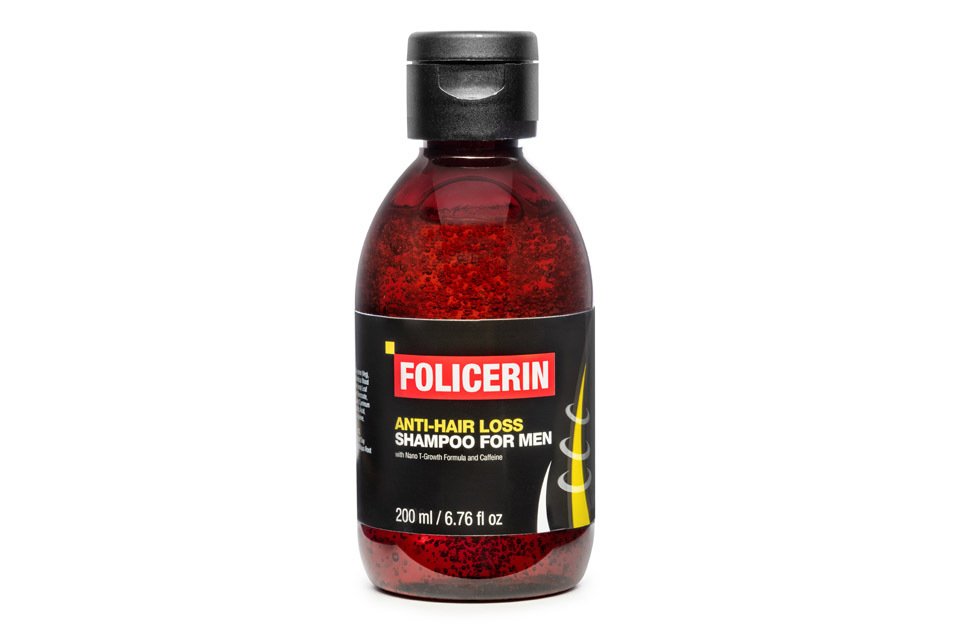
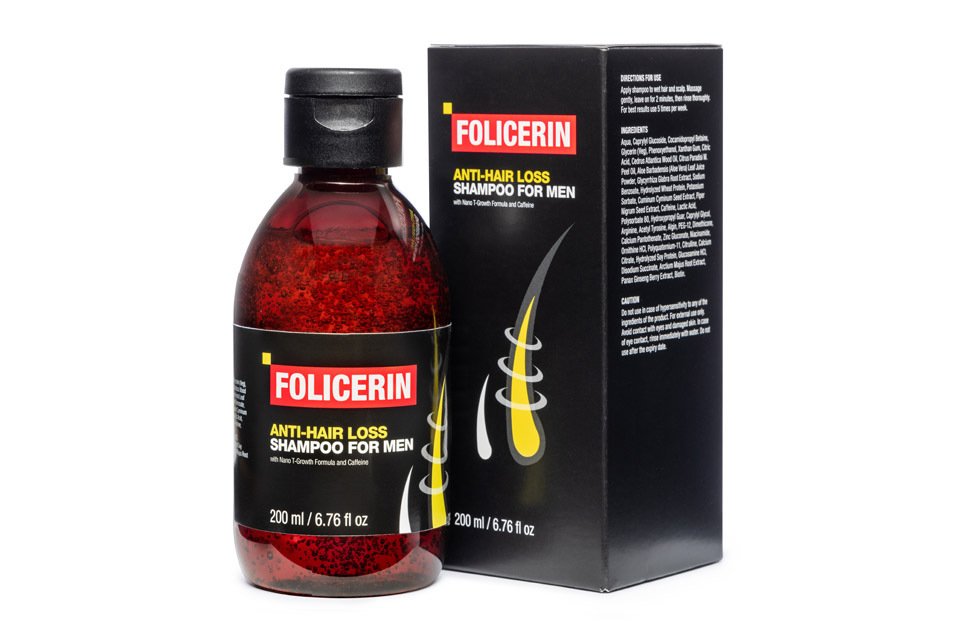
Many men choose Folicerin because it combines daily cleansing with ingredients designed to support stronger-looking hair. This specialized anti-hair loss shampoo helps strengthen existing hair while reducing excessive shedding. It offers a practical way to address thinning directly in the shower.
If you want a simple daily routine for thinning hair, Folicerin is one option worth exploring. It utilizes modern ingredient delivery technology to clean and condition the scalp effectively. This process helps improve scalp microcirculation, ensuring your roots receive proper external care.
(Starting a consistent hair care routine early may help you maintain healthier-looking hair. Many readers begin with Folicerin.) The formula is gentle enough for regular use, making it easy to incorporate into your morning ritual. It helps improve the appearance of hair thickness without requiring complex steps.
Using a dedicated shampoo helps you take control of your grooming routine. It offers a sense of hope and a practical action plan against thinning. Taking care of your scalp daily helps restore the confidence you deserve.
Frequently Asked Questions
Can a lack of vitamin D cause hair thinning?
Yes, a deficiency in vitamin D can disrupt the normal hair growth cycle. Vitamin D plays an essential role in activating hair follicles. When levels are low, new hair growth may slow down, leading to noticeable thinning.
How do I know if my hair loss is from a vitamin deficiency?
A blood test ordered by a healthcare professional is the most accurate way to detect a deficiency. If your hair thinning is accompanied by fatigue, brittle nails, or pale skin, a nutritional gap could be the cause.
Will hair grow back after correcting a vitamin deficiency?
In many cases, addressing the underlying vitamin deficiency can help restore normal hair growth. However, hair grows slowly, so it may take several months to see visible improvements in hair density.
What is the best vitamin for thinning hair in men?
Vitamins D, B-complex, and minerals like iron and zinc are crucial for male hair health. While no single vitamin cures hair loss, maintaining balanced levels supports the appearance of hair thickness.
Can low iron cause hair shedding?
Yes, low iron stores can reduce the amount of oxygen delivered to your hair roots. This deprivation can cause strands to enter the shedding phase prematurely, resulting in diffuse hair thinning.
How long does it take for vitamins to help hair thinning?
It typically takes three to six months of consistent nutritional support to notice a change. Hair grows in cycles, so your follicles need time to produce new, stronger strands.