How Much Protein Do You Need to Lose Weight Fast?
Are you tired of feeling constantly hungry while trying to shed stubborn pounds? You might be making a critical mistake that ruins your metabolism daily. Many people slash calories but forget the most vital macronutrient for sustainable fat loss.
If you do not eat enough protein, your body burns precious muscle instead of fat. This slows down your metabolic rate and triggers intense food cravings. (Learning the right nutritional balance is the first step toward body transformation.)
Table of Contents
- The Science of Protein and Weight Loss
- How Much Protein Do You Actually Need Daily?
- Signs You Are Not Eating Enough Protein
- How Protein Accelerates Fat Burning Naturally
- The Best Protein Sources for Lean Muscle Protection
- Supercharge Your Results with Fat Burn Active
- Common High-Protein Diet Mistakes to Avoid
- Frequently Asked Questions
- Conclusion
The Science of Protein and Weight Loss
Protein is the ultimate building block for a lean, healthy physique. When you consume protein, your body expends extra energy just to digest it. Scientists call this phenomenon the Thermic Effect of Food (TEF).
Protein has a much higher thermic effect than carbohydrates or dietary fats. Your body burns up to thirty percent of the protein calories during digestion. Choosing thermogenic foods helps you burn more calories automatically throughout the day.
Furthermore, protein regulates your primary hunger hormones significantly. It reduces levels of ghrelin, which is the hormone responsible for triggering hunger. Concurrently, it boosts peptide YY, a hormone that signals complete fullness to your brain. This biological mechanism prevents the dreadful nighttime cravings that derail most diet plans.
How Much Protein Do You Actually Need Daily?
The optimal daily intake depends on your body weight, activity level, and fitness goals. A general rule for sedentary individuals is 0.8 grams per kilogram of body weight. However, this basic amount is entirely insufficient for active weight loss.
| Activity Level | Daily Protein Recommendation || Sedentary Lifestyle | 0.8g per kg of body weight || Active Weight Loss | 1.6 to 2.2g per kg of body weight || Intense Athletics | 2.2g+ per kg of body weight |For effective fat loss, aim for 1.6 to 2.2 grams of protein per kilogram. This equals roughly 0.73 to 1 gram of protein per pound of total body weight. (Calculating your specific macronutrient needs prevents muscle wasting during a calorie deficit.)
If you weigh 150 pounds, you should target 110 to 150 grams daily. Spreading this intake across four meals ensures optimal muscle protein synthesis.
Signs You Are Not Eating Enough Protein
Your body sends clear warning signals when its protein requirements are neglected. Chronic fatigue is often the very first symptom of a low-protein diet. You might also notice persistent sugar cravings that emerge shortly after eating.

Weak nails, thinning hair, and flaky skin indicate a severe amino acid deficiency. Furthermore, you might notice that your workouts feel incredibly sluggish and unproductive.
If you lose weight without tracking protein, you might just be getting smaller and softer. Protecting muscle tissue ensures your body looks toned and athletic after losing the fat.
How Protein Accelerates Fat Burning Naturally
A high-protein intake protects your lean muscle mass while you restrict daily calories. Muscle tissue is metabolically active and burns calories even when you rest. (Preserving your metabolic rate is essential for keeping weight off permanently.)
When you combine high protein with thermogenic supplements, your fat loss accelerates dramatically. Natural formulas can stimulate your metabolism when diet changes alone feel too slow.
They help unlock stubborn fat stores so your body can burn them for clean energy. This synergistic approach makes dieting feel much less restrictive and far more rewarding.
The Best Protein Sources for Lean Muscle Protection
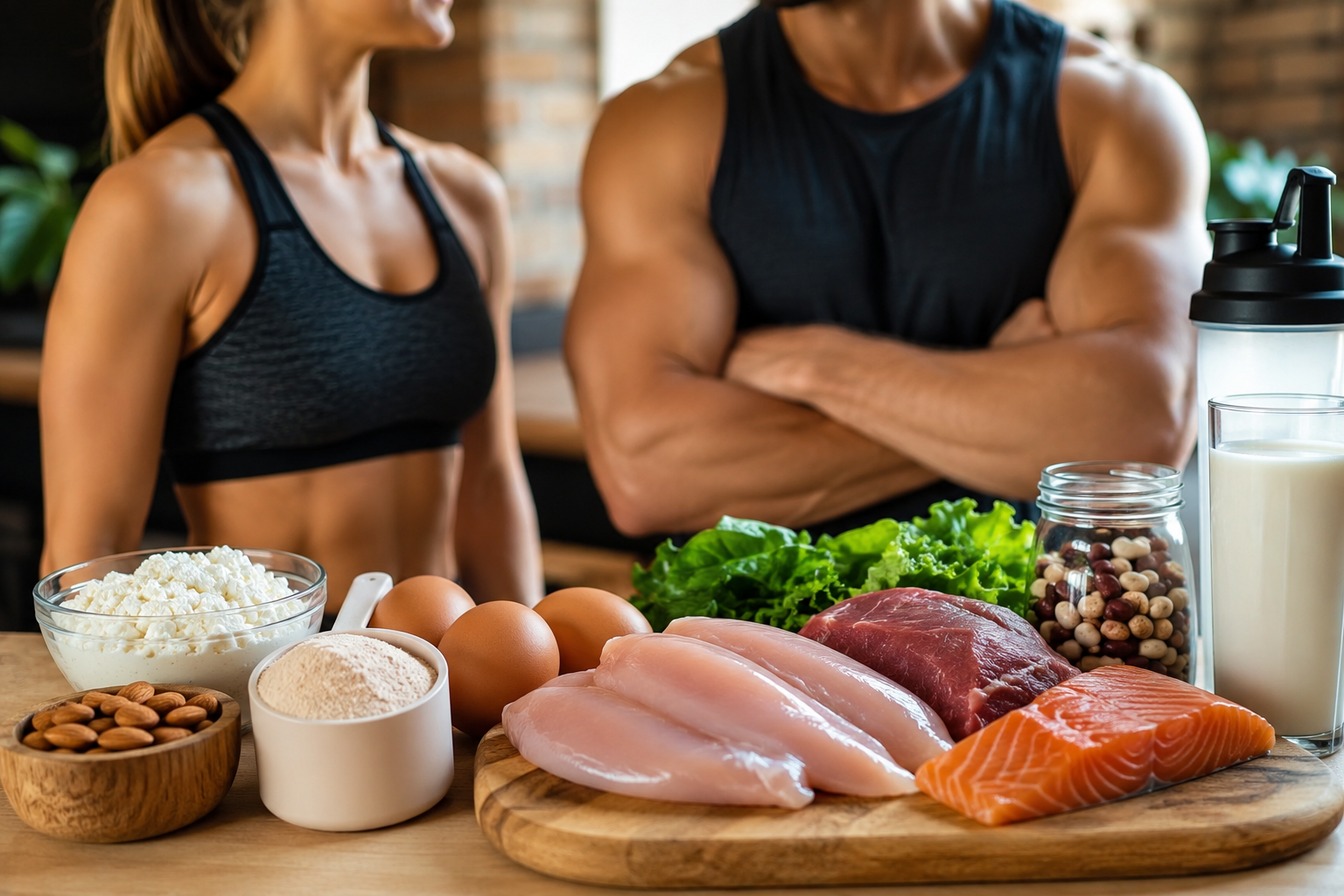
To meet your daily targets, focus primarily on high-quality whole foods. Lean animal proteins offer the highest bioavailability and complete amino acid profiles. Chicken breast, turkey, wild-caught fish, and lean beef are exceptional choices for fat loss.
- Skinless Chicken Breast: Provides 31 grams of protein per 100 grams.
- Greek Yogurt (Non-Fat): Offers 10 grams of protein per 100 grams.
- Wild Salmon: Delivers healthy omega-3 fatty acids and high-quality protein.
- Lentils and Chickpeas: Excellent plant-based options packed with dietary fiber.
Plant-based options like tofu, tempeh, and lentils are also highly valuable. Incorporating fiber-rich proteins keeps your digestive system functioning smoothly during your weight loss journey.
Supercharge Your Results with Fat Burn Active
Meeting your weight loss goals requires more than just tracking your daily protein. Sometimes, a sluggish metabolism or low energy levels can completely stall your progress. If you want to maximize your fat-burning potential safely, a premium supplement can help.

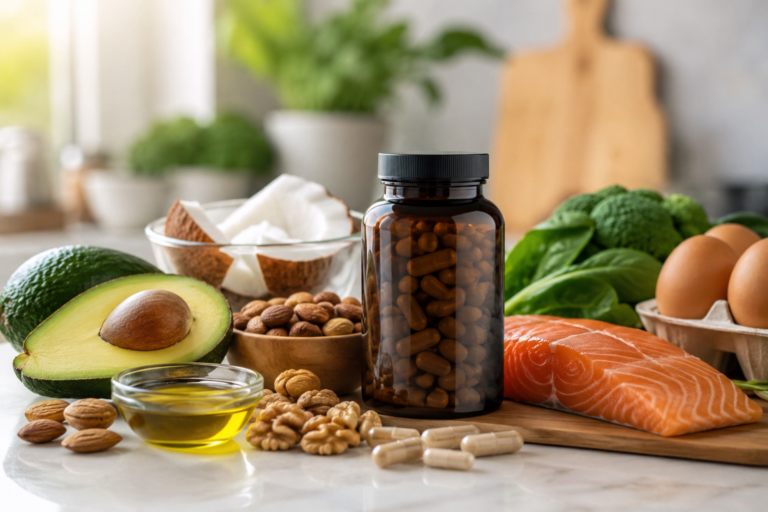
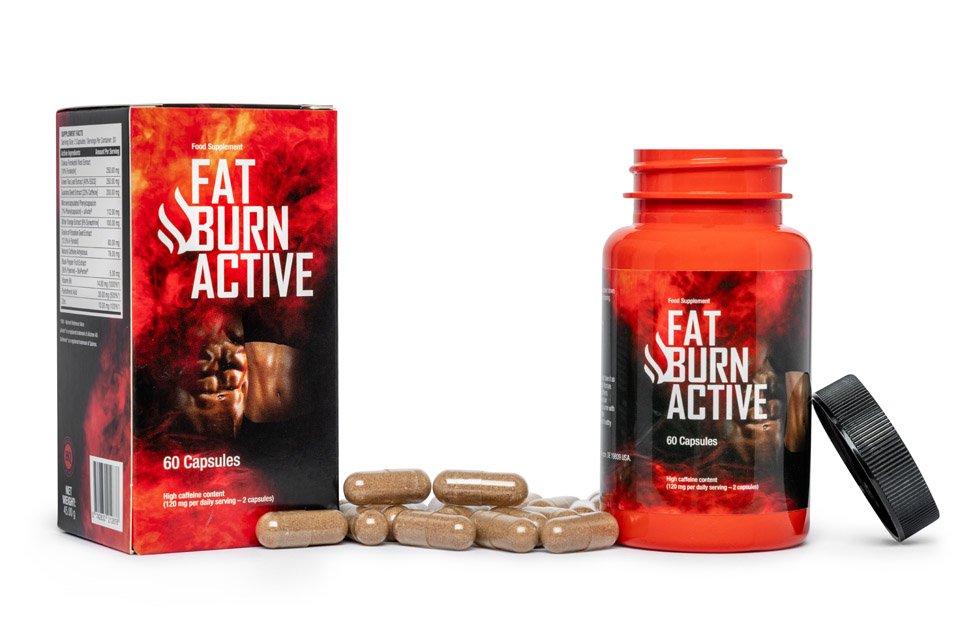
Fat Burn Active is an advanced food supplement designed for serious body transformation. It contains 11 powerful, natural ingredients that work together via true metabolic synergy. This formula helps athletes and fitness enthusiasts achieve their ideal figure goals faster and more efficiently.
Why Choose Fat Burn Active?
- Accelerates Fat Tissue Burning: It stimulates thermogenesis to torch stubborn fat cells.
- Boosts Metabolic Rate: The natural ingredients enhance your body’s daily calorie expenditure.
- Increases Energy and Efficiency: It reduces fatigue so you can crush your workouts easily.
- Supports Natural Weight Control: Free from harmful chemicals or dangerous synthetic stimulants.
Regular use of these capsules helps you break through frustrating weight loss plateaus. When combined with a high-protein diet, it provides the ultimate toolkit for sustainable fat loss. Using a natural thermogenic supplement provides the necessary energy to sustain intense workouts.
Ready to experience a real breakthrough in your fitness journey?
Experience the Power of Fat Burn Active Today
Common High-Protein Diet Mistakes to Avoid
Many people make the mistake of consuming all their protein in a single meal. Your body can only process a certain amount of amino acids at once. It is far better to distribute your intake evenly throughout the entire day.
Another frequent error is ignoring the hidden calories in high-protein fatty meats. Ribeye steaks and sausage contain heavy amounts of saturated fats that stall fat loss. Always choose lean cuts of meat or remove the skin from poultry before cooking.
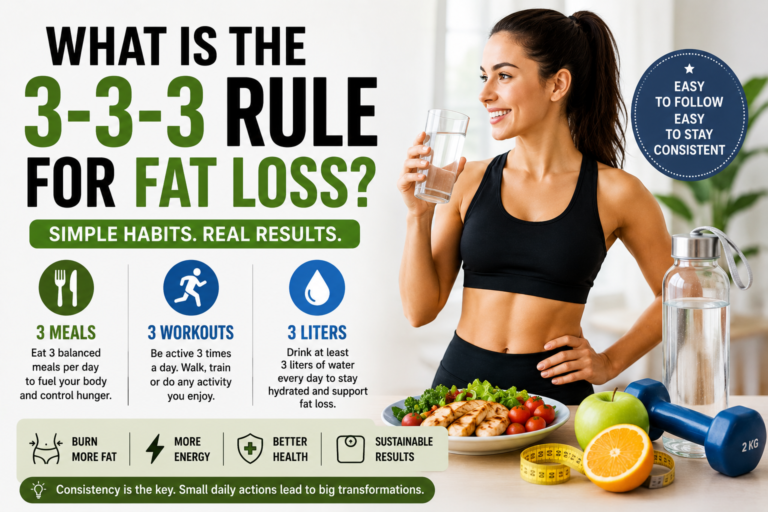
Lastly, do not forget to drink plenty of water when increasing your protein. Your kidneys require adequate hydration to process metabolic waste products efficiently. Drink at least three liters of pure water daily to support this natural process.
Frequently Asked Questions
How much protein should you eat daily for healthy weight loss?
For healthy weight loss, active individuals should consume 1.6 to 2.2 grams of protein per kilogram of body weight daily. This range preserves lean muscle mass and boosts satiety.
Can eating too much protein cause weight gain?
Yes, consuming excess protein beyond your daily caloric needs can lead to weight gain. Any macronutrient eaten in a caloric surplus will eventually be stored as fat.
Is protein powder necessary for fat loss?
Protein powder is not mandatory, but it is highly convenient for meeting daily goals. It serves as an excellent low-calorie option when whole foods are unavailable.
Does protein burn fat while you sleep?
Protein boosts your resting metabolic rate due to its high thermic effect. This means your body expends more energy digesting food, even while you rest.
Conclusion
Determining how much protein to eat daily is a critical step for healthy weight loss. Aiming for 1.6 to 2.2 grams per kilogram protects your muscles and kills cravings. Combine this nutritional strategy with a trusted formula like Fat Burn Active to achieve your goals faster. Take control of your metabolism today, feed your muscles, and watch the stubborn fat melt away.