How Many Meals to Build Lean Muscle: The Ultimate Daily Guide
Are you tired of spending hours in the gym without seeing results? You lift heavy weights daily. You drink your protein shakes. Yet, your muscles remain hidden under a stubborn layer of fat.
Many fitness enthusiasts struggle with this exact problem. They train hard but eat incorrectly. Nutrition determines your physical success. Specifically, meal frequency plays a massive role in body composition.
If you want a shredded, aesthetic physique, you must master your nutrition timing. (Many active individuals struggle to lose stubborn fat while maintaining their hard-earned muscle.) Fortunately, science provides clear answers to this dietary puzzle.
In this comprehensive guide, we will break down the ideal meal frequency. We will explore muscle protein synthesis. Finally, we will show you how to optimize your diet to achieve the ultimate lean physique.
Table of Contents
- The Science of Meal Frequency and Muscle Protein Synthesis
- How Many Meals to Build Lean Muscle Daily?
- Why Your Metabolism Needs Strategic Nutritional Timing
- The Ultimate Clean Bulk Meal Schedule for Busy People
- Balancing Muscle Gain with Fat Loss: The Hard Truth
- How Matcha Extreme Accelerates Your Lean Muscle Definition
- Common Nutritional Mistakes That Kill Muscle Growth
- Frequently Asked Questions
- Conclusion & Next Steps
The Science of Meal Frequency and Muscle Protein Synthesis
To build muscle, your body must remain in an anabolic state. This state requires a positive net nitrogen balance. Therefore, you must understand muscle protein synthesis (MPS).
MPS is the process of building new muscle tissue. Conversely, muscle protein breakdown (MPB) destroys muscle tissue. Your body constantly balances these two processes.
What is Muscle Protein Synthesis?
When you consume protein, your body breaks it down into amino acids. These amino acids enter your bloodstream. Consequently, they trigger MPS.
However, this trigger requires a specific amount of amino acids. Scientists call this the “leucine trigger.” Typically, you need 2 to 3 grams of leucine per meal. Consuming clean protein sources helps repair tissue micro-tears after high-intensity weight training sessions.
Once triggered, MPS remains elevated for approximately three to four hours. Afterward, it returns to baseline. Therefore, constantly eating protein does not keep MPS elevated indefinitely.
The Anabolic Window Myth vs. Reality
For decades, bodybuilders believed in a strict 30-minute anabolic window. They rushed to drink protein immediately after workouts. However, modern research debunked this extreme urgency.
The National Institutes of Health (NIH) database contains numerous studies on nutrient timing. These studies show that the post-workout window is much wider. Specifically, your body remains sensitive to protein for up to 24 hours post-exercise.
Nevertheless, timing still matters. You cannot eat all your protein in one giant meal. Your body cannot store excess protein for muscle building. Instead, it burns excess amino acids for energy.
How Many Meals to Build Lean Muscle Daily?
So, what is the magic number? How many times should you eat? Let us look at the scientific consensus.
To maximize muscle growth, you should eat 4 to 6 meals per day. Each meal must contain high-quality protein. This structure keeps MPS elevated throughout the day.
| Meal Frequency | Muscle Building Potential | Fat Retention Risk | Best For |
| 1-2 Meals | Extremely Low | High (due to overeating) | Intermittent Fasting Fans |
| 3 Meals | Moderate | Low | Busy Professionals |
| 4-5 Meals | Optimal | Very Low | Aesthetic & Lean Athletes |
| 6+ Meals | High | Moderate (easy to overeat) | Hardgainers / Bulk Phase |
The 3-Meal vs. 6-Meal Debate
Many traditional diets recommend three square meals. However, three meals create long gaps without protein. Consequently, your body enters a catabolic state between meals.
On the other hand, eating six meals can feel exhausting. It requires constant cooking and prepping. Therefore, a middle ground is highly effective.
Most fitness experts recommend four to five feedings. This includes three main meals and one or two protein-dense snacks. This comprehensive nutrition guide explains how to calculate your daily caloric needs easily.
Optimal Feeding Frequency for Clean Bulking
Clean bulking means gaining muscle without excess fat. To achieve this, space your meals 3 to 4 hours apart. This spacing prevents metabolic slowdowns.
Additionally, it prevents digestive discomfort. Eating massive meals taxes your digestive system. Smaller, frequent meals improve nutrient absorption.
Why Your Metabolism Needs Strategic Nutritional Timing
Your metabolism is highly adaptive. It responds quickly to your eating patterns. Therefore, strategic timing protects your metabolic rate.
When you starve your body, it slows down. Conversely, regular feedings keep your metabolic fire burning. This is crucial for maintaining low body fat.
Preventing Muscle Breakdown (Catabolism)
During sleep, your body fasts. As a result, you wake up in a catabolic state. To stop muscle breakdown, you must eat protein quickly.
Therefore, breakfast is highly critical for athletes. Skipping breakfast can limit your muscle-building potential. (Choosing the right pre-workout nutrition plan can significantly boost your training performance.)
Similarly, eating before bed protects your muscles overnight. A slow-digesting protein, like casein, works best. It provides a steady stream of amino acids while you sleep.
Insulin Sensitivity and Nutrient Partitioning
Insulin is a highly anabolic hormone. It delivers nutrients to your cells. However, you must manage insulin carefully.
Spiking insulin too often leads to fat storage. Therefore, you must focus on complex carbohydrates. These carbs provide sustained energy without massive insulin spikes.
Furthermore, exercise increases insulin sensitivity in muscle cells. Consequently, your post-workout meal should contain your largest carbohydrate portion. Your muscles will absorb these carbs, not your fat cells.
The Ultimate Clean Bulk Meal Schedule for Busy People
How do you implement this in real life? We have created two realistic schedules. Choose the one that fits your lifestyle.
Sample 4-Meal Plan
This plan works perfectly for busy office workers. It requires minimal prep time.
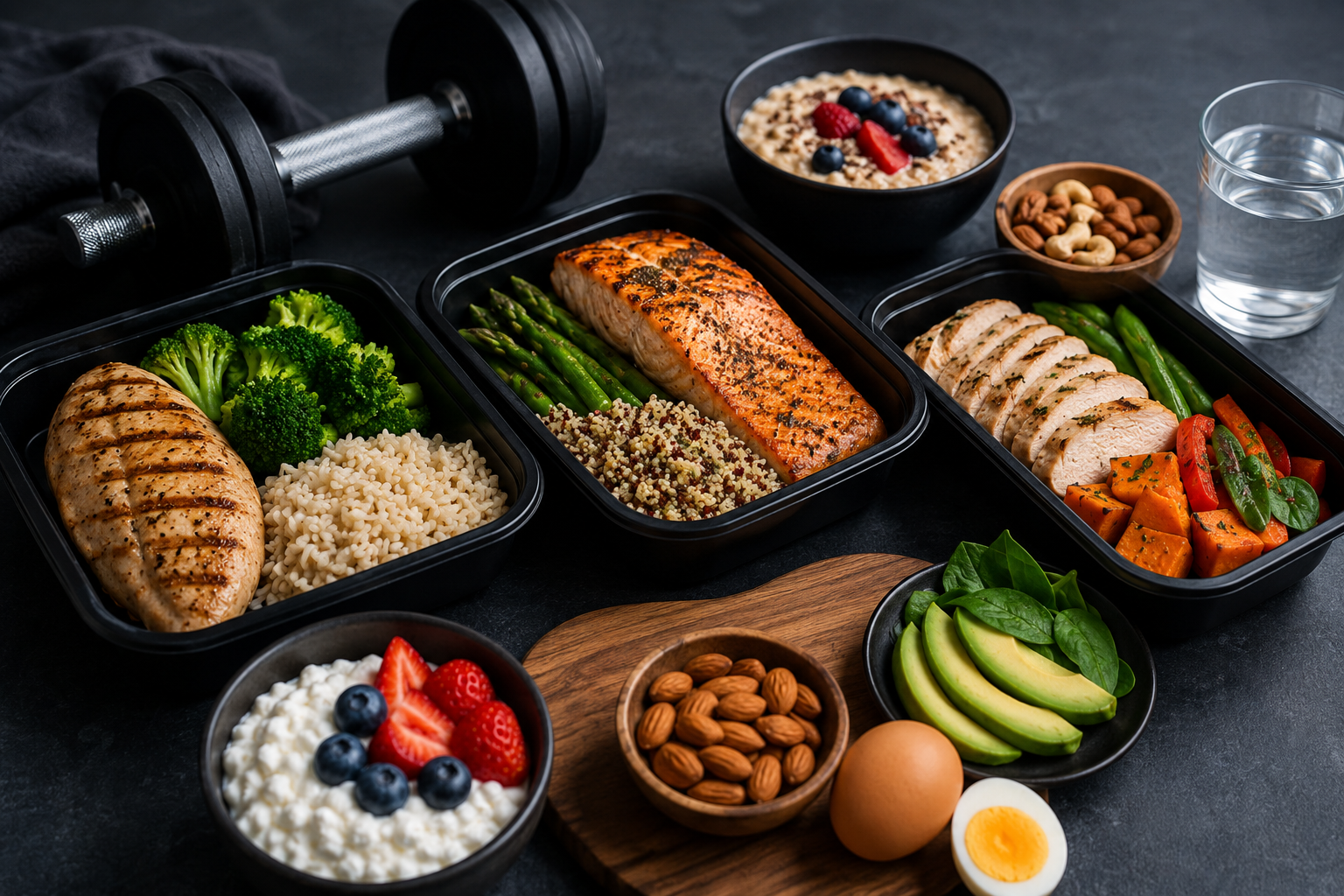
- 7:00 AM (Meal 1): 4 egg whites, 2 whole eggs, oatmeal, and berries.
- 12:00 PM (Meal 2): Grilled chicken breast, sweet potato, and broccoli.
- 4:00 PM (Meal 3 – Pre-Workout): Whey protein isolate, banana, and almond butter.
- 8:00 PM (Meal 4 – Post-Workout): Salmon fillet, quinoa, and asparagus.
Sample 5-Meal Plan
This plan is ideal for dedicated athletes looking to maximize every muscle fiber.
- 8:00 AM (Meal 1): Greek yogurt, protein powder, chia seeds, and oats.
- 11:30 AM (Meal 2): Lean ground turkey, brown rice, and green beans.
- 3:00 PM (Meal 3): Tuna salad with whole-wheat crackers and avocado.
- 6:30 PM (Meal 4 – Post-Workout): Chicken breast, white rice, and mixed vegetables.
- 10:00 PM (Meal 5): Micellar casein shake or cottage cheese with almonds.
Balancing Muscle Gain with Fat Loss: The Hard Truth
Here is the frustrating reality: building muscle requires a caloric surplus. However, a caloric surplus often causes fat gain. This fat hides your hard work.
To look lean and muscular, you must stay lean. You must avoid the traditional “dirty bulk.” Dirty bulking leads to water retention, bloating, and fat accumulation.
Managing Caloric Surpluses Safely
You only need a small caloric surplus to build muscle. Specifically, aim for 200 to 300 calories above maintenance. This small surplus minimizes fat gain.
Moreover, track your progress weekly. Do not rely solely on the scale. Use a tape measure and progress photos. (You can learn how to balance your macronutrient ratios for maximum strength gains here.)
Why Excess Water and Bloating Ruins Definition
Sometimes, you are not actually fat. Instead, your body is holding excess water under the skin. This subcutaneous water ruins your muscle definition.
High sodium intake, poor digestion, and stress cause water retention. To look shredded, you must flush out this excess water. This is where high-quality dietary supplements become essential.
How Matcha Extreme Accelerates Your Lean Muscle Definition
To achieve a truly shredded look, you need a metabolic edge. Proper nutrition is the foundation. However, supplementing with premium, natural ingredients can unlock rapid results.
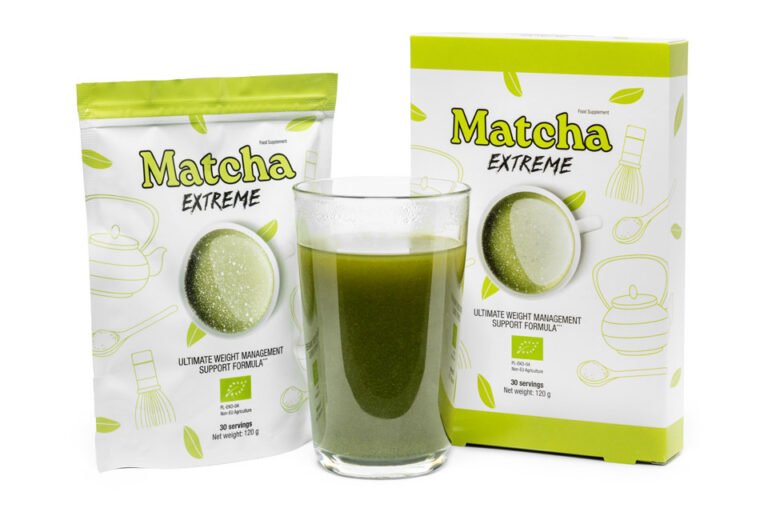
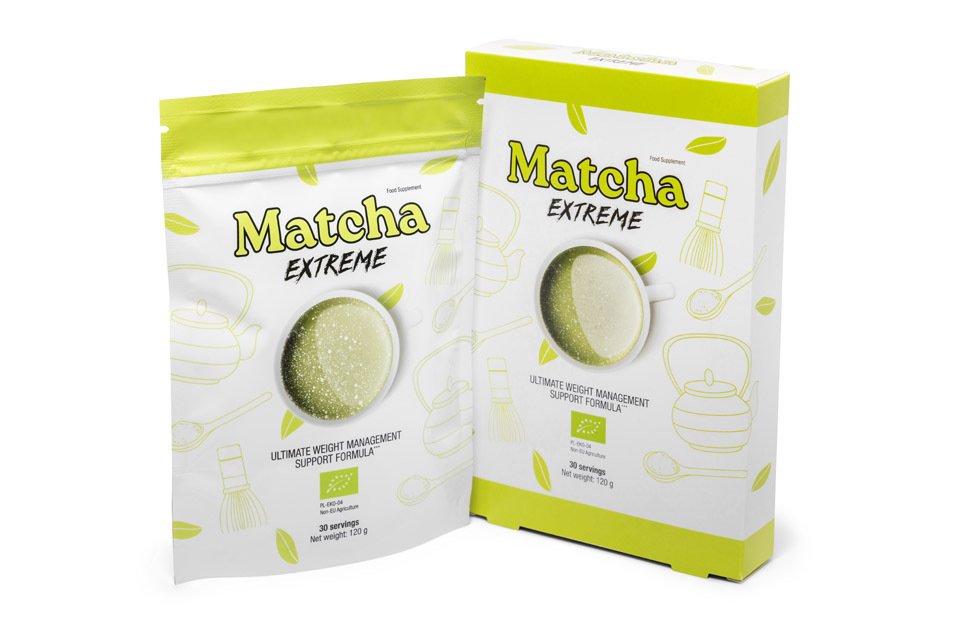
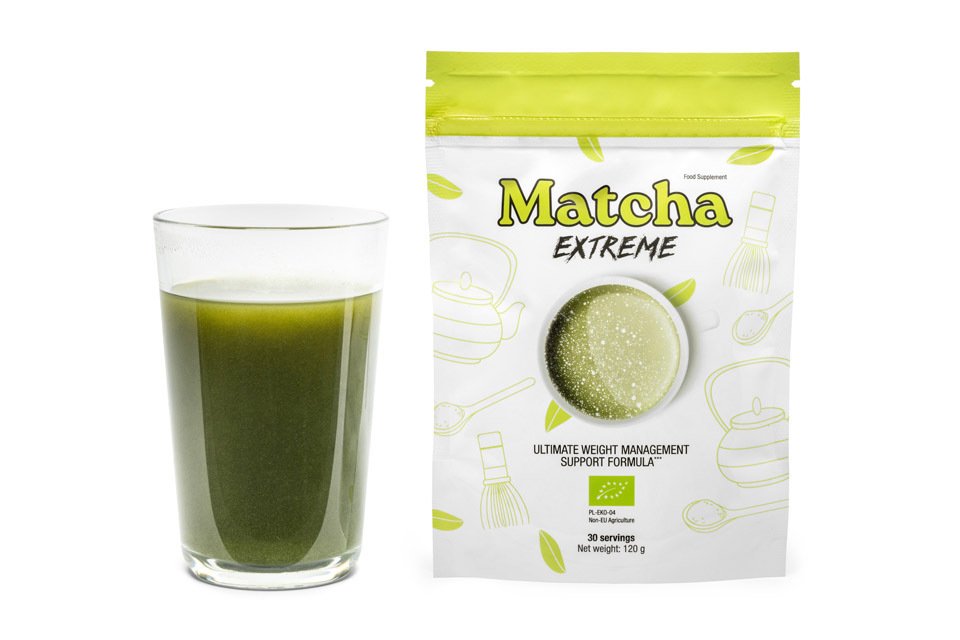
We highly recommend Matcha Extreme Weight Loss. This is not a dangerous stimulant loaded with chemicals. Instead, it is a premium food supplement designed to optimize your metabolism naturally.
Matcha Extreme = High-Quality Matcha + Spirulina + Prickly Pear + Acerola
Boosting Metabolism While Preserving Muscle
Matcha Extreme contains pure matcha green tea leaf powder. Matcha is rich in EGCG, a powerful antioxidant. EGCG boosts thermogenesis.
Therefore, your body burns more calories, even at rest. This allows you to maintain a clean caloric surplus while burning off stubborn fat. It helps preserve your hard-earned lean muscle mass.
Eliminating Excess Water for Shredded Definition
One of the biggest hurdles to muscle definition is bloating. Fortunately, Matcha Extreme contains prickly pear fruit extract.
Prickly pear is a powerful natural diuretic. It helps remove excess water from your body without depleting essential electrolytes. Consequently, your skin tightens over your muscles, revealing deep definition.
The Power of 4 Natural Ingredients
- Matcha Green Tea: Ignites your metabolism, enhances focus, and provides clean, sustained energy.
- Spirulina: Offers rich plant-based protein, supports detoxification, and regulates blood sugar levels.
- Prickly Pear Fruit Extract: Flushes out excess water, reduces swelling, and supports weight control.
- Acerola Fruit Extract: Delivers a massive dose of natural Vitamin C to support recovery and combat oxidative stress from heavy lifting.
Furthermore, Matcha Extreme helps regulate cholesterol and blood sugar levels. Healthy blood sugar prevents sudden energy crashes. Consequently, you can train harder, recover faster, and stay leaner.
Take Action Today: If you want to strip away stubborn fat, eliminate bloating, and finally showcase your lean muscle, try Matcha Extreme today. It is the ultimate natural addition to your clean bulk routine.
Common Nutritional Mistakes That Kill Muscle Growth
Even with the right meal frequency, certain mistakes can halt your progress. Avoid these common pitfalls to ensure steady muscle growth.
1. Inconsistent Daily Protein Intake
You cannot eat 200 grams of protein today and only 50 grams tomorrow. Consistency is absolutely vital. Your muscles need a steady supply of amino acids daily to repair and grow.
2. Ignoring Micronutrients
Many lifters focus solely on macronutrients (protein, carbs, and fats). However, micronutrients are just as important.
Vitamins and minerals catalyze metabolic reactions. Without them, your body cannot synthesize protein efficiently. Therefore, include plenty of leafy greens and superfoods like spirulina in your diet.
3. Fearing All Carbs
Carbohydrates are not your enemy. In fact, they are protein-sparing.
If you do not eat enough carbs, your body will burn protein for energy. Consequently, you will have less protein available for muscle building. Eat clean complex carbs to fuel your workouts.
Frequently Asked Questions
How many meals should I eat to build muscle without getting fat?
You should aim for 4 to 5 balanced meals per day. This frequency keeps muscle protein synthesis elevated. Simultaneously, it prevents the massive insulin spikes associated with larger, infrequent meals.
Can I build muscle eating only 2 meals a day?
While it is technically possible if you hit your daily protein targets, it is highly inefficient. Your body can only process a limited amount of protein per meal for muscle synthesis. The rest is oxidized for energy.
What should I eat before bed to prevent muscle breakdown?
Consume a slow-digesting protein source before sleep. Excellent options include cottage cheese, Greek yogurt, or a micellar casein protein shake. These sources release amino acids slowly over several hours.
Does Matcha Extreme help with muscle recovery?
Yes. Matcha Extreme contains acerola fruit extract, which is extremely rich in natural Vitamin C. Vitamin C is essential for collagen synthesis and reducing exercise-induced oxidative stress, which speeds up muscle recovery.
How does water retention affect muscle appearance?
Subcutaneous water retention sits between your skin and your muscles. This layer hides muscle separation and vascularity. Reducing excess water retention reveals a harder, more defined, and shredded physique.
Conclusion & Next Steps
Building lean muscle mass requires a strategic approach to nutrition. Eating 4 to 5 meals per day, spaced 3 to 4 hours apart, is the scientifically proven sweet spot. This structure maximizes muscle protein synthesis while keeping your metabolism active.
However, nutrition is only half the battle. To truly show off your hard work, you must eliminate stubborn fat and excess water weight.
Adding Matcha Extreme to your daily routine can provide the metabolic spark you need. It supports detoxification, reduces bloating, and reveals the shredded muscle definition you have worked so hard to build. Maintain your meal schedule, train hard, and optimize your results with natural supplementation.