The Best Number of Meals to Build Lean Muscle Naturally

You spend hours sweating at the gym. You lift heavy weights until your arms shake. Yet, your body remains exactly the same.
It feels completely devastating. You watch others get ripped effortlessly while you struggle constantly.
(Many fitness enthusiasts struggle to find the right balance between diet and exercise.) The missing link is not your workout routine. Instead, it is your daily meal frequency.
How many meals do you actually need to build lean muscle tissue? Let us dive into the science of optimal meal timing.
Table of Contents
- The Science of Muscle Protein Synthesis
- Why 3 Traditional Meals Might Fail Your Body
- Is Eating 6 Times a Day Actually Necessary?
- The Golden Number: Optimal Meals for Lean Muscle
- Maximizing Your Metabolism for Lean Definition
- Crafting the Perfect Lean Muscle Meal Plan
- Common Pitfalls That Destroy Lean Mass Growth
- Frequently Asked Questions (FAQ)
- Conclusion
- Medical Disclaimer
The Science of Muscle Protein Synthesis
To build a powerful physique, you must understand muscle protein synthesis. Your body constantly breaks down and repairs muscle fibers.
What is Muscle Protein Synthesis?
Muscle protein synthesis is the process of building new muscle tissue. This vital biological mechanism requires a steady supply of amino acids.
When you consume high-quality protein, you trigger this growth state. However, the body cannot store excess protein for later use. Therefore, timing your protein intake becomes highly critical.
The Refractory Period Explained
Your muscles experience a temporary limit on protein utilization. Scientists call this phenomenon the muscle full effect.
Once triggered, your body cannot stimulate growth again immediately. You must wait a few hours before another meal triggers synthesis. Consequently, eating protein constantly throughout the day is highly inefficient.
Why 3 Traditional Meals Might Fail Your Body
Most people grow up eating three large meals every day. However, this traditional pattern is not ideal for fitness goals.
The Problem with Huge Portions
Eating large meals creates massive gaps between your nutritional intake. Your body enters a catabolic state during these long fasting periods.
Learning how to prevent muscle breakdown during fat loss is essential for success. When you starve your muscles, your body burns lean tissue for energy.
Nutrient Absorption Limitations
Your digestive system can only process a limited amount of protein at once. Shoving eighty grams of protein into one sitting wastes valuable resources.
Instead, your body converts the excess calories directly into stubborn fat stores. You end up feeling bloated, sluggish, and incredibly frustrated.

Is Eating 6 Times a Day Actually Necessary?
Old school bodybuilding magazines always recommended eating six to eight times daily. They claimed this habit fires up your metabolic rate.
The Truth About Frequent Feeding
Recent scientific studies debunked this ancient fitness myth completely. Total daily caloric intake matters much more than eating every single hour.
Furthermore, preparing six separate clean meals takes an immense amount of time. Most busy professionals find this exhausting lifestyle impossible to maintain long term.
How Small Meals Impact Fat Burning
Eating constantly keeps your blood sugar and insulin levels permanently elevated. High insulin levels block your body from accessing stored body fat for energy.
Therefore, frequent snacking might actually prevent you from achieving a lean look. You want to build muscle without gaining unwanted belly fat.
The Golden Number: Optimal Meals for Lean Muscle
So, what is the perfect meal frequency for optimal body composition? The ideal range is four to five meals daily.
Why 4 to 5 Meals Works Best
Spreading your food across four or five meals optimizes muscle growth perfectly. It provides a steady stream of amino acids every three to four hours.
This frequency keeps your body in an anabolic state all day long. Concurrently, it allows your digestive tract enough time to rest and recover.
Timing Your Macronutrients Perfectly
Space your meals evenly throughout your waking hours for maximum physical impact. Ensure each meal contains high-quality protein, complex carbohydrates, and healthy fats.
Consuming the right nutrients at the correct times accelerates muscle recovery. This strategic approach ensures your body uses every calorie for physical repair.

Maximizing Your Metabolism for Lean Definition
Building muscle requires energy, but you must also keep body fat exceptionally low. Managing your metabolic rate is the secret to this dual transformation.
The Link Between Fat Loss and Muscle Gain
Many individuals struggle to burn fat while simultaneously building lean tissue. Your metabolism needs natural support to handle this intense metabolic demand efficiently.
If your metabolism stalls, your body stores fat and breaks down hard-earned muscle. Fortunately, advanced natural supplementation can break this frustrating cycle.
+————————+—————————————+
| Benefit | How It Helps Lean Muscle Definition |
+————————+—————————————+
| Accelerated Metabolism | Burns fat calories for workout energy |
| Enhanced Efficiency | Allows you to lift heavier for longer |
| Reduced Fatigue | Speeds up recovery between sets |
+————————+—————————————+
How Fat Burn Active Speeds Up Your Results
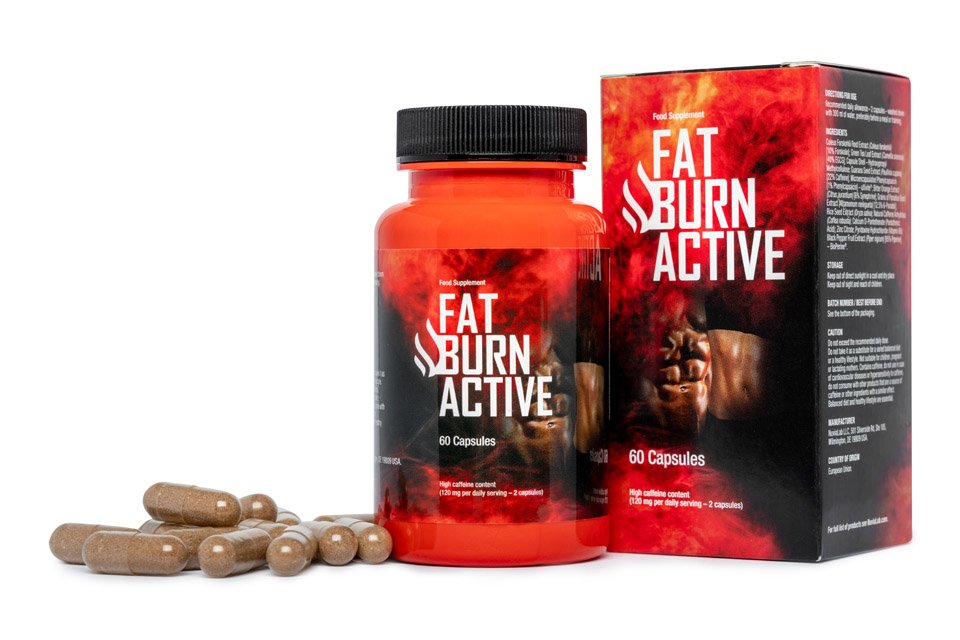
To optimize your transformation, consider adding Fat Burn Active to your daily regimen. This premium food supplement contains eleven powerful, completely natural ingredients working in perfect synergy.
It accelerates fat tissue burning significantly while facilitating total weight control. Regular use of these capsules boosts your metabolic rate safely and effectively.
Additionally, it increases physical efficiency and reduces workout fatigue dramatically. This is the ideal solution for people who want to lose weight actively, healthily, and naturally.
Crafting the Perfect Lean Muscle Meal Plan
Knowing how many meals to take is only half the battle. You must also select the right foods for each specific feeding window.
Pre-Workout Nutrition Strategy
Your pre-workout meal serves as the primary fuel source for heavy lifting sessions. Consume this meal roughly ninety minutes before entering the gym.
Focus on easily digestible carbohydrates paired with a lean protein source. This combination fills your muscles with glycogen for explosive strength and endurance.
Post-Workout Recovery Meals
The period immediately following your workout is crucial for rapid fiber repair. Your muscles act like dry sponges waiting to absorb vital nutrients.
(Eating a balanced post-workout meal reverses the muscle damage caused by lifting.) Combine fast-acting protein with complex carbohydrates to spike muscle protein synthesis instantly.
Common Pitfalls That Destroy Lean Mass Growth
Avoid these frequent mistakes to ensure your hard work produces visible physical changes.
Overeating and Gaining Body Fat
Many people confuse dirty bulking with building clean, high-quality muscle mass. Eating excess junk food simply creates a layer of stubborn fat over your muscles.
Instead, maintain a slight, controlled caloric surplus using clean, whole food sources. This method guarantees clean tissue growth without ruining your physical aesthetics.
Ignoring Metabolic Rate Adjustments
As your body changes, your daily caloric requirements will naturally shift. Failing to adjust your intake can cause a frustrating progress plateau.
Keep your metabolism humming by tracking your results consistently every week. Incorporating a powerful metabolic activator ensures your fat-burning pathways remain wide open.
Frequently Asked Questions (FAQ)
How many meals a day should I eat to build lean muscle?
For optimal results, aim for four to five well-spaced meals daily. This frequency maximizes muscle protein synthesis without overloading your digestive system unnecessarily.
Can I build muscle by eating only 3 meals a day?
Yes, you can build muscle on three meals if you hit your daily macro targets. However, four meals is generally superior for maximizing protein absorption.
Is it bad to skip a meal when trying to build muscle?
Skipping meals occasionally will not ruin your progress completely. However, consistent meal skipping can trigger muscle catabolism and reduce your workout energy.
How much protein should I consume per meal?
Aim for thirty to forty grams of high-quality protein during each meal. This specific amount triggers muscle protein synthesis effectively for most individuals.
Can I use fat burners while trying to gain lean muscle?
Using natural supplements can help define your muscles by eliminating stubborn fat layers. A premium formula like Fat Burn Active boosts energy and metabolic rate without harming lean tissue.
Conclusion
Building lean muscle mass requires a smart approach to daily meal frequency. Ditch the outdated three-meal structure and avoid the hassle of six meals.
Instead, commit to four or five balanced meals spaced evenly throughout your day. Fuel your body with clean nutrients and protect your hard work with proper recovery.
If you want to speed up your journey, do not wait to upgrade your routine. Supercharge your energy, torch stubborn fat, and reveal your hidden muscle definition today. Try Fat Burn Active now to unlock your ultimate physical transformation naturally!