Is Ozempic Better Than Traditional Diet Pills? Crucial Risks
Choosing the wrong weight loss medication can ruin your metabolic health and drain your bank account. Today, millions of people find themselves caught between modern anti-obesity injections and classic prescription stimulants.
Navigating the complex landscape of clinical weight management requires a clear understanding of pharmaceutical mechanisms. Unfortunately, viral social media trends often hide the serious side effects of these medical interventions.
If you want to achieve permanent fat reduction, you must look past the aggressive marketing hype. Let’s analyze the clinical data to determine whether modern weekly injections actually beat traditional oral capsules.
Table of Contents
- The Evolutionary Shift in Clinical Weight Management
- How Ozempic Rewires Your Brain and Digestive Tract
- The Dark Side of Traditional Diet Pills: Stimulants and Blockers
- Efficacy Comparison: What the Clinical Trials Reveal
- Side Effect Profiles: Gastrointestinal Distress vs. Cardiovascular Strain
- The Financial Reality: Insurance Coverage and Long-Term Costs
- The Rebound Effect: What Happens When You Stop Taking Them?
- Natural Metabolic Support: The Sustainable Alternative
- Frequently Asked Questions
The Evolutionary Shift in Clinical Weight Management
For decades, medical weight management relied entirely on oral amphetamine derivatives or localized fat malabsorption blockers. These early pharmacological treatments focused primarily on forcing short-term nervous system stimulation to suppress physical hunger.
However, modern endocrinology has shifted away from simply masking appetite toward correcting underlying metabolic dysfunction. The introduction of synthetic peptides has completely revolutionized how chronic obesity is treated in clinical settings.
Evolution of Obesity Medications:| 1950s-1990s: Central Nervous System Stimulants (Phentermine)|| 1990s-2000s: Fat Absorption Blockers (Orlistat / Alli) || 2020s-Present: Incretin Mimetics & Peptides (Semaglutide) |This rapid technological advancement leaves many consumers feeling confused about their safest treatment options. Understanding how these distinct drug classes interact with your physiology is vital for making an informed choice.
Sustaining a caloric deficit becomes significantly easier when your biological pathways are aligned. Let’s break down the underlying science of these competing pharmaceutical approaches.
How Ozempic Rewires Your Brain and Digestive Tract
Ozempic contains the active pharmaceutical ingredient semaglutide, which functions as a glucagon-like peptide-1 (GLP-1) receptor agonist. This synthetic peptide directly mimics a natural metabolic hormone that your intestines secrete after meals.
Delaying Gastric Emptying
One primary mechanism of semaglutide is the drastic slowing of your stomach digestion process. Food remains inside your gastric cavity for a significantly longer duration after consumption.
This physical delay sends continuous signals of satiety to your brain through the vagus nerve. Consequently, you feel profoundly full while consuming a fraction of your usual portions.
Central Appetite Regulation
In addition to physical stomach effects, semaglutide crosses the blood-brain barrier to target the hypothalamus. This specific region regulates your primitive hunger drives and obsessive thoughts about food.
GLP-1 Agonist Brain Impacts:* Shuts down intrusive "food noise" completely.* Enhances dopamine sensitivity to healthy portion sizes.* Reduces emotional cravings for hyper-palatable snacks.* Minimizes the psychological reward of binge eating.The Dark Side of Traditional Diet Pills: Stimulants and Blockers
Traditional diet pills operate on entirely different biological pathways than modern peptide injections. The most common prescription options fall into the category of central nervous system stimulants.
The Stimulant Approach
Medications like phentermine stimulate your adrenal glands to release large amounts of norepinephrine. This chemical response triggers a temporary state of fight-or-flight, which naturally blunts your appetite.
While effective short-term, stimulants put incredible stress on your vital cardiovascular organs. Patients frequently experience severe heart palpitations, chronic insomnia, and elevated resting blood pressure.
The Malabsorption Strategy
Other traditional options like Orlistat work locally inside your digestive tract to block fat-digesting enzymes. This prevents your body from absorbing roughly 30% of the dietary fat you consume.
Instead of burning existing body fat, this method simply forces undigested lipids through your intestines. This mechanism regularly causes embarrassing gastrointestinal accidents, severe cramping, and nutrient malabsorption issues.
Efficacy Comparison: What the Clinical Trials Reveal
When comparing pure fat reduction capabilities, clinical data shows a clear winner between the options. Modern peptide therapies consistently outperform classic oral weight loss drugs in rigorous multi-year studies.
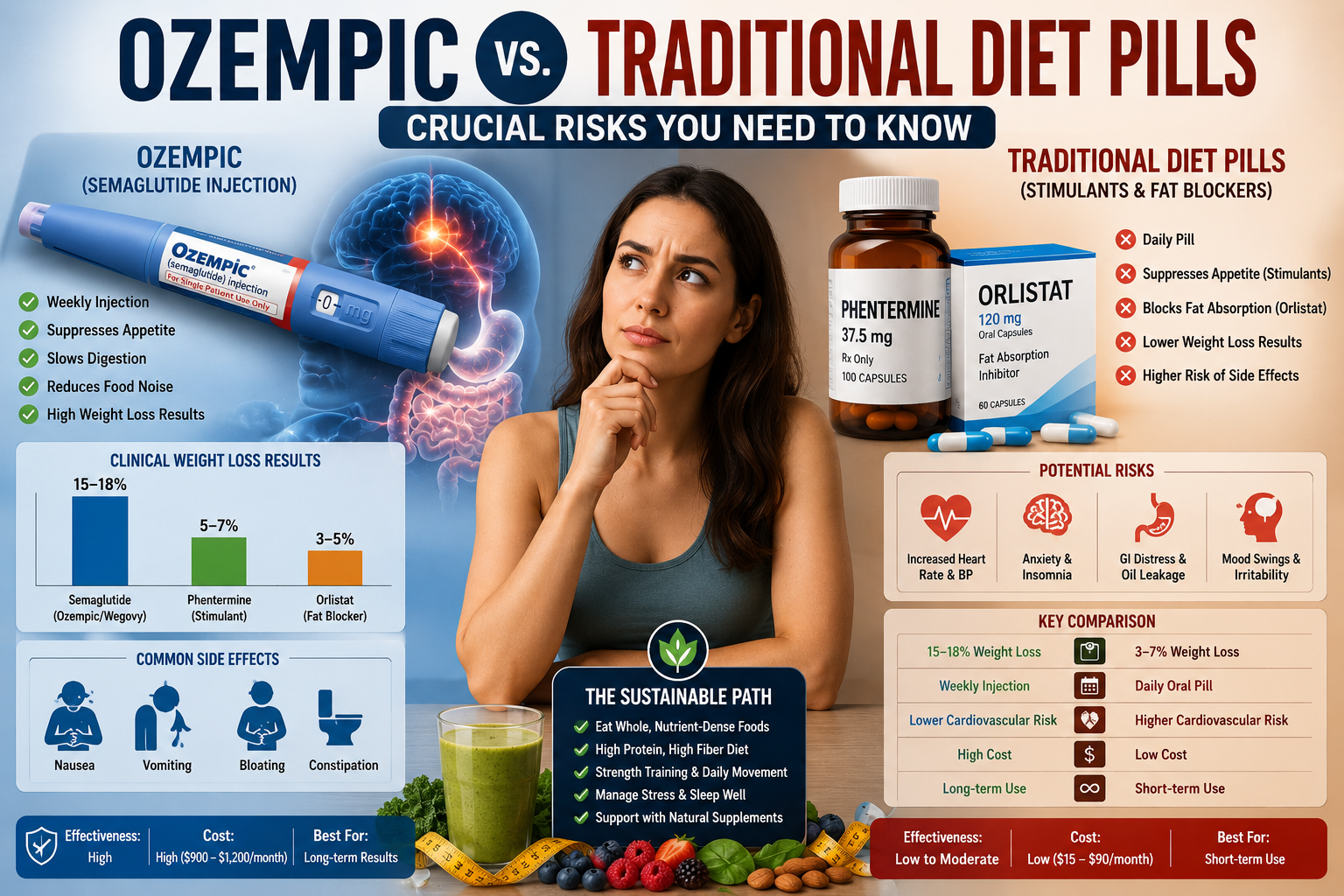
Average Weight Loss by Medication Class:| Medication Type | Average Body Weight Loss Percentage || Phentermine (Traditional Stimulant) | 5% - 7% over 12 weeks || Orlistat (Fat Blocker) | 3% - 5% over one year || Semaglutide (Ozempic/Wegovy) | 15% - 18% over 68 weeks |Analyzing the Data
The clinical evidence proves that GLP-1 therapies produce nearly three times the total fat reduction of traditional options. Furthermore, traditional stimulants are only FDA-approved for short-term use up to twelve weeks.
This strict time limitation prevents patients from safely using stimulants to manage a chronic metabolic condition. Achieving long-term weight maintenance requires a treatment plan that supports metabolic health safely over several years.
Fat Mass vs. Lean Muscle Loss
A major concern with rapid pharmaceutical weight loss is the unintended destruction of lean skeletal muscle. Studies reveal that a notable percentage of weight lost on Ozempic comes from muscle tissue if protein intake is neglected.
Traditional stimulants also cause muscle loss due to extreme, rapid starvation states. Regardless of the medication chosen, maintaining a high-protein diet is non-negotiable for preserving your metabolic rate.
Side Effect Profiles: Gastrointestinal Distress vs. Cardiovascular Strain
Every single pharmaceutical intervention carries a inherent list of potential medical complications. Balancing the therapeutic benefits against the physiological costs is essential for long-term health.
Navigating Ozempic Side Effects
The vast majority of semaglutide complications occur within the human digestive system. Because the drug slows gastric emptying, patients regularly fight mild to severe nausea, vomiting, and debilitating constipation.
Potential Ozempic Complications:* Persistent nausea and transient vomiting* Severe acid reflux and constant bloating* Increased risk of acute gallbladder disease* Rare cases of chronic gastroparesis (stomach paralysis)Assessing Diet Pill Dangers
Traditional amphetamine-based diet pills avoid the stomach issues but assault your neurological and cardiovascular systems. Users frequently report intense evening anxiety, severe mood swings, and a racing heart rate.
These dangerous systemic side effects make traditional stimulants highly unsafe for individuals with pre-existing heart conditions. The psychological toll of chronic stimulant use also leads to rapid burnout for many patients.
The Financial Reality: Insurance Coverage and Long-Term Costs
Before starting any clinical weight reduction protocol, you must carefully evaluate the recurring financial commitment. These treatments require consistent compliance to remain effective over time.
The True Cost of Injections
Ozempic and its weight-loss counterpart, Wegovy, are notoriously expensive bioengineered peptides. Without commercial insurance coverage, a single monthly supply can easily cost over $1,000.
Because insurance companies often classify weight management as a cosmetic issue, getting coverage is incredibly difficult. This leaves many individuals facing immense monthly out-of-pocket expenses that are simply unsustainable.
The Affordability of Generics
In contrast, traditional diet pills have been available on the pharmaceutical market for several decades. This long history means cheap generic versions of phentermine and orlistat are widely accessible.
Monthly Cost Comparison (Out-of-Pocket):* Generic Phentermine Capsules: $15 - $40 per month* Brand-Name Fat Blockers: $50 - $90 per month* Semaglutide Injections: $900 - $1,200 per monthWhile traditional pills are undeniably more budget-friendly, their short-term limitations reduce their overall value. Spending less money on a temporary fix often leads to cyclical frustration when the weight returns.
The Rebound Effect: What Happens When You Stop Taking Them?
The most critical issue facing modern clinical weight management is the reality of permanent medication dependency. These pharmaceuticals do not permanently cure the root causes of obesity.
The Clinical Rebound Data
Comprehensive tracking studies show that patients who stop taking Ozempic quickly regain two-thirds of their lost fat. Once the synthetic peptide clears your system, your appetite returns with intense physiological vengeance.
Your delayed gastric emptying normalizes almost instantly, and your brain’s food noise returns at full volume. If you have not built sustainable lifestyle habits, weight regain is virtually guaranteed.
The Stimulant Crash
Stopping traditional stimulant pills causes an immediate crash in your metabolic rate and physical energy levels. Your body compensates for the prolonged chemical stimulation by triggering intense lethargy and extreme hunger.
This dramatic rebound effect creates a dangerous cycle of pharmaceutical dependency and weight fluctuation.
Natural Metabolic Support: The Sustainable Alternative
If you want to avoid the severe risks of injections and stimulants, natural alternatives provide a safer path forward. You can optimize your cellular fat-burning capabilities without relying on heavy prescription drugs.
Optimizing Your Natural GLP-1 Production
You can stimulate your body’s natural production of the GLP-1 hormone through strategic dietary choices. Consuming high amounts of soluble fermentable fibers triggers the release of satiety hormones from your colon.
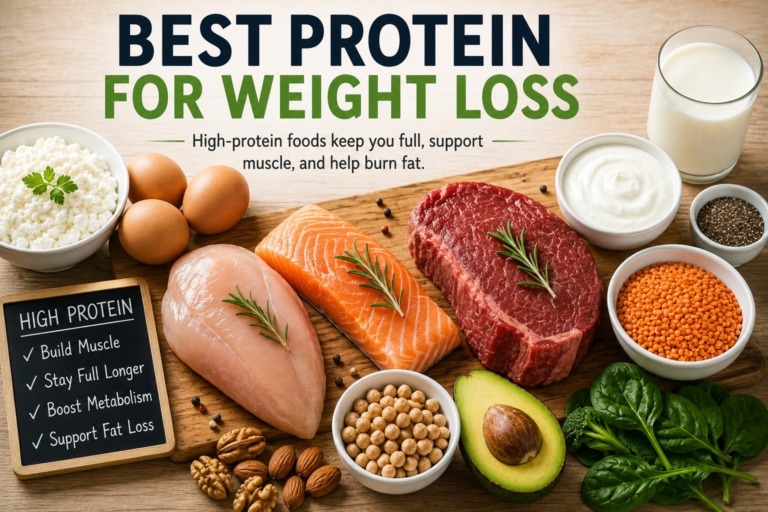
Additionally, prioritizing lean proteins at every meal naturally slows your digestion and keeps your blood sugar stable. This nutritional approach mimics the benefits of modern medication without the accompanying nausea.
Leveraging Safe Herbal Accelerators
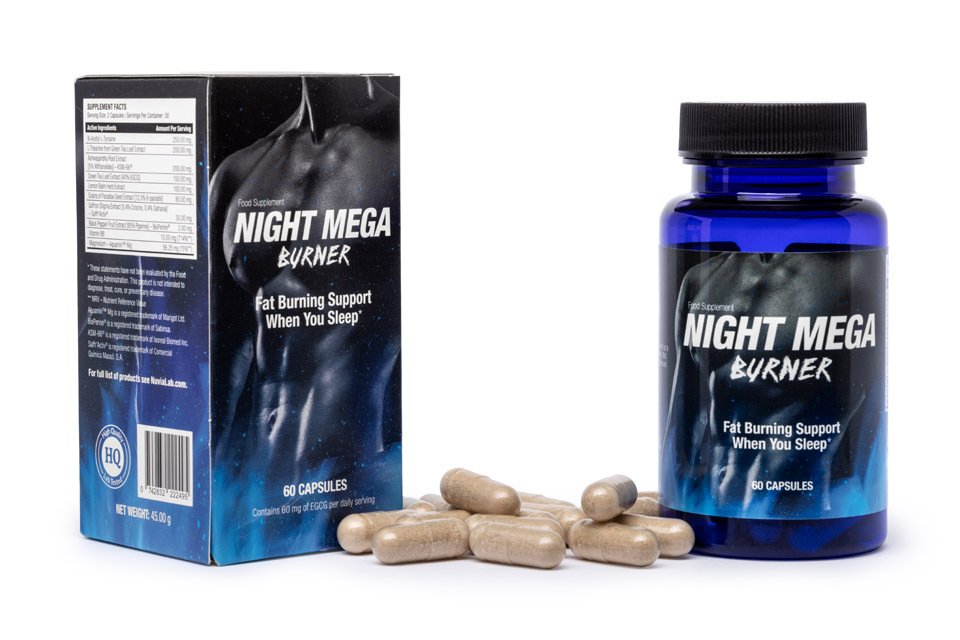
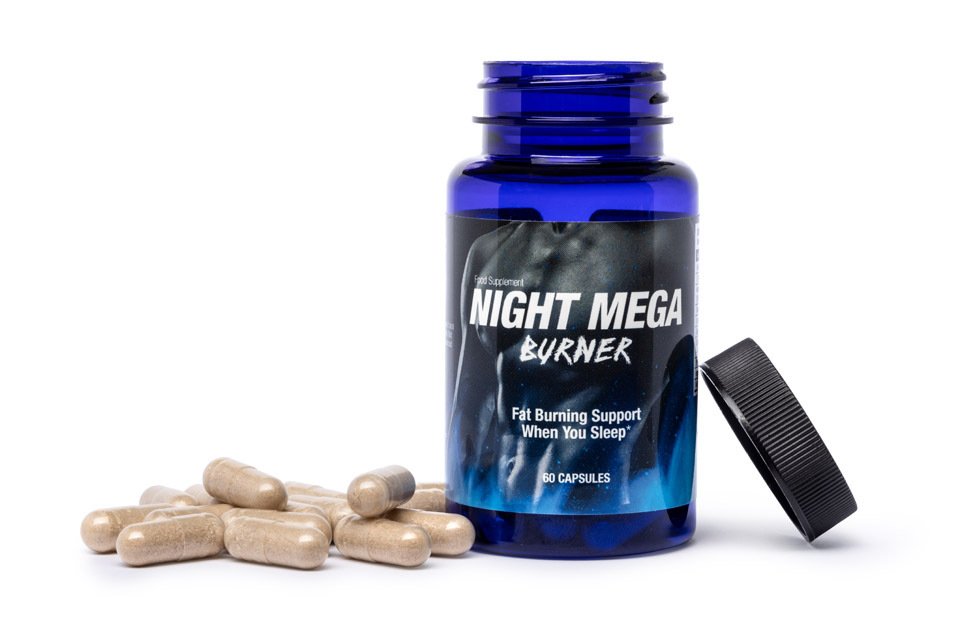
For individuals seeking an extra metabolic edge, specific natural supplements can offer gentle, non-stimulant support. Plant-based fat burners and metabolic enhancers can help optimize your cellular insulin sensitivity safely.
Looking for a Safe, Natural Alternative?
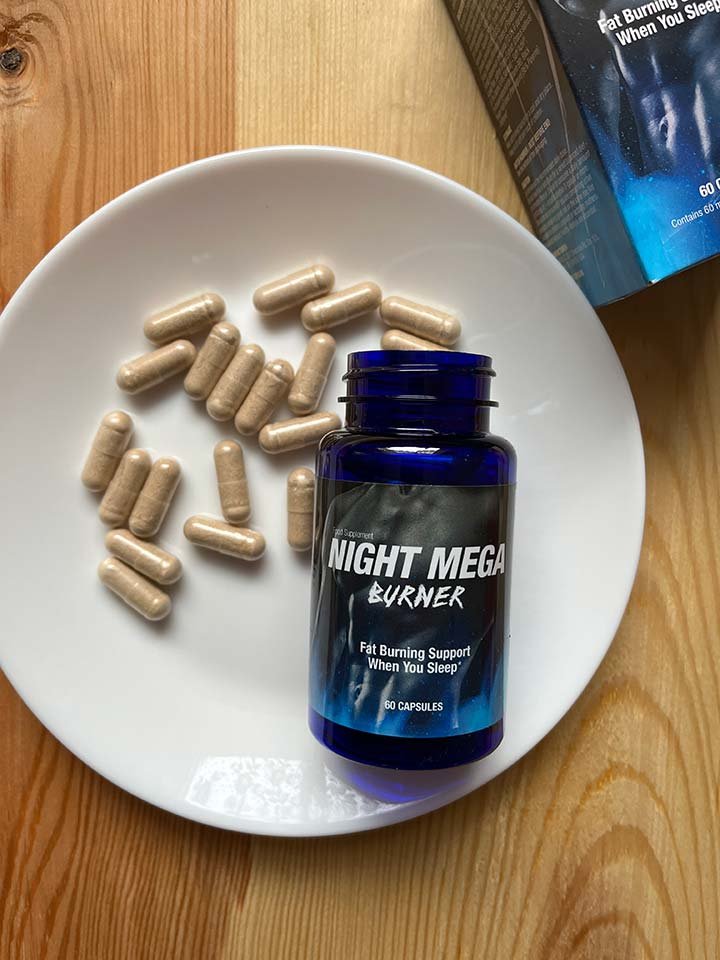
If you want to support your weight loss journey without the severe risks or high costs of prescription injections, incorporating a premium, science-backed natural metabolic supplement can provide excellent daily support. These carefully formulated alternatives help optimize your natural fat-burning pathways gently and effectively.
Frequently Asked Questions
Is Ozempic considered a diet pill?
No, Ozempic is not a diet pill. It is a liquid medication administered via a once-weekly subcutaneous injection. Chemically, it is a GLP-1 receptor agonist designed to mimic natural metabolic hormones, unlike traditional oral weight loss capsules.
Can you buy traditional diet pills over the counter?
Some mild fat-blocking medications, like Alli (Orlistat), are available over the counter in regulated doses. However, more potent central nervous system stimulants like phentermine require a strict prescription from a licensed healthcare provider.
How long can a person safely stay on Ozempic for weight loss?
Clinical trials show that semaglutide is designed for long-term, chronic management of obesity. Many patients remain on the medication indefinitely to maintain their weight loss, as stopping the drug typically triggers a rapid return of appetite.
Why do people lose muscle mass while taking Ozempic?
People lose muscle mass because the profound appetite suppression causes a severe caloric deficit. When you consume too few calories and inadequate protein, your body breaks down muscle tissue for energy. Eating enough protein is essential to prevent this.
Are traditional diet pills safer for your heart than modern injections?
No, traditional stimulant diet pills generally pose a higher risk to cardiovascular health than GLP-1 injections. Stimulants artificially elevate your heart rate and blood pressure, whereas Ozempic has actually shown beneficial cardiovascular outcomes in clinical studies.
Conclusion
Ozempic is statistically more effective than traditional diet pills for total fat reduction, but it requires a long-term financial and physical commitment. Traditional pills offer a low-cost, short-term option but carry notable cardiovascular risks and high rebound rates. Ultimately, true transformation requires building sustainable dietary foundations, whether you utilize pharmaceutical assistance or choose a natural path.