Is Intermittent Fasting Good for Weight Loss? Proven Benefits Explained
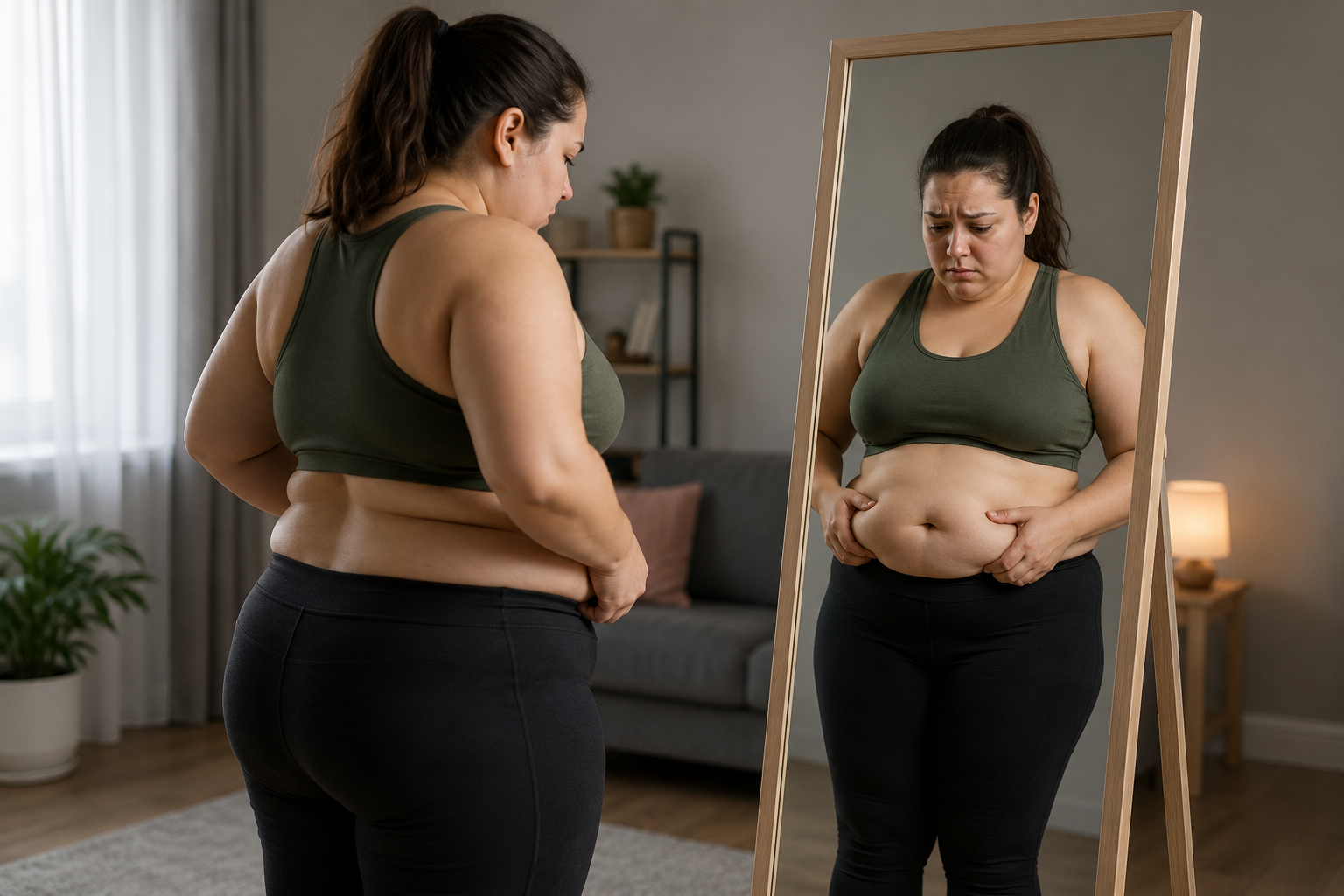
Is intermittent fasting good for weight loss? In many cases, yes. Scientific studies suggest that intermittent fasting can help people reduce calorie intake, improve metabolic health, and support gradual fat loss when combined with a balanced diet and regular physical activity.
However, fasting is not a magic solution. Long-term success depends on consistency, food quality, sleep, stress management, and daily movement. When these habits work together, intermittent fasting can become an effective strategy for healthy weight management.

Table of Contents
- What Is Intermittent Fasting?
- How Does It Help Weight Loss?
- Scientific Benefits
- Best Fasting Methods
- Can Supplements Support Your Progress?
- Practical Tips
- Key Takeaways
- FAQ
- Conclusion
What Is Intermittent Fasting?
Quick Answer
Intermittent fasting is an eating pattern that alternates between periods of eating and fasting. It focuses on when you eat rather than what you eat.
Unlike traditional diets, intermittent fasting limits eating to specific time windows. As a result, many people naturally consume fewer calories without counting every meal.
Popular methods include:
- 16:8 fasting
- 14:10 fasting
- 5:2 fasting
- Alternate-day fasting
Many beginners start with the 16:8 method because it is simple and easier to maintain.
How Does Intermittent Fasting Help Weight Loss?
Quick Answer
Intermittent fasting may support weight loss by reducing calorie intake and encouraging the body to use stored fat for energy during fasting periods.
During fasting, insulin levels decrease. Consequently, stored fat becomes easier for the body to access as fuel. Moreover, many people snack less and improve portion control.
Research also suggests fasting may improve metabolic flexibility and appetite regulation in some individuals. Nevertheless, healthy eating remains essential for lasting success.

Scientific Benefits of Intermittent Fasting
Quick Answer
Research from organizations such as NIH and Harvard Health suggests intermittent fasting may support weight management and metabolic health when practiced correctly.
Potential benefits include:
- Better calorie control
- Improved insulin sensitivity
- Reduced body fat
- Better blood sugar regulation
- Increased metabolic flexibility
Although promising, results differ from person to person because lifestyle factors play a major role.
Best Intermittent Fasting Schedule for Beginners
Quick Answer
The 16:8 method is one of the easiest and most sustainable fasting schedules for beginners.
A simple daily routine could look like this:
| Time | Activity |
| 8:00 AM | Water or black coffee |
| 12:00 PM | First meal |
| 3:30 PM | Healthy snack |
| 7:30 PM | Dinner |
| 8:00 PM | Begin fasting |
This schedule allows enough time for balanced meals while maintaining a fasting window.
Can Supplements Support Your Weight Loss Journey?
Quick Answer
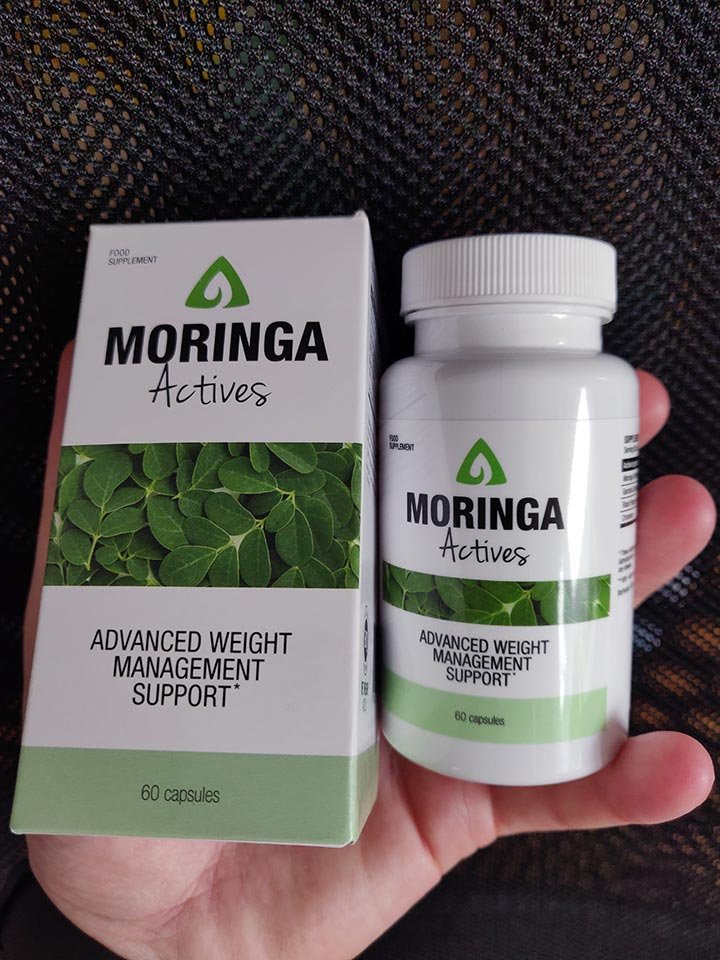
Some dietary supplements are marketed to support metabolism, relaxation, or healthy weight management alongside proper nutrition and exercise. However, supplements should complement healthy habits rather than replace them.
Night Mega Burner is promoted as a nighttime dietary supplement containing vitamins, minerals, and botanical ingredients designed to support normal metabolism and relaxation. Individual results may vary, and maintaining a healthy lifestyle remains the most important factor for successful weight management.

Healthy Habits That Improve Fasting Results
Quick Answer
Simple daily habits can significantly improve your fasting experience and support long-term fat loss.
Consider these strategies:
- Drink enough water.
- Prioritize protein intake.
- Sleep at least seven hours.
- Walk every day.
- Reduce processed foods.
- Manage stress effectively.
Small habits practiced consistently often produce better results than extreme dieting.
Common Mistakes During Intermittent Fasting
Many people expect instant results. However, sustainable weight loss takes time.
Common mistakes include:
- Overeating after fasting
- Drinking sugary beverages
- Skipping protein
- Sleeping too little
- Not exercising
Avoiding these mistakes may improve long-term success.
Practical Tips
- Start slowly with a 12-hour fast.
- Increase fasting time gradually.
- Stay hydrated.
- Focus on whole foods.
- Exercise regularly.
- Track your progress weekly.
Key Takeaways
| Topic | Summary |
| Intermittent Fasting | May support healthy weight loss |
| Best Method | 16:8 fasting |
| Exercise | Improves results |
| Nutrition | Essential for success |
| Supplements | May complement healthy habits |
Frequently Asked Questions
Is intermittent fasting good for losing belly fat?
Intermittent fasting may help reduce overall body fat when combined with a calorie-controlled diet and exercise. Spot reduction is not possible, but total fat loss can gradually reduce belly fat.
How long does it take to lose weight with intermittent fasting?
Many people notice changes within several weeks, although results depend on calorie intake, activity level, sleep quality, and consistency.
Can I drink coffee while fasting?
Yes. Black coffee without sugar or cream is generally allowed during fasting periods because it contains very few calories.
Is intermittent fasting safe?
Healthy adults often tolerate intermittent fasting well, but pregnant women, children, and individuals with certain medical conditions should seek professional medical advice first.
Can I exercise while fasting?
Yes. Many people exercise while fasting, although beginners may prefer lighter workouts until their body adapts.
Does intermittent fasting slow metabolism?
Current evidence suggests normal intermittent fasting does not significantly slow metabolism when nutrition remains adequate.
What foods should I eat after fasting?
Choose balanced meals with lean protein, vegetables, whole grains, and healthy fats to maintain energy and support muscle health.
Should I take supplements while fasting?
Some supplements may fit into an overall wellness plan, but they should never replace healthy eating habits or physical activity.
Conclusion
Intermittent fasting can be an effective strategy for weight loss when practiced consistently and combined with nutritious eating habits, exercise, hydration, and quality sleep. Although supplements may complement a healthy lifestyle, lasting success depends primarily on sustainable daily habits rather than any single product.
Start with small changes today. Build healthy habits, stay active, eat nutritious meals, and choose sustainable strategies that support your long-term weight management goals.